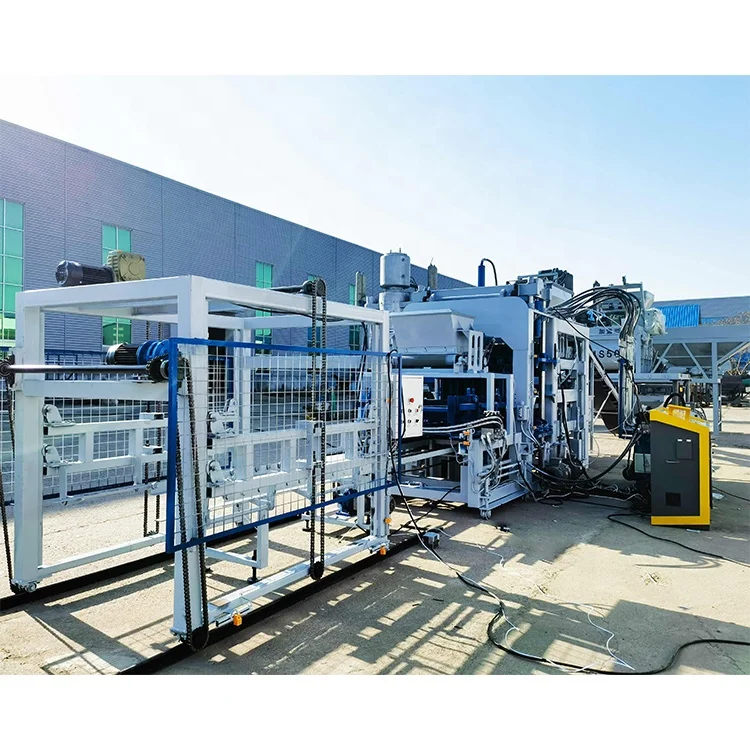
Description
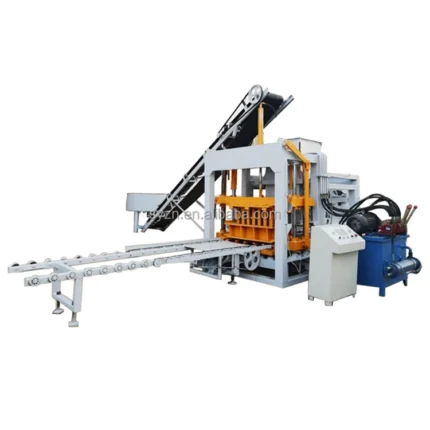
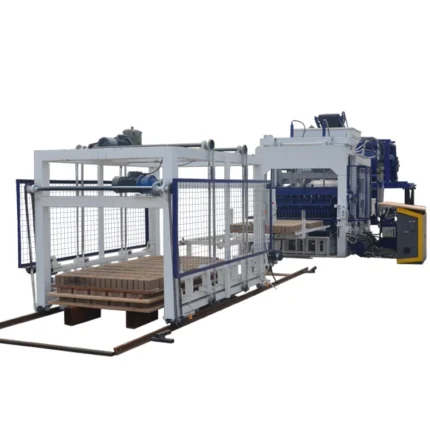
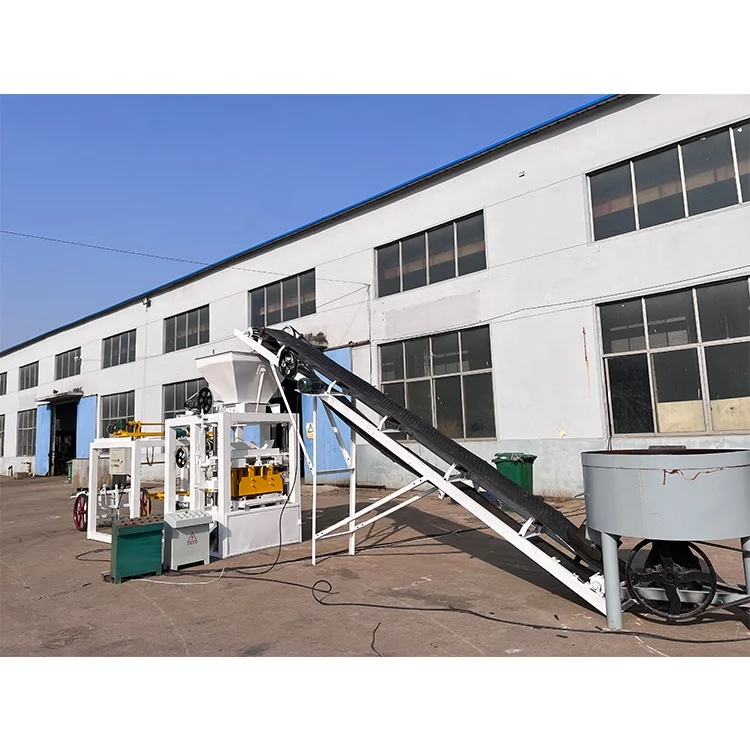
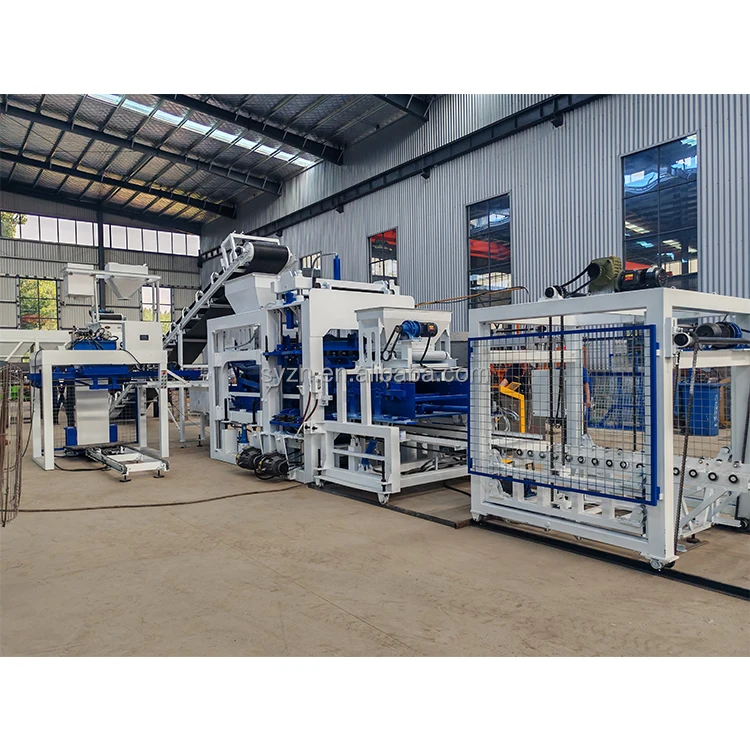
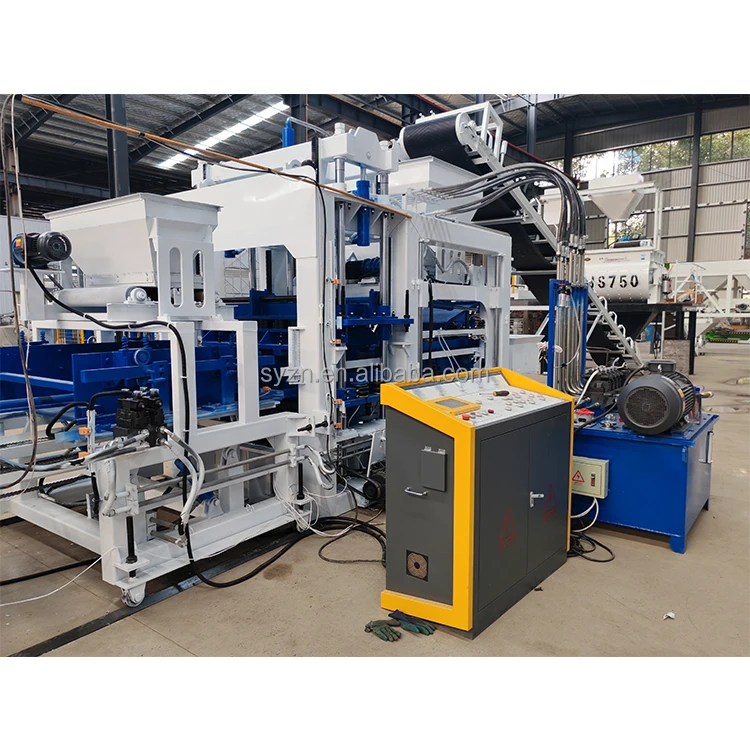
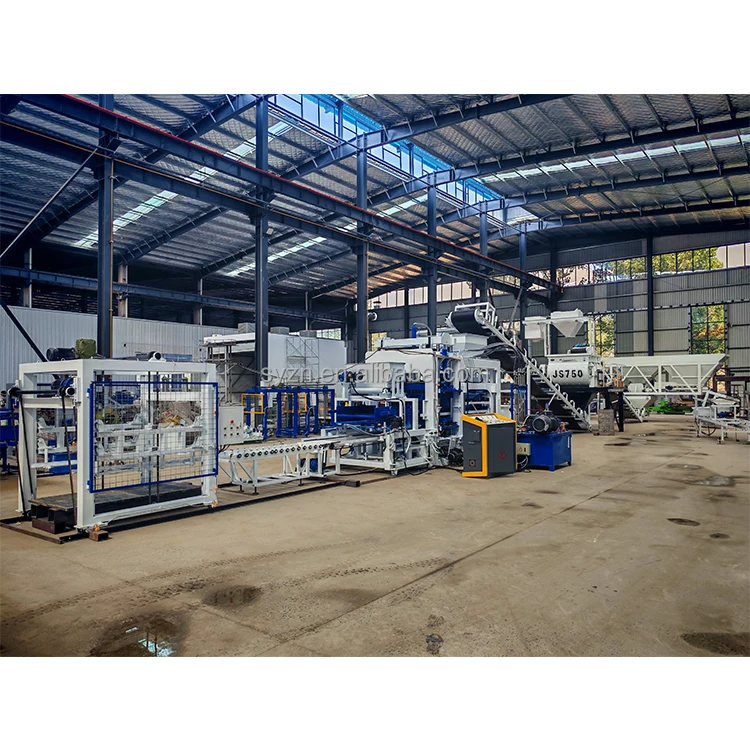
Cycle-Time Synchronization — the automatic QT8-15 block machine aligns PLC-regulated molding cycles with pallet feed and stacking intervals, preventing the bottleneck where finished blocks queue at the stacker while the press waits idle.
Technical Specifications
| Parameter | Value |
|---|---|
| Model | QT8-15 |
| Product Type | Hydraulic Block Making Machine |
| Overall Dimensions (L×W×H) | 8300 × 1860 × 3000 mm |
| Total Mass | 8 T |
| Rated Pressure | 21 MPa |
| Main Vibration Form | Platform Vibration |
| Vibration Frequency | 2800–4500 r/min |
| Vibration Force | 45 kN |
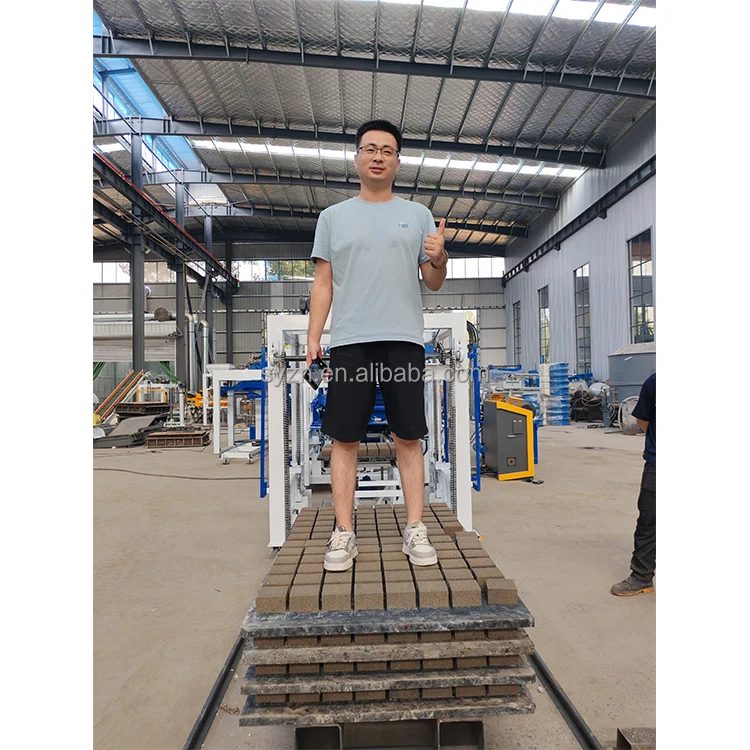
| Pallet Size | 950 × 900 mm |
| Molding Cycle | 15–20 s (basis not stated in source — confirm block format / material / thickness) |
| Overall Power | 55.5 kW |
| Demolding Method | Hydraulic |
| Control System | PLC |
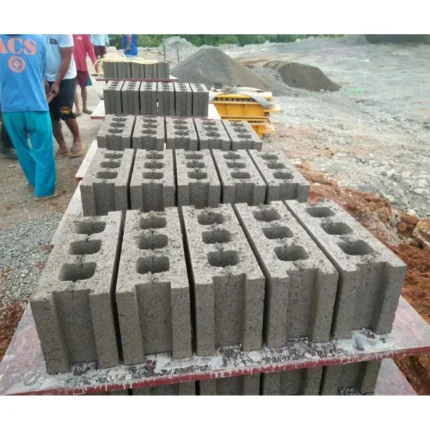
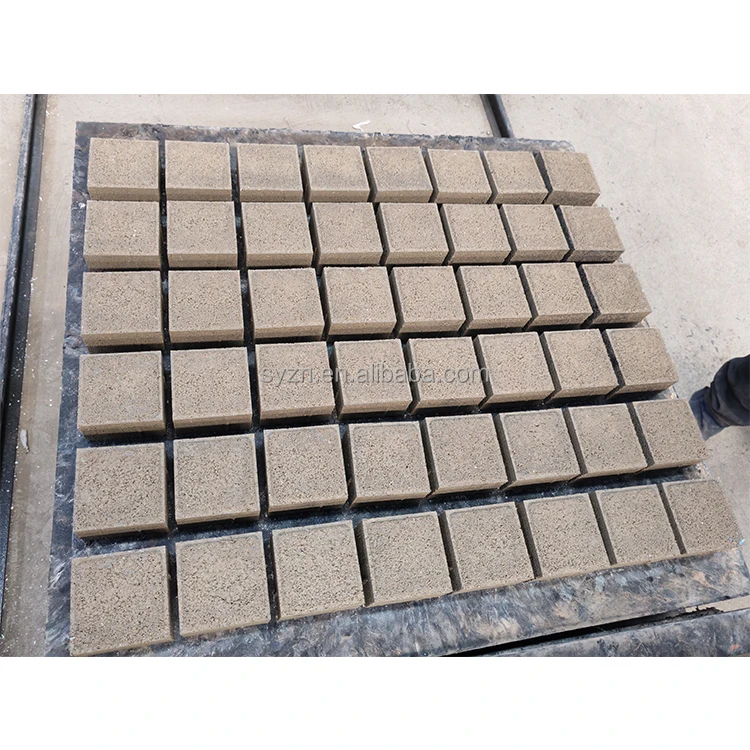
| Applied Products | Concrete blocks, hollow/solid blocks, pavers, interlocking blocks, curbstone, colored pavers |
| Raw Materials | Crushed stone, sand, cement, dust, fly ash, gravel, slag |
| Standards | CE |
Application Suitability
| Application | Material or Output |
|---|---|
| Hollow block production for load-bearing walls | Crushed stone, sand, and cement blends |
| Solid block manufacturing for foundations | Fly ash, gravel, and cement mixes |
| Interlocking paver runs for driveways and walkways | Colored aggregate and cement |
| Kerbstone and curb production for road projects | Coarse aggregate with high cement content |
| Porous block output for permeable paving | Graded gravel and cement with controlled void ratio |
What "15-Second Cycle" Actually Means for Your Daily Output
A cycle time printed on a spec sheet becomes meaningless the moment it is divorced from the block format it assumes.
I have watched plant owners in West Africa celebrate a fast molding cycle on paper, only to find their actual pallet output per shift dropping well short of expectations once a different block geometry entered the press. The PLC controlled block making machine must have its timer tuned to the fill depth, vibration duration, and demolding stroke that a specific format demands. When a supplier quotes a single headline cycle figure without naming the block, the number is an anchor for the wrong conversation [NEED_CITE: capacity calculation methods in concrete block manufacturing].
Tuning PLC Timing to the Block Geometry
The automatic QT8-15 block machine stores per-mould recipes inside its PLC, so operators select the format on the HMI and the controller adjusts fill time, vibration ramp, and hydraulic hold independently. This removes the guesswork of manual timer adjustments and prevents one format’s settings from bleeding into the next batch. When you switch from a thin paver to a deep hollow block, the PLC extends vibration duration and adjusts hydraulic pressure staging to match the extra fill depth.
Where Automation Removes the Operator From the Loop
On a manual or semi-automatic line, the operator decides when the pallet advances and when the press cycles — introducing variability that shows up as density scatter across a shift. The automatic QT8-15 block machine sequences pallet feed, material hopper gate, vibration, hydraulic press, and demolding through the PLC, so every cycle follows the same timing curve regardless of who stands at the panel. That consistency is the reason upgrading plants choose PLC-controlled equipment: it is not about replacing workers, it is about making batch-to-batch strength predictable [NEED_CITE: PLC automation impact on concrete product consistency].
Reading the Numbers Behind the Press Frame
Platform vibration at 2800–4500 r/min works in concert with 21 MPa rated hydraulic pressure to compact the mix from below while the head applies static force from above. The interplay determines how densely aggregate particles pack, which directly governs block strength and water absorption. The 45 kN vibration force must be matched to the stiffness of the mould box; if the mould walls are too flexible, energy dissipates into frame deflection instead of compacting the concrete. The 950 × 900 mm pallet size dictates how many blocks fit per cycle and must align with the curing rack dimensions and the forklift tine spacing already on site, otherwise you are either buying new racks or losing pallet positions.
The Hidden Cost of Ignoring Pallet-to-Stacker Synchronization
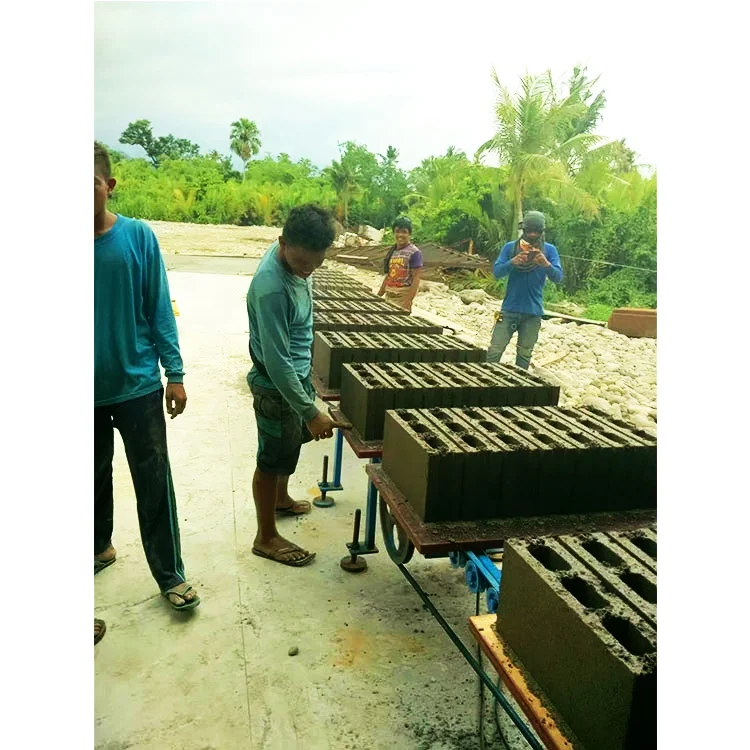
When the PLC cycle timer is set without accounting for how long the stacker takes to lift and index a finished pallet, the press finishes its next cycle before the stacker clears the transfer point. Pallets pile up at the stacker infeed, the line faults, and the operator switches to manual stacking just to keep production moving — which is the exact labour cost the automation was supposed to remove. I have seen this on QT8-15 installations where the commissioning checklist never included stacker cycle verification [NEED_CITE: automation line integration failure modes in block plants].
Why Sourcing the Press and Controls Together Matters
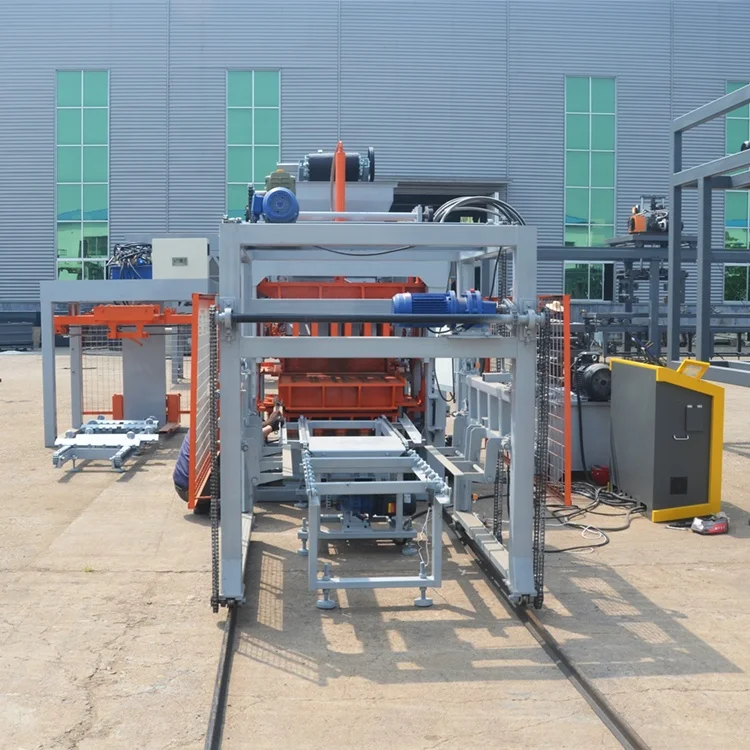
The automatic QT8-15 block machine is configured as a single matched system — press, mould, pallet, and PLC logic come from one engineering source rather than being stitched together from separate vendors. The PLC program is written around the hydraulic valve response times and vibration motor start-up curves of this specific machine, not a generic template. Configuration is set against your actual mix design and local aggregate, not a catalogue default. Pallet size is chosen with your existing curing area and forklift in mind. Installation support includes operator training on the PLC interface and remote diagnostics capability so that timing adjustments can be reviewed without a site visit.
Documentation & Verification
- Factory test record run on your target block format before dispatch
- PLC program backup with labelled recipe list for each mould
- Electrical schematic matching the voltage and frequency you confirmed
- Pallet specification sheet with rack and forklift compatibility notes
- Hydraulic circuit diagram with valve part numbers and pressure settings
- Operation manual in the HMI display language you selected
Installation, Commissioning & Support
- Foundation pad sized to the 8300 × 1860 mm footprint with vibration isolation trenches
- Dedicated power feed rated for the 55.5 kW total load at your confirmed voltage
- Machine shipped in dismantled modules and reassembled on site under engineer supervision
- PLC timer and vibration ramp tuned per mould during commissioning runs
- Operator training covers HMI navigation, recipe selection, and fault acknowledgment
- Wear parts list and mould spare drawings supplied at order confirmation
What to Share Before Requesting a Quotation
To size the automatic QT8-15 block machine correctly, provide your target block formats with dimensions, the daily pallet output you need, and the raw materials available locally — including aggregate grading and cement type. State your site voltage, frequency, and preferred PLC display language so the control panel can be built to match. If you already operate curing racks or a specific forklift model, share the pallet dimensions those assets accept so the 950 × 900 mm pallet can be verified or adjusted.
Frequently Asked Questions
Q: How is cycle time verified per block format, and what output can I expect?
A: The PLC stores individual recipes for each mould, and the factory test runs your specific format to record actual cycle duration including fill, vibration, press, and demolding. Daily output is calculated from that verified cycle, stated per block format, not as a single headline number.
Q: What PLC language options and voltage configurations are confirmed before shipment?
A: The HMI display language and all electrical components are set to your confirmed voltage and frequency before production begins. You approve the language and electrical specification at the order stage so no re-wiring or re-labelling is needed on arrival.
Q: How does automation level affect labour, and can I upgrade from semi-automatic later?
A: The automatic QT8-15 block machine replaces manual pallet handling and stacking with PLC-sequenced stations, reducing the operator count on the press side. The control architecture allows pallet feed and stacking modules to be added or activated as your production volume grows.
Q: How are vibration force and hydraulic pressure matched to my local aggregate?
A: During configuration, your aggregate grading and mix proportions are reviewed so the vibration frequency band and hydraulic pressure staging are set to compact that specific material. The factory test uses a sample of your mix or a close equivalent to verify block density before the machine ships.
Q: What remote diagnostics and batch consistency controls does the PLC provide?
A: The PLC logs cycle parameters for every pallet, allowing you to review vibration duration, hydraulic pressure peaks, and cycle times across a shift. Remote access lets our technicians review logs and adjust timing recipes without travelling to your site, keeping batch consistency tight.