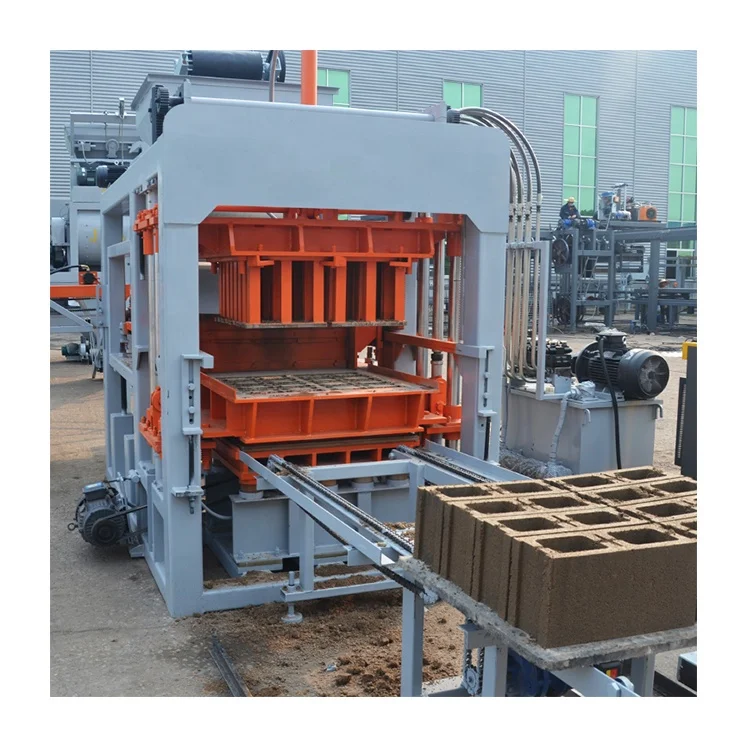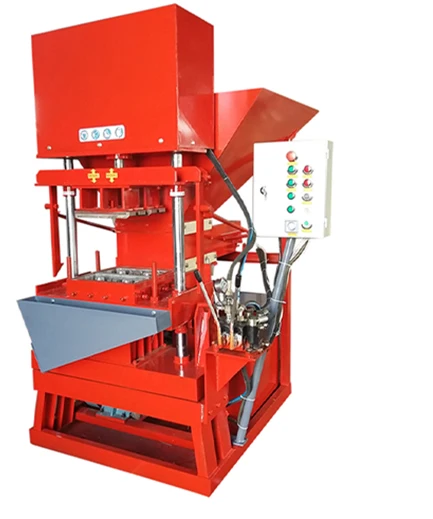
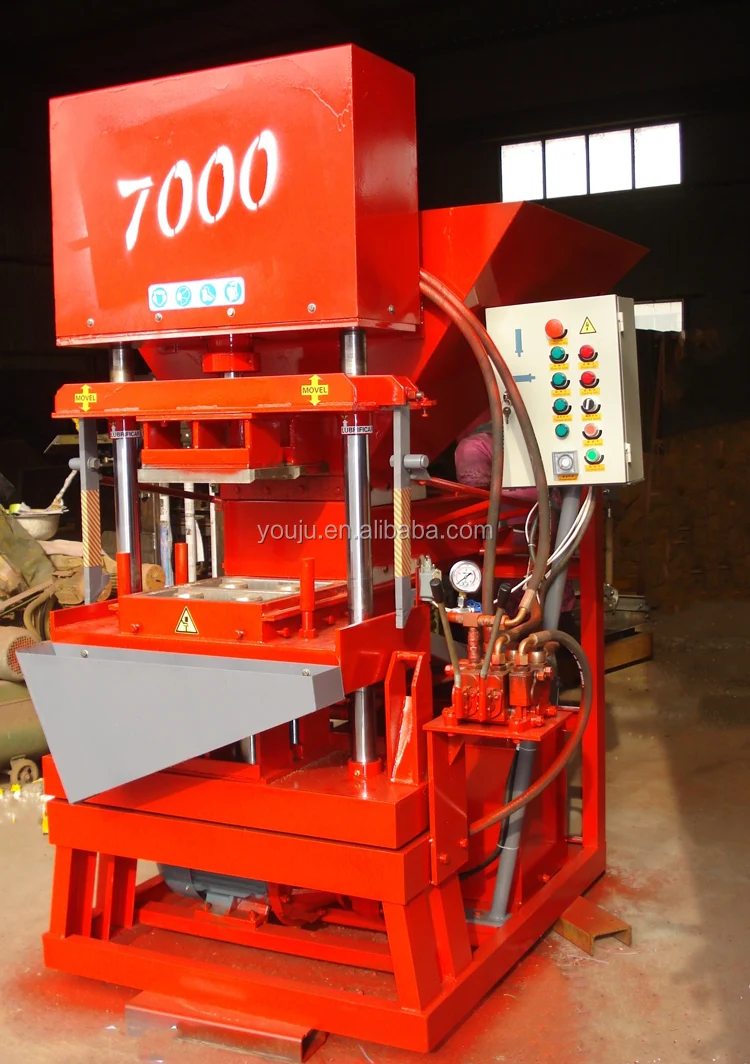
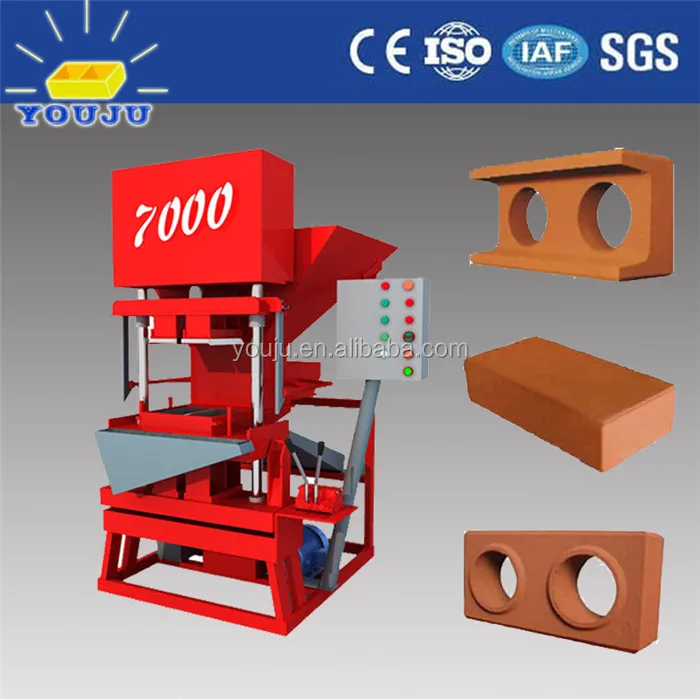

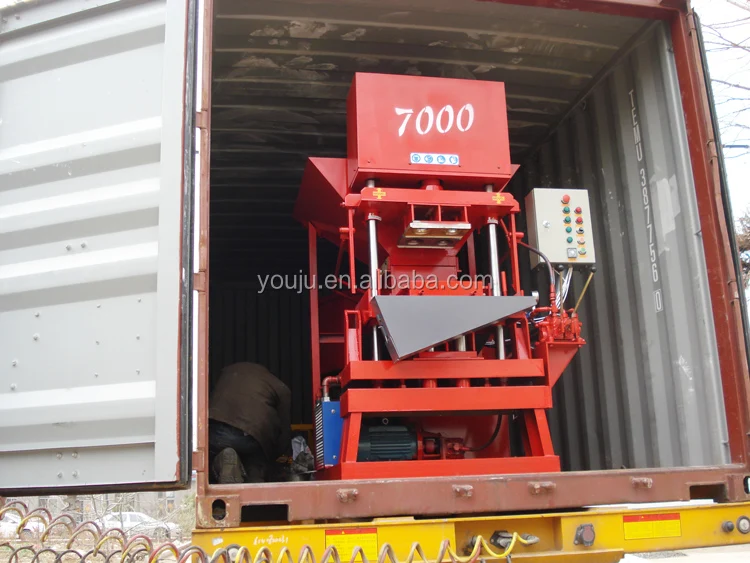
Description
Electrical System Alignment — confirming voltage, frequency and PLC language before dispatch prevents commissioning delays that we frequently encounter on Middle East job sites.
Technical Specifications
| Parameter | Value |
|---|---|
| Product Type | Automatic Compressed Earth Block Making Machine |
| Power Source | Electric |
| Automation Level | Automatic |
| Brick Type | Compressed Earth, Clay, Ecological Brick |
| Output Capacity | Basis to be confirmed per brick format |
| Cycle Time | Basis to be confirmed per brick format |
| Hydraulic Pressure | Basis to be confirmed |
| Vibration Force | Basis to be confirmed |
| Pallet Size | Basis to be confirmed |
| Mould Format | Compressed earth, clay and ecological brick profiles |
| Control System | PLC-based (language to be confirmed) |
| Voltage & Frequency | Configurable to site supply (to be confirmed before dispatch) |
| Shipping Method | Nude loading or seaworthy wood carton package; LCL or FCL sea shipping |
Application Suitability
| Application | Material or Output |
|---|---|
| Ecological brick production for sustainable housing | Compressed earth and clay blends with local aggregate |
| On-site brick manufacturing for remote construction projects | Site-sourced soil stabilized with cement or lime |
| Plant-based ecological brick lines | Clay, laterite and earth mixes with controlled moisture |
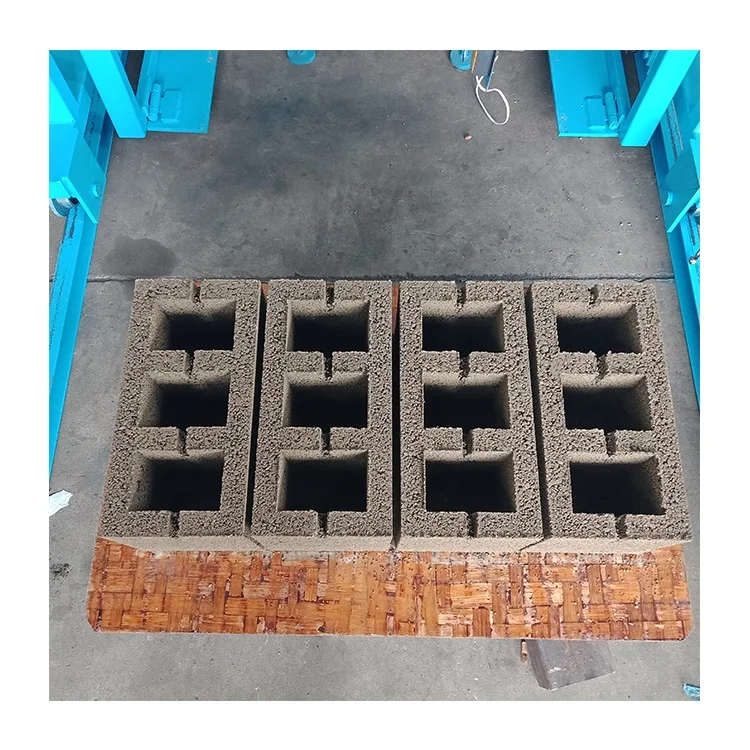
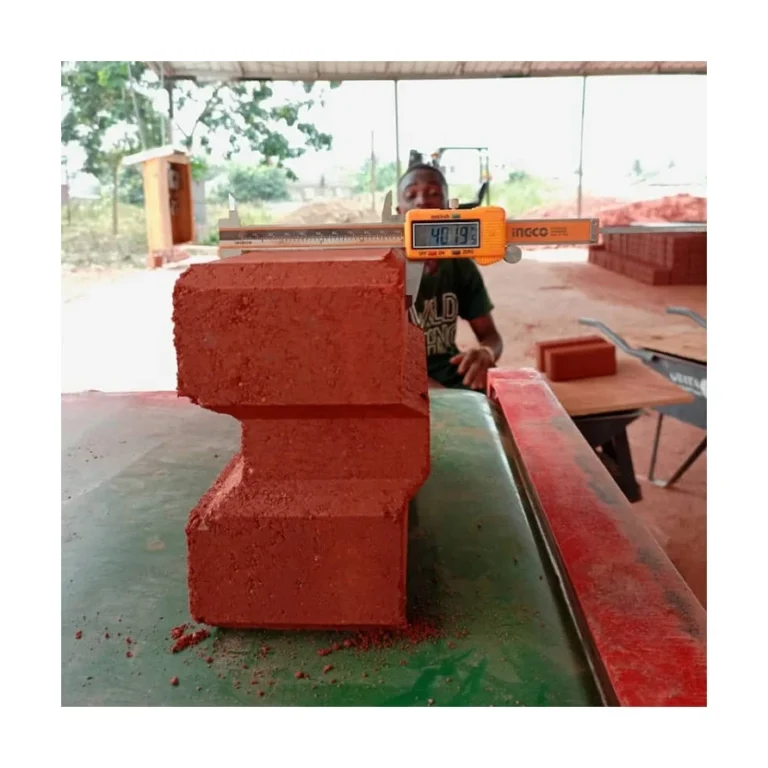
| Adding ecological formats to an existing block range | Interlocking and solid earth brick profiles |
What "Automatic" Actually Controls on an Earth Brick Press
Automation scope must be defined station by station — pressing cycle, pallet feed, stacking — not left as a single label.
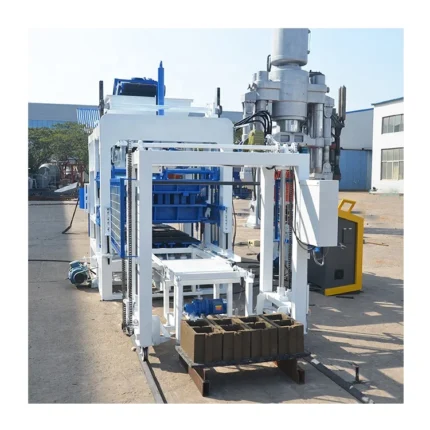
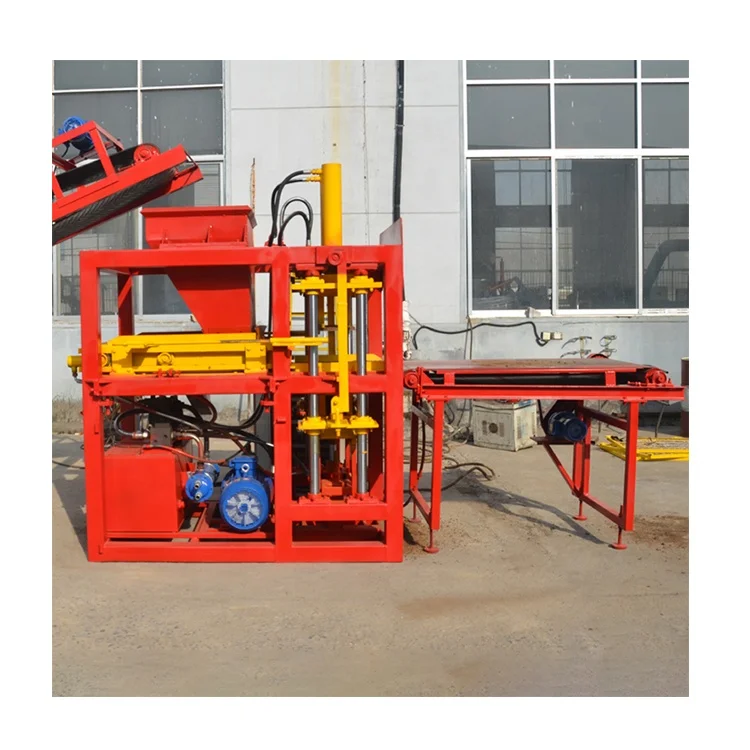
When buyers see the term automatic compressed earth block making machine PLC controlled, they often assume every station from raw material feeding to curing rack handling is included. In practice, automation tiers differ. On some configurations, the PLC manages the press cycle and vibration timing, while pallet handling and stacking remain manual operations. I have stood on sites in Oman where the press ran smoothly, but two workers were still pulling pallets off the line by hand because the stacking module was never specified [NEED_CITE: automation tier definitions in block machinery procurement]. Defining exactly which stations the PLC governs avoids this gap.
How PLC Control Shapes the Pressing Cycle
The PLC on this automatic compressed earth block making machine PLC controlled governs the press sequence: fill, pre-press, main compression, vibration and release. Consistent timing across these stages is what gives batch-to-batch density uniformity. When an operator manually controls dwell time, slight variations in soil moisture or clay content shift block weight from pallet to pallet. The PLC removes that variable by holding each stage to the same duration regardless of operator fatigue or shift changes.
Voltage, Frequency and Display Language — Before Shipment, Not After
Commissioning stalls when a machine wired for 380V/50Hz arrives at a site running 440V/60Hz, or when the PLC display is in a language the local crew cannot read. I have spent days on-site in Saudi Arabia waiting for a step-down transformer and reprogramming a control panel because these details were not locked down before the machine left the factory [NEED_CITE: voltage and frequency standards by export market]. Confirming supply voltage, frequency and the operator’s preferred PLC display language during the order stage removes the most common first-week delays.
Reading the Specs That Matter for Earth Brick Pressing
Hydraulic pressure and vibration force work together during compaction. Pressure alone compresses the earth mix, but without matched vibration, air pockets remain trapped in the clay body, producing blocks that crack during curing. Pallet size determines how many bricks press per cycle and must match the curing rack spacing the buyer already has on site — ordering a pallet dimension that does not fit existing racks forces a re-layout of the entire curing area. The mould change system affects how quickly the line switches between interlocking and solid earth brick formats; a slow change negates the format flexibility the buyer is paying for.
The Hidden Cost of Unconfirmed Automation Scope
A buyer who assumes full-line automation but receives only press-cycle control ends up hiring extra labour for pallet handling and stacking — the exact cost the automatic compressed earth block making machine PLC controlled was supposed to eliminate. The mismatch typically surfaces during the first production week, when expected headcount and actual headcount diverge. Resolving it after installation means retrofitting conveyors and stackers onto a line that was not laid out for them [NEED_CITE: post-installation automation retrofit challenges in block plants].
Why Sourcing Here Reduces Specification Risk
Block machinery is the single focus, which means the press, mould, pallet and handling equipment are specified as one matched system rather than assembled from separate suppliers. Configuration starts from the buyer’s actual earth mix and local aggregate, not a catalogue default. Moulds are designed for the formats the buyer’s market actually sells, with custom drawings available. The automation level is selectable, allowing a plant to begin with semi-automatic operation and add stacking or cubing modules as volume grows. Factory testing runs the buyer’s target brick format before dispatch, so capacity figures reflect the actual product, not a generic hollow block proxy.
Documentation & Verification
- Line layout showing each station the PLC controls versus manual stations
- Capacity calculation stating the specific earth brick format assumed
- Mould drawing and format list matching buyer’s local market dimensions
- Voltage, frequency and PLC display language confirmation sheet
- Factory test record on buyer’s earth mix and brick format before dispatch
- Hydraulic and electrical schematic for site maintenance reference
Installation, Commissioning & Support
- Foundation plan sized to the machine’s vibration load and footprint
- Dedicated electrical circuit matching confirmed voltage and frequency supply
- PLC display language set to operator preference before commissioning begins
- First-run parameter tuning against buyer’s local earth mix and moisture content
- Operator training covering PLC menu navigation, mould change and daily checks
- Wear parts list covering hydraulic seals, vibration springs and mould liners
What We Need to Size This Correctly
To configure the automatic compressed earth block making machine PLC controlled for your line, share the earth or clay mix you intend to press, the brick formats your market requires and your target daily output per format. Provide site supply voltage, frequency and preferred PLC display language. If you plan to integrate this press into an existing curing and stacking layout, include your current pallet dimensions and rack spacing so the configuration aligns from day one.
Frequently Asked Questions
Q: How is output capacity verified and what brick format does it assume?
A: Capacity is calculated per specific brick format, not as a generic cycles-per-hour figure. The proposal states the mould profile, cycle time and daily output for each format the buyer intends to produce. Factory testing on the buyer’s actual earth mix confirms these numbers before the machine ships.
Q: What PLC control language options are available and how is the display configured?
A: The PLC display language is confirmed during the order stage to match the operator’s preference. Common options include English, Arabic, Spanish and French. The selected language is loaded and verified before dispatch to avoid reprogramming on site.
Q: What automation functions are included and what remains manual at this tier?
A: The PLC governs the press cycle including fill, compression, vibration and release. Pallet feeding, stacking and curing rack handling may remain manual depending on the configuration chosen. Each station’s automation status is listed clearly in the proposal so there are no assumptions.
Q: How does the upgrade path work from semi-automatic to fully automatic stacking?
A: Additional modules such as automatic pallet feeders, stackers and cubing systems can be added after initial installation. The machine frame and PLC are specified with upgrade headroom so these modules integrate without replacing the press or rewiring the control panel.