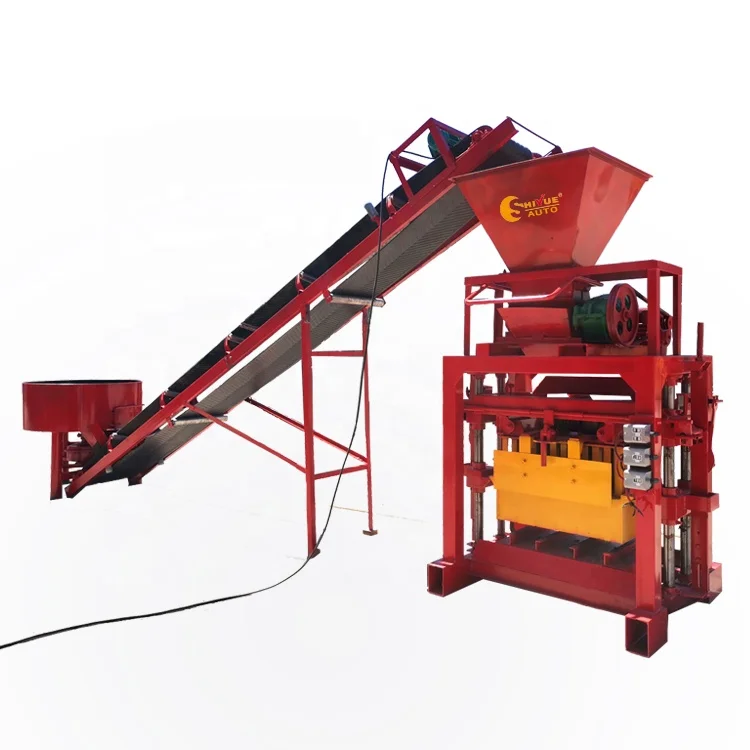

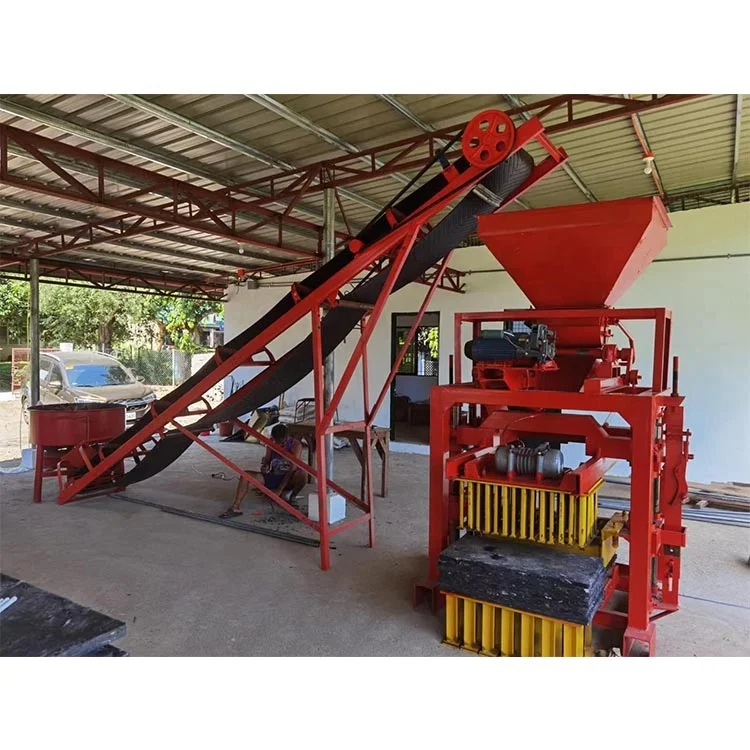


Description
Matched Control Systems — We configure the QTJ4-35 semi-automatic block machine’s PLC logic, vibration frequency, and pallet handling sequence as one integrated system rather than independent add-ons, so automation upgrades never create bottlenecks elsewhere in the line.
Technical Specifications
| Parameter | Value |
|---|---|
| Model | QTJ4-35 |
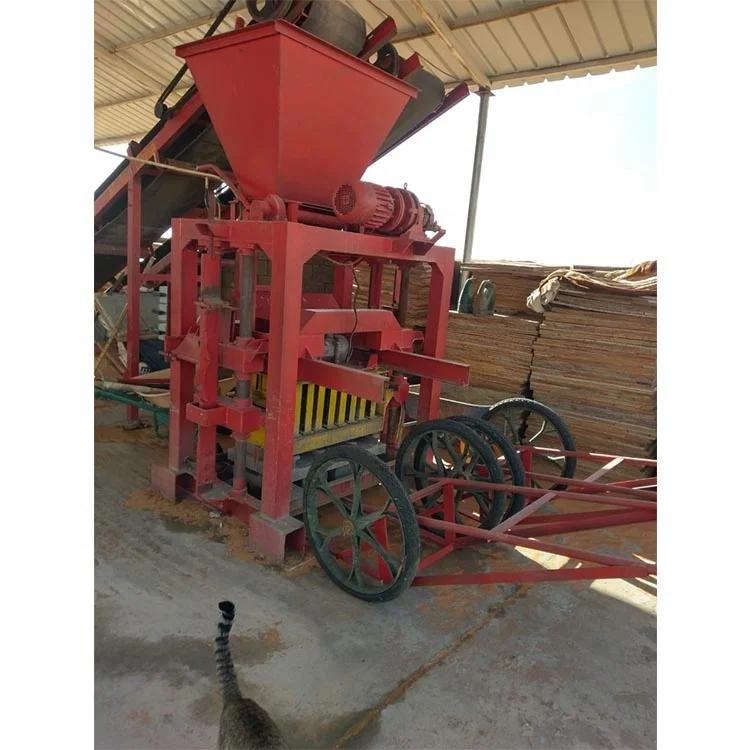
| Product Type | Small Semi-Automatic Concrete Block Making Machine |
| Overall Dimensions (L×W×H) | 1350×1460×1800 mm |
| Molding Cycle | 35 s |
| Vibration Frequency | 2800 r/min |
| Exciting Force | 30 kN |
| Total Power | 11.15 kW |
| Mixer Model | JQ350 |
| Pallet Size | 850×450×20 mm |
| Net Weight | 1500 kg |
| Frame Construction | Four-lead guide, channel steel stand |
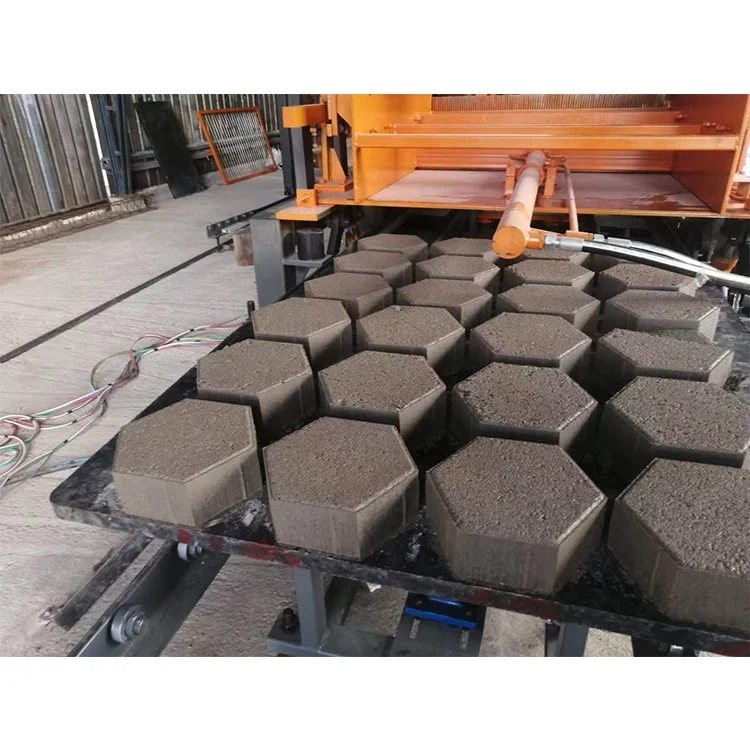
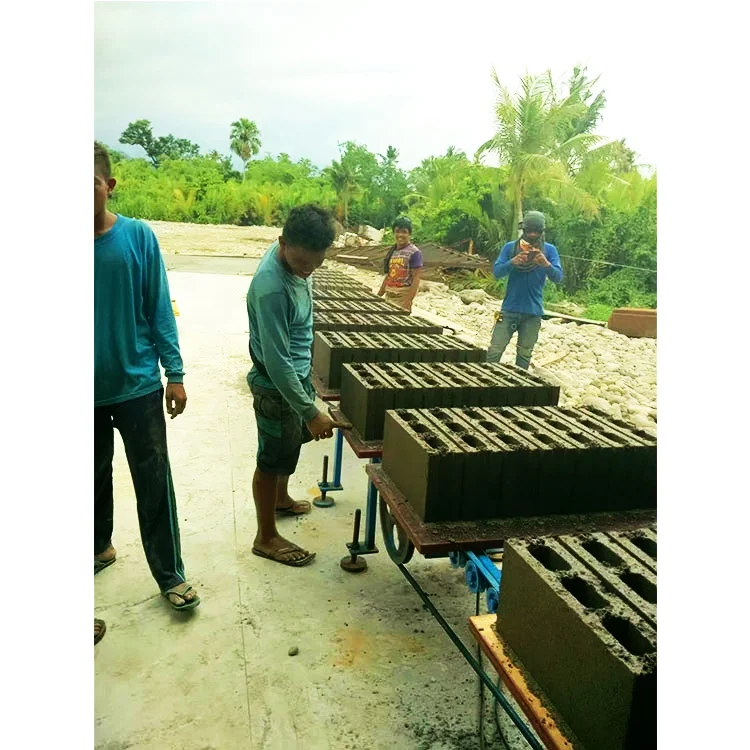
| Applied Products | Concrete hollow blocks (8 inch, 6 inch), solid bricks |
| Raw Materials | Crushed stone, sand, cement, dust, fly ash |
| Output Capacity | 408 pcs/h based on 400×200×200 mm hollow block (basis not stated in source for other formats) |
| Control System | PLC controlled small block machine configuration (basis to be confirmed) |
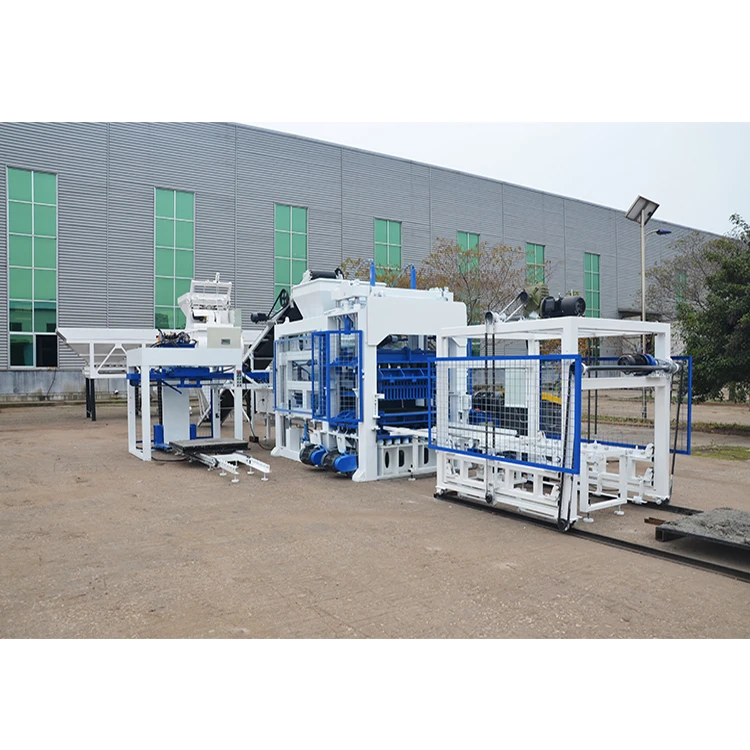
| Automation Level | Semi-automatic (manual pallet handling implied) |
| Voltage & Frequency | Configurable per buyer site requirements (basis to be confirmed) |
| Standards | CE declaration where applicable |
Application Suitability
| Application | Material or Output |
|---|---|
| Small-scale hollow block production | 8 inch and 6 inch concrete hollow blocks from crushed stone, sand, and cement |
| Solid brick manufacturing | Standard 240×115×53 mm solid bricks using fly ash or stone dust mixes |
| On-site construction block making | Local aggregate and cement mixes for project-specific hollow and solid formats |
| Entrepreneur first plant setup | Semi-automatic production with selectable automation upgrades for scaling |
What "Semi-Automatic" Actually Means for Your Daily Output
The QTJ4-35 automatic QTJ4-35 block machine designation refers to vibration and compression automation, not pallet handling — clarifying this upfront prevents staffing surprises on day one.
Many buyers see "semi-automatic" in a brochure and assume the machine handles pallet feeding, block stacking, and curing rack transfer. In reality, the QTJ4-35 ships with manual pallet handling as the base configuration, meaning your operators load empty pallets and remove filled ones by hand. The vibration cycle and mould compression run automatically, but the material flow before and after the press depends on your crew. [NEED_CITE: automation level definitions in block machinery trade]
This matters because a plant owner upgrading from fully manual egg-laying production will notice immediate consistency gains in block density and cycle timing. But if you expected the automatic QTJ4-35 block machine to eliminate manual labor entirely, you will find yourself hiring more operators than planned. The upgrade path to automatic pallet feeding and stacking exists, but it must be specified before production begins.
Control Logic That Operators Can Actually Read
The PLC controlled small block machine interface determines whether your crew masters the machine in a week or struggles for months. We confirm the display language in writing before the control cabinet is wired, not after it arrives at your site. A Spanish-speaking operator staring at an English-only fault code on day one means your commissioning timeline just doubled while we remote-flash a language pack.
The QTJ4-35 control system stores mould-specific cycle parameters so format changes do not require manual timer adjustment each shift. When you switch from 8 inch hollow blocks to solid bricks, the operator selects the product recipe and the PLC adjusts vibration duration and compression sequence automatically.
Where the Automation Boundary Sits
Semi-automatic operation means the press cycle runs without operator intervention once initiated, but pallet movement remains manual. This configuration suits plants where labor costs are manageable and production volume does not justify full automatic stacking investment yet. [NEED_CITE: block plant automation ROI thresholds by market]
The four-lead guide system maintains press alignment across thousands of cycles, which is critical when manual pallet loading introduces slight positional variation. The channel steel frame absorbs vibration without transferring it to the operator station, reducing fatigue during extended manual handling shifts.
Vibration Force and Frame Stability: Why 30 kN Matters
The 30 kN exciting force at 2800 r/min determines how densely the concrete mix compacts inside the mould cavity. Higher vibration frequency alone does not guarantee stronger blocks — the force must penetrate the full mould depth, especially for 8 inch hollow blocks where the core cavity reduces material contact area. The QTJ4-35 pairs this vibration rating with upper and lower mould compression to lock density from top to bottom.
The 1350×1460×1800 mm frame footprint provides a stable base for the four-lead guide system. When the vibration motor spins at 2800 r/min, the channel steel stand prevents resonance from shifting the press alignment mid-cycle. Misalignment causes uneven block faces and premature mould wear, problems that compound over thousands of cycles.
The 850×450×20 mm pallet size determines how many blocks form per cycle and whether they fit your existing curing racks. Ordering a machine without confirming pallet compatibility with your forklift and curing area means blocks stack by hand on the floor until you source the right equipment.
The Hidden Cost of Unconfirmed Control Language
When the PLC display language defaults to something your operators cannot read, the automatic QTJ4-35 block machine becomes a manual machine with expensive electronics. Fault codes go unread, cycle parameters get reset to factory defaults by confused operators, and the consistency gains you paid for disappear within the first week. [NEED_CITE: PLC interface language requirements by export destination]
Voltage and frequency mismatches create a different problem. The QTJ4-35 total power is 11.15 kW, which requires dedicated circuit capacity. Arriving at a site with 220V/60Hz power when the machine was built for 380V/50Hz means the vibration motor runs at the wrong speed, the PLC power supply fails, and commissioning halts until a transformer arrives.
Why Buyers Source the QTJ4-35 Here
The QTJ4-35 ships as a matched system where the 30 kN vibration force, 35-second molding cycle, and 850×450 mm pallet size are specified together rather than assembled from separate supplier catalogues. This prevents the situation where the press can handle formats the pallet system cannot support.
Control language confirmation happens before the cabinet is wired, based on our experience with a Spanish site where default English displays stalled commissioning by days. The automatic QTJ4-35 block machine arrives ready for your crew, not requiring remote troubleshooting on day one.
The semi-automatic base configuration allows buyers to start with manual pallet handling and upgrade to automatic feeding and stacking as production scales. The PLC controlled small block machine architecture supports this upgrade path without replacing the press or control cabinet.
Mould compatibility across 8 inch hollow blocks, 6 inch hollow blocks, and solid bricks on the common pallet format means format changes require only a mould swap, not a pallet inventory change.
Documentation & Verification
- Capacity calculation document stating output figures assume 400×200×200 mm hollow block format
- Machine specification sheet with vibration force matched to your local aggregate and mix design
- PLC display language and voltage confirmation signed before production begins
- Mould drawing and format list showing 8 inch, 6 inch hollow block and solid brick compatibility
- Wear parts list for first replacement planning based on your production volume
- Factory test record on your specified block format before dispatch
Installation, Commissioning & Support
- Foundation must support 1500 kg net weight plus vibration load across the 1350×1460 mm footprint
- Dedicated circuit required for 11.15 kW total power draw with voltage matching confirmed pre-shipment
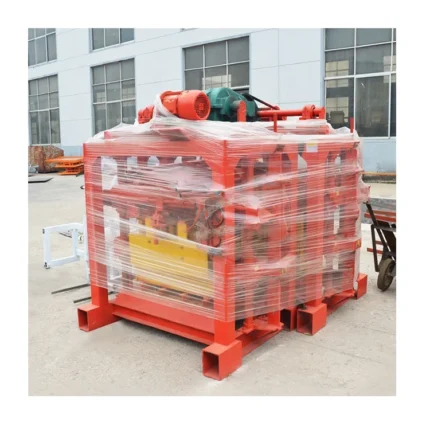
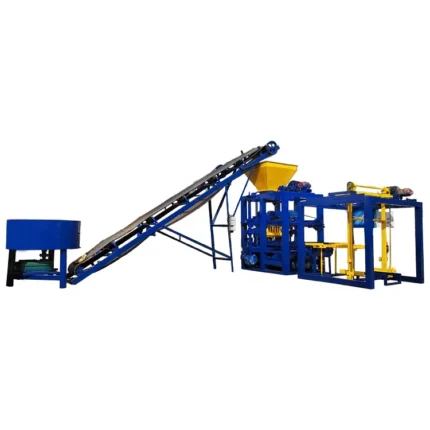
- Machine arrives as single unit with JQ350 mixer, requiring pallet system setup on site
- First-day commissioning includes PLC parameter verification for your 35-second molding cycle
- Operator training covers mould change procedure for 8 inch, 6 inch, and solid brick formats
- Pallet handling workflow established based on your curing area and forklift capacity
What We Need to Configure Your Line
To specify the QTJ4-35 correctly, we need your target block format, daily output requirement, and local raw material availability. The PLC controlled small block machine voltage, frequency, and display language must match your site before we build the control cabinet. Tell us whether you plan to start with manual pallet handling or need automatic feeding and stacking from day one.
Frequently Asked Questions
Q: Does the 35-second molding cycle apply equally to 8 inch hollow blocks and solid bricks?
A: The 35-second cycle is the base timing, but actual cycle duration may vary by format and mix design. Solid bricks typically compact faster than 8 inch hollow blocks due to smaller cavity volume. We verify cycle timing against your target format during factory testing and adjust PLC parameters before shipment, so the automatic QTJ4-35 block machine runs at realistic capacity from day one.
Q: What automation level does the QTJ4-35 ship with, and can I add automatic pallet feeding later?
A: The QTJ4-35 ships as a semi-automatic machine with manual pallet handling and PLC-controlled press cycles. Automatic pallet feeding and stacking can be added as upgrades, but the control system and mechanical interfaces must be specified before production. We confirm your automation roadmap during inquiry so the automatic QTJ4-35 block machine architecture supports future expansion without cabinet replacement.
Q: How do you match vibration force to my local aggregate before building the machine?
A: We request your mix design and aggregate sample data during inquiry, then adjust the 30 kN vibration force and compression settings accordingly. Different crushed stone hardness and sand gradation affect how densely concrete compacts in the mould. The PLC controlled small block machine stores these parameters as product recipes, ensuring consistent block density across production batches.
Q: What PLC language options are available, and do you support remote diagnostics?
A: We confirm the PLC display language in writing before wiring the control cabinet, based on your operator team’s requirements. Remote diagnostics capability depends on the control system tier selected. After our experience with a Spanish site where default English stalled commissioning, language confirmation is now standard procedure for every automatic QTJ4-35 block machine shipment.
Q: How do I confirm the 850×450 mm pallet fits my existing curing area and forklift?
A: Send us your curing rack dimensions, forklift capacity, and pallet material preference during inquiry. The QTJ4-35 pallet size is fixed at 850×450×20 mm, so your curing infrastructure must accommodate this format. We provide pallet specification and handling workflow documentation before shipment so you can prepare the curing area and material flow layout.