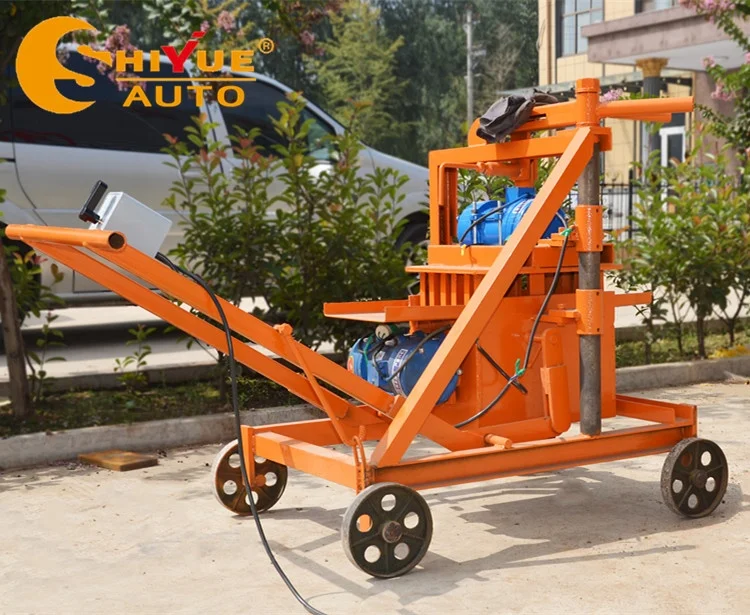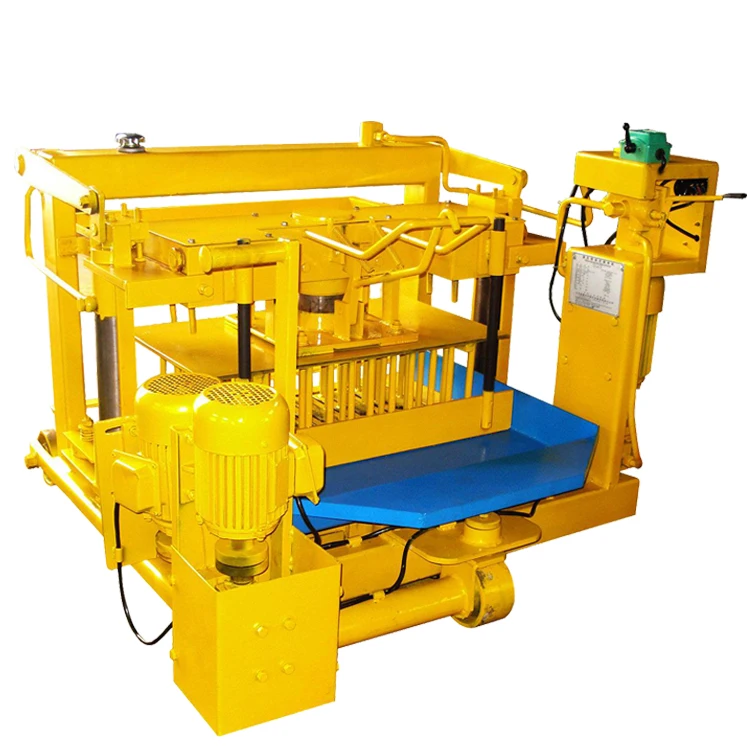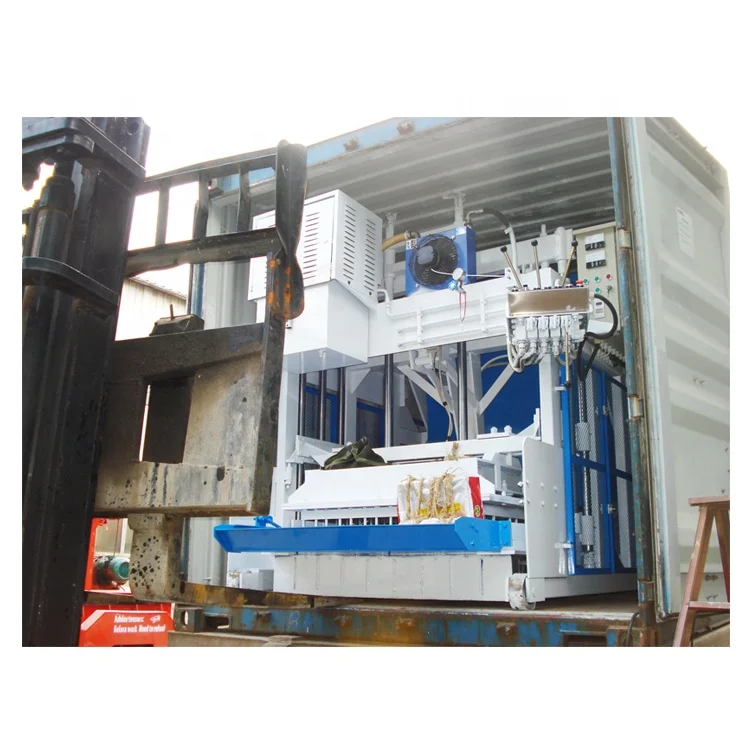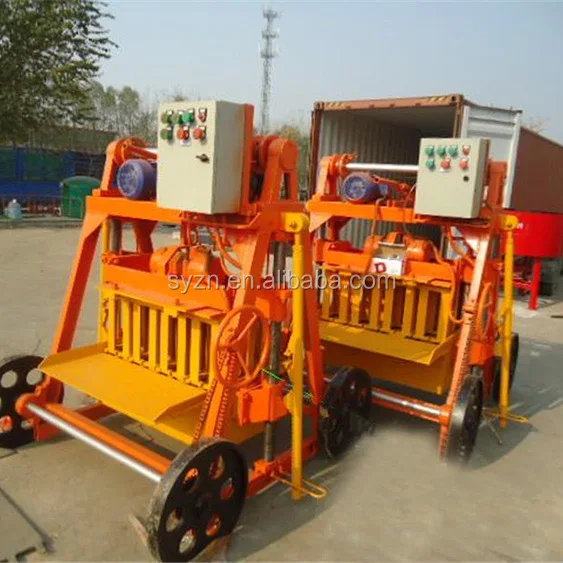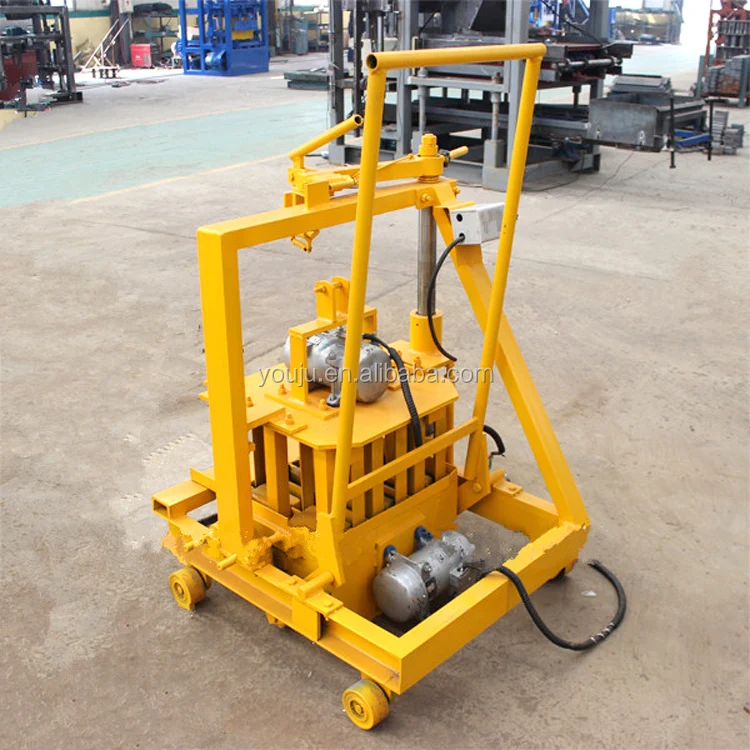
Description
Matched System Design — Machine, mould, and handling specified together against the buyer’s mix design and target block format rather than assembled from separate suppliers, ensuring the QMJ2-45 mobile egg-laying block machine arrives ready to produce.
Technical Specifications
| Parameter | Value |
|---|---|
| Model | QMJ2-45 |
| Product Type | Mobile Egg-Laying Block Making Machine |
| Machine Operation | Manual egg-laying (no pallets required) |
| Mould Change | Manual interchangeable moulds |
| Mould Format: 400×200×200 mm hollow brick | 2 pcs/mould, 25-30s cycle, 160 pcs/h, 1280 pcs/8hr |
| Mould Format: 400×150×200 mm hollow brick | 3 pcs/mould, 25-30s cycle, 240 pcs/h, 1920 pcs/8hr |
| Mould Format: 400×100×200 mm hollow brick | 4 pcs/mould, 25-30s cycle, 320 pcs/h, 2560 pcs/8hr |
| Cycle Time | 25-30 seconds |
| Power Source | Electric motor (rating to be confirmed) |
| Voltage & Frequency | Configurable (confirm before order) |
| Control System | Manual operation |
| Pallet Requirement | None |
| Labour Requirement | 1 to 3 workers |
| Standards | ISO 9001:2000, CE |
Application Suitability
| Application | Material or Output |
|---|---|
| Small-scale on-site hollow brick production | Cement, sand, crushed stone, and water mix |
| Construction contractor direct site production | Hollow bricks laid on prepared ground at housing project sites |
| First-time block plant entrepreneurs | Low-capital startup producing 400×200×200 mm hollow bricks |
| Distributors adding formats to range | Interchangeable moulds for 400×150×200 mm and 400×100×200 mm formats |
Why the Voltage Question Must Come Before the Invoice
An egg-laying machine sitting silent in a yard because the motor burns out on first start is a loss no contractor can absorb.
I have stood on sites in West Africa where the QMJ2-45 mobile block machine arrived with a 380V/50Hz motor, only to find the local grid runs 220V/60Hz. The machine was bolted down, the concrete mix was ready, and the crew was hired. Nobody had asked the voltage question during the order. The contractor then spent weeks sourcing a replacement motor locally, paying a premium, and losing production time that was already sold to a housing project. This kind of failure is entirely preventable if electrical confirmation happens at the quotation stage, not after the container is unpacked [NEED_CITE: voltage and frequency standards by export market].
Removing Pallet Logistics from the Production Chain
The defining feature of this mobile egg-laying block making machine is that it eliminates pallets from the operation entirely. Blocks are formed and laid directly on a prepared ground surface, which means there is no pallet purchase, no pallet return loop, and no pallet storage area consuming yard space. For a first-time producer or a contractor working on a building site with no existing curing infrastructure, this single design choice removes an entire layer of material handling that stationary lines require. The operator walks the machine forward after each cycle, leaving a row of freshly pressed blocks to cure in place.
How Automation Level Affects the Operator’s Day
A manual mobile egg-laying block machine places the cycle entirely in the operator’s hands. There is no PLC governing feed timing or vibration duration. The worker controls the mix feed, triggers the vibration, and moves the machine after demoulding. This means labour skill directly influences block consistency, and the 1 to 3 workers required must be trained on mix proportioning and cycle rhythm. The trade-off is clear: lower capital outlay and mechanical simplicity versus the need for disciplined operators who maintain cycle consistency across an eight-hour shift [NEED_CITE: manual block production consistency factors].
Reading the Capacity Figures Against the Block Format
The cycle time of 25-30 seconds applies across all three listed hollow brick formats, but the output per hour varies because the mould cavity count changes. A 400×200×200 mm mould produces 2 blocks per cycle, yielding 160 pieces per hour. The 400×100×200 mm mould produces 4 blocks per cycle at the same cycle speed, yielding 320 pieces per hour. Buyers who compare machines by hourly output alone without checking which block format that figure assumes will arrive at incorrect daily projections. The realistic eight-hour output for the 200 mm thick format is 1280 blocks, and for the 100 mm thick format it is 2560 blocks, assuming uninterrupted operation.
What Happens When Mould Flexibility Is Not Verified Before Purchase
A mobile machine sold with a single mould format means the contractor can only produce one block size on site. If the project specification changes or a second housing phase requires a different wall thickness, the contractor must either source a compatible mould after the fact or bring in blocks from an external supplier. I have seen projects stall because the mould format on arrival did not match the architect’s drawing revision that came in after the machine was ordered. Confirming the included mould formats and the availability of additional cavity plates before shipment prevents this gap [NEED_CITE: mould interchangeability standards for mobile block machines].
Why the Line Is Specified as One System
Block machinery is the single focus here, so the QMJ2-45 machine, its interchangeable moulds, and the supporting handling requirements are specified as one matched set. The configuration is evaluated against the buyer’s actual mix design and local aggregate availability rather than defaulting to a catalogue assumption. Mould design covers the hollow brick formats that the buyer’s local market demands, with custom drawings available when standard formats do not match regional building codes. The manual operation level means a buyer can start with this mobile unit and move to a semi-automatic or fully automatic stationary line later without replacing the knowledge base their operators have already built. Installation and commissioning support includes operator training on cycle rhythm, mix proportioning, and mould change procedure.
Documentation & Verification
- Machine specification sheet stating capacity per block format with cycle time basis
- Mould drawing and format list confirming included hollow brick dimensions
- Voltage, frequency, and motor rating confirmation signed before production
- Factory test record on buyer’s specified block format before dispatch
- Operation and maintenance manual covering manual cycle procedure
- Wear parts list for vibration components and mould surfaces
Installation, Commissioning & Support
- Ground surface must be level and compacted to support the manual egg-laying machine weight during movement
- Electrical supply must match the confirmed voltage and frequency rating for the installed motor
- Machine arrives assembled; mould installation and initial cycle testing completed on site
- Operator training covers mix proportioning, cycle timing, and manual mould change procedure
- Wear parts supply covers vibration mechanism components and mould cavity plates
- Daily maintenance focuses on mould surface cleaning and vibration mechanism inspection
Requesting a Configuration Proposal
Provide the hollow brick formats your local market requires, the daily output target per format, and the raw materials available at your site including aggregate type and cement grade. Include the local voltage and frequency so the motor can be matched before production begins. If you have an existing curing area or site layout constraints, share those dimensions so the pallet-free egg-laying workflow can be planned around your space.
Frequently Asked Questions
Q: How do I calculate realistic daily output for my block format?
A: Take the cycle time of 25-30 seconds and the number of cavities in your chosen mould. For the 400×200×200 mm hollow brick, two blocks per cycle at 30 seconds gives roughly 120 cycles per hour and 960 blocks in an eight-hour shift with allowances for mix loading and machine repositioning.
Q: Can I change the block format after the machine is on site?
A: Yes. The mould is manually interchangeable. Swapping from a 200 mm thick hollow brick mould to a 100 mm thick mould involves removing the current mould plate and bolting on the replacement. Mould change time depends on operator familiarity, and training covers this procedure during commissioning.
Q: What ground preparation does an egg-laying machine require?
A: The surface must be level, compacted, and free of debris so the machine moves smoothly and blocks are laid flat. A concrete floor or well-compacted gravel base is typical. The curing space required equals the daily output footprint, since blocks cure in place where they are laid.
Q: How is electrical specification confirmed before shipment?
A: Voltage, frequency, and motor power rating are confirmed in writing during the quotation stage. The motor is then matched to the buyer’s local grid. This step is documented before production begins to prevent commissioning delays caused by electrical mismatch on arrival [NEED_CITE: CE machinery directive requirements for industrial equipment].