Description
Vibration Tuned to Your Mix — Every QTJ4-24 shipped is specified against the buyer’s actual aggregate and target block format rather than a generic factory default.
Technical Specifications
| Parameter | Value |
|---|---|
| Model | QTJ4-24 |
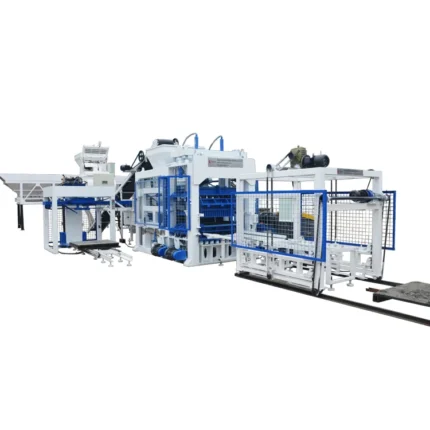
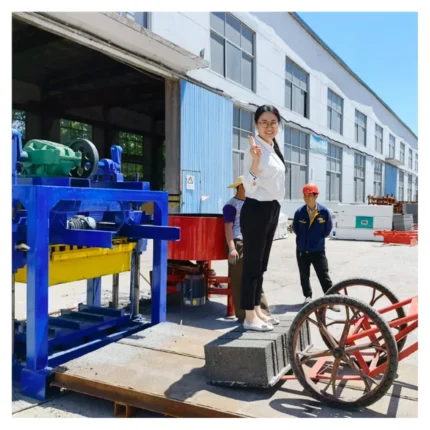
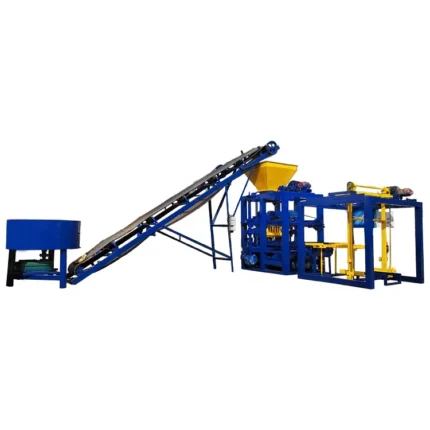
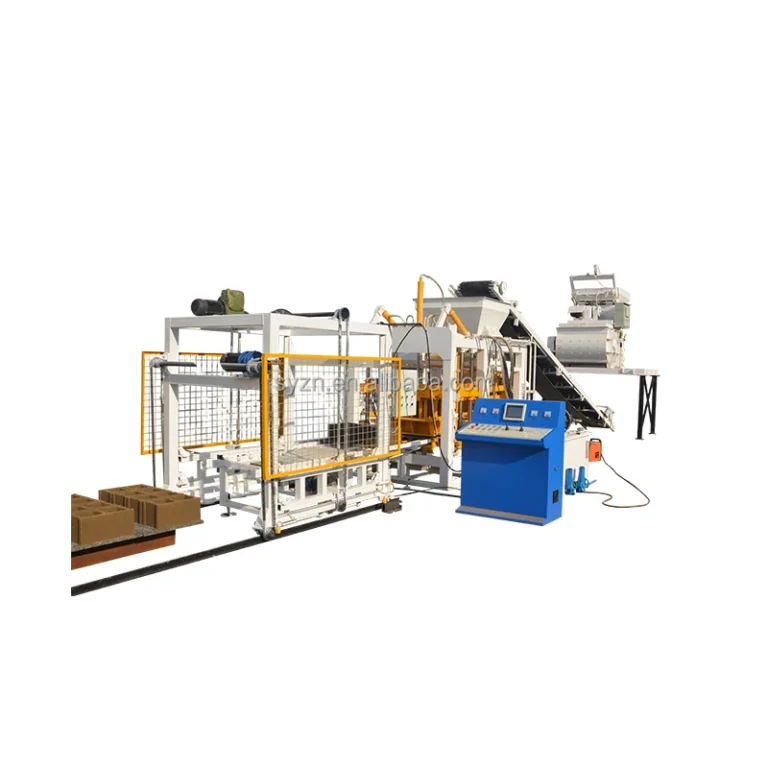
| Product Type | Semi-Automatic Concrete Block Making Machine |
| Machine Type | Stationary table vibration concrete block machine |
| Automation Level | Semi-automatic (mechanical and manual combined operation) |
| Main Machine Power | 11.95 kW |
| Overall Dimensions (L×W×H) | 3600 mm × 1700 mm × 2560 mm |
| Total Mass | 3.5 T |
| Pallet Size | 900 mm × 450 mm |
| Molding Cycle | 24–26 s (basis not stated in source — confirm block format / material / thickness) |
| Vibration Type | Table vibration feeding, fluctuation vibration molding |
| Feeding Method | Manual feeding, two feed ways available |
| Control System | Electrical control cabinet with mechanical interworking |
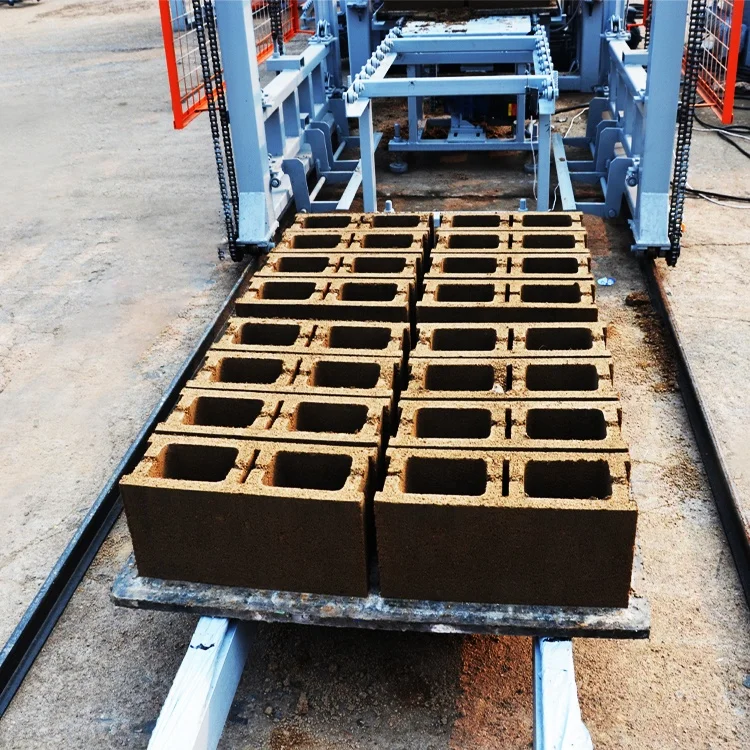
| Pieces per Mould (400×200×200 mm) | 4 pcs/mould |
| Pieces per Mould (390×240×190 mm) | 3 pcs/mould |
| Pieces per Mould (390×120×190 mm) | 6 pcs/mould |
| Pieces per Mould (240×115×53 mm) | 21 pcs/mould |
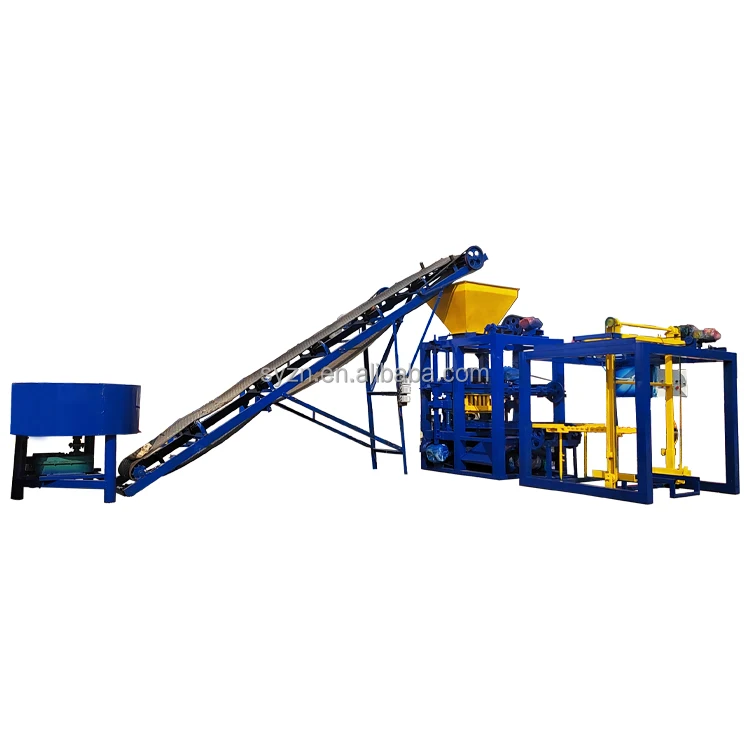
| Recommended Mixer | J350 or JQ350/JQ500 vertical mixer |
| Recommended Conveyor | 6 m or 8 m belt conveyor |
| Assembly State | Requires on-site installation on precast concrete ground |
Application Suitability
| Application | Material or Output |
|---|---|
| Hollow block production | Crushed stone, sand, cement and fly ash blends for load-bearing and partition walls |
| Solid brick production | Dense aggregate mixes for standard construction masonry |
| Multi-cellular brick production | Lightweight aggregate or aerated concrete mixes for infill and insulation blocks |
| Paving brick production | Fine aggregate and cement blends for pedestrian and light-traffic surfaces |
| Small-scale block plants | Workshop-level output for entrepreneurs and first-time plant setups |
| On-site contractor production | Fixed-location block making at project sites with limited space |
Why the Control Panel Language Must Be Confirmed Before Crating
An intelligent control interface is useless if the operator on the floor cannot read the alarm codes.
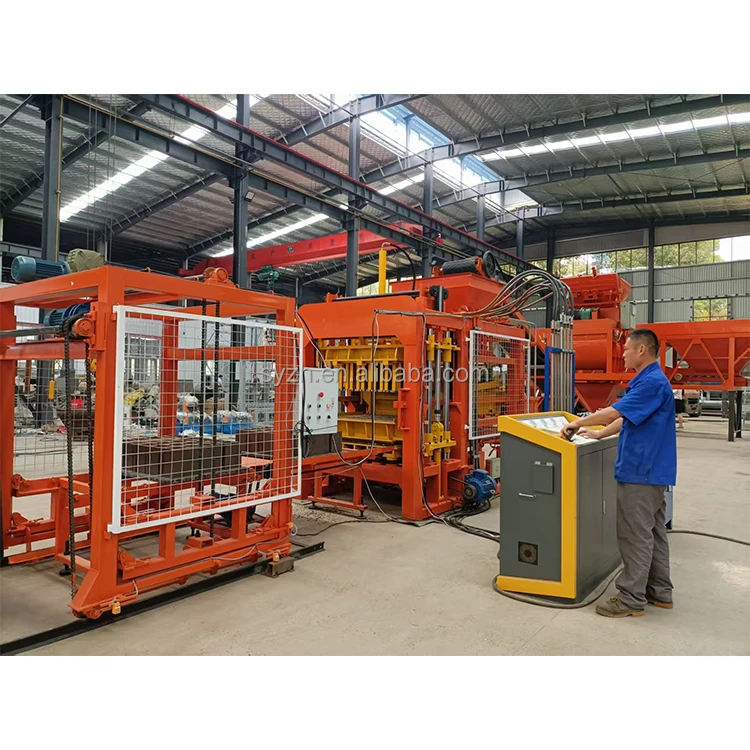
The automatic QTJ4-24 block machine relies on an electrical control cabinet with mechanical interworking to coordinate vibration timing, mould lifting, and feeding sequences. When this cabinet ships with display text or alarm messages in a language the local operators do not read, a simple fault turns into a multi-day shutdown while someone waits for remote translation. I learned this the hard way when a semi-automatic unit arrived in West Africa with an English-only interface and the line sat idle for two days over a fault that required a single parameter adjustment. The cost of that delay exceeded the price of the entire control modification [NEED_CITE: language and voltage confirmation practices in machinery export].
This is why every QTJ4-24 order requires written confirmation of the PLC display language, manual language, voltage, and frequency before the machine enters final assembly. The automation features only remove manual guesswork when the human-machine boundary is built for the people who actually run the line.
The Operator Error Problem That Interlocking Control Solves
On a semi-automatic block machine, the mould lift, vibration sequence, and feeding cycle must follow a precise order. If an operator triggers the upper vibrator before the mould is fully seated, the result is cracked blocks or damaged mould guides. The QTJ4-24 addresses this through mechanical interworking within the electrical control cabinet, which physically prevents out-of-sequence operations. This means the PLC controlled semi-automatic block machine logic enforces the correct cycle regardless of operator fatigue or inexperience.
For plant owners moving from fully manual production, this interlocking layer is the first real step toward batch-to-batch consistency. The control system does not replace the operator — it removes the most common sources of human error that lead to strength variation and mould wear.
What Semi-Automatic Means for Your Daily Workflow
The QTJ4-24 handles the vibration and mould cycling automatically, but pallet feeding and block removal still require manual involvement. This configuration suits plants where labour is available and the investment in fully automatic stacking and cubing is not yet justified. The two available feeding methods allow operators to choose between workflows depending on mix consistency and production rhythm.
The table vibration feeding combined with fluctuation vibration molding ensures that aggregate settles evenly into the mould cavity before full compaction pressure is applied. This two-stage approach reduces voids and produces blocks with more uniform density across each pallet. For buyers evaluating the automatic QTJ4-24 block machine as a starting point, the semi-automatic platform provides a clear path toward higher automation as production volume justifies the next investment tier [NEED_CITE: automation upgrade paths in concrete block production].
Reading the Specs That Actually Shape Your Output
The 900 mm × 450 mm pallet size determines how many blocks are produced per cycle and must align with your existing curing racks and forklift dimensions. Ordering pallets that do not match your curing area means reconfiguring the entire yard layout or handling blocks by hand off standard pallets. The 11.95 kW main machine power is distributed across the vibration motors and the mould lifting mechanism, which means the available vibration force is a function of how that power is split at any given cycle stage.
The molding cycle of 24–26 seconds is a reference value that shifts depending on block format, wall thickness, and mix moisture content. A 400×200×200 mm hollow block with four cavities will compact differently than a 240×115×53 mm solid brick producing 21 pieces per mould. Confirming which format drives the cycle time calculation is essential before comparing daily output figures. The total mass of 3.5 T reflects a machine built for stationary installation on a prepared concrete base, not a portable unit that can be relocated between sites [NEED_CITE: foundation requirements for stationary vibration block machines].
When a Mismatched Configuration Costs More Than the Machine
Sending a block machine configured for a fine-sand mix into a market where only coarse crushed aggregate is available forces the buyer to either source expensive imported sand or produce blocks that fail strength testing. The vibration force and cycle parameters on the QTJ4-24 must be matched to the actual raw materials within reach of the plant. Similarly, quoting a pallet size without checking the buyer’s forklift capacity and curing rack spacing leads to bottlenecks downstream of the press itself.
Voltage and frequency mismatches cause motor overheating or control board failure within the first week of operation. These are not warranty issues — they are specification failures that happen when the confirmation step is skipped to save a few days on the order timeline [NEED_CITE: motor burnout statistics from incorrect voltage supply].
What Separates a Matched System from an Assembled Line
Block machinery is the single focus of this operation, which means the QTJ4-24, its moulds, pallets, and handling equipment are specified as one coordinated system rather than pulled from separate catalogues. The configuration is set against your actual mix design and local aggregate, not a default table from a brochure. Mould design covers the formats your market actually sells, including custom drawings when standard formats do not match local building codes.
The automation level is selectable, so a buyer can start with the QTJ4-24 in semi-automatic mode and plan the upgrade path to automatic stacking without replacing the core press. Installation and commissioning include operator training on the specific control interface that ships with your machine, and mould and wear parts support continues through the operational life of the line.
Documentation & Verification
- Machine specification sheet listing confirmed voltage, frequency, and control language for your order
- Capacity calculation document stating the specific block format and cycle time assumed
- Mould drawing and format list showing cavity count for each block type in your production plan
- Hydraulic and electrical schematic matching the exact control cabinet configuration shipped
- Factory test record performed with settings aligned to your target mix design
- Operation and maintenance manual translated into your confirmed display language
Installation, Commissioning & Support
- The QTJ4-24 requires a level precast concrete foundation to absorb 3.5 T operating mass and vibration loads
- Power supply must match confirmed voltage and frequency with a dedicated circuit for the 11.95 kW main draw
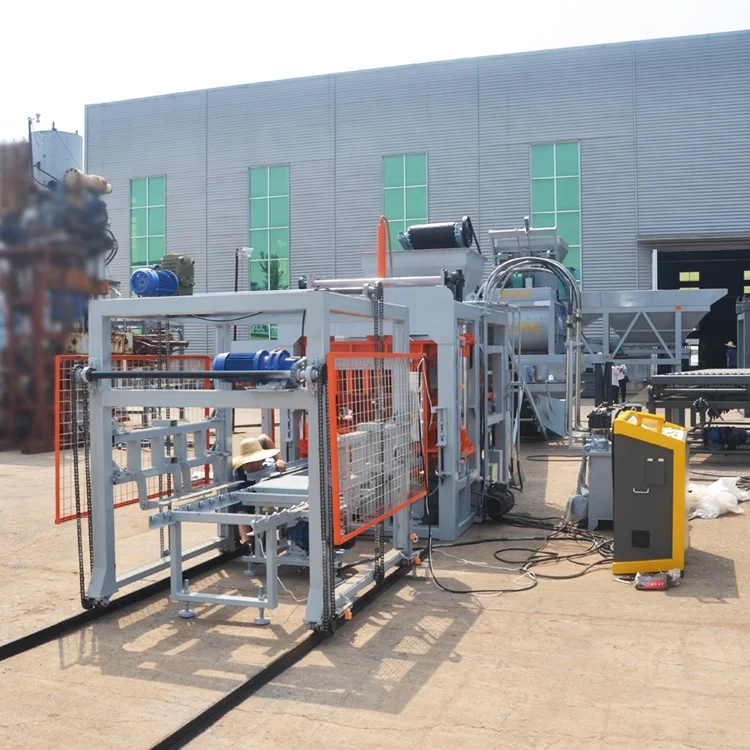
- Machine ships in component form and requires on-site assembly of frame, vibration table, and mould carriage
- First-run commissioning includes vibration timing calibration against your local aggregate and mix proportions
- Operator training covers the electrical interlocking logic and both feeding method options on your specific unit
- Wear parts list and mould inventory provided for first replacement cycle planning
What We Need to Move Your Inquiry Forward
To provide a configuration that matches your production reality, we need the block format you intend to sell, your target daily output, and the raw materials available within economical transport distance of the plant. Share your local voltage and frequency standard, the preferred language for the control display and manual, and whether you have existing pallets, curing racks, or forklifts that the new line must integrate with.
Frequently Asked Questions
Q: How does the block format affect the 24–26 second molding cycle on the QTJ4-24?
A: The reference cycle time assumes a specific block geometry and mix consistency. Larger hollow blocks with thicker walls require longer vibration to achieve full compaction, while smaller solid bricks may complete their cycle faster. A capacity calculation mapped to your actual target format is the only reliable way to estimate daily output.
Q: What automation level does the QTJ4-24 provide, and can it be upgraded later?
A: The QTJ4-24 automates vibration and mould cycling while pallet feeding and block removal remain manual. This semi-automatic platform supports a future upgrade to automatic pallet feeding, stacking, and cubing without replacing the core press, allowing the investment to grow with production demand.
Q: How are voltage, frequency, and control language confirmed before shipment?
A: Written confirmation of your site voltage, frequency, and preferred control display language is required before the machine enters final assembly. This prevents commissioning delays caused by incompatible electrical components or unreadable alarm messages on the factory floor.
Q: What is the process and time required for a mould change on this model?
A: Mould change on the QTJ4-24 involves releasing the carriage clamps, lifting the current mould, and seating the replacement with alignment guides. The mechanical interworking system ensures the new mould is detected before the cycle resumes, reducing setup errors during format transitions.
Q: How does the mechanical interworking control reduce operator mistakes?
A: The electrical control cabinet prevents out-of-sequence operations by physically blocking actions that would damage the mould or produce substandard blocks. This interlocking layer enforces the correct vibration, feeding, and lifting order regardless of operator experience level.