Description
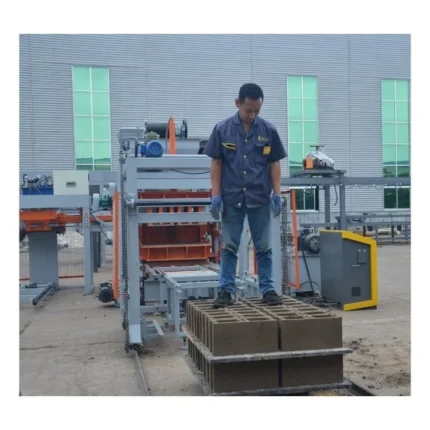
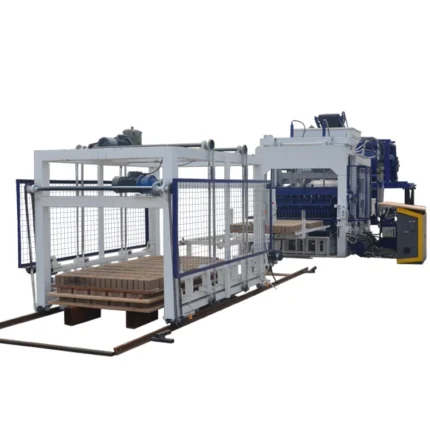
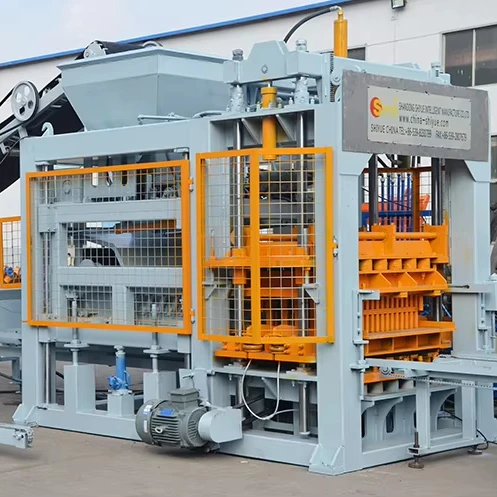
Single-focus engineering — The QT12-15 intelligent concrete block machine is configured as one matched system, where PLC logic, vibration control, and pallet handling are tuned together so automation delivers repeatable cycle-to-cycle consistency rather than isolated features that operators must manually bridge.
Technical Specifications
| Parameter | Value |
|---|---|
| Model | QT12-15 |
| Product Type | Hydraulic Block Making Machine |
| Total Power | 62 kW |
| Pallet Size | 1300 × 900 mm |
| Vibration Technology | Four-axis vibration with dynamic and static table plus frequency conversion |
| Vibration Acceleration | 20g |
| Vibration Force | 120 kN |
| Moulding Cycle | 15–30 seconds (basis not stated in source) |
| Feeding System | Press-in arch breaker with 360° rotation |
| Control System | PLC (brand and display language to be confirmed) |
| Voltage | Customized to local industrial voltage and frequency |
| Mould Compatibility | Customized to buyer’s target block format |
| Standards | CE declaration applicable |
Application Suitability
| Application | Material or Output |
|---|---|
| Hollow block production | Cement, crushed stone, sand, and water blends |
| Solid wall block production | Dense aggregate mixes with standard cement ratios |
| Porous brick production | Lightweight aggregate with controlled water content |
| Pavement brick production | Fine aggregate and pigment mixes for surface finish |
| Slope protection brick production | Interlocking format moulds with high-density mix |
| Multi-format production | Quick-change mould system across formats on one machine platform |
What "15-30 Seconds Cycle Time" Actually Means on the Floor
A cycle time only matters when it is tied to the exact block format, wall thickness, and aggregate stiffness your plant runs every day.
I once visited a plant in West Africa where the operator proudly pointed to a cycle time sticker on the control panel, but the actual daily output was roughly half the brochure figure. The reason was simple: the quoted cycle assumed a standard hollow block in a well-graded aggregate, while the local river sand had high clay content that slowed material flow and forced longer vibration dwell. The automatic QT12-15 block machine addresses this through frequency conversion control and the 360° rotating arch breaker, but the cycle time claim still needs validation against your specific format and mix before you size your curing area and pallet inventory [NEED_CITE: block cycle time verification methods per format and material].
How Four-Axis Vibration Removes the Weak Spot in the Pallet
On a single-axis or dual-axis table, the excitation force concentrates near the vibration source and weakens toward the far edge of the pallet. Blocks in the center cure harder while edge blocks crumble during stacking. The QT12-15 uses a four-axis layout with dynamic and static table elements so the vibration force spreads evenly across the full 1300 × 900 mm pallet. The 20g vibration acceleration reaches every mould cavity at comparable intensity, which is what keeps block height and density uniform from the first cavity to the last on each cycle.
Why Frequency Conversion Matters When Your Aggregate Changes
A fixed-frequency vibration motor delivers the same oscillation regardless of whether the hopper holds coarse crushed stone or a finer sand-heavy mix. The frequency conversion on this automatic QT12-15 block machine lets the PLC adjust vibration intensity to match the material currently in the feeder. When a buyer switches from standard hollow blocks to thin-wall paving blocks, the system can raise frequency for faster compaction or lower it for gentler settling, so the same machine platform handles format changeover without manual motor swaps [NEED_CITE: frequency conversion impact on concrete block compaction quality].
Reading the Specs That Decide Your Actual Daily Output
The 62 kW total power rating tells you the electrical supply the plant needs — confirm that your transformer and dedicated circuit can sustain this load continuously before commissioning. The 120 kN vibration force, working together with the hydraulic pressure system, determines the achievable block density; insufficient pressure against high vibration simply scatters the mix rather than compacting it. The 1300 × 900 mm pallet size governs how many blocks form per cycle and must align with your curing rack dimensions and the forklift tine spacing already in your yard. The PLC-controlled hydraulic block making machine architecture means the control system manages the sequence from feed to press to eject, but the display language, PLC brand, and communication protocol should be locked in writing before the machine enters production.
The Cost of Skipping the Automation Scope Conversation
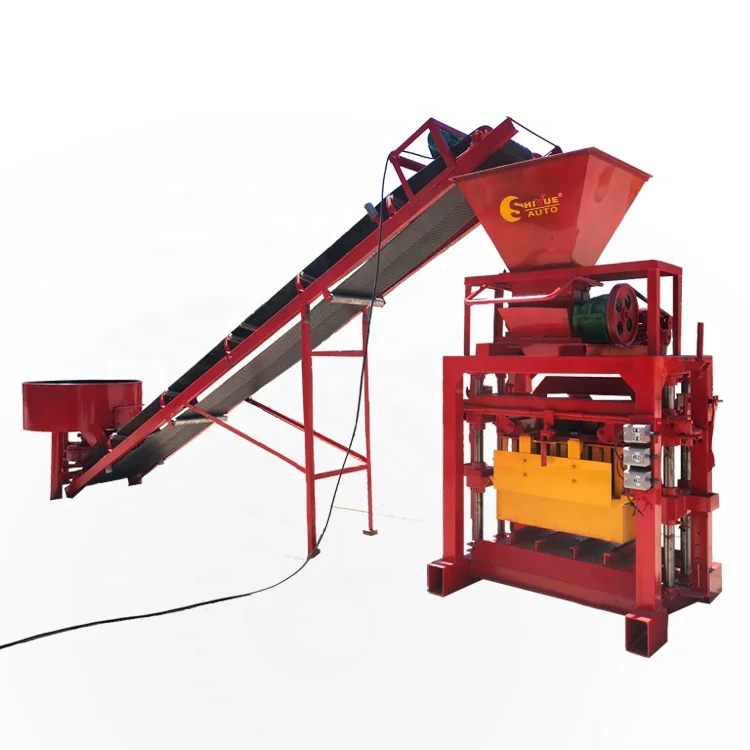
One buyer in South Asia ordered what they believed was a fully automatic line, only to discover on arrival that pallet return and block stacking were manual stations added locally. The press itself ran well, but two workers spent each shift moving wet blocks to the curing area, introducing handling damage and slowing the effective cycle. The QT12-15 platform supports varying automation levels from semi-automatic pallet handling through to integrated stacking and cubing, but the quotation must spell out which stations are included and which are buyer-supplied [NEED_CITE: automation scope definition in block machine procurement].
Why Sourcing Through This Configuration Approach Works
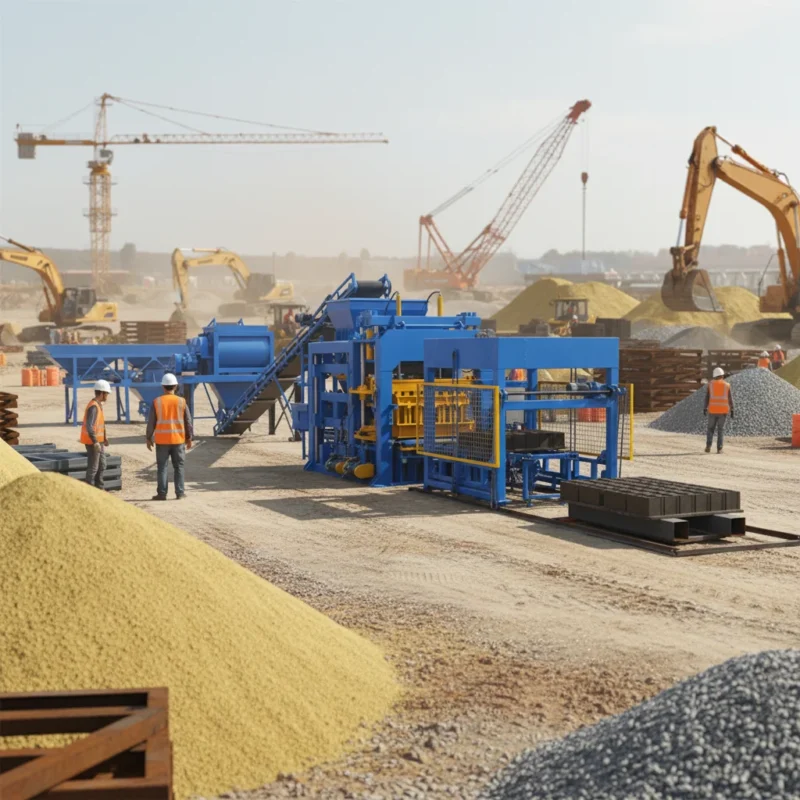
Block machinery is the single focus here, so the QT12-15 machine, mould, pallet, and handling equipment are specified as one matched system rather than assembled from separate vendors. Configuration is set against the buyer’s actual mix design and local aggregate, not pulled from a catalogue default. Mould design covers the formats the buyer’s market actually sells, including custom drawings for non-standard dimensions. The automation level is selectable, so a plant can start with semi-automatic operation and add stacking or cubing modules later. Installation support includes operator training on the specific PLC interface and mould change procedure your crew will use daily.
Documentation & Verification
- Line layout with capacity calculation stated per target block format, not a generic hourly figure
- Machine specification sheet listing confirmed voltage, frequency, and PLC display language
- Mould drawing and format list matching the buyer’s product range before production starts
- Factory test record documenting actual cycle time and block dimensions with specified mould installed
- Packing photographs and customs documentation support for container loading
Installation, Commissioning & Support
- Foundation plan sized to the 62 kW total power and vibration load of the QT12-15
- Dedicated electrical circuit matching confirmed voltage and frequency before machine arrival
- PLC program loaded with the buyer’s chosen display language during factory testing
- Operator training covers mould change procedure and four-axis vibration adjustment on site
- Wear parts and mould list provided with recommended replacement intervals
- Commissioning includes first-run cycle validation against the buyer’s actual aggregate mix
What to Include With Your Inquiry
To size the automatic QT12-15 block machine correctly, share the target block formats and wall thicknesses your market demands, the daily output you need per format, and your local aggregate source with a brief description of its gradation and clay content. Confirm your site’s industrial voltage, frequency, and the language your operators need on the PLC display. If you already have pallets, curing racks, or forklifts in place, send their dimensions so the pallet size and handling stations align with your existing equipment.
Frequently Asked Questions
Q: How is the cycle time of 15-30 seconds verified for my specific block format and mix design?
A: The 15–30 second range is a general reference. Actual cycle time is determined during the factory test using your specified mould, target block format, and a representative sample of your local aggregate. The test record documents the achieved cycle time and block dimensions before the machine ships, so there is no guesswork about daily output capacity on your production floor.
Q: What PLC brand and display language options are available, and is remote diagnostics supported?
A: The PLC brand and display language are configured per buyer requirement and must be confirmed before production begins. Remote diagnostics capability depends on the selected PLC platform and the communication module installed. Specify your preferred PLC brand, required display language, and whether remote access is needed so the control system is built to match your maintenance team’s capabilities.
Q: What automation level does the QT12-15 ship with — is automatic stacking and cubing included?
A: The automation scope is selectable. The QT12-15 can be supplied as a semi-automatic press with manual pallet handling, or configured with automatic pallet feeding, stacking, and cubing stations. Each station included or excluded is listed explicitly in the quotation, so the buyer knows exactly which handling tasks require operators and which are managed by the line itself.
Q: How does the four-axis vibration system adapt to different aggregate sizes and mix stiffness?
A: The frequency conversion system adjusts vibration output to match the material currently in the feeder. Coarse aggregate with low moisture needs higher energy to compact, while fine sand with higher moisture requires gentler oscillation to avoid segregation. The operator selects or the PLC applies the appropriate frequency profile, keeping block density consistent across different mix batches without manual motor adjustments.