Description
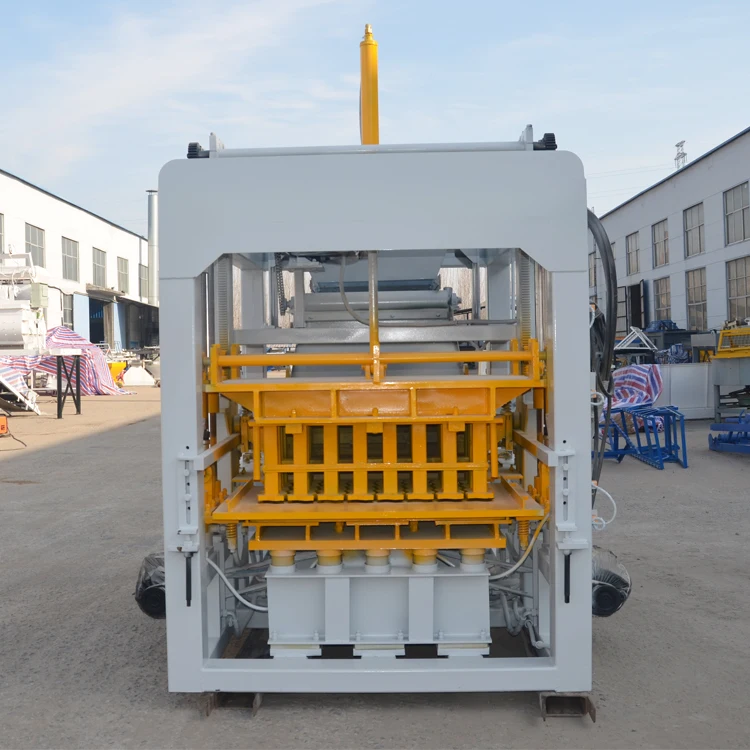
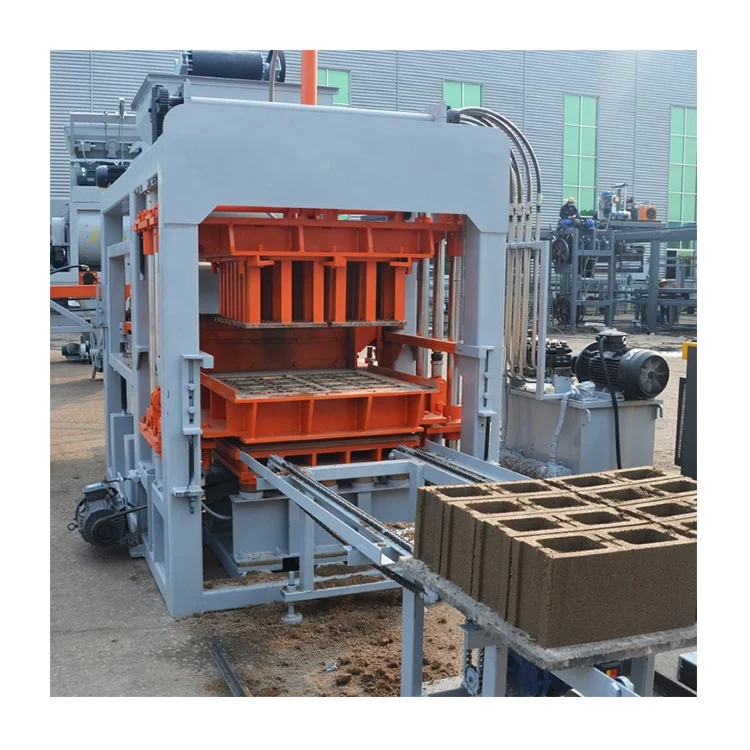
Smart control architecture — the QT6-15 automatic block machine PLC controlled system is set to the buyer’s language and voltage before dispatch, not adjusted after arrival.
Technical Specifications
| Parameter | Value |
|---|---|
| Model | QT6-15 |
| Product Type | Automatic Concrete Block Making Machine |
| Molding Way | Vibration and hydraulic pressing |
| Rated Pressure | 21 MPa |
| Molding Cycle | 15 s – 20 s |
| Pallet Size | 900 × 700 mm |
| Main Machine Weight | 6000 kg |
| Output Capacity (Hollow Block 400 × 200 × 200 mm) | 1440 pcs/h, 11520 pcs/8h |
| Output Capacity (Paving Brick 200 × 100 × 60 mm) | 5040 pcs/h, 40320 pcs/8h |
| Output Capacity (Solid Brick 240 × 115 × 53 mm) | 7680 pcs/h, 61440 pcs/8h |
| Control System | PLC (source value — verify against manufacturer catalog) |
| Voltage & Frequency | Customizable to local voltage (basis not stated in source — confirm exact V/Hz) |
| Automation Level | Automatic (simple line or full line configuration available) |
| Raw Materials | Cement, sand, fly ash, stone powder, slag |
| Supporting Equipment (Simple Line) | JS500 mixer, 8 m conveyor belt, automatic stacker |
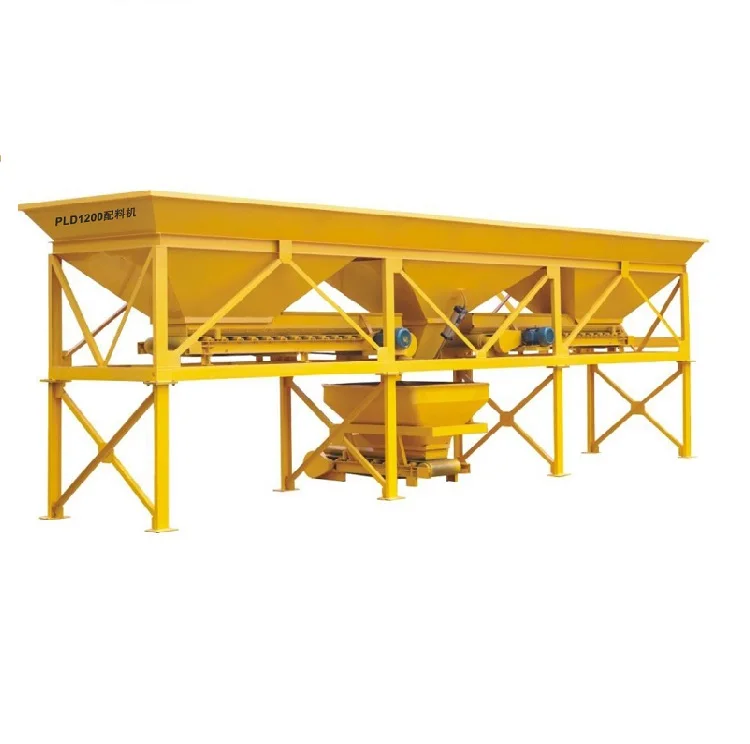
| Supporting Equipment (Full Line) | Cement silo, screw conveyor, cement scale, batching machine, pallet loader, block and pallet separator |
| Mould Compatibility | Hollow blocks, paving bricks, solid bricks, curbstones, interlocking bricks (mould change time basis not stated in source) |
| Warranty | 1 year (excluding wearing parts) |
| Assembly State | Dismantled for container loading (top cylinder removed for shipping height) |
Application Suitability
| Application | Material or Output |
|---|---|
| Hollow block production for wall construction | Cement, sand, fly ash, crushed stone powder |
| Interlocking brick and paving brick for sidewalks and driveways | Cement, stone powder, slag blends |
| Solid brick manufacturing for load-bearing structures | Cement and graded aggregate mixes |
| Kerbstone and curb units for road edging | High-density concrete with coarse aggregate |
| On-site block production for housing and development projects | Locally sourced sand and cement combinations |
What the PLC Screen Actually Shows When Your Operator Cannot Read It
Confirming PLC display language and voltage before production prevents commissioning delays that no amount of on-site troubleshooting can fix.
I once stood next to a block press in a workshop where the control panel was locked in Chinese, and the local operator spoke only Russian. The machine was mechanically sound, but the crew spent two full days trying to interpret error codes and cycle parameters through guesswork and translation apps. That kind of stall is not a mechanical failure — it is a documentation and configuration gap that surfaces only after the automatic block machine PLC controlled system is powered on in a foreign country [NEED_CITE: voltage and frequency standards by export market]. When the language file and the voltage specification are confirmed before the control cabinet is wired, the first shift runs like a test cycle instead of a debugging session.
Recipe Storage and Format Switching on the Shop Floor
The QT6-15 automatic block machine PLC controlled interface stores molding recipes so the operator does not need to re-enter vibration duration, hydraulic pressure, and cycle timing every time a new mould is loaded. This matters when a plant runs hollow blocks in the morning and switches to interlocking bricks after lunch — each format has its own compaction profile, and manual re-entry invites batch-to-batch density variation.
Automation Stations That Remove the Operator from the Pallet Loop
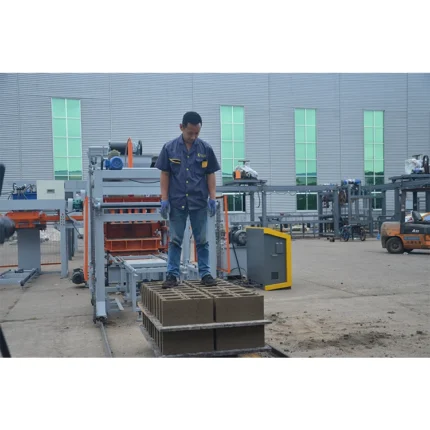
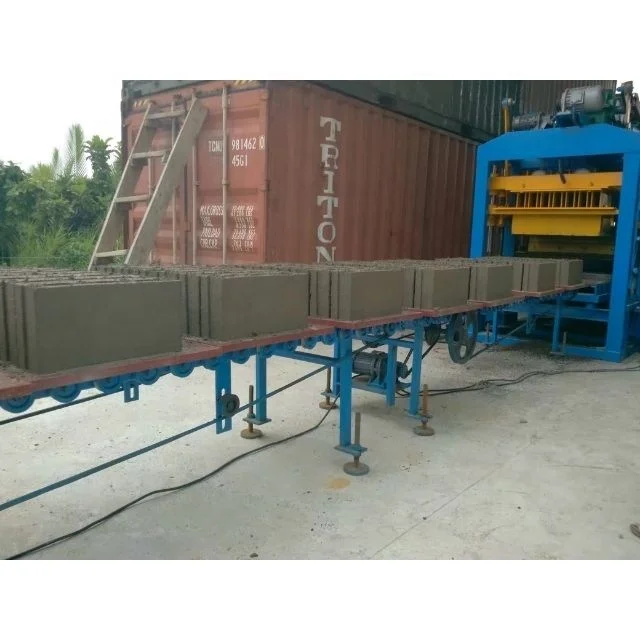
In the full line configuration, the pallet loader feeds boards into the press, the block and pallet separator strips cured units from the pallet return line, and the automatic stacker cubes finished product — all coordinated by the same PLC that runs the press cycle. The operator monitors rather than handles, which keeps the cycle at its rated 15–20 second range without manual bottlenecks [NEED_CITE: CE machinery directive requirements for industrial equipment]. Even in the simple line, the automatic stacker is included, so the most labour-intensive station is removed from day one.
Pressure, Vibration, and Pallet Size as a Matched System
The 21 MPa rated hydraulic pressure works together with the vibration system to compact the mix into the mould cavity, and the balance between these two forces determines block density and surface finish. A mix with high fly ash content responds differently than a clean sand-and-cement blend, so the PLC recipe adjusts dwell time and vibration intensity per format. The 900 × 700 mm pallet size must also match the curing racks and forklifts already on site — a mismatch here means new racking or manual re-stacking before blocks enter the curing area.
The Hidden Cost of Treating Automation as an Afterthought
When pallet handling, stacking, and curing rack loading are left out of the quotation, the press may run at its rated cycle but the output piles up on the floor waiting for manual labour. That bottleneck turns an automatic line into a semi-automatic one in practice, and the buyer ends up paying for labour every shift to do what the system was supposed to handle. Plants that retrofit these stations later often face PLC re-programming costs and mechanical interface work that could have been avoided with a complete line specification from the start [NEED_CITE: automation retrofit compatibility in concrete block plants].
Why Sourcing the Control System from the Machine Builder Matters
Block machinery is our single focus, so the press, pallet handling, stacking, and PLC are specified as one matched system rather than assembled from separate vendors. The control language and voltage are locked in during the order stage, not left as a default that may not match the destination market. Configuration is set against the buyer’s actual mix design and target block format, not a catalogue default. Mould design covers the formats the buyer’s market actually sells, including interlocking brick profiles drawn to buyer specifications. The automation level is selectable — a buyer can start with the simple line and expand to full batching and cubing without replacing the QT6-15 press.
Documentation & Verification
- Factory test record showing cycle timing on the buyer’s specified block format before dispatch
- PLC program backup and display language confirmation sheet included with control cabinet
- Voltage and frequency specification signed off before wiring begins
- Line layout drawing showing pallet feed, stacking, and curing rack flow relative to press position
- Hydraulic and electrical schematic with component part numbers for local sourcing
- Operation and maintenance manual in the confirmed control language
Installation, Commissioning & Support
- Foundation plan provided based on the 6000 kg main machine weight and vibration load
- Top cylinder removed for container loading, reassembled and pressure-tested on site
- PLC parameters calibrated to the buyer’s mix design and target block density during commissioning
- Operator training covers recipe selection, mould change procedure, and fault code interpretation
- Wear parts list with hydraulic seal and vibration spring part numbers supplied at handover
- Maintenance schedule tied to molding cycle count for proactive component replacement
What to Include in Your Inquiry
Send us the block formats you intend to produce, the local raw materials available, and the daily output target so we can configure the QT6-15 with the correct mould set and automation level. Include your site voltage and frequency, the PLC display language your operators require, and any existing pallet or curing rack dimensions so the line layout matches your current infrastructure.
Frequently Asked Questions
Q: What does "automatic" actually include on the QT6-15 line?
A: In the simple line, the automatic stacker and PLC-controlled press cycle are included, while pallet feeding and block separation remain manual. The full line adds the pallet loader, block and pallet separator, batching machine, and cement silo — all PLC-coordinated. Each station can be added later without replacing the press.
Q: Can the PLC store different recipes for each block format?
A: Yes. The system stores vibration duration, hydraulic pressure, and cycle timing per mould. When the operator selects a recipe, the press adjusts its parameters automatically, reducing format changeover to a mechanical mould swap rather than a full recalibration.
Q: Is voltage and PLC language confirmed before production?
A: Both are confirmed during the order stage. The control cabinet is wired and programmed to the specified voltage, frequency, and display language before the factory test, so no reprogramming or electrical modification is needed on arrival.
Q: How do I upgrade from the simple line to full automation later?
A: The QT6-15 press is the same unit in both configurations. Adding the pallet loader, separator, and batching stations requires mechanical installation and PLC program expansion, which is handled through a documented upgrade path rather than a machine replacement.
Q: What output can I expect per block format?
A: Rated at 1440 pcs/h based on a 400 × 200 × 200 mm hollow block, 5040 pcs/h based on a 200 × 100 × 60 mm paving brick, and 7680 pcs/h based on a 240 × 115 × 53 mm solid brick. Actual output depends on mix design, curing logistics, and operator familiarity with the cycle.