
Description
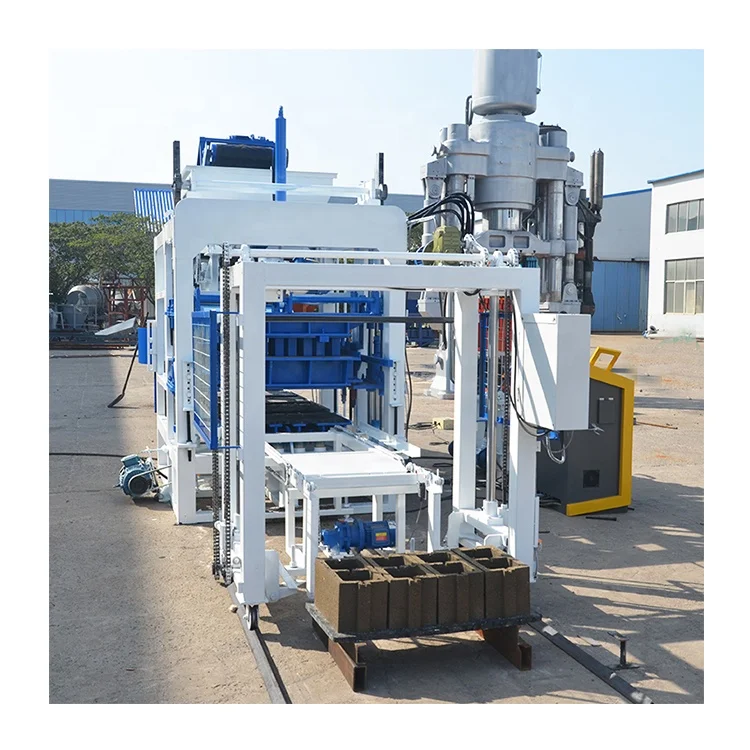
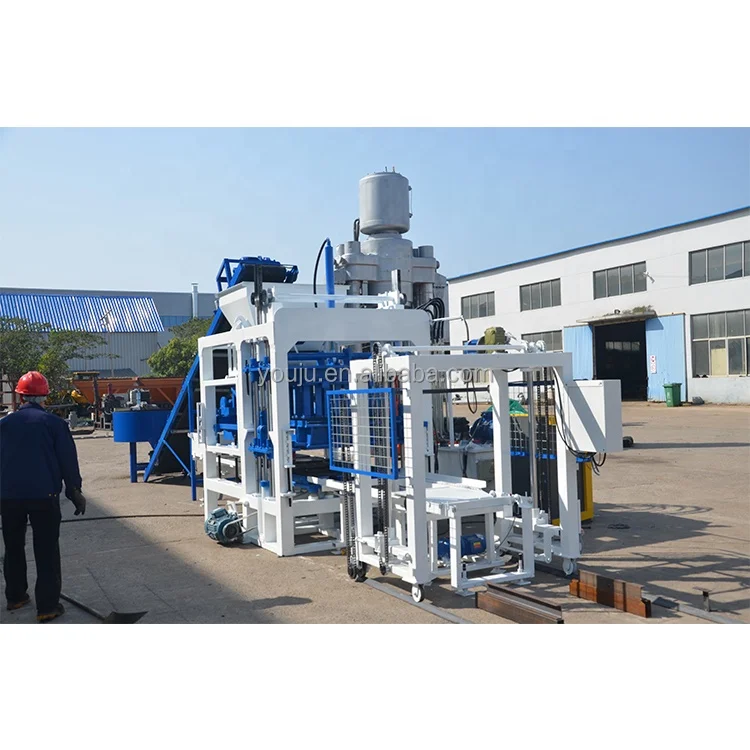
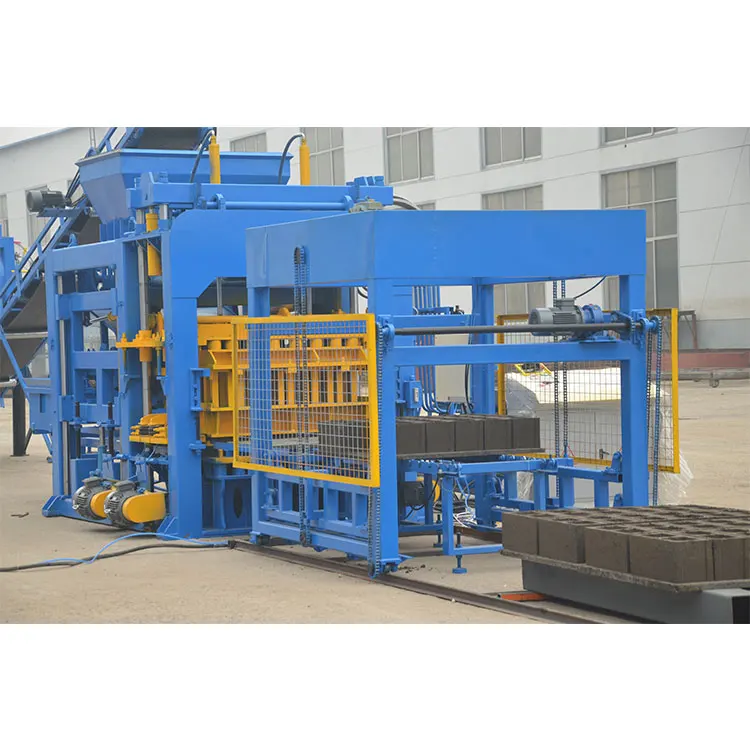
Single-Focus Engineering — The QT12-15 automatic PLC controlled block making machine is specified as a matched system where press, mould, pallet and handling are sized together, so the automation delivers what the cycle time promises.
Technical Specifications
| Parameter | Value |
|---|---|
| Model | QT12-15 |
| Product Type | Automatic Hydraulic Block Making Machine |
| Overall Dimensions (L×W×H) | 9350 × 2520 × 2950 mm |
| Rated Pressure | 21 MPa |
| Main Vibration Form | Platform Vibration |
| Vibration Frequency | 2800–4500 r/min |
| Vibration Acceleration | 15–20 g |
| Exciting Force | 120 kN |
| Fixed Brick Height | 50–200 mm |
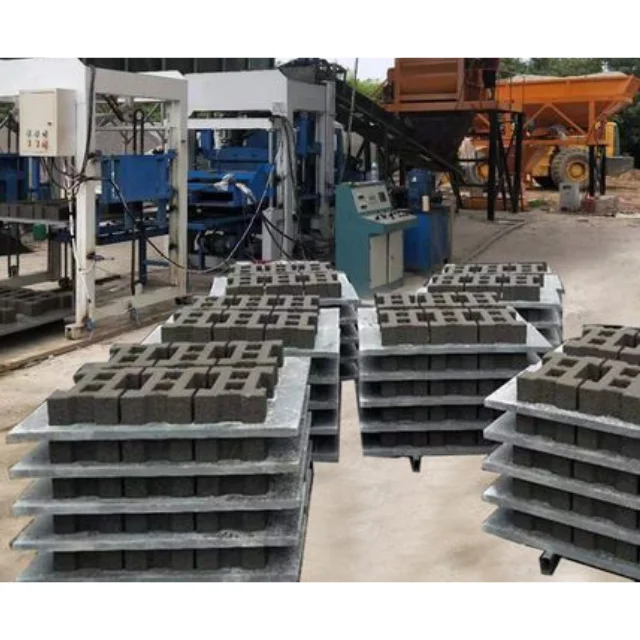
| Pallet Size | 1350 × 850 mm |
| Molding Cycle | 15–25 s (basis not stated in source — varies by block format) |
| Storage Hopper Volume | 0.4 m³ |
| Feeding Device Volume | 0.31 m³ |
| Total Power | 50.7 kW |
| Total Weight | 12000 kg |
| Control System | PLC controlled (basis not stated in source — confirm PLC brand, display language and remote diagnostics) |
| Voltage & Frequency | Configurable per target market (basis not stated in source — confirm before production) |
| Frame Structure | Gantry frame type, super steel, shock resistant |
| Material Feeding | Net wave swing type feeding device |
| Mould Construction | Cartridge type welding mould, manganese steel, carburizing and quenching treatment |
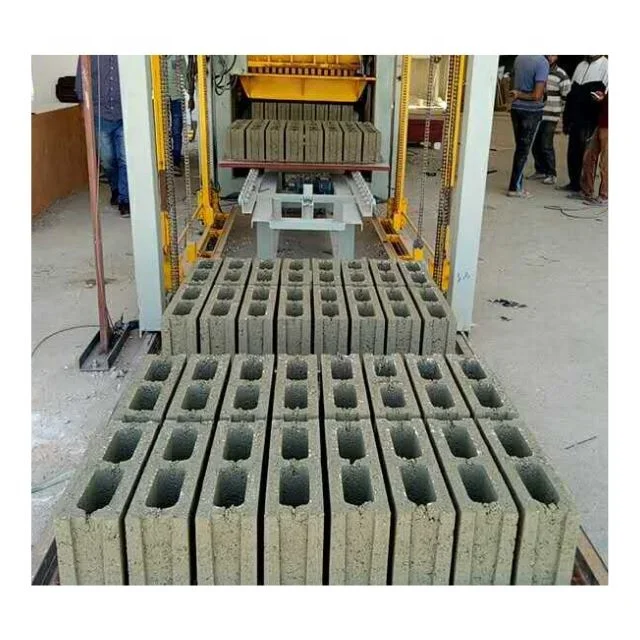
| Output — Hollow Block (390×190×190 mm) | 1720–2160 pcs/h, 13700–17200 pcs per 8h day (12 pcs/mould, 20–25 s cycle) |
| Output — Porous Block (240×115×90 mm) | 5040–6300 pcs/h, 40300–50400 pcs per 8h day (35 pcs/mould, 20–25 s cycle) |
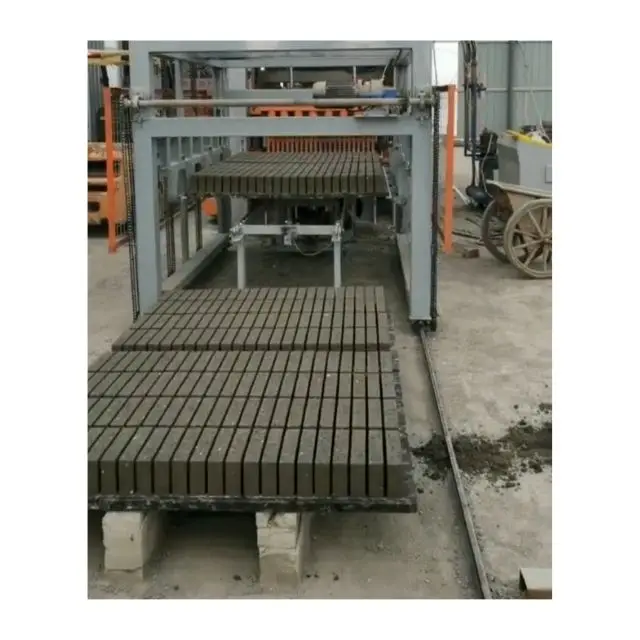
| Output — Standard Block (240×115×53 mm) | 13100–14800 pcs/h, 105000–119000 pcs per 8h day (62 pcs/mould, 15–17 s cycle) |
| Compressive Strength | >15 MPa |
| Automation Level | Automatic (mechanical hydraulic PLC controlled synthesis) |
| Key Features | CE applicable (basis not stated in source — confirm CE declaration for this model) |
Application Suitability
| Application | Material or Output |
|---|---|
| Hollow block production for masonry walls | Crushed stone, sand, cement, water mix on 1350×850 mm pallets |
| Porous block manufacturing for thermal insulation | Lightweight aggregate, cement, admixtures with controlled vibration |
| Standard solid block production | Dense aggregate and cement blends at 15–17 s molding cycle |
| Interlocking brick and paving block | Pigmented concrete mixes with cartridge type welding moulds |
| Fly ash block production | Fly ash, cement, sand and water blends with platform vibration compaction |
| High-volume block plant operation | PLC-controlled multi-format production with automated batching line (PL1200, JS500/JS750) |
What "Automatic" Means When the Screen Speaks the Wrong Language
Automation only works if the operator can read the display.
I once stood in a block plant outside Riyadh watching a PLC-controlled press sit idle for four days. The machine itself was flawless — hydraulic pressure stable, vibration frequency dialed in, cycle times on spec. But the HMI displayed every parameter and alarm in English, and the two operators on shift read only Arabic. No one could acknowledge a fault code or adjust a setpoint. The automatic PLC controlled block making machine QT12-15 was, for those four days, a twelve-tonne paperweight. Language confirmation is not paperwork. It is the difference between a press that runs and one that waits [NEED_CITE: operator interface language requirements for exported industrial machinery].
How the PLC Orchestrates the Press Cycle
The automatic PLC controlled block making machine QT12-15 coordinates hydraulic pressing at 21 MPa with platform vibration ranging from 2800 to 4500 r/min. The PLC manages storage hopper discharge into the 0.31 m³ feeding device, triggers the net wave swing feeder across the pallet, then sequences vibration onset and hydraulic ram descent. This removes timing guesswork from the operator — the press does not start compacting until material distribution is complete, which is where density inconsistency usually originates on manually timed machines.
What Automation Removes from the Operator and What It Adds
On a semi-automatic line, the operator watches the feed hopper, judges when the mould is full, initiates vibration, and monitors pressure. With the QT12-15, the PLC handles that sequence across the 15–25 second molding cycle. The operator’s role shifts from timing the press to monitoring raw material levels, inspecting block quality off the pallet, and responding to alarm states. Batch-to-batch consistency improves because the cycle parameters do not drift with operator fatigue or shift changes [NEED_CITE: impact of PLC automation on batch consistency in concrete product manufacturing].
Reading the Specs That Actually Shape Output
The 21 MPa rated pressure and 120 kN exciting force are not independent numbers — they work together. Hydraulic pressure consolidates the mix from above while vibration fluidizes it from below. If vibration is too low for a given mix, the pressure cannot penetrate and the block cores remain porous. If pressure is too low, vibration produces a loose block that crumbles off the pallet. The QT12-15’s adjustable vibration frequency between 2800 and 4500 r/min allows tuning to the buyer’s specific aggregate gradation and cement content, which is why factory testing with the actual mix design matters before shipment. The 1350 × 850 mm pallet size determines how many blocks are produced per cycle — 12 hollow blocks, 35 porous blocks, or 62 standard blocks per mould — and must align with the curing rack dimensions and forklift capacity already on site. The 0.4 m³ storage hopper feeds the 0.31 m³ feeder on demand, preventing the press from idling while waiting for the next batch from the mixer.
The Cost of Leaving PLC Configuration to Chance
When voltage, frequency, and display language are confirmed after the machine is built rather than before, the consequences are not theoretical. A control cabinet wired for 380V/50Hz arriving at a site running 440V/60Hz means rewinding motors and replacing contactors — work that happens in a port city workshop, not the manufacturer’s factory. A PLC display in a language the operators cannot read means every alarm requires a phone call, and every parameter adjustment waits for someone bilingual to arrive. These are not edge cases. They are the most common reasons commissioning takes twice as long as planned [NEED_CITE: common commissioning delays in exported concrete block making equipment].
Why Sourcing the Intelligent Side Matters Here
Block machinery is the single focus at Shandong Shiyue Intelligent Machinery, which means the QT12-15 is not a press sourced from one factory and paired with a PLC cabinet from another — the hydraulic circuit, vibration system, and control logic are specified as one unit. Configuration is set against the buyer’s actual mix design and target block format rather than a catalogue default, so the vibration frequency and pressure curve match what the local aggregate demands. Mould design covers the formats the buyer’s market actually sells, and the automation level is selectable — a buyer can start with semi-automatic pallet handling and add automatic stacking later without replacing the press. Installation support includes operator training on the specific PLC interface that ships with the machine, not a generic video. Factory test records document actual cycle times and compressive strength results for the buyer’s specified mould format before the machine leaves Linyi [NEED_CITE: factory acceptance testing standards for hydraulic block presses].
Documentation & Verification
- Machine specification sheet listing QT12-15 parameters matched to buyer’s target block format
- PLC brand, display language, and remote diagnostics capability confirmed in writing before production
- Factory test record showing cycle times and compressive strength for buyer’s mix and mould
- Voltage, frequency, and phase confirmation document signed off before control cabinet wiring
- Hydraulic and electrical schematic reflecting as-built configuration, not a generic template
- CE declaration applicability confirmed for the QT12-15 model and destination market
Installation, Commissioning & Support
- Foundation design accounts for the 9350 × 2520 mm footprint and 12000 kg operating weight with vibration isolation
- Electrical supply confirmed for 50.7 kW total load with dedicated circuit and correct voltage and frequency
- PLC display language, button labels, and alarm texts verified before the control cabinet is energized
- Vibration frequency tuned between 2800–4500 r/min to match the buyer’s aggregate and target block density
- Operator training covers PLC fault acknowledgment, setpoint adjustment, and molding cycle monitoring
- Wear parts list for cartridge type manganese steel moulds and hydraulic seals included with shipment
What to Include in Your Inquiry
Before quoting the automatic PLC controlled block making machine QT12-15, the configuration must match the site. Please provide the block formats you intend to produce and the target daily output per format. Confirm your local voltage, frequency, and phase, along with the language your operators need on the PLC display. If you are upgrading from semi-automatic operation, specify which handling functions you want automated — pallet feeding, stacking, cubing — and which you will continue to handle manually. Include your raw material source and aggregate type so the vibration and pressure settings can be matched in advance.
Frequently Asked Questions
Q: How is the QT12-15’s output capacity calculated per block format?
A: Output figures are stated per format with the mould count and cycle time specified — for example, 1720–2160 hollow blocks per hour assumes 12 pieces per mould at a 20–25 second cycle. These numbers assume continuous press operation without pallet handling delays. Daily output calculations must also account for shift length, mould change time, and whether stacking is manual or automatic.
Q: What PLC control system is installed, and can the display be configured for my operators?
A: The PLC brand and HMI configuration are confirmed during the specification phase, not assumed. Display language, alarm text language, and button label language are all agreed before the control cabinet is assembled. Remote diagnostics capability depends on the PLC platform selected and should be confirmed as part of the automation package.
Q: How does the QT12-15 integrate with batching and stacking equipment?
A: The recommended line includes a PL1200 batching machine, JS500 or JS750 mixer, and 8 m conveyor belt feeding the press’s 0.4 m³ storage hopper. Downstream stacking is handled by a stacker included in the recommended line. The PLC coordinates material feed timing so the press does not idle waiting for the mixer, but the exact automation boundary between press and stacker should be defined in the quotation.
Q: What upgrade path exists from semi-automatic to full automation on this platform?
A: The QT12-15 platform supports staged automation. A buyer can begin with manual pallet handling and semi-automatic press operation, then add automatic pallet feeding, stacking, and cubing as production volume justifies it. The PLC architecture must support these additions from the initial installation — confirm the I/O expansion capacity and software licensing before the machine is built.