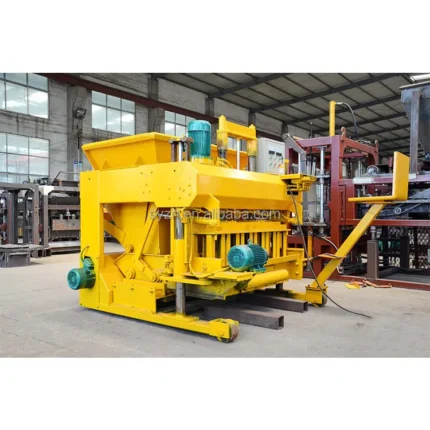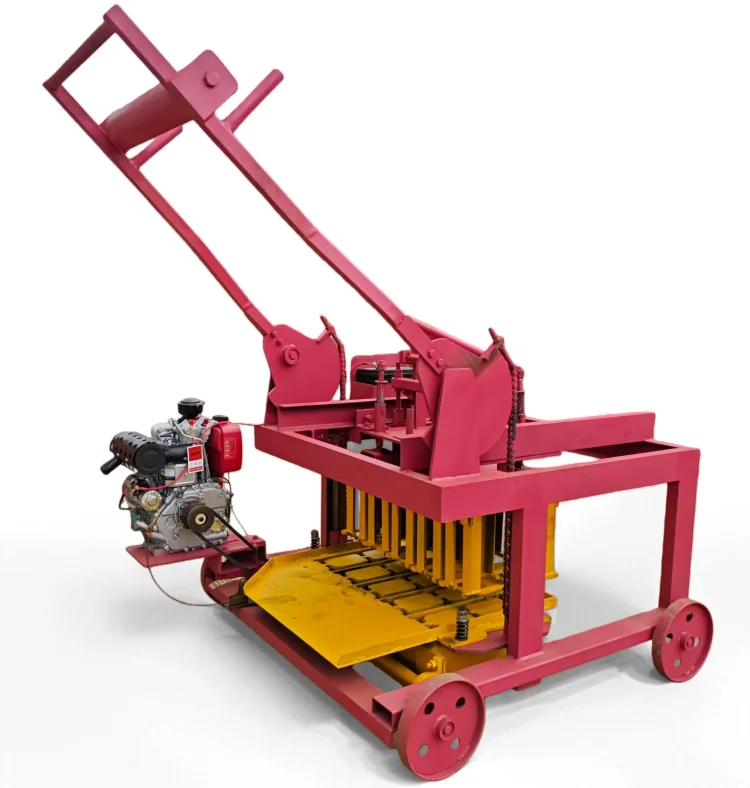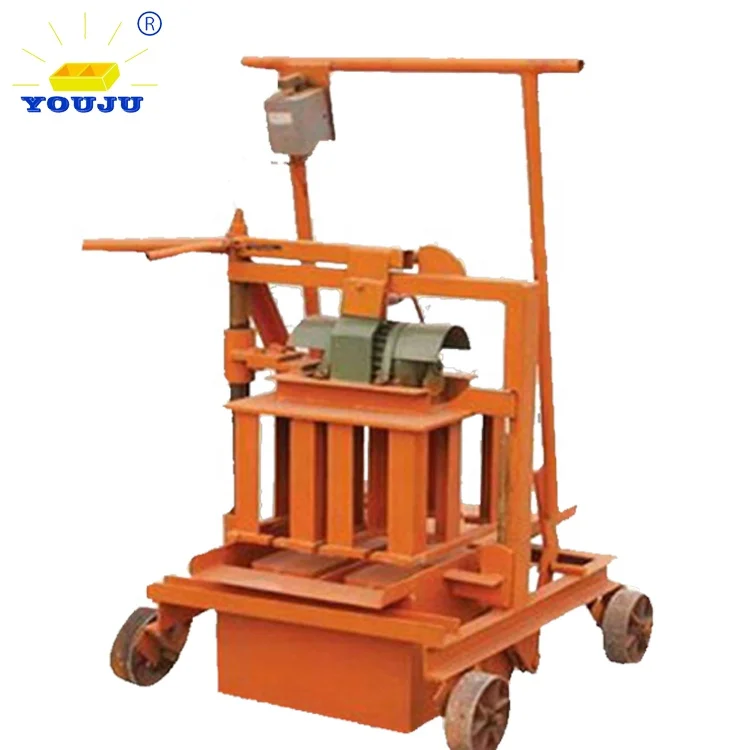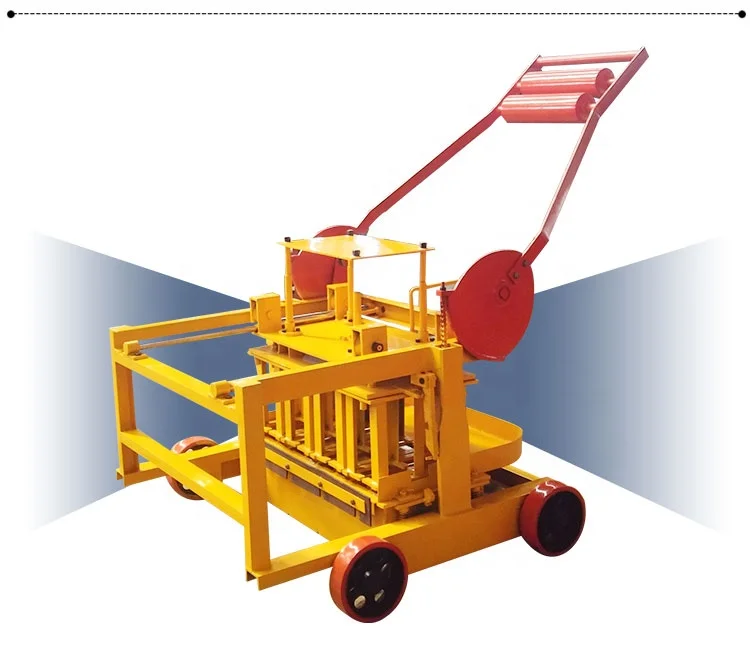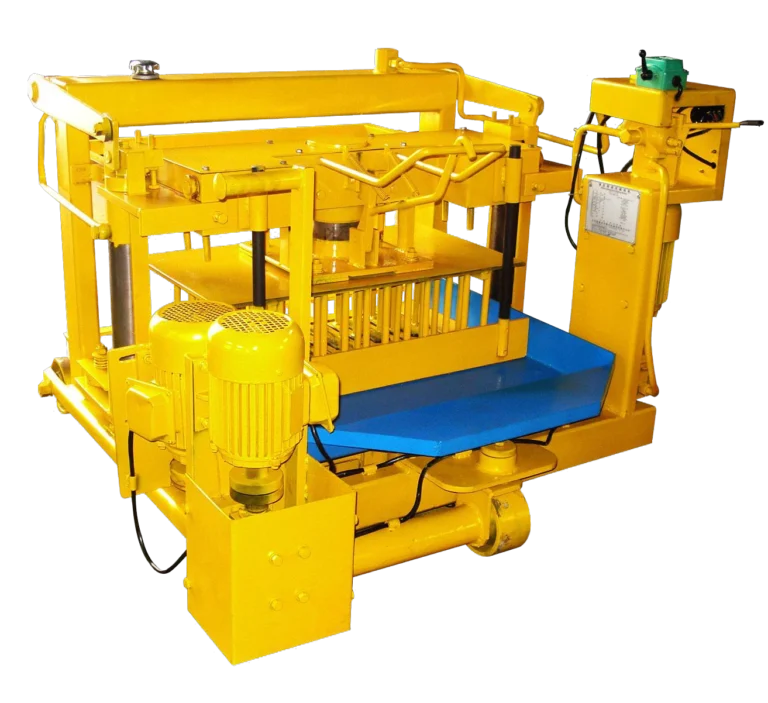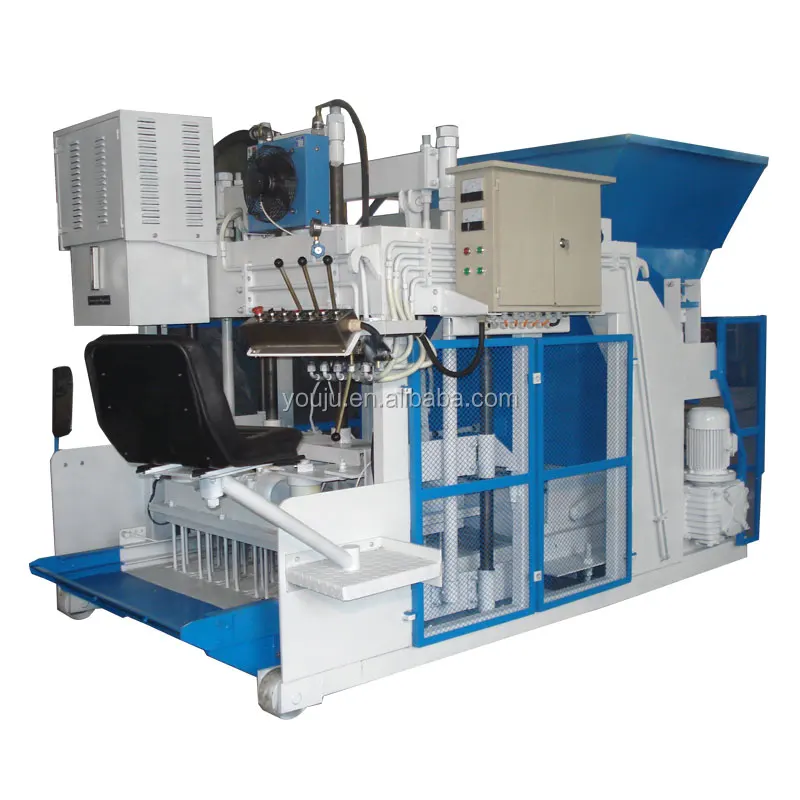
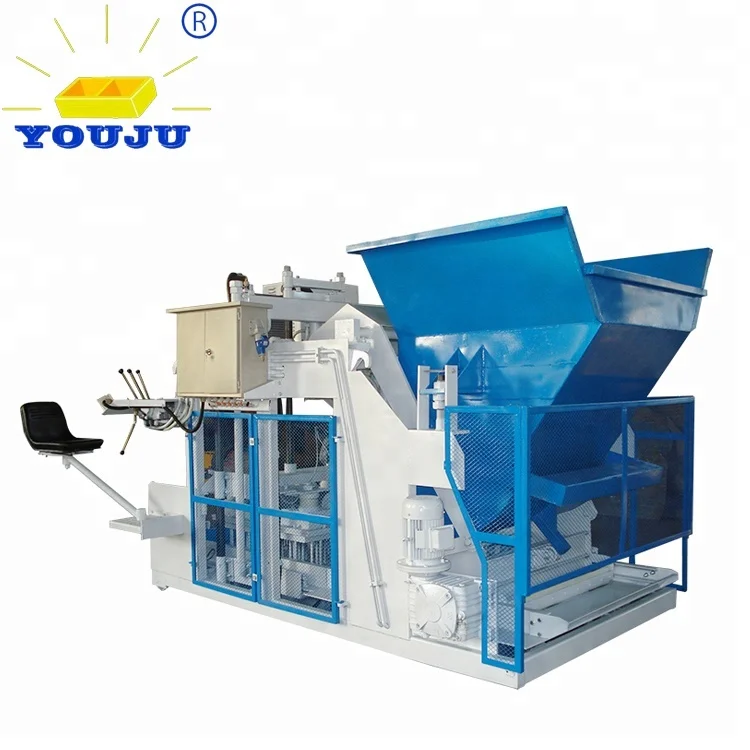
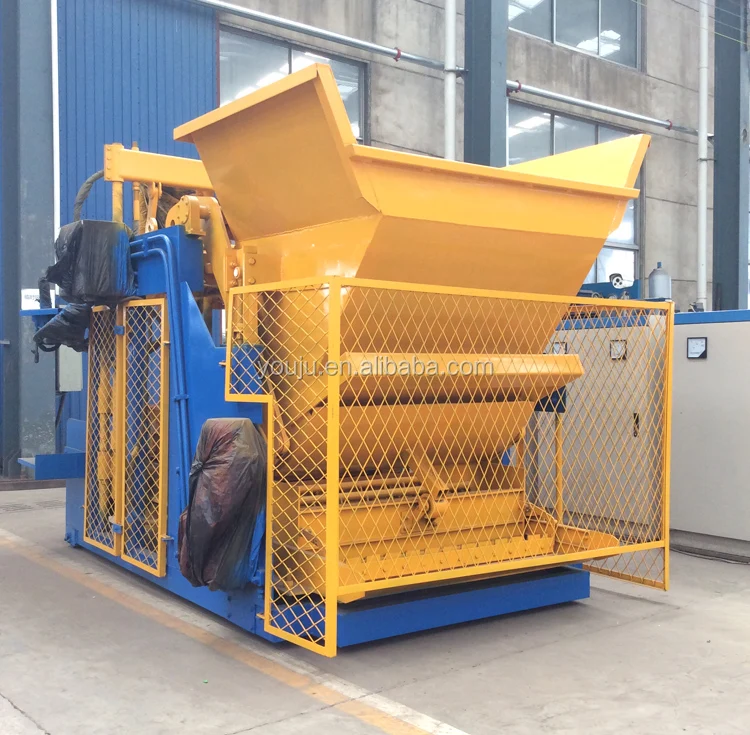
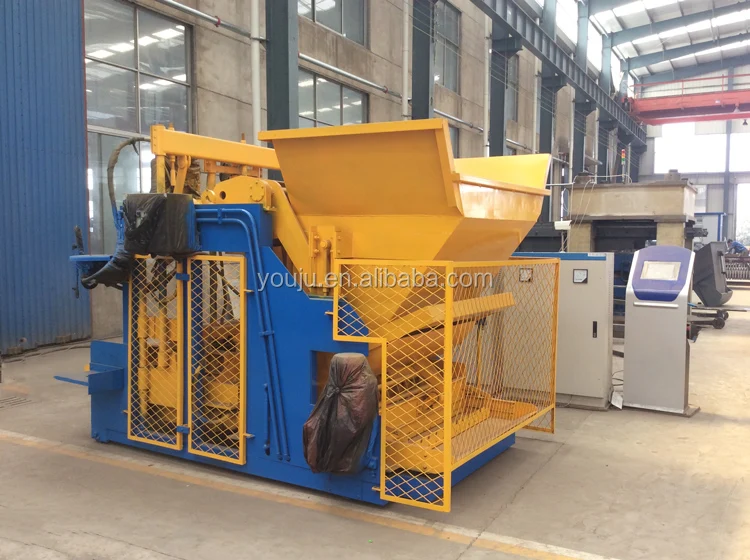
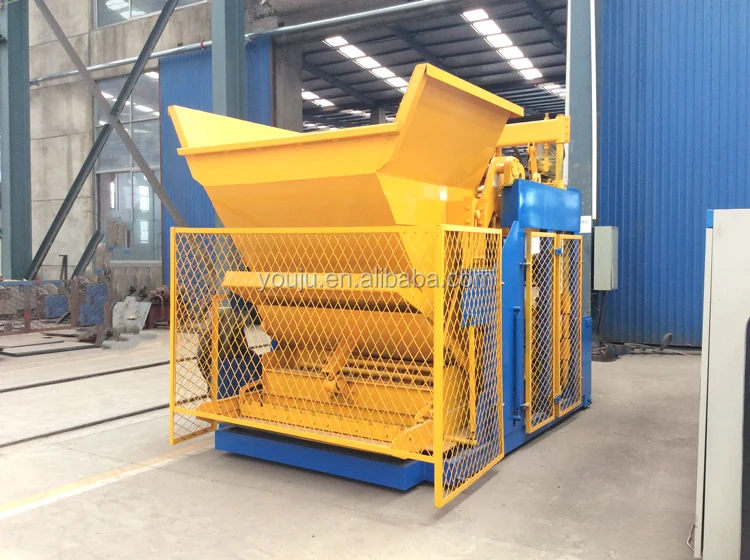
Description
Precision Over Promises — Every automation component on the QMY12-15 is confirmed against your site’s voltage, language and pallet infrastructure before the machine is built, not after it arrives.
Technical Specifications
| Parameter | Value |
|---|---|
| Model | QMY12-15 |
| Product Type | Automatic Hollow Block Making Machine |
| Block Format | 9 / 8 / 6 / 4 Inch Hollow Blocks |
| Pressure Type | Hydraulic Pressure |
| Drive | Engine Gear |
| Automation Level | Automatic |
| Production Line Type | Cement Brick Production Line |
| Control System | (basis not stated in source — confirm PLC brand / language) |
| Voltage & Frequency | (basis not stated in source — confirm voltage / Hz) |
| Hydraulic Pressure | (basis to be confirmed) |
| Vibration Force | (basis to be confirmed) |
| Pallet Size | (basis to be confirmed) |
| Mould Change Time | (basis to be confirmed) |
| Cycle Time per Format | (basis to be confirmed) |
| Output Capacity | (basis to be confirmed — specify block format and mix) |
Application Suitability
| Application | Material or Output |
|---|---|
| Hollow Block Plant | 9-inch structural blocks from crushed stone, sand and cement |
| Masonry Supply Yard | 6 and 4-inch partition blocks using local river sand |
| Project Site Production | On-site cement brick runs for large housing developments |
| Format Expansion | Interlocking and solid formats added to an existing paver range |
Why the Voltage Question Must Come Before the Price
A control cabinet built for the wrong grid will stall your commissioning for weeks.
I once saw an automatic hollow block line sit idle on a dock in Southeast Asia for nearly a month because the PLC and motors were wound for a 380V/50Hz grid while the buyer’s site ran on 440V/60Hz. The factory had built what the catalogue defaulted to; the buyer had assumed someone would ask. [NEED_CITE: voltage and frequency standards by export market]. When you are sourcing the automatic QMY12-15 hollow block making machine, the exact voltage, frequency, phase and PLC display language have to be locked into the contract as a line item, not left to assumption. The cost of rewinding motors and swapping transformer taps on site dwarfs the time it takes to confirm a two-line spec sheet.
What PLC Control Actually Removes from the Operator
A PLC-controlled block machine does not simply replace buttons with a screen. It sequences the feed drawer, vibration cycle, hydraulic press stroke and pallet advance so that each action fires only when the previous sensor confirms completion. For the QMY12-15, this means the consistency of every hollow block rests on programmed logic rather than the rhythm of one experienced operator. The PLC also stores recipes, so switching from a 9-inch block to a 4-inch block becomes a menu selection instead of a trial-and-error session.
Where Automation Stops and the Buyer Decides
The automatic label covers the press itself, but a block plant is a chain of stations. Pallet feeding, wet product stacking, curing rack handling and cubing can all be automated or left manual. Each added station reduces headcount and variability but raises the footprint and the capital outlay. [NEED_CITE: typical labour reduction in automated block plants]. The buyer has to decide which links in the chain justify the investment for their specific daily volume and local wage structure before the line layout is finalised.
Reading the Specs That Actually Matter
Hydraulic pressure and vibration force together determine whether the block leaves the mould at full density or crumbles at the edges. Pressure alone compresses; vibration alone settles. The ratio has to match the buyer’s aggregate gradation and moisture content. Pallet size drives the curing area layout and the forklift the buyer already owns — get it wrong and new racks or a different truck follow. Cycle time is only meaningful when quoted against a specific block format and wall thickness, since a 9-inch hollow block takes longer to fill and compact than a 4-inch partition block.
The Cost Nobody Quoted For
When pallet size is chosen from a catalogue rather than from the buyer’s curing racks, the first delivery of pallets arrives and will not stack in the existing slots. When the PLC interface arrives in a language the operators cannot read, training stretches from days into weeks while the supplier arranges a remote firmware flash. These are not defects — they are omissions that surface only after the container is opened. [NEED_CITE: common commissioning delays in exported machinery]. Every one of them is avoidable if the confirmation checklist is treated as a contract annex.
Why Sourcing Here Is Different
The QMY12-15 is quoted as a matched system: press, mould, pallet and handling stations sized against each other rather than assembled from separate catalogues. Capacity is stated per block format so the buyer sees real daily numbers for the product they actually sell. Voltage, frequency and PLC language are confirmed in writing before production starts, eliminating the most common commissioning stall. Moulds are designed from the buyer’s drawing or market samples, not forced into a supplier’s existing library. The upgrade path from semi-automatic to full stacking and cubing is engineered in from day one, so the line can grow without replacing the press.
Documentation & Verification
- Line layout with capacity stated per block format and mix design
- Mould drawing and format list matched to buyer’s market
- Hydraulic and electrical schematic for local maintenance
- Voltage, frequency and PLC language confirmation sheet signed before build
- Factory test record on buyer’s own aggregate sample where possible
- Operation manual translated to buyer’s chosen language
Installation, Commissioning & Support
- Foundation drawing provided early, referencing QMY12-15 footprint and load points
- Power cable sizing and breaker rating specified for confirmed voltage
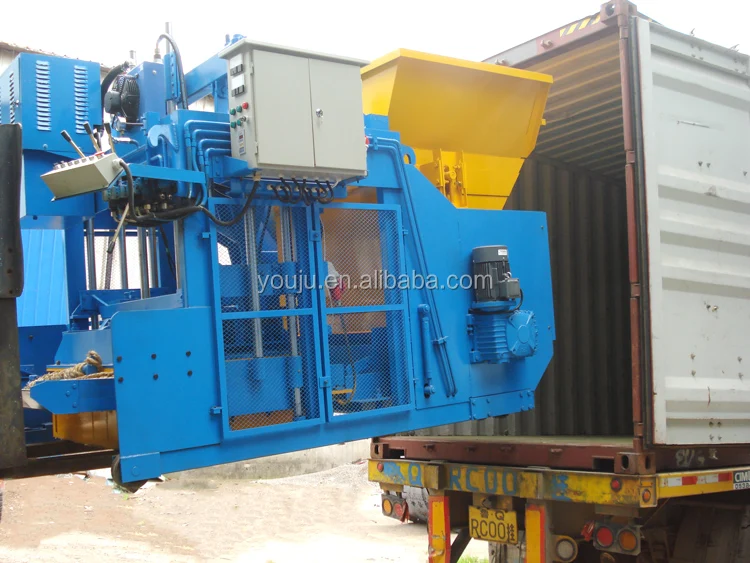
- Machine shipped in dismantled state to fit standard container, with assembly marks
- PLC parameters loaded and tested against buyer’s confirmed recipes on site
- Operators trained on mould change procedure and daily greasing points
- Wear parts list with reorder codes handed over at commissioning
What We Need to Quote Accurately
To build the right configuration of the automatic QMY12-15 hollow block making machine, share the block formats your market buys most, the daily volume you are targeting and the aggregate you can source locally. Tell us your site voltage, frequency and the language your operators read. If you already have pallets, forklifts or curing racks, send the dimensions so the line is designed around them, not the other way around.
Frequently Asked Questions
Q: How do I verify the output capacity of the QMY12-15 before signing?
A: Ask for a capacity table that states the block format, wall thickness and mix assumed for every figure. A single headline number without a format is marketing, not engineering. We supply this table with every proposal so you can match it to your product mix.
Q: Which PLC brand will be installed and can I specify one?
A: The PLC brand and model are confirmed during the proposal stage based on what is serviceable in your region. You can request a brand your local electricians already carry, and we will quote accordingly before the contract is signed.
Q: Can I start semi-automatic and add stacking later?
A: Yes. The QMY12-15 frame and control architecture allow an automatic stacker and cubing station to be bolted on later. The pallet size and press discharge height are set at the start to accept the upgrade without modification.
Q: What happens if my local voltage fluctuates beyond the rated range?
A: We specify the motor winding and transformer tap for your exact grid, and the PLC monitors incoming voltage. If sustained fluctuation is expected at your site, a stabiliser or soft-start panel can be included in the quotation.