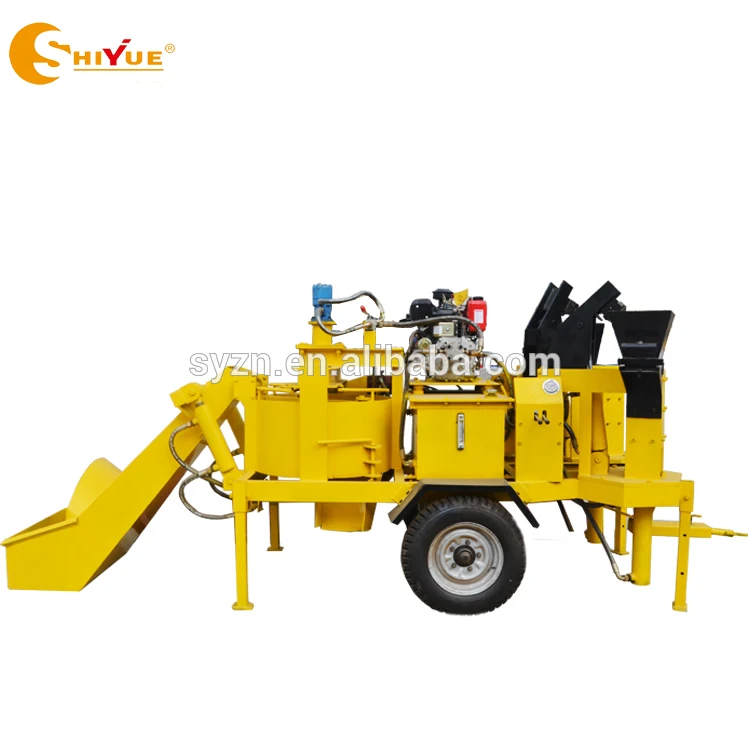
Description
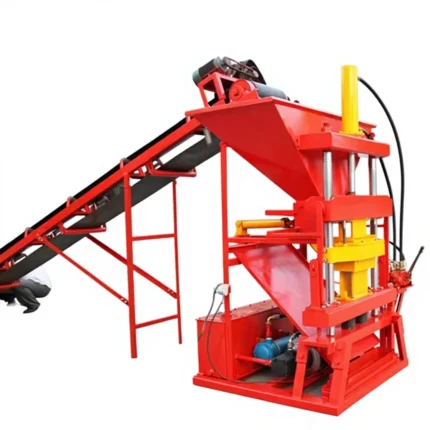
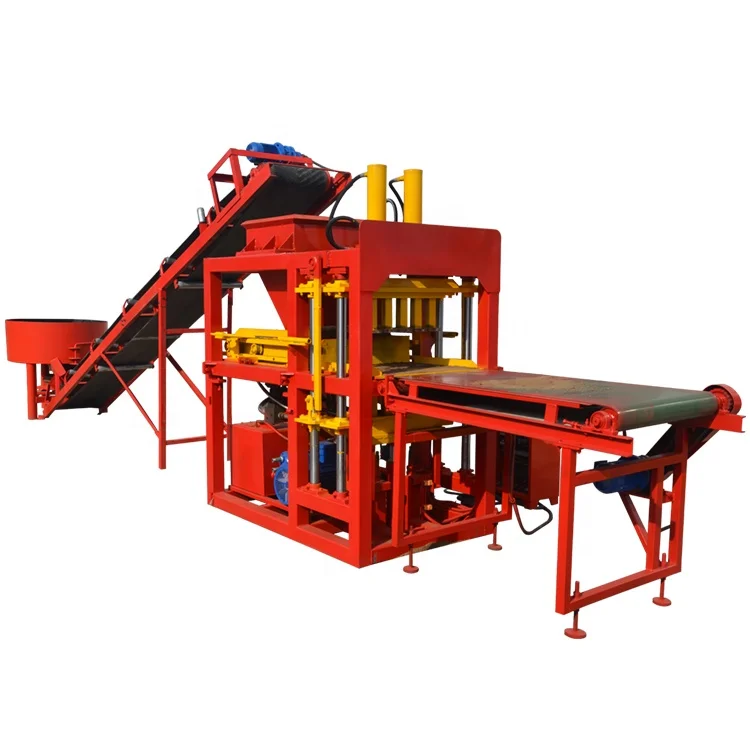
Integrated mixing and automation on a single mobile frame — configuration is set against the buyer’s actual clay mix and target interlocking format rather than a catalogue default, matching the automation and control focus of this product range.
Technical Specifications
| Parameter | Value |
|---|---|
| Model | M7MI TWIN SUPER |
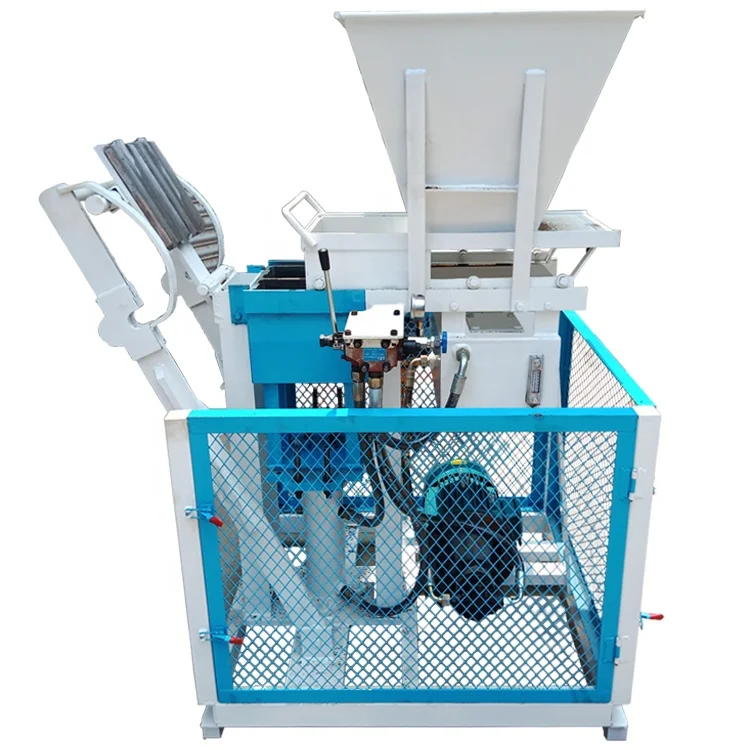
| Product Type | Mobile Clay Interlocking Brick Making Machine |
| Moulding Cycle | 20 seconds (basis not stated in source — confirm block format / material / thickness) |
| Output Capacity | 400 pcs/h (based on 300×150×100mm interlocking block, 2 pcs per mould) |
| Daily Output | 3,200 pcs / 8-hour shift (based on 300×150×100mm interlocking block) |
| Monthly Output | 45,000 blocks (basis not stated in source — confirm shift pattern / working days) |
| Integrated Mixer | Pan mixer |
| Power Source | Diesel engine |
| Assembly State | Mobile frame, integrated unit |
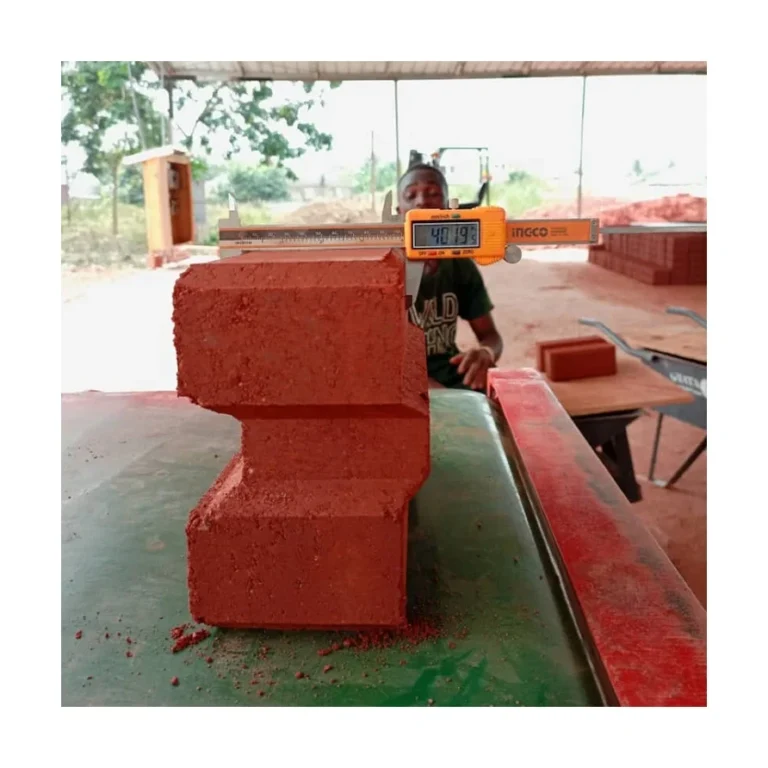
| Mould Format | 300×150×100mm interlocking block |
| Quantity per Mould | 2 pcs |
| Automation Level | Manual / semi-automatic (mobile site production) |
Application Suitability
| Application | Material or Output |
|---|---|
| On-site housing projects | Local clay and soil mixes for interlocking earth blocks |
| Mobile contractor production | Relocation between project sites without dismantling fixed plants |
| Rural development housing | Small-scale earth block moulding using locally sourced clay |
| First-time block plant setup | Clay interlocking block production with room for automation upgrades |
Why "Cycle Time per Hour" Misleads Buyers on Clay Block Machines
A 20-second cycle means nothing unless the stated block format, clay moisture content, and mould release behaviour are confirmed together.
I once watched a buyer in West Africa receive a mobile block machine quoted at a certain hourly output based on a standard sand-cement test mix. When the machine arrived and ran on the local red clay — high plasticity, high moisture retention — the mould release tore the interlocking lugs off every other block. The cycle time technically matched the spec sheet, but usable output was a fraction of what was promised. That is the gap this automatic clay interlocking brick making machine aims to close: capacity figures tied to a named block format (300×150×100mm interlocking) rather than an abstract strokes-per-hour number [NEED_CITE: block output verification methods for mobile earth block machines].
PLC-Ready Control and the Path from Manual to Semi-Automatic
The M7MI TWIN SUPER ships as a manual or semi-automatic mobile unit, which suits contractors who need blocks produced directly at the building site. The PLC-ready architecture means that control logic for automated pallet feeding, batching accuracy, and stacking can be added without replacing the core press. For a plant owner upgrading from fully manual operation, this removes the operator from the most physically demanding steps — pallet handling and block transfer — while keeping the mobile frame advantage intact.
Matching Automation Level to the Actual Worksite
Not every site benefits from full automation on day one. A rural housing project running on local clay with seasonal moisture swings often needs a semi-automatic setup where an operator can intervene during mould release. The automatic clay interlocking brick making machine is configured so that batching and mixing run through the integrated pan mixer under controlled timing, while the pressing and pallet stages remain adjustable. This balance prevents the common failure mode where a fully automated line stalls because one sensor misreads a wet clay batch [NEED_CITE: automation level selection for small-scale clay block production].
What the 20-Second Moulding Cycle Actually Requires
A 20-second cycle producing two 300×150×100mm interlocking blocks per mould depends on several conditions holding steady: clay moisture within a workable range, pan mixer delivering a consistent feed, and the diesel engine maintaining pressure through the full stroke. If the clay is too dry, the interlocking profile fractures on release. If too wet, the block deforms under its own weight before curing begins. The integrated pan mixer on the mobile frame addresses part of this by keeping mixing and pressing in one coordinated loop, but the operator still needs to monitor clay consistency at the feed point. Diesel power eliminates voltage fluctuation as a variable, which matters on remote sites where grid supply is unreliable.
What Happens When Control and Mixing Are Sourced Separately
Buyers who assemble a block line from separate suppliers — one for the press, another for the mixer, a third for pallet handling — often discover that cycle times never align. The press waits for the mixer, the mixer overproduces and clay sits too long before pressing, moisture evaporates, and block strength drops across the batch. With a mobile frame that integrates the pan mixer and diesel engine into one unit, the timing chain is set at the factory rather than improvised on site [NEED_CITE: line integration challenges in mobile block production].
Why Configuration Verification Matters Here
Block machinery specified as a single matched system — press, mould, mixer, and frame — avoids the situation where a buyer pays for format flexibility that mould change procedures silently cancel out. The M7MI TWIN SUPER is supplied with a mould drawing and format list so the interlocking profile matches the buyer’s local market demand before the machine ships, not after it arrives and the first test run fails.
- Machine, mould, pan mixer, and mobile frame specified as one system rather than assembled from separate suppliers
- Configuration set against the buyer’s actual clay sample and target interlocking format before production begins
- Mould design supplied for the formats the buyer’s market sells, with custom drawings available
- Automation level selectable from semi-automatic upward, allowing phased investment
- PLC control options and display language confirmed before commissioning
Documentation & Verification
- Line layout and capacity calculation stating the 300×150×100mm interlocking block format assumed
- Factory test record demonstrating cycle time and block consistency with buyer’s clay mix sample
- Mould drawing and format list confirming interlocking profile matches local market
- Voltage, frequency, and PLC display language confirmation before dispatch
- Operation and maintenance manual covering pan mixer and diesel engine service intervals
Installation, Commissioning & Support
- Mobile frame arrives as an integrated unit; no fixed foundation required on site
- Diesel engine eliminates dependence on local voltage and frequency specifications
- Integrated pan mixer calibrated during factory test to match buyer’s clay moisture range
- Mould change procedure trained on site with buyer’s operators during commissioning
- Wear parts list provided for hydraulic seals and mould surfaces based on clay abrasiveness
- PLC display language and control parameters set before shipment to target market
What to Share Before Requesting a Quotation
Send a sample of the local clay — at least 5 kg — so the pan mixer calibration and moulding pressure can be set against your actual material rather than a generic test mix. Confirm the target interlocking block format your market requires, the number of working hours per shift you plan to run, and whether you intend to start semi-automatic and add stacking automation later.
Frequently Asked Questions
Q: How is the 3,200 blocks per day capacity verified, and what block format does it assume?
A: The 3,200-block daily figure is calculated on an 8-hour shift producing 300×150×100mm interlocking blocks at 2 pieces per mould. It assumes consistent clay feed from the integrated pan mixer and a 20-second moulding cycle. Capacity will differ if the block format, clay moisture, or shift length changes.
Q: Can the machine be upgraded from manual pallet handling to automatic stacking?
A: The PLC-ready architecture supports adding automatic pallet feeding, stacking, and cubing as separate upgrades. The mobile frame design means these additions are staged without replacing the core press unit, allowing plant owners to phase automation investment.
Q: What PLC control options and display languages are available?
A: PLC control is configured before shipment with display language matched to the target market. Voltage, frequency, and control parameters are confirmed during the inquiry stage so commissioning is not delayed by mismatched electrical or interface settings.
Q: How is vibration force and pressure matched to local clay mix design?
A: The buyer sends a clay sample before production. Moulding pressure and cycle timing are then set against that sample’s moisture content and plasticity during the factory test, not left at a catalogue default that may not suit local conditions.