
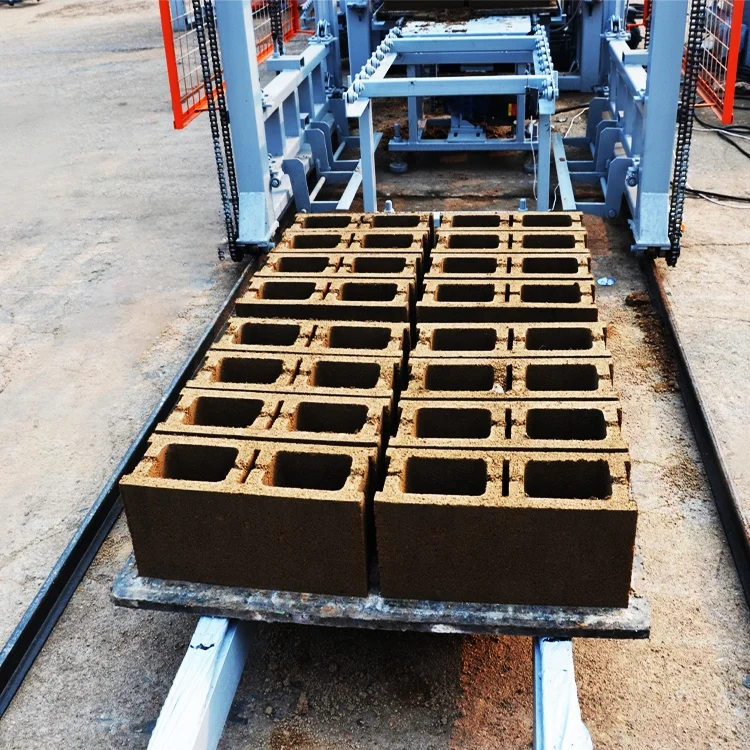
Description
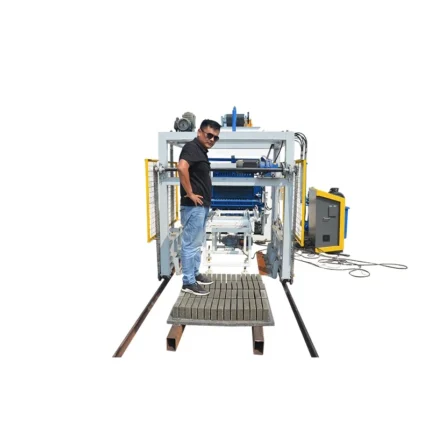
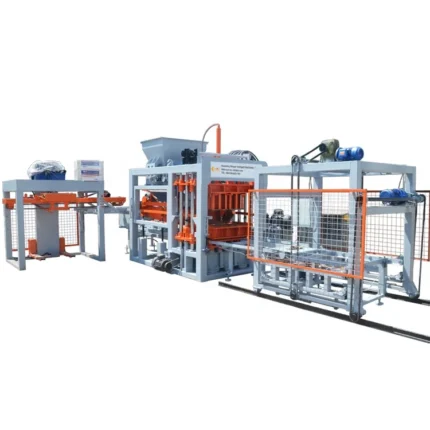
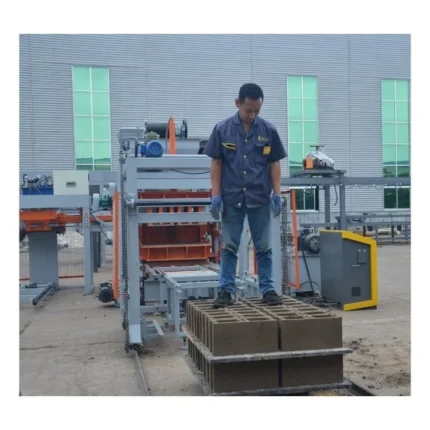
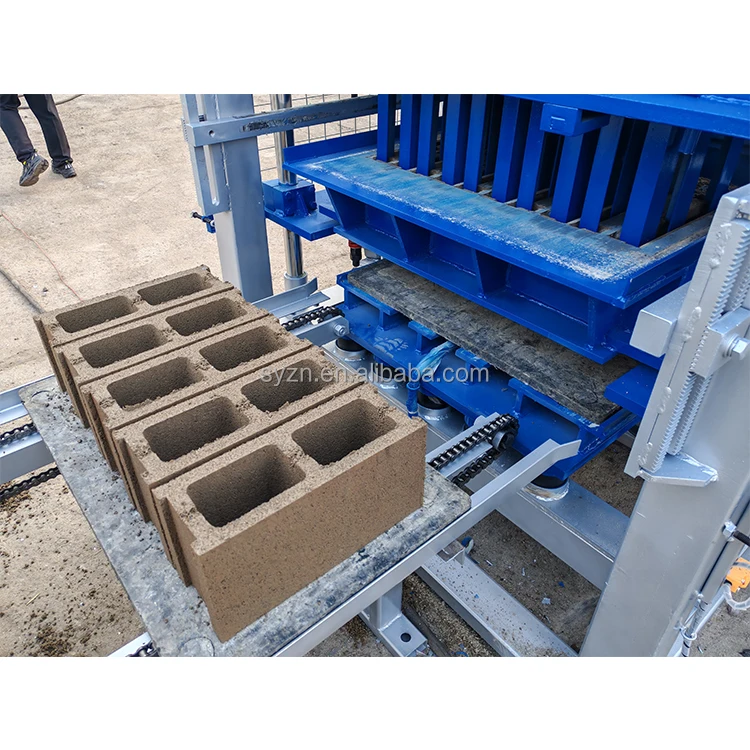
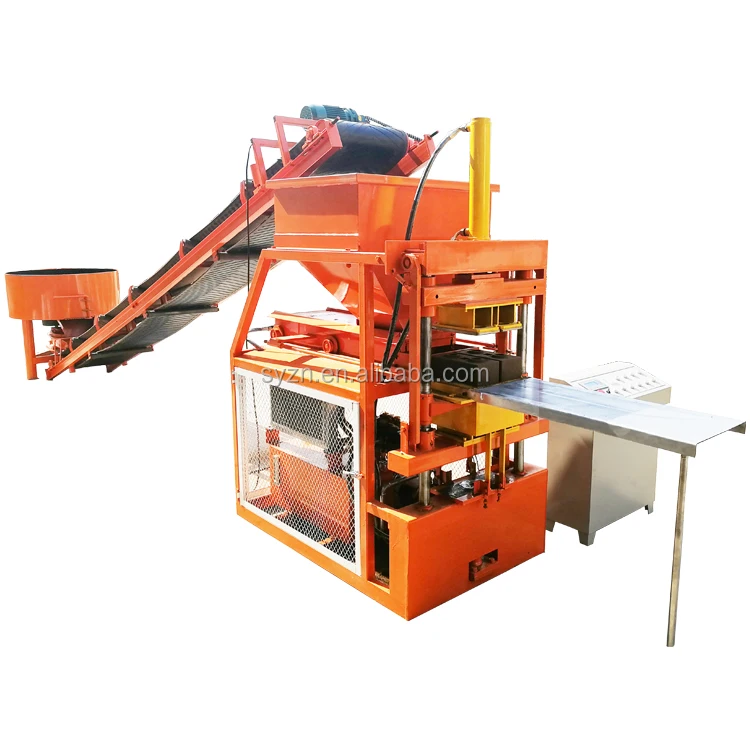
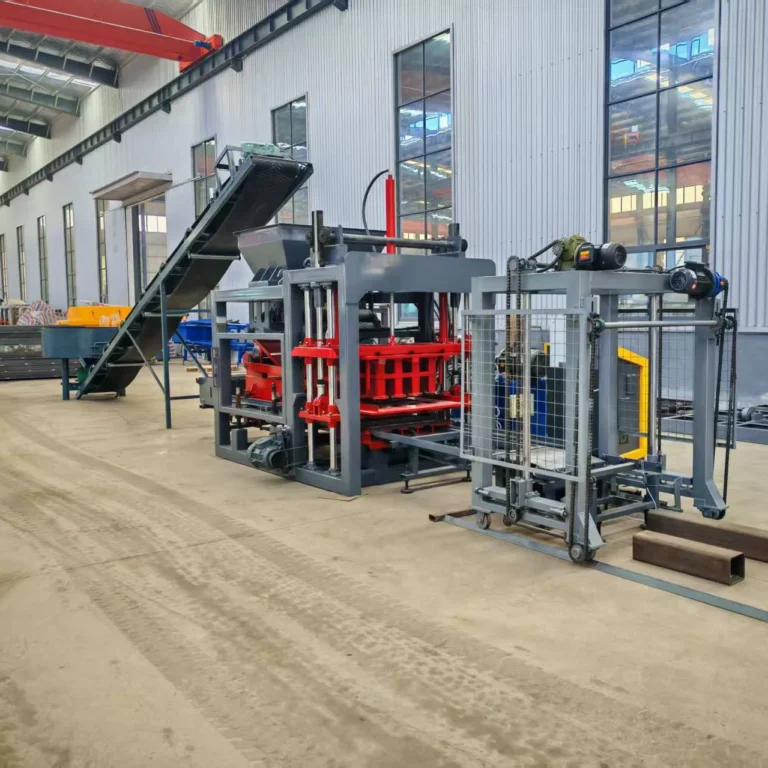
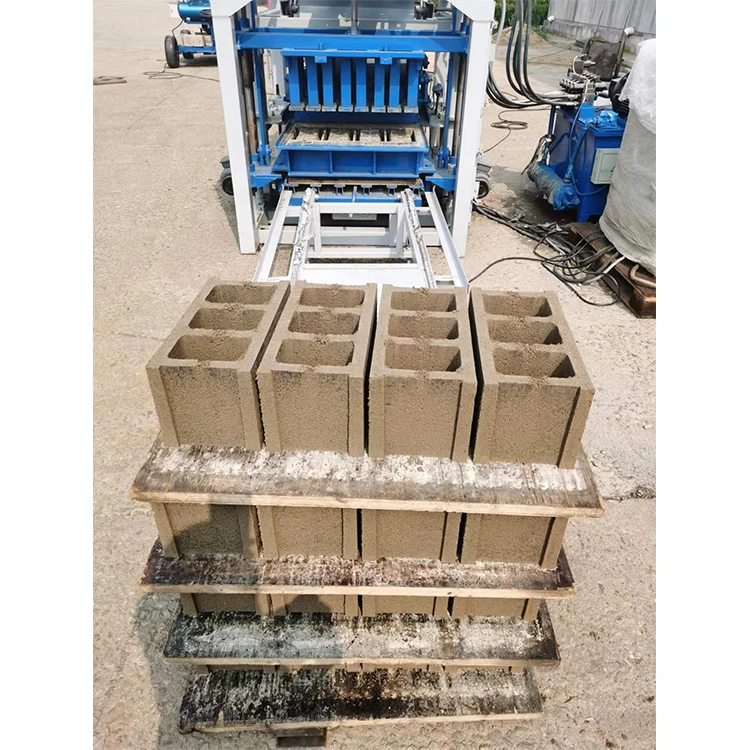
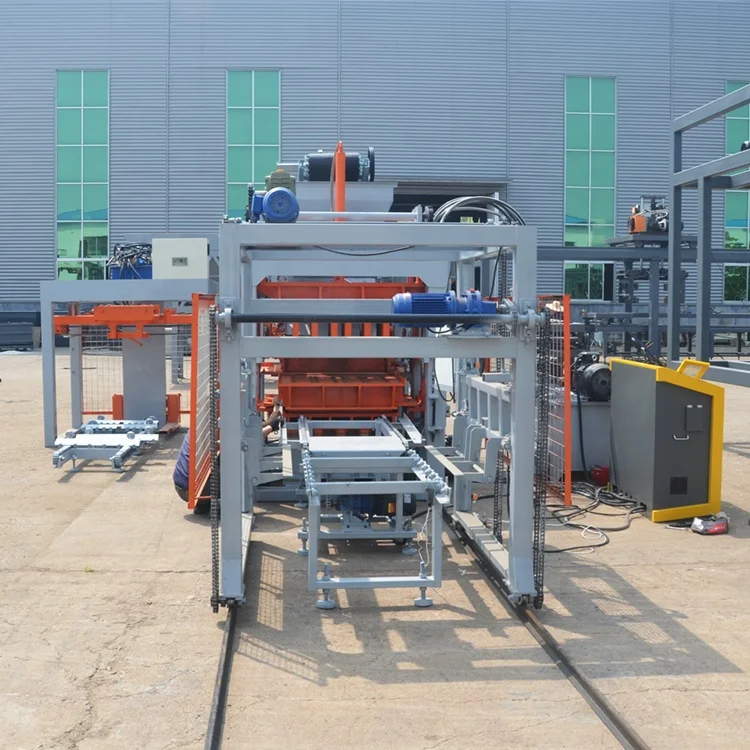
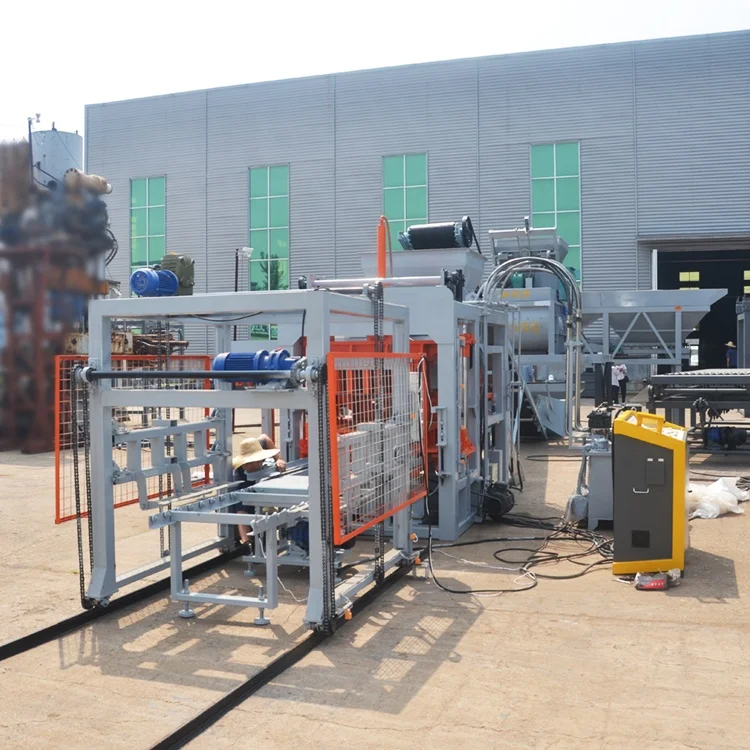
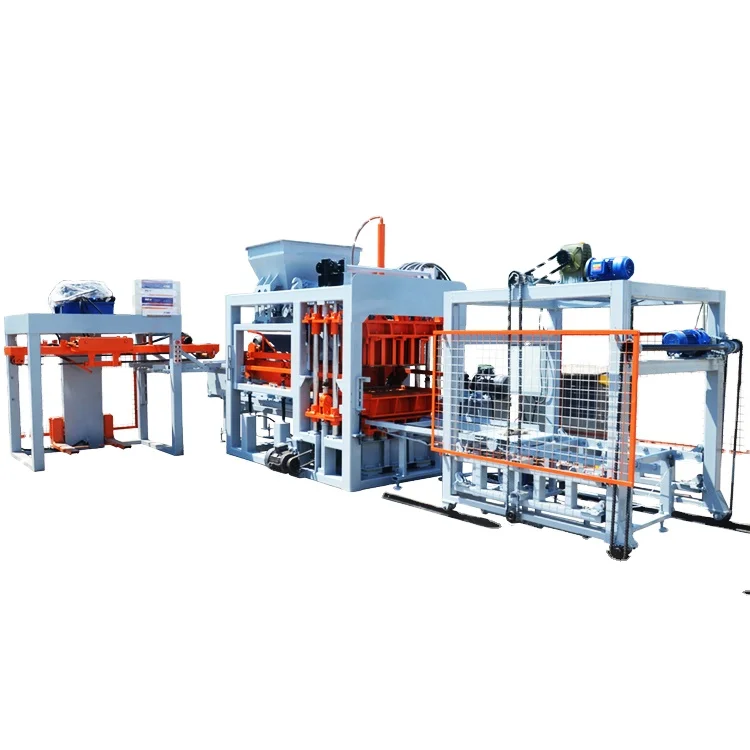
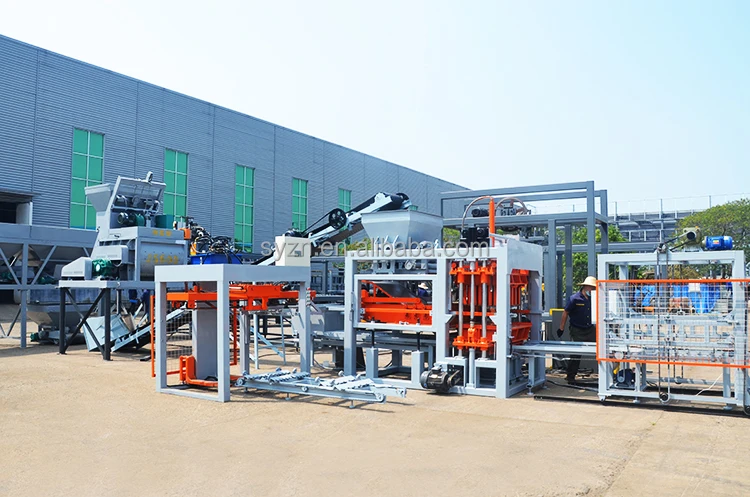
System-Matched Line Integration — The QT6-15 is configured as one coordinated unit where press, pallet, and control logic are specified together against your actual mix design and target format, not assembled from separate suppliers.
Technical Specifications
| Parameter | Value |
|---|---|
| Model | QT6-15 |
| Product Type | Hydraulic Concrete Block Making Machine |
| Overall Dimension | 8200 × 1700 × 2950 mm |
| Total Mass | 7 T |
| Overall Power | 37 kW |
| Vibration Form | Platform Vibration |
| Vibration Frequency | 0–60 Hz |
| Vibration Force | 45 kN |
| Moulding Mode | Automatic loading, vibration moulding |
| Demolding Method | Hydraulic |
| Molding Cycle | 15–20 s |
| Pallet Size | 880 × 850 mm |
| Control System | PLC controlled |
| Factory Area | 1200 m² |
| Compressive Strength of Blocks | More than 15 MPa |
| Output (Hollow block 400×200×200 mm) | 1080–1440 pcs/hour |
| Output (Hollow block 400×150×200 mm) | 1440–1920 pcs/hour |
| Output (Solid brick 240×115×53 mm) | 5760–7680 pcs/hour |
| Output (Rectangular brick 200×100×60 mm) | 2160–2880 pcs/hour |
| Output (Zigzag brick 225×112.5×60 mm) | 2160–2880 pcs/hour |
Application Suitability
| Application | Material or Output |
|---|---|
| Hollow block production for load-bearing and partition walls | Crushed stone, sand, cement, fly ash blends |
| Solid brick manufacturing for masonry construction | Local aggregate with cement binder |
| Paving brick and rectangular paver production for roads and walkways | High-density mix with fine aggregate grading |
| Interlocking and zigzag brick for landscape and driveway surfaces | Coarse aggregate with controlled moisture content |
| Porous and permeable brick for stormwater management | Open-graded aggregate with reduced fines |
Why the PLC Language Question Must Come Before Shipment
Confirming the automatic QT6-15 block making machine PLC controlled interface language and voltage before production prevents costly on-site delays.
I have watched commissioning stall for days because the touch screen displayed fault codes in a language the local operators could not read. The hydraulic station runs independently from the main vibration platform, so a misread alarm on the PLC can shut down the entire line while the operator searches for meaning in unfamiliar characters [NEED_CITE: PLC display language and voltage standards by export market]. When the control language and electrical configuration are locked in after arrival rather than before, what should be a straightforward start-up turns into a troubleshooting exercise that delays first production and erodes confidence in the equipment.
How PLC Logic Removes Operator Guesswork
The automatic QT6-15 block making machine PLC controlled system manages the entire sequence from raw material feeding through vibration moulding to hydraulic demolding. The operator inputs process parameters on the touch screen — cycle duration, vibration frequency within the 0–60 Hz range, and hydraulic pressure — and the system stores them per mould format. When the next shift loads the same programme, the blocks come out with the same density and dimensions without relying on individual operator judgment.
Fault Diagnosis Without a Service Visit
The advanced safe logic circuit embedded in the PLC continuously monitors sensor inputs across the platform vibration system, hydraulic station, and pallet feed mechanism. When a fault occurs, the system displays a diagnostic code rather than simply stopping. This means the on-site maintenance team can identify whether the issue is a proximity sensor, a solenoid valve, or a hydraulic pressure drop before calling for remote support [NEED_CITE: common PLC fault categories in hydraulic block press systems]. The result is shorter downtime and fewer situations where production halts while waiting for an engineer to arrive.
Reading the Numbers That Actually Matter
The 15–20 second molding cycle is the press rhythm, but real daily output depends on which block format is running. At the 400×200×200 mm hollow block format, the machine produces 1080–1440 pieces per hour; switching to the 240×115×53 mm solid brick format yields 5760–7680 pieces per hour on the same pallet size. The vibration force of 45 kN combined with hydraulic demolding ensures that denser formats like paving bricks achieve compressive strength above 15 MPa, but only if the frequency is tuned to the specific aggregate in the mix. A coarse crushed stone blend needs a different vibration profile than a fly-ash-heavy mix, and the PLC allows that adjustment without mechanical changes.
What Happens When Automation Is Specified in Isolation
Buyers sometimes focus on the press output number without mapping it to the pallet handling and stacking capacity downstream. If the automatic pallet feeding system delivers faster than the curing racks can accept finished blocks, pallets pile up and the press must pause — negating the cycle time advantage the PLC was meant to deliver [NEED_CITE: block plant bottleneck analysis between press output and curing area capacity]. Similarly, choosing a pallet size without considering the existing forklift and curing yard layout means operators end up moving blocks twice. The QT6-15 uses 880×850 mm pallets, and that dimension must match the racking system already on site or planned for the new facility.
Why Buyers Choose This Source
Block machinery is the single focus here, so the press, moulds, pallets, and handling equipment are specified as one matched system rather than sourced separately. The vibration parameters and hydraulic pressure are set against the buyer’s actual mix design and local aggregate, not left at catalogue defaults. Mould design covers the formats the buyer’s market actually sells, with custom drawings available for non-standard shapes. The automation level is selectable, meaning a buyer can start with semi-automatic pallet handling and add stacking or cubing later. Installation includes on-site commissioning with operator training so the PLC parameters are tuned to local conditions from day one.
Documentation & Verification
- Line layout showing 880×850 mm pallet flow from press through curing racks
- Machine specification sheet with output capacity stated per block format and cycle time
- PLC control manual with fault diagnosis codes in the confirmed display language
- Hydraulic and electrical schematic matching the confirmed voltage and frequency
- Factory test record run on buyer-specified block format before dispatch
- Mould drawing and format list with changeover procedure for each cavity
Installation, Commissioning & Support
- Foundation plan sized for the 8200×1700 mm footprint and 7 T operating mass
- Dedicated power circuit confirmed for 37 kW total load at local voltage and frequency
- Hydraulic station filled and bled on site before first vibration test cycle
- PLC parameters loaded and stored for each mould format during commissioning
- Operator training covering mould change procedure and fault code interpretation
- Wear parts list covering hydraulic seals, vibration springs, and pallet guides
Preparing Your Inquiry
To receive a configuration that matches your plant, share the block formats your market sells, the target daily output per format, and your local aggregate type with its moisture characteristics. Include the voltage and frequency available at your site along with the preferred PLC display language for operators. If you have existing curing racks, forklifts, or batchers upstream, provide their specifications so the pallet feed and cycle timing can be coordinated before the machine ships.
Frequently Asked Questions
Q: What PLC display languages are available and can the interface be customized for local operators?
A: The touch screen interface supports multiple languages confirmed before production. We programme the display in the language your operators read daily, including alarm messages and fault codes. This is verified during the documentation stage, not at arrival, so commissioning proceeds without translation delays or misread diagnostics on the factory floor.
Q: How does the automatic pallet feeding and stacking system integrate with existing curing racks and forklifts?
A: The pallet size of 880×850 mm is the reference dimension for the entire downstream layout. We match the pallet feed rate to your curing rack spacing and the forklift capacity already on site. If your racks use a different spacing, the stacking interval is adjusted in the PLC so finished blocks arrive in a sequence your handling equipment can manage without bottlenecks.
Q: Can the vibration frequency and hydraulic pressure be adjusted for different aggregate types and mix designs?
A: Yes. The 0–60 Hz vibration frequency range and the hydraulic pressure are both adjustable through the PLC interface. During commissioning, we tune these parameters to your specific aggregate source and cement ratio. The settings are then stored per mould format so switching between a coarse stone mix and a fly ash blend does not require manual recalibration each time.
Q: How does the 15–20 second molding cycle coordinate with raw material batching and finished block handling?
A: The press cycle is one station in the line. The batching system must deliver a fresh mix within that window, and the pallet handling must remove finished blocks at the same pace. We calculate the required batcher output and pallet conveyor speed based on the specific block format you plan to run, so no station waits on another.
Q: What hydraulic wear parts and mould components are included in the initial spare parts package?
A: The spare parts list covers hydraulic seals, vibration springs, proximity sensors, and mould wear inserts identified from the factory test record. We provide the complete wear parts and mould list before shipment so you can plan reordering against local lead times rather than discovering a missing component during the first maintenance interval.