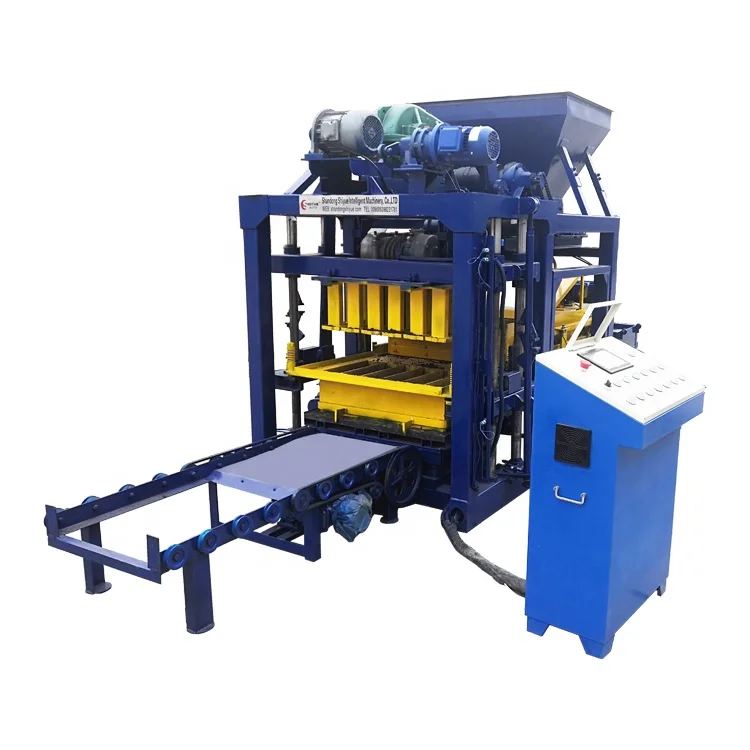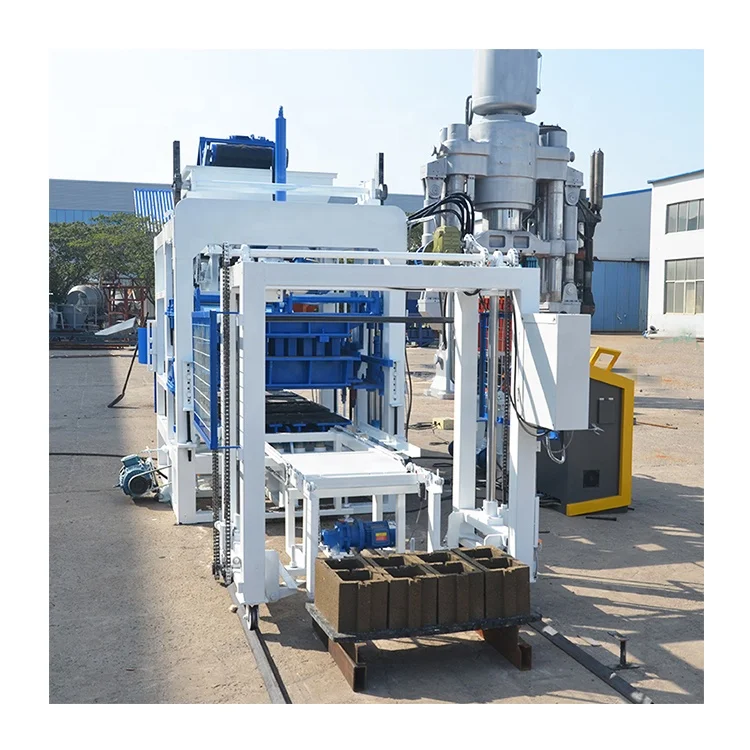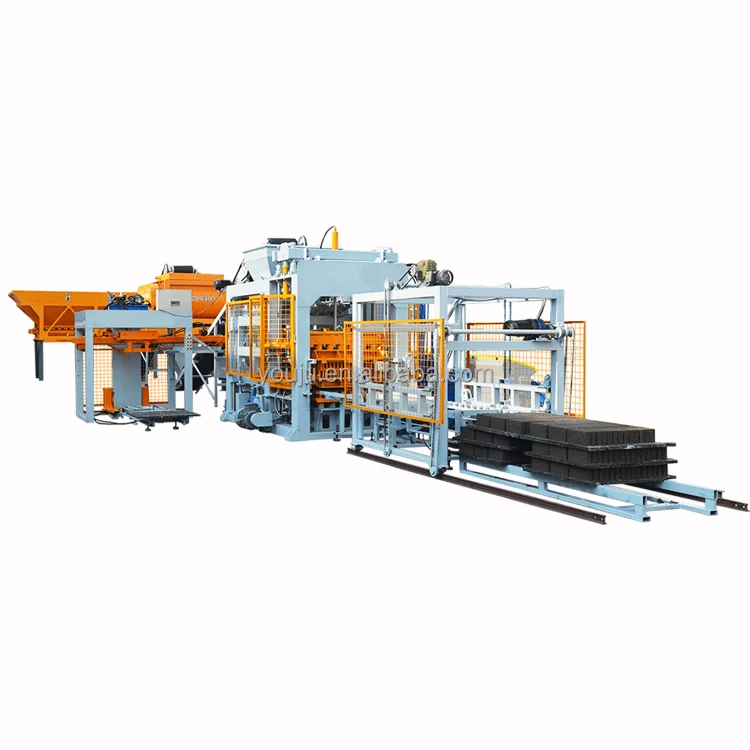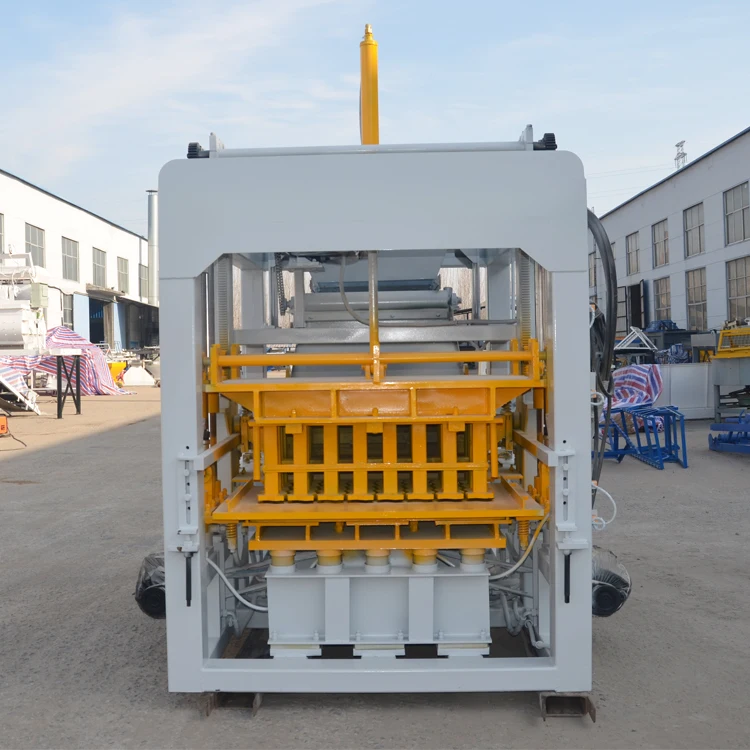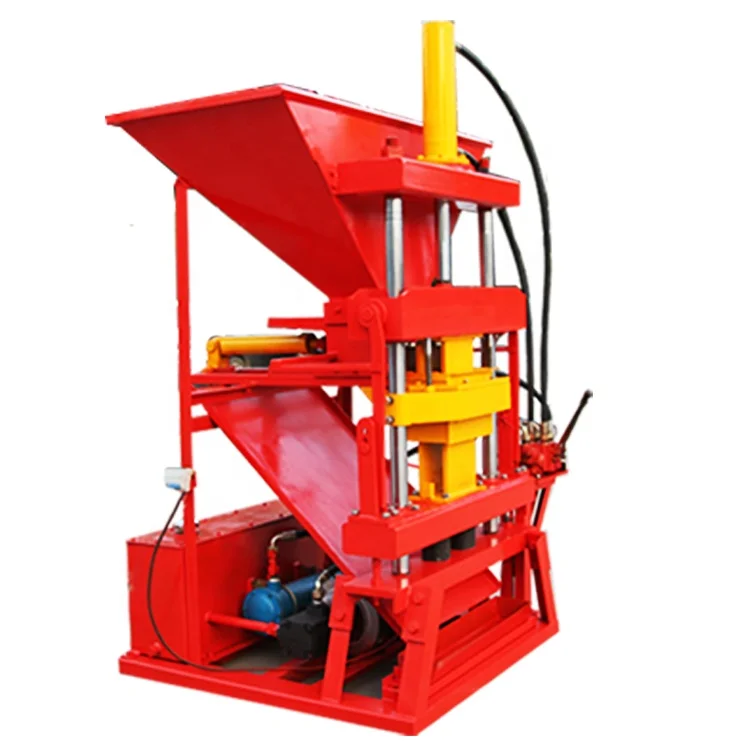

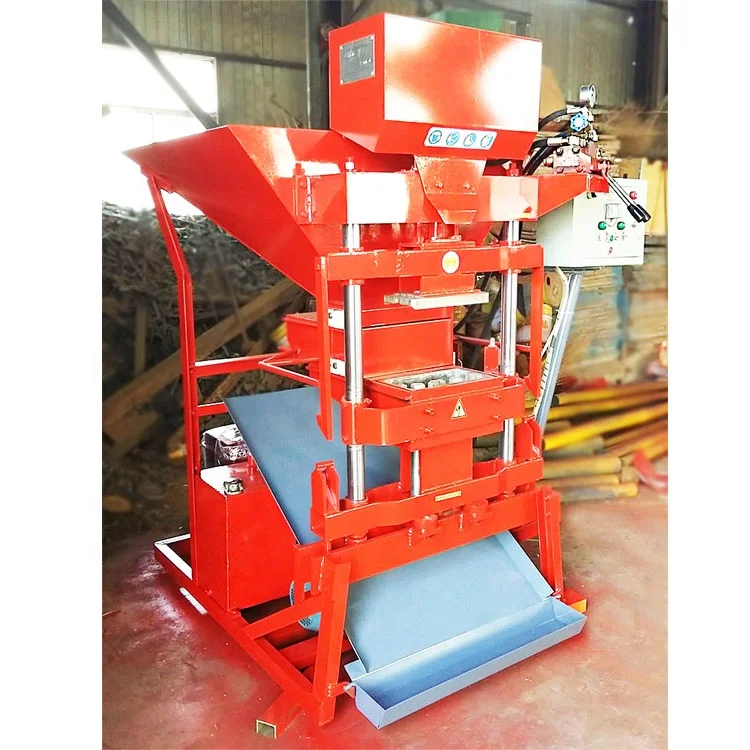
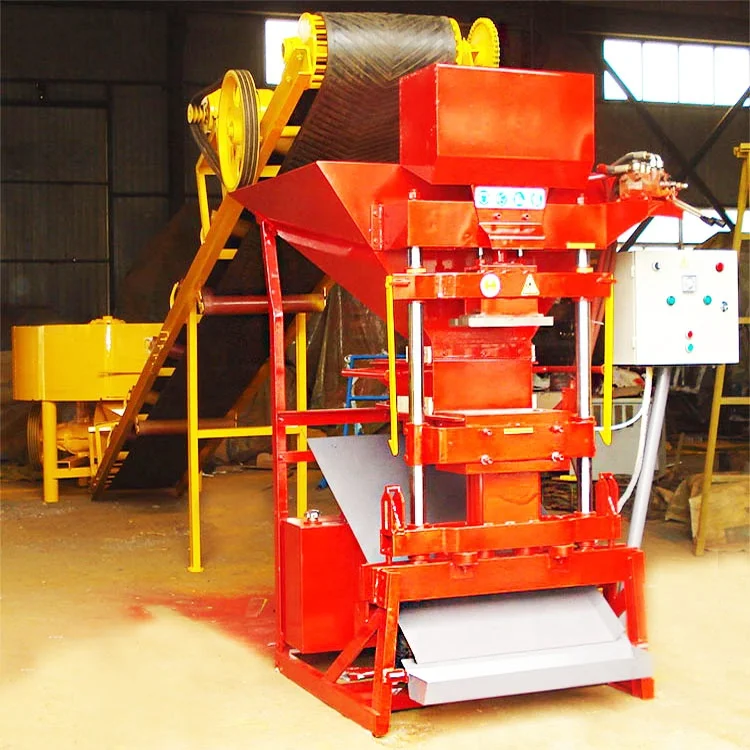

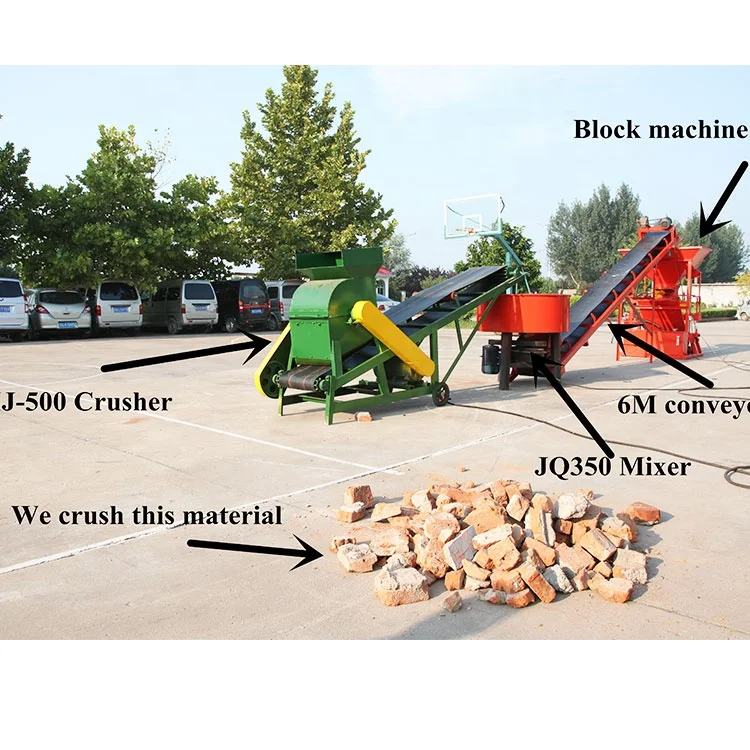
Description
Matched Control Logic — PLC timing on the ECO2700 removes manual cycle variation, locking the 10-15s press sequence to deliver repeatable density block after block.
Technical Specifications
| Parameter | Value |
|---|---|
| Model | ECO2700 |
| Product Type | Manual Interlocking Brick Machine |
| Forming Method | Hydraulic press |
| Forming Cycle | 10-15 s per press |
| Productivity (250×125×100 mm interlock block, 1 pc/mold) | 240 pcs/hour, 2400 pcs/day |
| Productivity (300×150×100 mm interlock block, 1 pc/mold) | 240 pcs/hour, 2400 pcs/day |
| Output Capacity | 3000-4000 blocks per day, 8 hours (basis not stated in source — confirm block format, material, and thickness) |
| Power Source | Electric motor |
| Rated Power | not stated in source |
| Voltage & Frequency | configurable — confirm destination standard |
| Control System | Manual (PLC upgrade path available) |
| Automation Level | Manual, upgradeable to semi-automatic or fully automatic |
| Operating Staff | 1-2 workers (manual mode) |
| Mould Format | Interlock blocks, pavers; custom moulds per customer requirement |
| Raw Materials | Clay, soil, cement, or other construction dregs |
| Overall Dimensions (L×W×H) | 1600 × 1300 × 2400 mm |
| Net Weight | 900 kg |
Application Suitability
| Application | Material or Output |
|---|---|
| On-site interlocking block production for housing projects | Clay, soil, cement blends |
| Small-scale paver manufacturing | Cement and construction dregs |
| Low-investment startup block plants | Local soil-cement mixtures |
| Contractor-produced blocks for development sites | Volcanic ash soil, laterite, or clay with cement binder |
| Custom-format brick runs for niche building markets | Customer-specific mould designs |
Why Manual Cycle Timing Undermines the ECO2700’s Consistency
A PLC-controlled interlock brick machine replaces the operator’s stopwatch with a locked sequence, so every press cycle runs at the same pressure and duration regardless of shift changes or fatigue.
When I first supported interlock brick production in Southeast Asia, the blocks pressed at the start of a shift always looked denser than those from the final hour. The reason was never the raw material — it was the human rhythm drifting as the day wore on. On a manual machine like the ECO2700, the operator controls feed, press, and ejection timing by feel. That variability directly affects block density, especially when local soils carry higher moisture and demand consistent pressure application. An automatic interlocking block machine setup addresses this by assigning each step a fixed duration inside the PLC, eliminating pace drift entirely [NEED_CITE: PLC timing control principles in hydraulic block forming].
From Manual Press to Consistent Block Line
The ECO2700 begins as a manual hydraulic interlock press with a 10-15s forming cycle. In its base configuration, one or two workers manage material feeding, lever actuation, and block removal. Introducing PLC control converts those manual decisions into timed solenoid valve sequences. The hydraulic press then applies identical pressure for identical duration on every stroke, which is the foundation of batch-to-batch consistency. A PLC controlled interlock brick machine ensures the operator transitions from controlling the cycle to monitoring it.
Automation Stages That Remove Operator Variables
The upgrade path is staged rather than all-or-nothing. Adding automatic pallet feeding eliminates the need for a worker to position pallets by hand between cycles. Automatic stacking then removes blocks from the press area without manual lifting, reducing the crew to a single monitor. Each stage connects to the same PLC, so the controller manages feed timing, press cycle, and ejection in one coordinated sequence. This modularity lets a plant owner start with PLC control on the press, then add pallet handling and stacking as production volume grows [NEED_CITE: phased automation integration in block production lines].
Reading the Specification Sheet for Automation Decisions
The forming cycle of 10-15s sets the upper limit on throughput — the PLC simply ensures that limit is reached consistently. Hydraulic press forming, as opposed to vibration-based systems, relies on sustained pressure rather than frequency, making solenoid valve control straightforward and responsive. The machine’s 900 kg mass provides a stable base for repeated hydraulic strokes without frame deflection affecting block dimensions. Voltage and frequency must be confirmed before the PLC panel is wired, because control components are specific to the destination power supply. The operating staff specification of 1-2 workers applies to manual mode; with automatic pallet feeding and stacking, the headcount drops while the consistency improves.
The Cost of Skipping the Voltage and Language Check
I once saw a block press arrive at a Southeast Asian site only for the PLC display to show parameters in a language the local operators could not read. The machine ran, but every adjustment was a guess. Voltage mismatch is worse — it either trips breakers on startup or quietly degrades solenoid valves over weeks, leading to inconsistent hydraulic pressure that operators blame on the raw material mix [NEED_CITE: voltage mismatch effects on hydraulic solenoid valve lifespan]. Confirming voltage, frequency, and PLC display language before production starts avoids both the immediate commissioning delay and the slow drift in block quality that follows unverified electrical configuration.
What Makes This Machine Configuration Different
Shiyue treats block machinery as a single focus, so the ECO2700 press, mould, pallet, and handling equipment are specified as one matched system rather than sourced separately. Configuration is set against the buyer’s actual mix design and local aggregate — not a catalogue default — which matters especially when soils like volcanic ash behave differently from standard sand. Mould design covers the interlock and paver formats the buyer’s market actually sells, with custom drawings available. The automation level is selectable, meaning a buyer can commission the ECO2700 as manual and upgrade to semi-automatic or fully automatic stacking and cubing later. Installation includes on-site commissioning with operator training specific to the chosen automation tier.
Documentation & Verification
- Machine specification sheet stating selected automation level — manual, semi-automatic, or fully automatic with stacking
- PLC and electrical schematic matching the confirmed voltage, frequency, and control language
- Mould drawing and format list for each interlock block and paver profile ordered
- Factory test record running the buyer’s target block format before dispatch
- Capacity calculation sheet stating the exact block format and cycle time assumed
Installation, Commissioning & Support
- Foundation must support the ECO2700’s 1600 × 1300 mm footprint and 900 kg static load plus dynamic hydraulic forces
- Dedicated electrical circuit at confirmed voltage and frequency for the electric motor and PLC panel
- Machine ships as a single assembly; on-site placement requires clearance for the 2400 mm height
- Commissioning includes PLC parameter loading matched to the selected mould and material mix
- Operator training covers PLC interface navigation, fault codes, and manual override procedures
- Spare solenoid valves and hydraulic seals listed for first-year maintenance scheduling
What to Prepare Before Inquiry
To configure the ECO2700 with the right automation level, share the target block format and dimensions, the local raw material type and typical moisture content, and the daily output requirement. Confirm the site voltage, frequency, and preferred PLC display language. If existing pallets or curing racks are already on site, provide their dimensions so the automatic feeding and stacking can be matched.
Frequently Asked Questions
Q: Can the ECO2700 be upgraded from manual to PLC-controlled automatic operation?
A: Yes. The ECO2700 supports a staged upgrade path starting with PLC control on the hydraulic press cycle. Automatic pallet feeding and stacking can be added afterward, with the same PLC managing each new station. The control system is designed to accommodate these additions without replacing the base machine, so the upgrade investment builds on the existing press rather than requiring a new one.
Q: How does PLC control improve consistency compared to manual timing?
A: In manual mode, the operator controls feed, press duration, and ejection by feel, which introduces variation across a shift. PLC control assigns a fixed duration and sequence to each step, so the 10-15s forming cycle repeats identically every time. This removes pace drift and ensures the hydraulic pressure is applied uniformly, producing blocks with consistent density from the first cycle to the last.
Q: What voltage and PLC display language options are available?
A: Voltage and frequency are configured to match the destination site standard before the control panel is assembled. The PLC display language is confirmed during the ordering stage so operators can read parameters and fault codes in their working language. Both specifications must be finalized before production to avoid on-site commissioning delays.
Q: How does automatic pallet feeding change the labour requirement?
A: The ECO2700 in manual mode requires 1-2 workers for material feeding, press operation, and block handling. Adding automatic pallet feeding removes the manual pallet positioning task. With automatic stacking added as well, a single operator monitors the line rather than physically handling each cycle, reducing labour while improving cycle-to-cycle consistency.
Q: Can remote diagnostics be added to the PLC later?
A: The PLC architecture on upgraded ECO2700 configurations can support remote diagnostics modules that allow off-site parameter review and fault identification. This is discussed during the automation level selection so the control panel hardware includes the necessary communication interface from the start, avoiding a panel retrofit after installation.