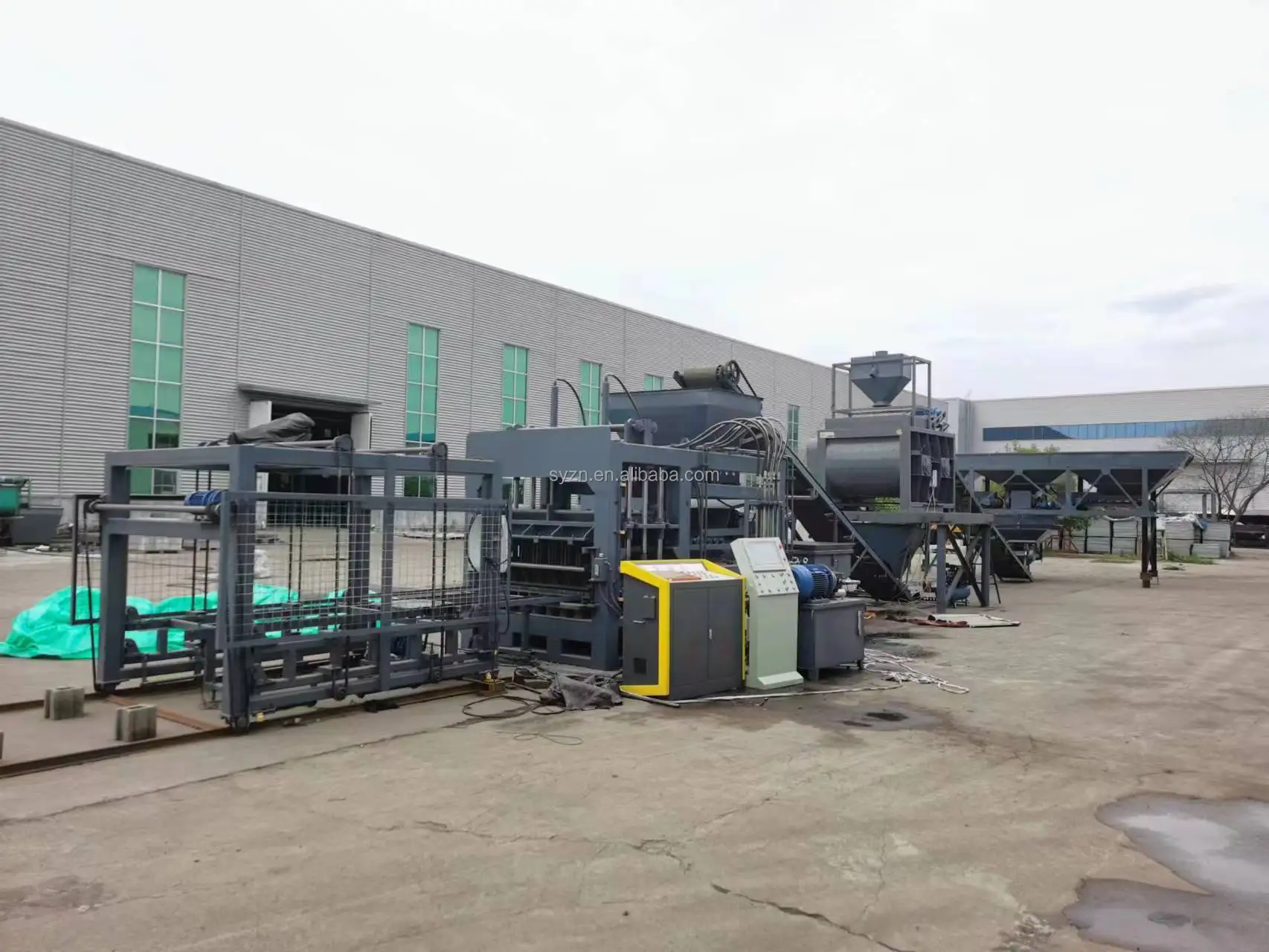
Description
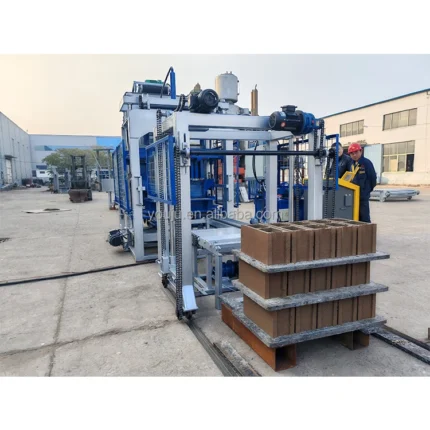
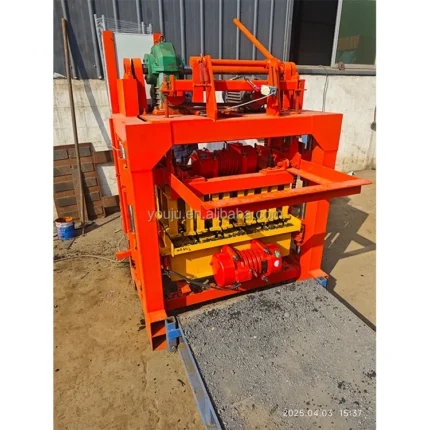
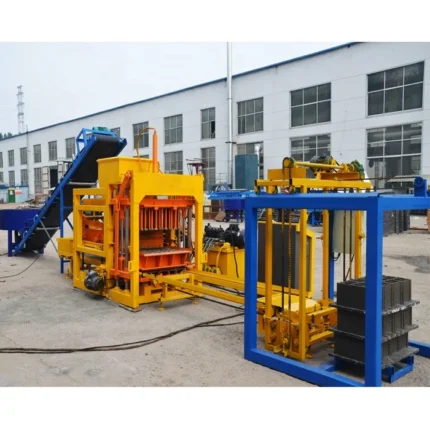
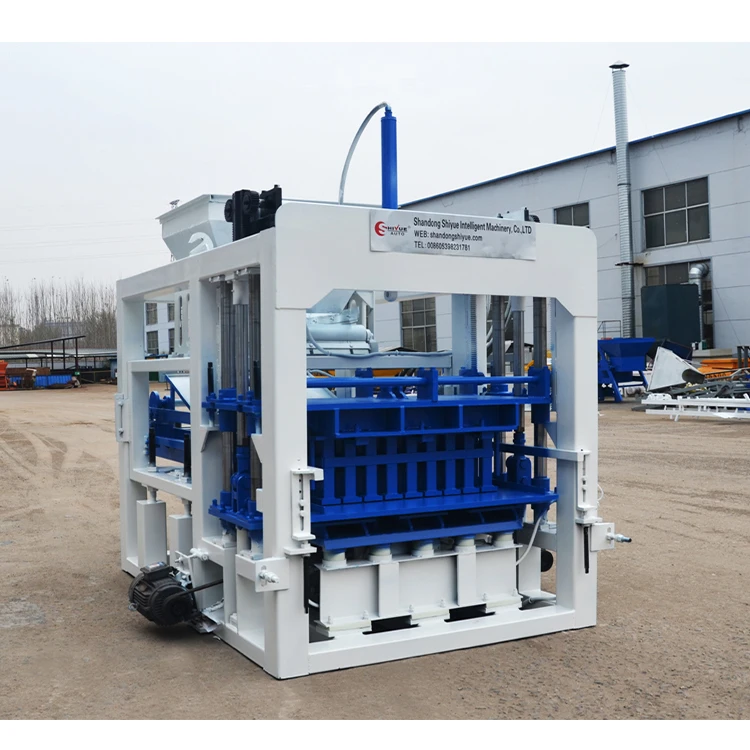
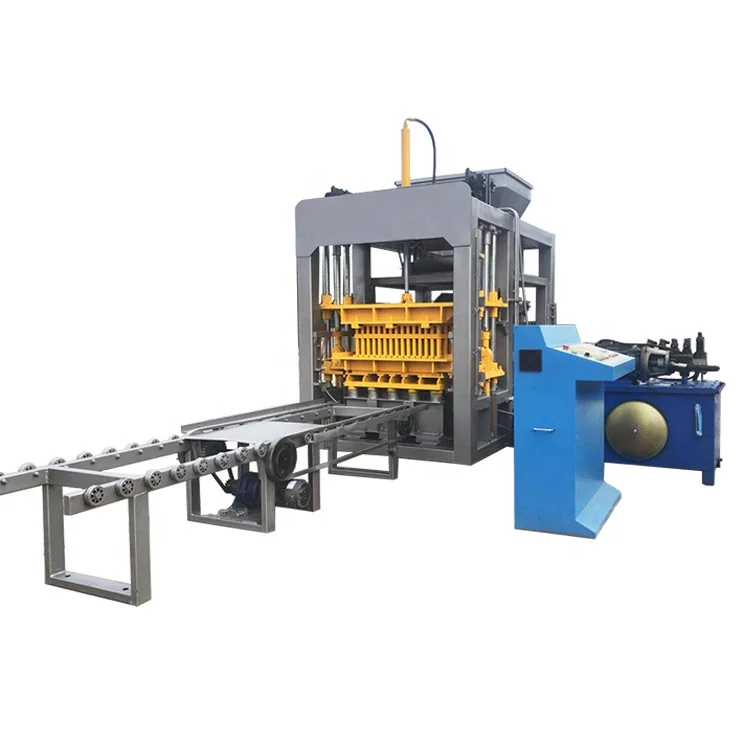
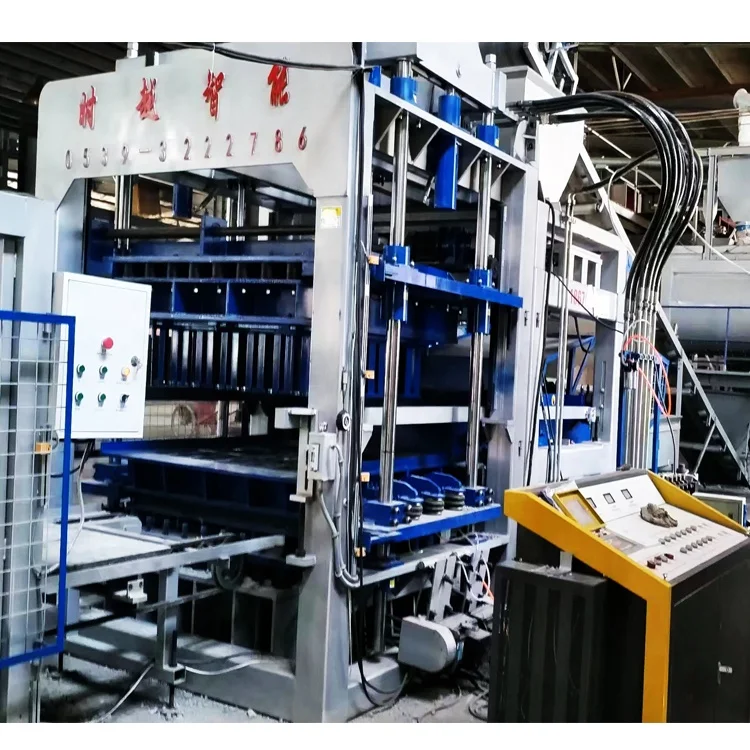
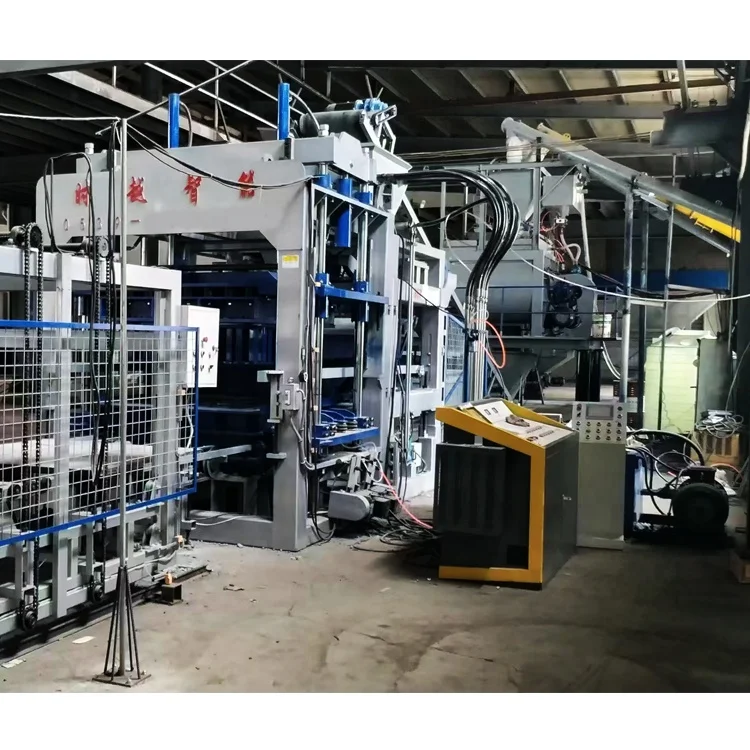
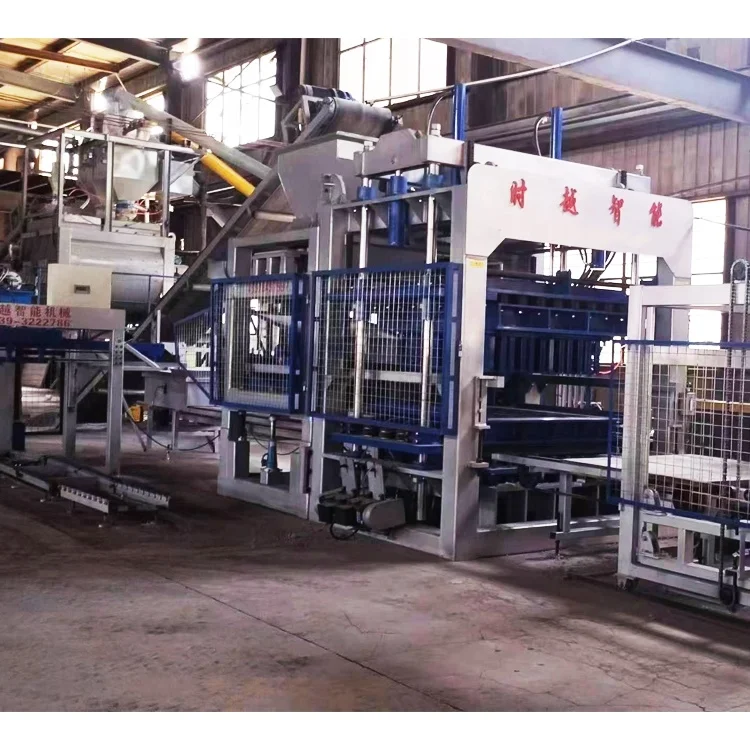
The QT15-15 operates as a fully configurable platform where PLC logic, vibration tuning, and automation scope are locked to your actual block format and site conditions before production begins, not left as catalogue defaults.
Technical Specifications
| Parameter | Value |
|---|---|
| Model | QT15-15 |
| Product Type | Stationary Concrete Block Making Machine |
| Overall Dimensions (L×W×H) | 9350×2520×2950 mm |
| Net Weight | 15 T |
| Rated Power | 45.7 kW |
| Voltage & Frequency | 380V or configurable to buyer requirements (frequency to be confirmed per target market) |
| Control System | PLC with selectable display language and brand options (to be confirmed before production) |
| Hydraulic Pressure | 21 MPa |
| Pallet Size | 1350×850×40 mm |
| Vibration System | Four external vibration motors with reduced per-motor starting load |
| Upper Mould Synchronization | Dual-side synchronous gear, four-point stabilization |
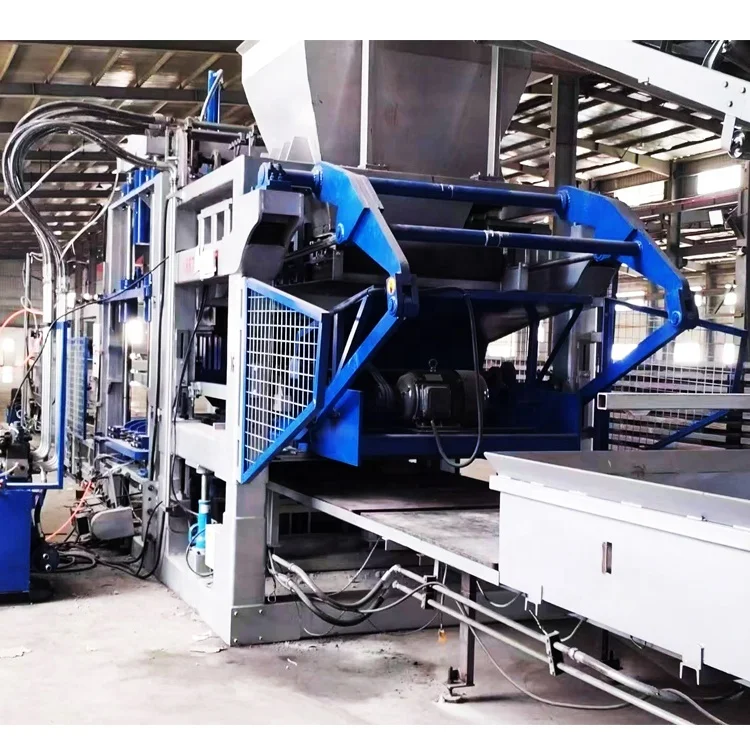
| Material Feeder | Cylinder with turning arm (European design) |
| Vibration Damping | Airbag system with adjustable air pressure per brick type |
| Output — 400×200×200 mm Hollow Block | 3,600 pcs/h (15 pcs/mould); 28,800 pcs/day |
| Output — 400×150×200 mm Hollow Block | 4,320 pcs/h (16 pcs/mould); 34,560 pcs/day |
| Output — 240×115×53 mm Solid Brick | 14,000 pcs/h (62 pcs/mould); 112,000 pcs/day |
| Cycle Time | To be confirmed per block format |
| Mould Change Time | To be confirmed |
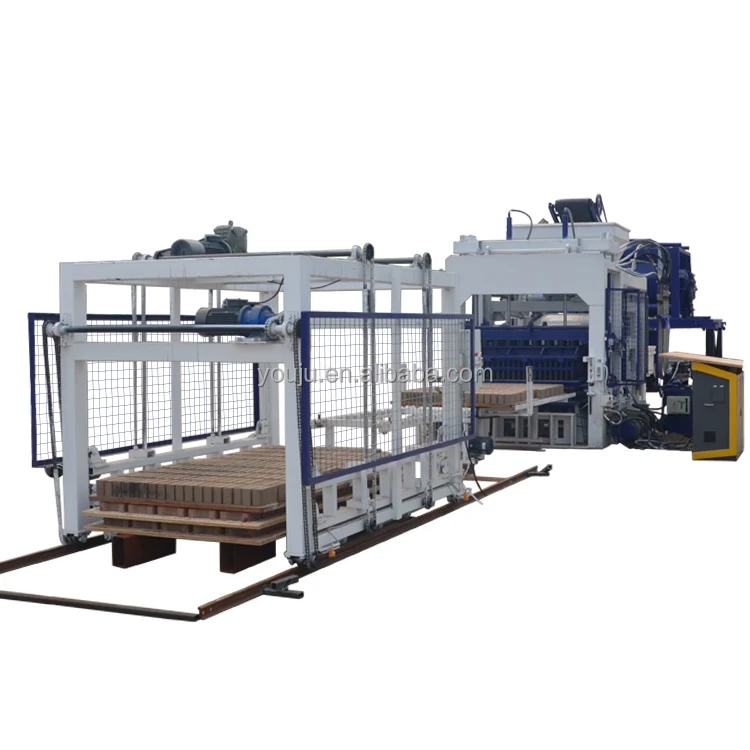
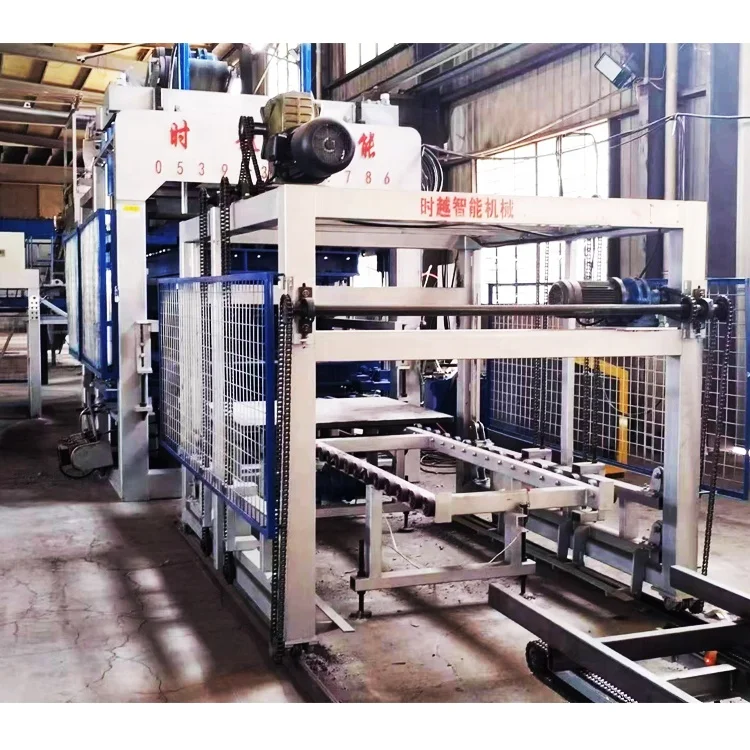
| Automation Level | Configurable from semi-automatic to fully automatic stacking and cubing (scope to be confirmed) |
| Color Options | According to buyer request |
| Warranty | 1 year |
| Standards | ISO 9001:2008, CE |
Application Suitability
| Application | Material or Output |
|---|---|
| Hollow block production for block plants | Crushed stone, cement, sand mix producing 400×200×200 mm and 400×150×200 mm blocks |
| Solid brick manufacturing | Cement and fine aggregate producing 240×115×53 mm standard bricks |
| Paving block and kerbstone production | Interlocking and paving formats on the same pallet platform with mould changeover |
| On-site contractor block production | Housing project contractors producing structural blocks locally from site-available aggregate |
| Concrete product manufacturers adding formats | Existing plants expanding into interlocking bricks or porous bricks with custom mould tooling |
What "14,000 Pieces per Hour" Actually Means for Your Shift Plan
Every capacity figure on this page is tied to a specific block size, mould cavity count, and assumed cycle — the numbers are meaningless without that context.
When a quotation lists a single hourly output without naming the block format behind it, the real daily tonnage almost always disappoints. I have watched plant owners run their machines for a full week before realizing the quoted capacity assumed a solid brick they never intended to sell. The automatic QT15-15 block machine delivers 14,000 pieces per hour only on 240×115×53 mm solid bricks at 62 pieces per mould. Switch to 400×200×200 mm hollow blocks and the same machine produces 3,600 pieces per hour at 15 pieces per mould. Neither number is better or worse — they are simply different products requiring different planning [NEED_CITE: block format and cycle time relationship in concrete masonry production]. The PLC controlled concrete block making machine stores recipes so you can switch between these formats without losing batch-to-batch settings.
Programmable Recipes Remove Operator Guesswork
The PLC system on this automatic QT15-15 block machine stores individual recipes for each mould installed on the line. Vibration duration, hydraulic pressure hold time, and feeder cycle are all saved per format, so the operator selects a recipe from the HMI rather than adjusting parameters manually each time a mould change occurs. This matters when your plant runs hollow blocks in the morning and paving blocks after lunch — the transition depends on stored settings, not on one experienced operator remembering the right numbers.
Airbag Vibration Tuning Without Mechanical Changeover
Most stationary machines require physical adjustment of eccentric weights when switching between a dense hollow block and a lighter interlocking paver. The airbag damping system on the QT15-15 changes vibration amplitude through adjustable air pressure instead. The operator dials the pressure up or down from the control panel based on the mix design and block type currently running [NEED_CITE: vibration amplitude adjustment methods in concrete block presses]. This keeps the PLC controlled concrete block making machine producing consistent density across formats without stopping the line for mechanical recalibration.
Reading the Spec Sheet Against Your Actual Product Mix
The 21 MPa hydraulic pressure works in combination with the four-motor vibration system to compact the mix inside the mould cavity. Higher pressure alone does not guarantee block strength — the vibration must match the aggregate particle size and cement ratio your local materials provide. The dual-side synchronous gear with four-point stabilization keeps the upper mould descending evenly, which prevents density variation between the left and right sides of the pallet. The 1350×850×40 mm pallet size must align with your curing rack spacing and the forklift tine width already on site. If your curing yard uses 1200 mm pallets, this machine configuration will not fit without modifying your entire handling system [NEED_CITE: pallet size compatibility with curing and handling infrastructure].
The Cost of Skipping the Voltage and Language Conversation
A machine that arrives with the wrong voltage frequency or a control panel in a language the operators cannot read will sit idle until the issue is corrected. I worked on a shipment where the PLC display shipped in English while the site team in West Africa only read French — commissioning stalled for days while a language pack was prepared and loaded remotely. The automatic QT15-15 block machine ships with configurable voltage and selectable PLC display language, but these must be confirmed in writing before the control cabinet is wired. Leaving this to "standard configuration" is the most common reason a new line does not run on day one [NEED_CITE: PLC language and voltage confirmation in export machinery].
Why Buyers Come Back for the Second Line
The QT15-15 platform is specified as a matched system — machine, mould, pallet, and handling equipment are sized together against your target block format and local aggregate, not pulled from separate catalogues. Automation level is selectable at order, so you can start with semi-automatic pallet handling and add automatic stacking and cubing later without replacing the press. Every capacity calculation we provide names the exact block format and mould cavity count behind each number. Mould designs cover the formats your market actually buys, including custom drawings when standard tooling does not match. Installation support includes operator training on the PLC recipe system so your team can manage format changes independently after we leave site.
Documentation & Verification
- Line layout showing pallet flow from feeder through press to stacking station
- Capacity calculation sheet stating block format and cycle time for each output figure
- PLC brand confirmation and display language sign-off before cabinet wiring
- Hydraulic and electrical schematics matching the as-built configuration
- Factory test record run on your specified mould and block format
- Mould drawing set and format list covering all ordered tooling
Installation, Commissioning & Support
- Foundation pad sized to the 9350×2520 mm footprint with vibration isolation per the 15 T operating weight
- Dedicated power circuit rated for the 45.7 kW total load at your confirmed voltage and frequency
- Machine arrives in dismantled state for container loading; reassembly and alignment performed on site
- PLC parameter setup and recipe programming for each ordered mould completed during commissioning
- Operator training covers recipe selection, airbag pressure adjustment, and mould changeover procedure
- Wear parts list and mould maintenance schedule provided at handover
What We Need to Move Forward
To configure this automatic QT15-15 block machine for your line, share your target block formats with dimensions, the daily volume you need per format, and your local aggregate type. Confirm your site voltage, frequency, and the language your operators read on a control screen. Let us know whether pallet stacking and cubing should be included or if your existing handling equipment will cover those stations.
Frequently Asked Questions
Q: How is output capacity verified per block format, and what cycle time does each format assume?
A: Every capacity figure is calculated against a specific block dimension and mould cavity count. For example, 3,600 pieces per hour assumes 400×200×200 mm hollow blocks at 15 cavities per mould. We provide a written capacity sheet listing cycle time per format so your shift planning matches reality.
Q: What PLC brand and display language are supplied, and can the system store multiple mould recipes?
A: PLC brand and display language are confirmed before production to match your market. The system stores individual recipes for each mould, saving vibration time, pressure hold, and feeder cycle so operators select a program rather than dial settings manually.
Q: What automation level is included — is stacking, pallet feeding, and cubing part of the line or optional?
A: Automation scope is selectable. You can order the QT15-15 as semi-automatic with manual pallet handling, or include automatic pallet feeding, stacking, and cubing. The upgrade path lets you add automation stations later without replacing the press.
Q: How does the airbag vibration system adjust to different mix designs and block types?
A: The airbag system changes vibration amplitude through adjustable air pressure set at the control panel. The operator tunes pressure based on the current block type and mix, avoiding mechanical changeover between formats and maintaining consistent density across production runs.
Q: What is the upgrade path from semi-automatic to fully automatic operation on this platform?
A: The machine platform remains the same. Automatic pallet feeding, stacking, and cubing modules can be added to an existing semi-automatic line. The PLC system is pre-wired to accept these modules, so the upgrade involves mechanical installation and parameter activation rather than a full control replacement.