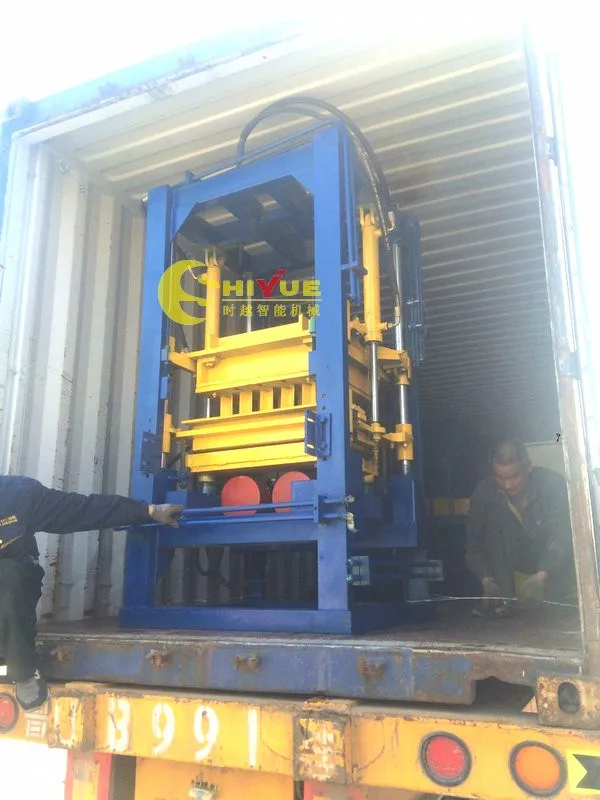
Description
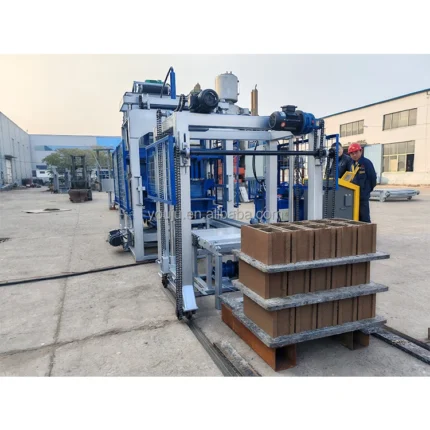
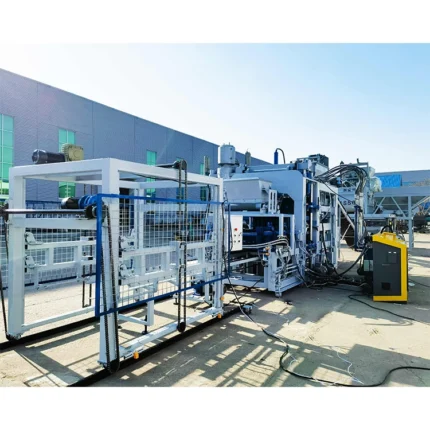
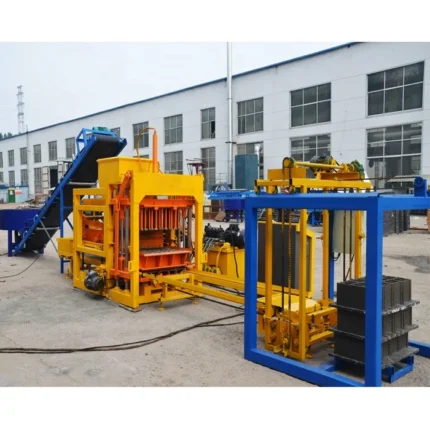
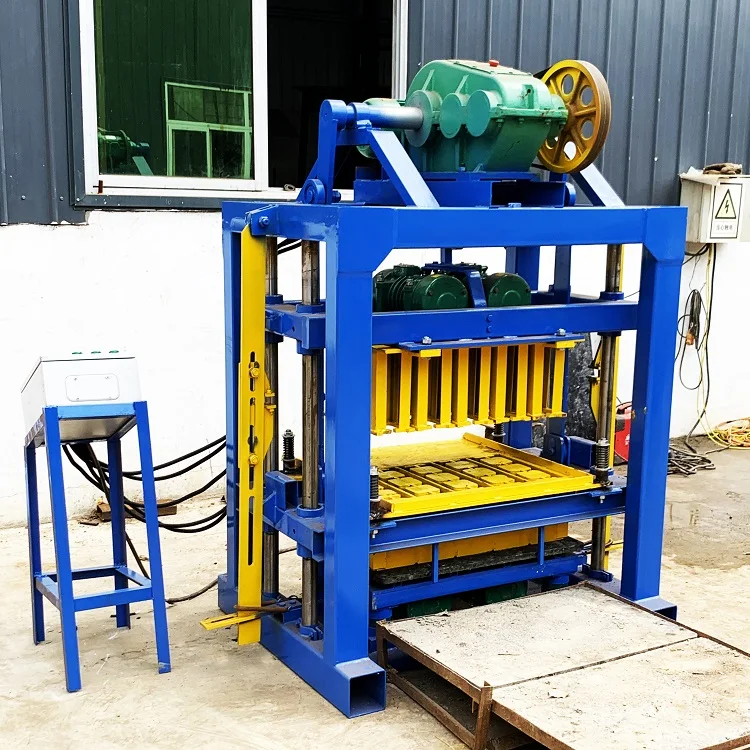
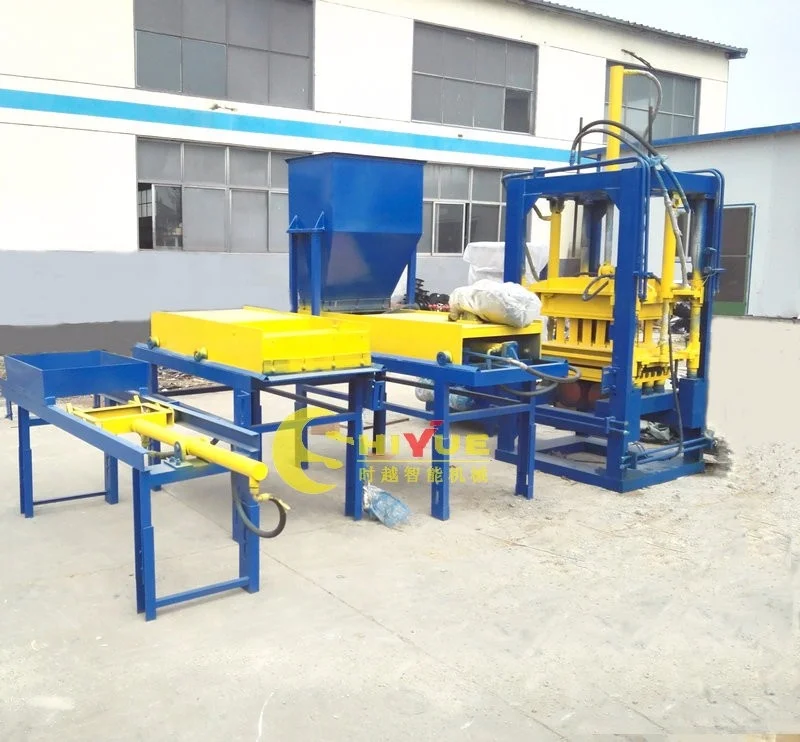
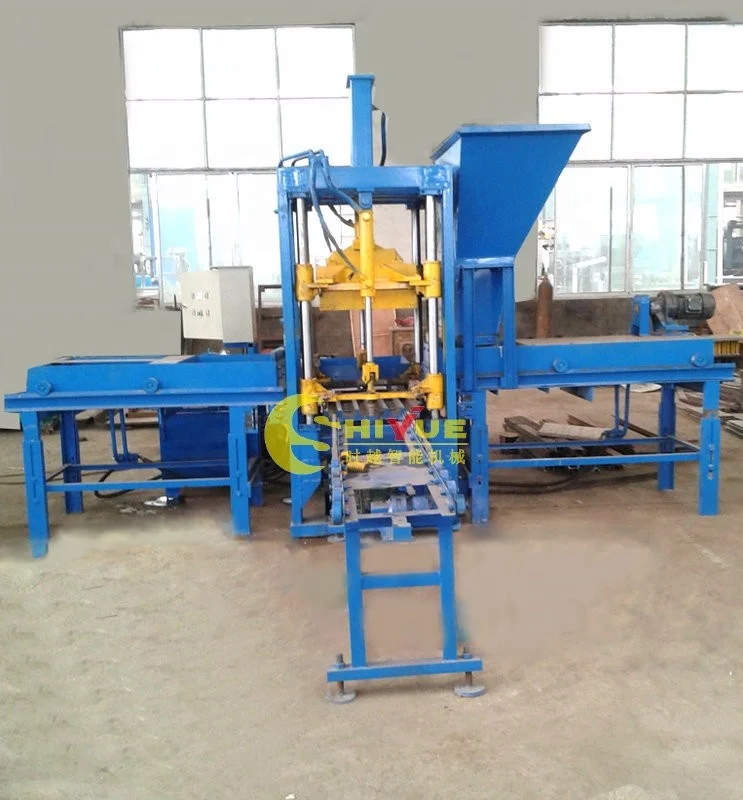
Hydraulic and vibration tuning — The QTF3-20 pairs platform vibration with hydraulic pressure as a matched system, configured against the buyer’s actual mix design rather than assembled from separate supplier defaults.
Technical Specifications
| Parameter | Value |
|---|---|
| Model | QTF3-20 |
| Product Type | Stationary Block Making Machine |
| Overall Dimensions (L×W×H) | 4000×3500×2300 mm |
| Net Weight | 2870 kg |
| Total Power | 17.5 kW |
| Vibration Form | Platform Vibration |
| Control System | Semi-Automatic |
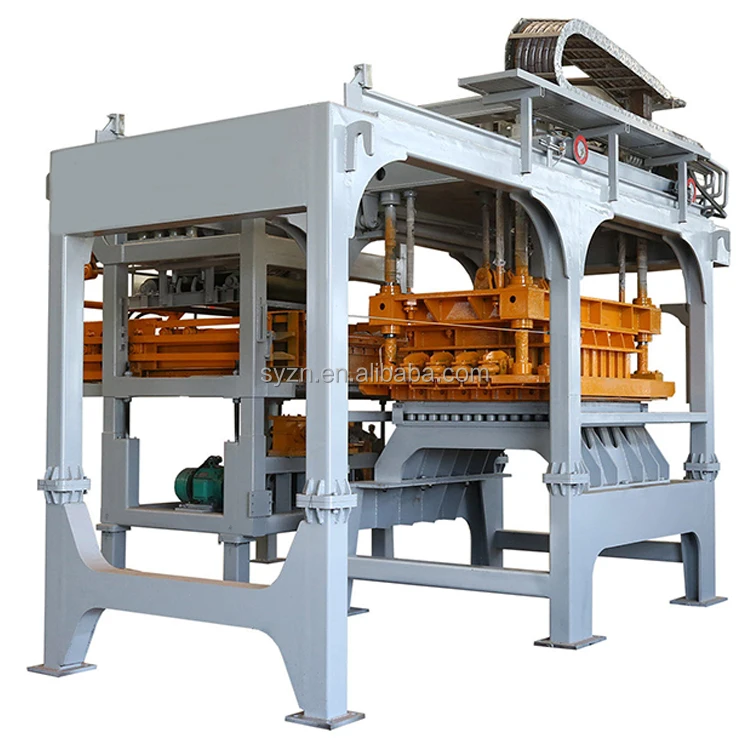
| Host Machine Structure | Overall frame structure, #12 U-bar welding |
| Hydraulic System | Hydraulic drive with imported components (Germany or Chinese famous brand) |
| Monitoring | No-contact proximity switch |
| Material Feeding | Double layer (raw material and color surface material) |
| Vibration System Components | Vibration motor, vibration table, vibration box, vibration rubber block and spring |
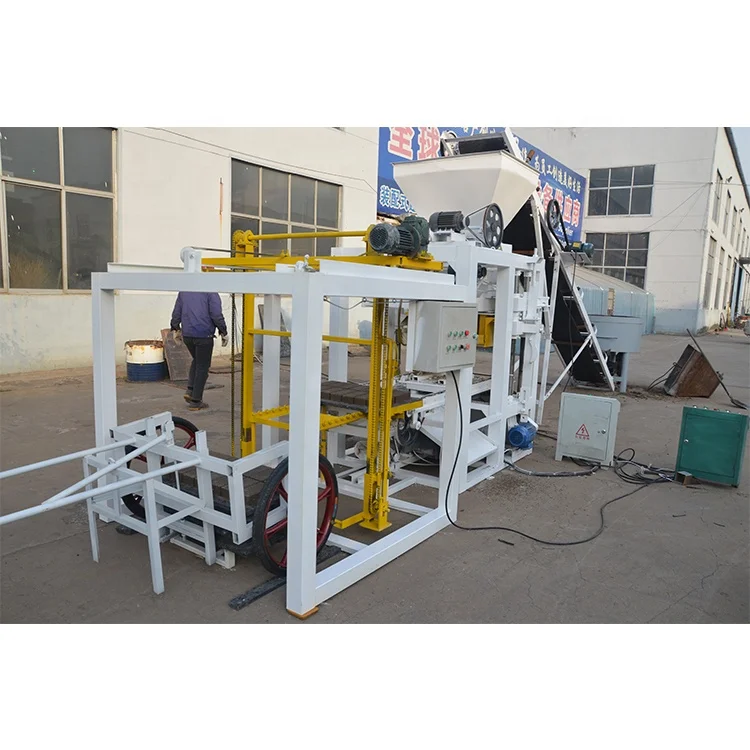
| Line Configuration | Can form simple line with JQ350 mixer and 8-meter conveyor belt |
| Output Capacity | 4320 pcs/day (basis not stated in source — confirm block format / material / thickness) |
| Raw Material Compatibility | Cement, Sand, Fly Ash, Coarse aggregate, Slag, etc. |
Application Suitability
| Application | Material or Output |
|---|---|
| Hollow Block Production | Cement, sand, fly ash, coarse aggregate blends for structural masonry |
| Color Paver Manufacturing | Double-layer feeding for surface pigmented concrete on standard base mix |
| Interlocking Brick Runs | Crushed stone and cement mixes requiring high platform vibration compaction |
| Porous and Permeable Bricks | Open-graded aggregate mixes for drainage applications in park and municipal projects |
| Slope Protection and Kerbstone | Dense concrete mixes requiring hydraulic pressure consolidation |
Why "Daily Output" Means Nothing Without the Block Format Named
A capacity plate that reads 4320 pieces per day without stating which block size, wall thickness, or curing cycle it assumes will mislead any buyer who plans staffing and pallet inventory around that number. The QTF3-20 output figure must be recalculated against the specific block format and local mix design before it becomes a planning tool. In practice, a 400×200×200 mm hollow block and a 200×100×60 mm interlocking paver pull vastly different cycle times from the same press, and the pallet return speed often becomes the real bottleneck once the press itself is running [NEED_CITE: typical cycle time variance across hollow block versus paver formats on semi-automatic stationary presses]. When the quotation omits this breakdown, buyers discover on the first production week that their daily total falls well below the figure they budgeted around.
How PLC Language and Voltage Shape the First Week On-Site
I once shipped a QTF3-20 to a West African block plant where the operator had never read a Chinese-language alarm code. The proximity switch flagged a pallet misalignment on the first morning, the panel displayed the fault in Mandarin, and the entire commissioning day dissolved into a phone call where I translated each error line by line. The automatic stationary block making machine is only as intelligent as the interface the operator can actually read under production pressure.
The Semi-Automatic Starting Point and Where It Ends
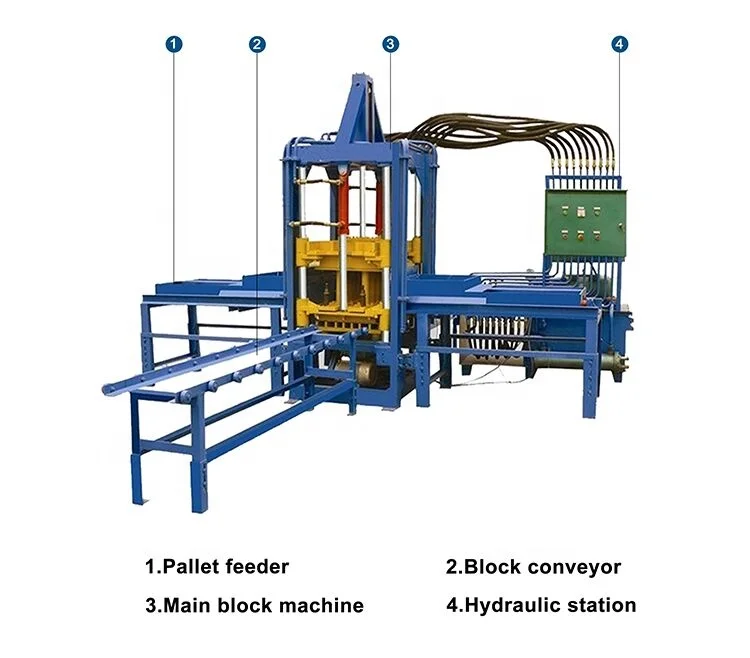
The QTF3-20 control system handles the press cycle, material feed timing, and vibration duration automatically, but pallet feeding and block stacking still require manual or auxiliary mechanical intervention at this configuration tier. This is a deliberate entry point for buyers who want to learn their local block market before committing capital to full stacking and cubing automation. The imported hydraulic and electrical components mean that when the buyer later chooses to add automatic pallet feeders and stackers, the PLC controlled block machine architecture already supports those modules without a full panel replacement [NEED_CITE: semi-automatic to full automation upgrade paths on stationary block presses].
Reading the Spec Sheet Against Real Production Conditions
The 17.5 kW total power rating covers the vibration motor, hydraulic pump, and feeder drive simultaneously — buyers in regions with unstable grid voltage should confirm whether their local supply can sustain this draw without tripping upstream breakers during peak vibration cycles. The platform vibration form, combined with hydraulic pressure, determines the compaction density of each block; if the local aggregate is unusually abrasive or the sand has high clay content, the vibration force and hydraulic pressure must be recalibrated together, not adjusted in isolation. The #12 U-bar welded frame is designed to resist the continuous vibration load without losing alignment over years of production, but this only holds if the foundation is poured level and cured before the machine is bolted down. The double-layer feeding system adds a color surface material hopper above the base mix feeder, which extends cycle time slightly on paver runs but eliminates the need for a separate surface treatment step afterward [NEED_CITE: double-layer feeding cycle time impact on color paver versus standard hollow block production]. The no-contact proximity switch monitors pallet and mould position without mechanical wear, reducing the failure points that plague limit-switch systems in dusty block plant environments.
What Happens When Pallet Size Is Chosen Without Checking the Curing Yard
If the pallet dimensions specified for the QTF3-20 do not match the curing rack spacing or the forklift tine width already in the buyer’s yard, the entire post-press handling chain breaks down on day one. Blocks arrive at the curing area and cannot be racked, or the forklift cannot lift a loaded pallet without tipping, forcing the plant to hand-stack output and lose the throughput the press was sized to deliver. This is not a press problem — it is a specification gap that should have been closed before the machine entered production [NEED_CITE: pallet size and curing rack compatibility in semi-automatic block plant layouts]. The QTF3-20 quotation must therefore include the pallet size and material confirmed against the buyer’s existing curing infrastructure, not chosen from a catalogue default.
Why Configuration Integrity Matters More Than Catalogue Price
The QTF3-20 is specified as one matched system where the hydraulic pressure rating, vibration force, mould design, and pallet dimensions are all set against the same target block format and local aggregate profile, rather than sourced from separate suppliers who each optimize their own component. Block machinery is our single focus, so the machine, mould, pallet, and handling equipment leave the factory as a coherent line. Mould design is available for the specific formats the buyer’s market actually sells, including custom drawings when standard catalogue moulds do not cover the required dimensions. Automation level is selectable, meaning a buyer can start the QTF3-20 in semi-automatic mode and add pallet feeding and stacking modules as production volume justifies the capital outlay. Voltage, frequency, and PLC display language are confirmed in writing before production begins, so the commissioning week is spent tuning cycle times, not translating error codes.
Documentation & Verification
- Line layout showing QTF3-20 press position relative to mixer, conveyor, and curing rack flow
- Capacity calculation sheet stating the exact block format each output figure assumes
- Mould drawing and format list confirming which block types the quoted cycle times cover
- Hydraulic and electrical schematic for local component sourcing and maintenance reference
- Voltage, frequency, and PLC language confirmation signed before production release
- Factory test record run on the buyer’s specified block format before dispatch
Installation, Commissioning & Support
- Foundation must be level-poured and fully cured before bolting down the 2870 kg QTF3-20 frame
- Dedicated 17.5 kW circuit with correct voltage and frequency confirmed before first power-on
- Machine arrives dismantled for container loading; reassembly supervised during on-site commissioning
- PLC display language verified against operator capability before cycle tuning begins
- Operator training covers mould change procedure, proximity switch reset, and double-layer feed calibration
- Wear parts and mould list supplied so first replacement order can be placed before stock runs out
What We Need to Size the QTF3-20 to Your Plant
Before we issue a quotation, we need the specific block formats your market sells, the daily volume target for each format, and the local raw material profile including aggregate type and cement grade. We also need your site voltage and frequency, the PLC language your operators read, and the pallet dimensions your existing curing racks and forklifts can accept. If you already have a mixer and conveyor in place, share their specifications so we can confirm the QTF3-20 line configuration will match.
Frequently Asked Questions
Q: How is the 4320 pcs/day capacity verified, and which block format does it assume?
A: The 4320 pcs/day figure is not verified against a named block format in the source data, so it must be recalculated once the buyer confirms the specific block dimensions, wall thickness, and local mix design. We provide a capacity calculation sheet with the quotation that states the cycle time and daily output for each format the buyer intends to produce, so the number used for planning is the number the press will actually deliver.
Q: What PLC control language and voltage configuration is set before shipment?
A: Voltage, frequency, and PLC display language are confirmed in writing and signed off before the QTF3-20 enters production. This prevents the commissioning delay that occurs when an operator cannot read the alarm codes on arrival. The control panel is set to the buyer’s specified language and electrical standard, and the factory test is run at that voltage before dispatch.
Q: How does the semi-automatic configuration upgrade to full automation later?
A: The QTF3-20 semi-automatic control architecture already supports the addition of automatic pallet feeders, stackers, and cubing systems without requiring a full panel replacement. Buyers typically start at semi-automatic to learn their local market, then add automation modules as daily volume and labour costs justify the investment. The imported hydraulic and electrical components are selected to remain compatible across this upgrade path.
Q: What mould formats are available, and what is the mould change time between formats?
A: Moulds are available for hollow block, solid block, interlocking brick, color paver, kerbstone, porous brick, and slope protection formats, with custom mould design to buyer drawings when standard catalogue options do not cover the required dimensions. Mould change time is not stated in the source data and must be confirmed against the specific mould mounting system chosen for the QTF3-20 configuration.
Q: How does the double-layer feeding system affect cycle time on color pavers versus standard hollow blocks?
A: The double-layer feeding system adds a second material feed cycle for the color surface layer on pavers and facing bricks, which extends the total cycle time compared to a single-layer standard hollow block run. The exact time difference depends on the surface material flow characteristics and the layer thickness specified, and is stated on the capacity calculation sheet for each format the buyer intends to produce.