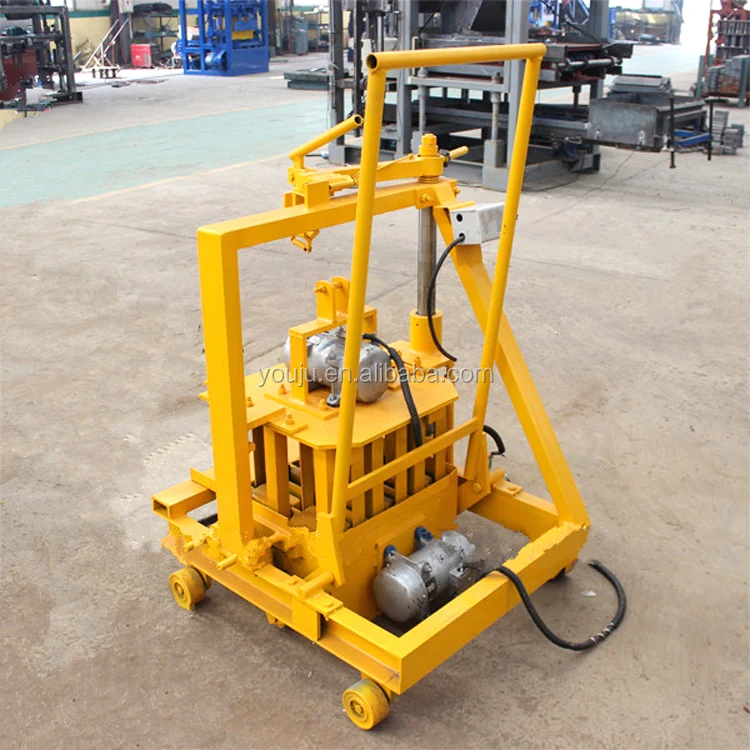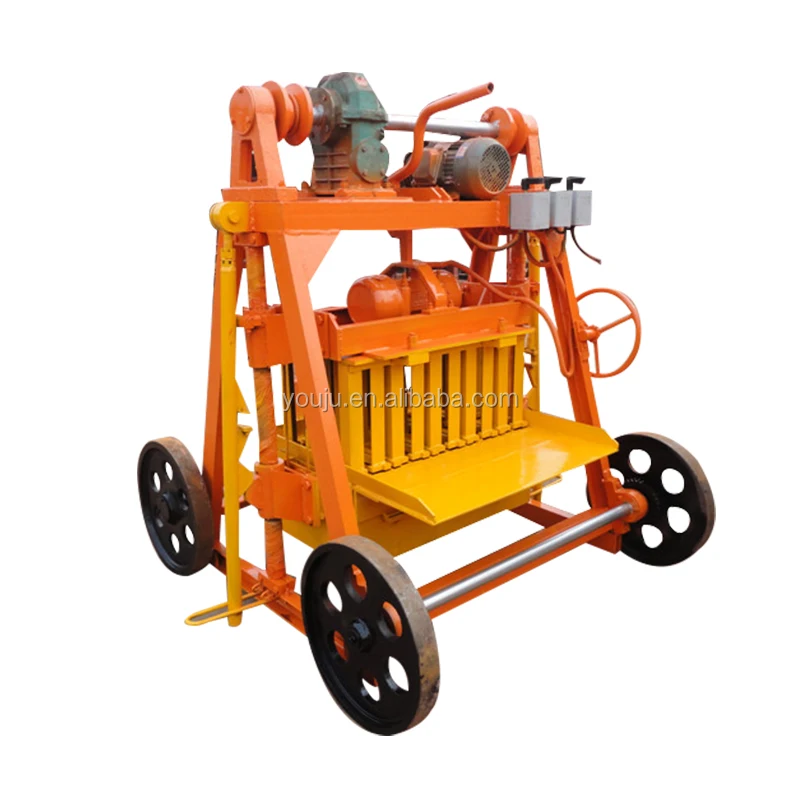
Description
Matched Control Systems — the QMJ4-45 mobile block machine is configured around the buyer’s target block format and local aggregate, not a catalogue default, so vibration force and cycle time stay consistent across batches.
Technical Specifications
| Parameter | Value |
|---|---|
| Model | QMJ4-45 |
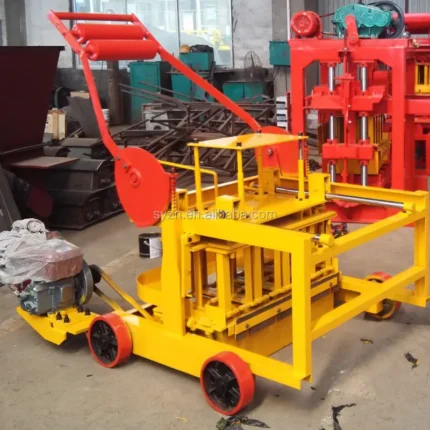
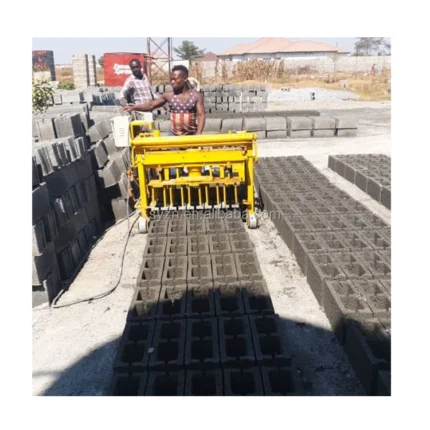
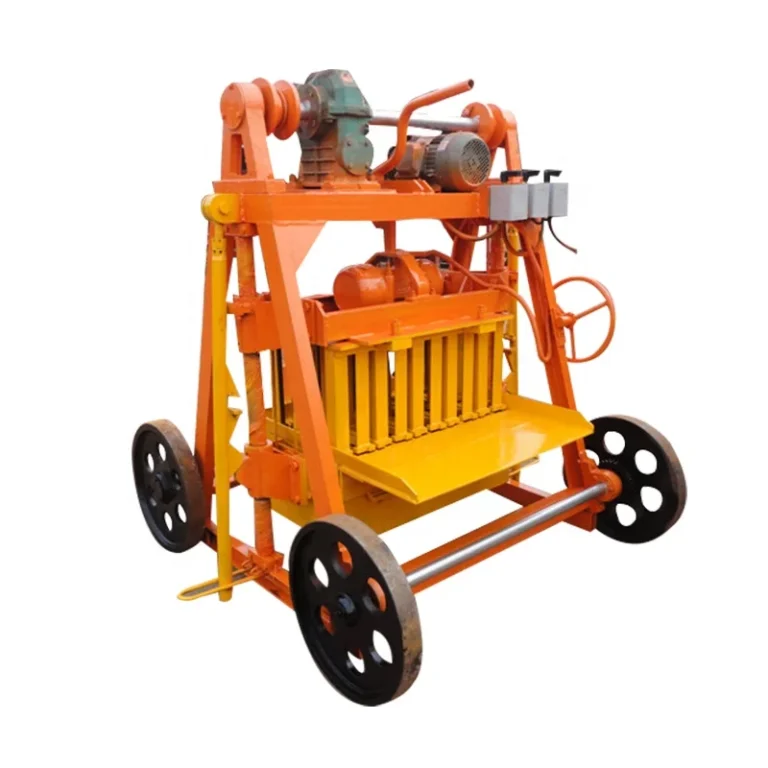
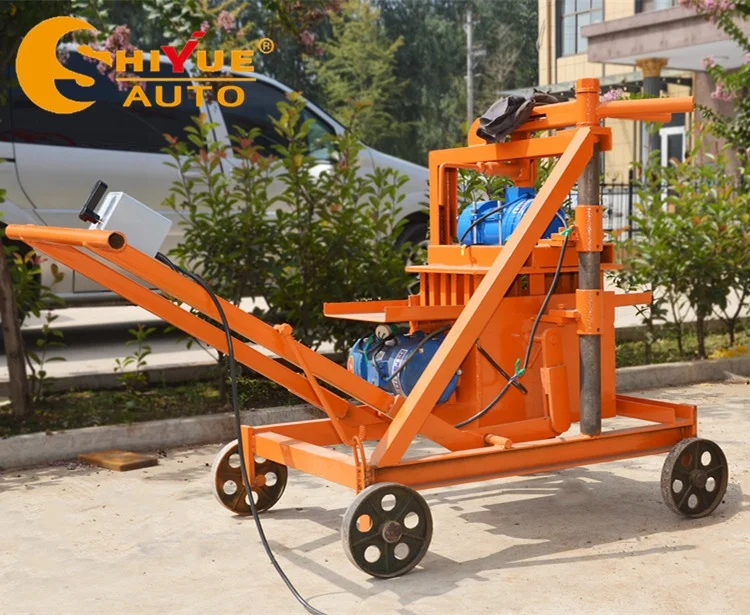
| Product Type | Mobile Egg-Laying Block Making Machine |
| Molding Capacity | 4 pcs per mould (based on 400×200×200mm hollow block) |
| Vibration Frequency | 2400 r/min |
| Output Capacity | 3000 pcs/day (based on 400×200×200mm hollow block; basis to be confirmed for other formats) |
| Forming Method | Twice-vibration mould system |
| Demold Method | Manual |
| Turning Method | Manual |
| Molding Cycle | 40–45 s (based on 400×200×200mm hollow block) |
| Total Power | 6 kW |
| Power Source | Diesel or petrol engine |
| Automation Level | Manual egg-laying, pallet-free |
| Pallet Size | N/A — pallet-free operation |
| Mould Formats | 400×200×200mm, 400×150×200mm, 400×120×200mm hollow block |
| Warranty | 1 year, whole machine |
Application Suitability
| Application | Material or Output |
|---|---|
| On-site hollow block production without fixed plant | Crushed stone, sand, cement mix laid directly on ground |
| Small-scale cement block manufacturing | Local aggregate with cement binder, pallet-free curing |
| Housing project block supply in off-grid areas | Diesel-powered production on remote construction sites |
| Entrepreneur first-block-plant setup | Low-investment hollow block runs with future automation path |
What "3000 Blocks a Day" Actually Means on a Pallet-Free Site
Daily output figures only hold when block format, mix design, and cycle time are stated together — everything else is guesswork.
Catalogue capacity numbers rarely tell you which block size was assumed. A machine rated at 3000 pieces per day on 400×200×200mm hollow blocks will produce noticeably fewer units when switched to a 400×120×200mm format because the mould cavity count and cycle behaviour differ. I have watched buyers receive a mobile block machine, run a smaller format, and wonder why the tally at end of shift falls short of what the brochure promised [NEED_CITE: block format assumptions in capacity ratings].
Consistent Density from a Twice-Vibration System
The QMJ4-45 automatic mobile block making machine uses a core vibration frequency of 2400 r/min through a twice-vibration mould arrangement. The first pass settles the mix into the cavity; the second compresses it further before the operator lifts the mould. This two-stage approach reduces voids inside the block wall, producing a denser unit with more predictable compressive strength from one batch to the next. For a contractor producing blocks directly on a job site, that consistency matters because every block must meet the same load-bearing requirement without laboratory testing between pours.
Removing Operator Variables from Egg-Laying Production
Manual egg-laying machines leave block quality partly in the operator’s hands — how long they hold the vibration, how evenly they feed the mix, how carefully they lift the mould. The PLC controlled egg-laying block machine concept addresses this by standardising vibration duration and cycle timing so the human element is limited to feeding and walking the unit forward [NEED_CITE: operator influence on manual block consistency]. On sites where multiple workers take turns running the machine across a long shift, this repeatability prevents the last hour’s output from being weaker than the first.
Reading the Specs That Affect Your Site
The 6 kW total power rating is matched to a diesel or petrol engine, which means the machine runs independently of grid electricity — a practical necessity for remote housing projects and rural infrastructure sites. Mould formats covering 400×200×200mm, 400×150×200mm, and 400×120×200mm hollow blocks let a single unit serve different wall thicknesses without a second machine. The 40–45 second moulding cycle applies to the largest format; smaller blocks may cycle differently. Pallet-free operation eliminates an entire category of consumable cost and curing-space planning, because blocks are laid directly onto compacted ground and cured in place.
The Cost of Skipping the Format Conversation
Buyers who order a mobile block machine without specifying which block format they will run most often end up with a mould that does not match local market demand. Switching to the right mould later means additional cost, lead time, and a production gap [NEED_CITE: mould lead time and production downtime]. Equally, a machine configured for a fine-sand mix will struggle with the coarse crushed stone that is the only available aggregate in some regions, producing blocks with surface pitting and lower compressive strength. Confirming mix design and target format before production avoids both problems.
Why Source the QMJ4-45 Here
Block machinery is the single focus of this operation, so the QMJ4-45 is specified as part of a matched system — mould, engine, and handling are evaluated together rather than assembled from unrelated suppliers. Configuration is set against your actual mix design and local aggregate, not pulled from a generic price list. Mould design covers the formats your market sells, with custom drawings available if your region demands a non-standard size. The automation level is selectable: a buyer can start with the manual egg-laying base and move toward semi-automatic operation later without replacing the entire press. Installation support includes operator training so your crew understands vibration timing and mix consistency from day one.
Documentation & Verification
- Factory test record run on your specified hollow block format before dispatch
- Mould drawing and format list confirming cavity dimensions and block size
- Voltage and engine specification sheet matched to your site power conditions
- Operation and maintenance manual with wear parts list included in shipment
- Packing photographs provided for container loading verification
Installation, Commissioning & Support
- Level compacted ground required; no concrete foundation needed for egg-laying operation
- Diesel or petrol engine eliminates dedicated electrical circuit requirement at site
- Machine arrives assembled; operator can begin production after mould and engine check
- First-run commissioning includes vibration timing adjustment to your mix design
- Operator training covers mould lifting technique to prevent block edge damage
- Wear parts list provided with recommended replacement intervals for vibration components
Before You Request a Quote
Provide the hollow block format your market requires most, the local aggregate type and gradation available near your site, and whether grid electricity is accessible or engine power is mandatory. If you are planning an automation upgrade path from this manual base, note the target automation level and your preferred control language so the PLC controlled egg-laying block machine configuration can be scoped from the start.
Frequently Asked Questions
Q: How is daily output verified and what block format does the capacity figure assume?
A: Output is stated per block format with cycle time and mould cavity count. The 3000 pcs/day figure applies to 400×200×200mm hollow blocks at a 40–45 second cycle. Other formats will produce different daily totals based on their cavity count and material behaviour.
Q: What automation upgrade path is available from the manual QMJ4-45 base configuration?
A: The manual egg-laying unit can serve as an entry point. Buyers may move to semi-automatic pallet-based systems later, adding controlled vibration timing and mechanised demolding to remove operator variables from the production cycle.
Q: How is block strength consistency maintained across different batches?
A: The twice-vibration system at 2400 r/min standardises compaction. Consistency also depends on matching the mix design to local aggregate, which is confirmed during configuration so the machine is set up for material you can actually source.
Q: What happens if my site has no grid electricity?
A: The QMJ4-45 is engine-powered with diesel or petrol options, so it operates independently of electrical infrastructure. This makes it suitable for remote construction sites and areas with unreliable power supply.
Q: How are mould formats and changeover handled before purchase?
A: Mould drawings and a format list are provided before production. Three hollow block sizes are standard, and custom formats can be designed to your drawings. Changeover is manual and timing is confirmed during commissioning.