

Description
Intelligent Control Focus — The QMY4-30 mobile block machine is specified against the buyer’s target block format and local aggregate, not a generic catalogue default, ensuring cycle times and output figures reflect what the machine will actually produce on site.
Technical Specifications
| Parameter | Value |
|---|---|
| Model | QMY4-30 |
| Product Type | Mobile Concrete Block Making Machine |
| Rated Power | 5 kW |
| Overall Dimensions (L×W×H) | 1200 × 1200 × 1100 mm |
| Net Weight | 950 kg |
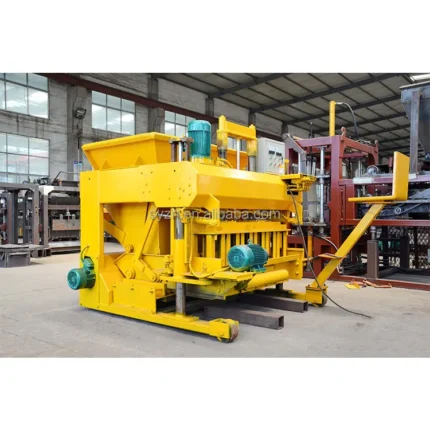
| Mould Format | Hollow block and solid brick (changeable moulds) |
| Cycle Time | 30 seconds per mould |
| Output Capacity | 480 pcs/h (basis: 400×200×200 mm hollow block, 4 pcs/mould) |
| Output Capacity | 600 pcs/h (basis: 400×150×200 mm hollow block, 5 pcs/mould) |
| Output Capacity | 840 pcs/h (basis: 400×100×200 mm hollow block, 7 pcs/mould) |
| Output Capacity (8 h shift) | 3,840 pcs (basis: 400×200×200 mm hollow block) |
| Output Capacity (8 h shift) | 4,800 pcs (basis: 400×150×200 mm hollow block) |
| Output Capacity (8 h shift) | 6,720 pcs (basis: 400×100×200 mm hollow block) |
| Raw Materials | Cement, sand, crushed stones, slag |
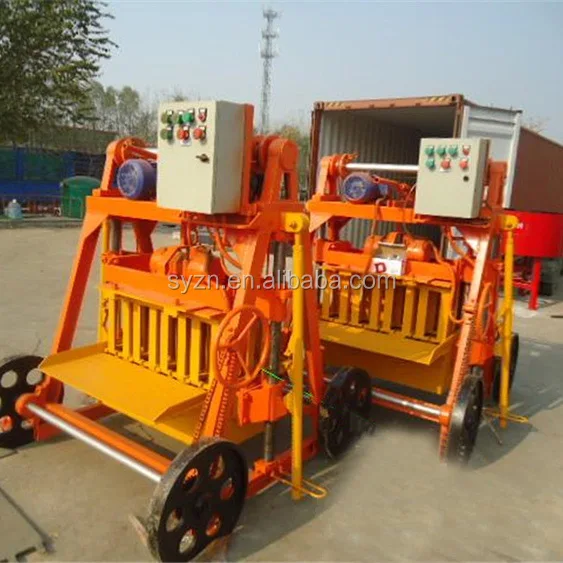
| Automation Level | Manual operation (mobile / egg-laying type); PLC control option available at higher tiers |
| Assembly State | Mobile, no fixed plant required |
| Voltage & Frequency | Configurable to target market (basis to be confirmed) |
| Control System | Manual with optional PLC or relay logic (basis to be confirmed) |
| Warranty | One year |
Application Suitability
| Application | Material or Output |
|---|---|
| On-site hollow block production at housing projects | Cement, sand, and crushed stone mixed to local aggregate gradation |
| Small-scale solid brick manufacturing for startups | Cement and sand with slag or local pozzolanic additives |
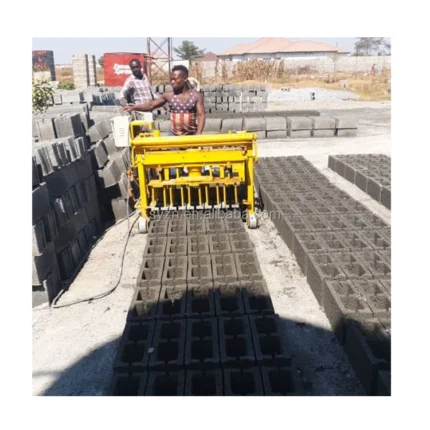
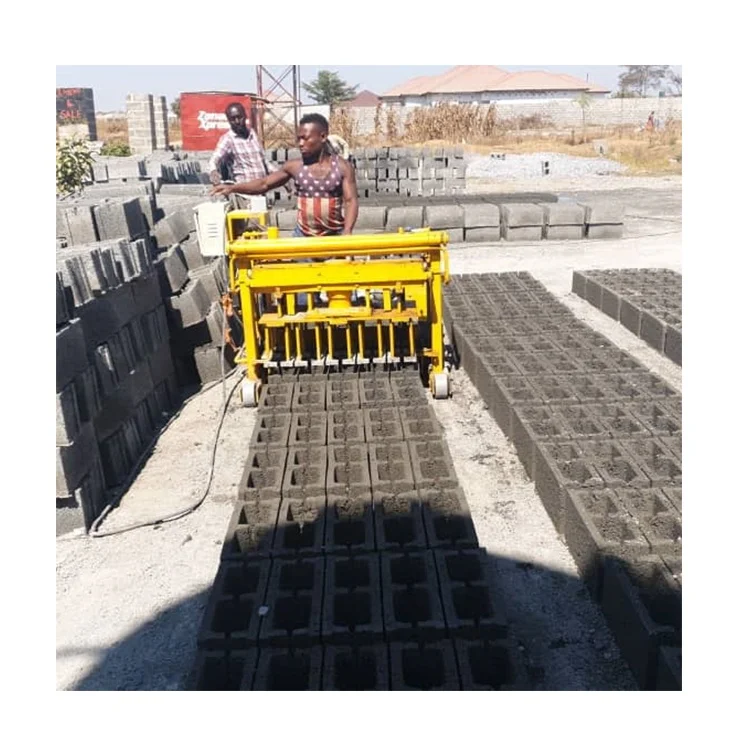
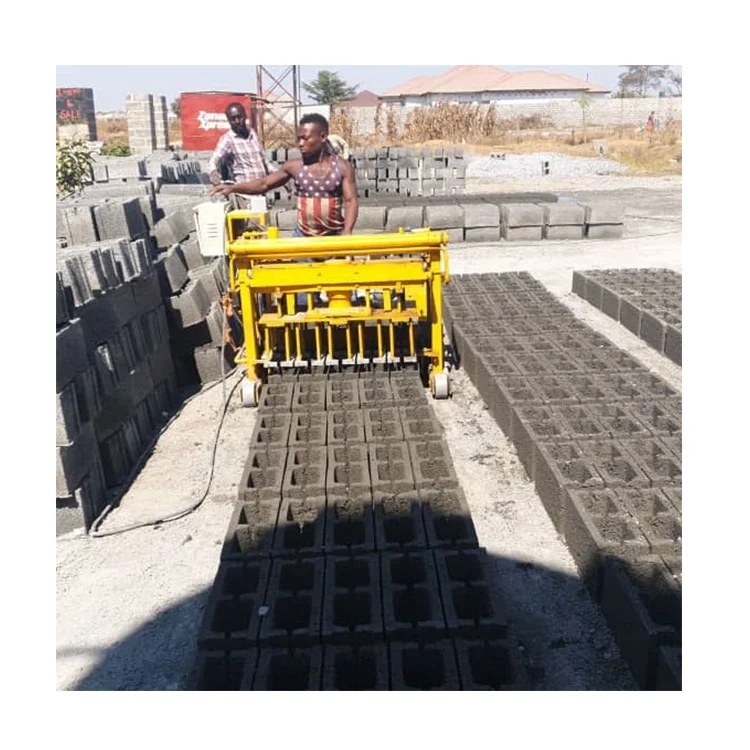
| Remote construction sites without a fixed batching plant | Mobile egg-laying operation, blocks cured directly on compacted ground |
| Contractors adding block formats to an existing product range | Changeable moulds for 400×200×200 mm, 400×150×200 mm, and 400×100×200 mm hollow blocks |
What "840 Pieces per Hour" Really Means for Your Shift Plan
Output numbers only hold value when tied to the exact block format and mould being run.
Buyers routinely receive quotations that quote a single peak capacity figure, then discover on site that the format they actually sell runs at a much lower rate. With the QMY4-30, the 840 pcs/h figure applies only when producing 400×100×200 mm hollow blocks at 7 pieces per mould over a 30-second cycle. Switch to the larger 400×200×200 mm format and throughput drops to 480 pcs/h — a significant difference when planning daily deliveries to a construction site. [NEED_CITE: block format impact on effective daily output in mobile egg-laying operations] I have seen contractors plan an entire pour schedule around a headline capacity number, only to find the machine cannot keep up once the mould they need is installed. Stating output per format eliminates that mismatch before the order is placed.
How the 30-Second Cycle Time Translates to Real Output
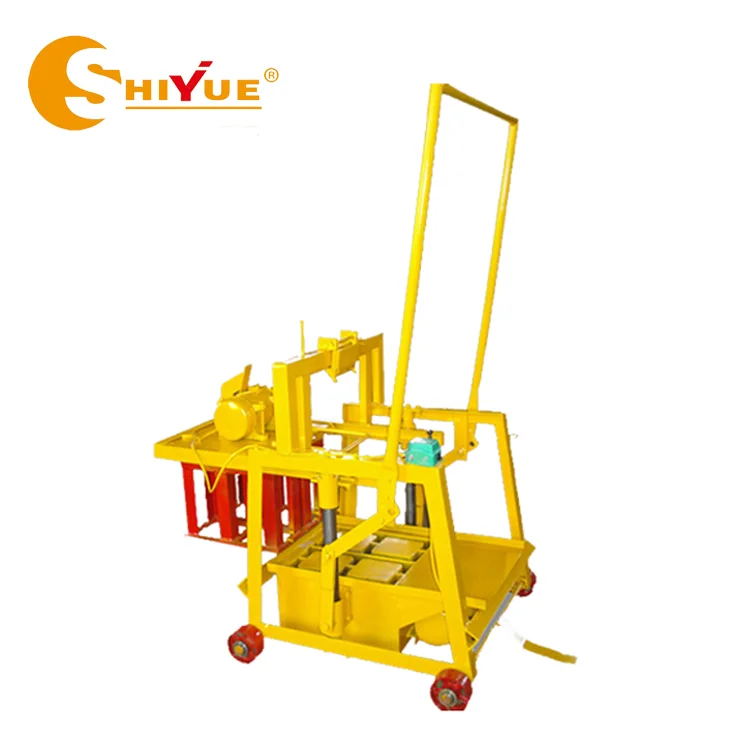
A consistent 30-second cycle across all three mould formats gives the operator a predictable rhythm. The automatic mobile block making machine lays blocks directly onto the ground in an egg-laying pattern, so the limiting factor is not the press itself but how quickly the mixed material can be fed into the hopper and the machine repositioned. At 5 kW rated power, the vibration motor completes compaction within each cycle without requiring a dedicated high-capacity generator, which matters on project sites running from a shared diesel set.
Where PLC Control Fits in the Upgrade Path
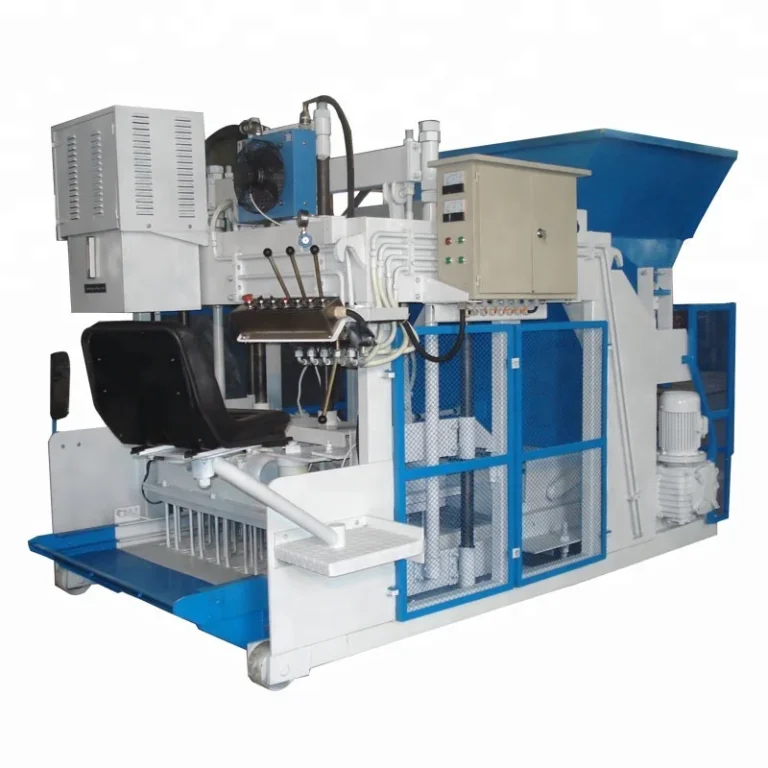
The QMY4-30 ships as a manually operated mobile unit, keeping capital outlay low for a first-time block plant. Buyers planning to scale can evaluate the PLC controlled mobile block machine options available at higher output tiers, where automatic pallet feeding, stacking, and cubing remove manual handling from the workflow. [NEED_CITE: incremental automation adoption in small-scale concrete block production] This upgrade path means the machine purchased today does not become obsolete when volume grows — it defines a clear step from manual egg-laying to semi-automatic fixed-plant operation.
Reading the Specifications That Actually Matter on Site
The 5 kW rated power and 1200 × 1200 × 1100 mm footprint make the QMY4-30 practical for sites with limited electrical infrastructure and no dedicated workshop bay. The 950 kg net weight is light enough for the machine to be repositioned across a curing area by two operators, yet heavy enough that the vibration force is transferred into the mould cavity rather than dissipated through frame movement. The changeable mould system covers hollow block formats from 100 mm to 200 mm width, so a single machine can serve both partition wall and load-bearing block demand. Vibration force and hydraulic pressure ratings must be confirmed against the buyer’s mix design — a local volcanic ash aggregate, for instance, requires different compaction energy than standard quartz sand, and running the wrong parameters produces blocks with crumbled edges straight off the mould.
The Cost of Skipping Voltage and Control Language Confirmation
A mobile block machine arriving at site with the wrong voltage rating or a PLC display in an unreadable language cannot be commissioned until replacement components arrive. [NEED_CITE: voltage and frequency standards by export market] This delay is not a minor inconvenience — it stalls the entire construction timeline, idles the crew, and erodes the project margin that justified the mobile setup in the first place. Confirming the target market’s electrical standard and operator language before production begins is a step that costs nothing but prevents weeks of downtime.
Why Sourcing the Control Side From a Single-Focus Supplier Matters
Block machinery is our single focus, which means the machine, mould, pallet handling, and control logic are specified as one matched system. Configuration is set against the buyer’s actual mix design and local aggregate, not a catalogue default — so the vibration force and cycle time are matched to the material that will actually be fed into the hopper. [NEED_CITE: aggregate variability and vibration force calibration in concrete block forming] Mould design covers the formats the buyer’s market sells, including custom drawings where standard sizes do not match local building codes. Installation support includes operator training on the specific control system shipped, and a documented wear parts list ensures the first replacement cycle does not become a procurement emergency.
Documentation & Verification
- Machine specification sheet stating output capacity per block format and mould
- Capacity calculation sheet referencing the exact cycle time and pieces per mould assumed
- Voltage and control language confirmation record signed before production release
- Factory test record run on the buyer’s specified block format before dispatch
- Operation and maintenance manual covering mould change procedure and tooling list
Installation, Commissioning & Support
- Confirm site electrical supply matches the QMY4-30’s 5 kW rated power and agreed voltage before delivery
- Prepare a compacted, level curing area large enough for egg-laying block placement across an 8-hour shift
- Verify machine dimensions (1200 × 1200 × 1100 mm) against the access route and on-site storage space
- Commission vibration and cycle settings against the buyer’s actual mix design and local aggregate
- Train operators on the 30-second cycle rhythm, mould swap procedure, and daily maintenance checkpoints
- Supply a documented wear parts and mould list aligned with the formats the buyer will produce
What to Include With Your Inquiry
To size the QMY4-30 correctly for your operation, share the block formats you intend to produce, the target daily output per format, and the local aggregate type you plan to use. Include your site’s available voltage and frequency, the control display language your operators require, and whether your curing area has space constraints that affect the egg-laying pattern. If you are evaluating an upgrade from manual to semi-automatic operation in the future, note the timeline so the control configuration can accommodate that path.
Frequently Asked Questions
Q: How is the output capacity verified, and which block format does each figure assume?
A: Every capacity figure for the QMY4-30 is stated against a specific mould and block size. The 480 pcs/h rate applies to 400×200×200 mm hollow blocks at 4 pieces per mould, while 840 pcs/h applies to 400×100×200 mm blocks at 7 pieces per mould. A capacity calculation sheet is provided with each quotation so the buyer can verify throughput against the format they will actually run.
Q: What voltage, frequency, and control language options are available?
A: The QMY4-30 voltage and frequency are configured to the buyer’s target market standard and confirmed before production begins. Control system options range from manual relay logic to PLC control, with the display language set to the operator’s preference. A written confirmation record is signed off prior to assembly to prevent commissioning delays on arrival.
Q: Can the QMY4-30 be upgraded to semi-automatic or PLC-controlled operation later?
A: The QMY4-30 is designed as a manual mobile machine with a defined upgrade path. Buyers planning to scale can transition to semi-automatic tiers where PLC control, automatic pallet feeding, and stacking become available. Discussing the expected timeline for that transition at the inquiry stage allows the control configuration to accommodate future expansion without requiring a full machine replacement.
Q: How long does a mould change take, and what tools are required?
A: Mould change time on the QMY4-30 depends on the operator’s familiarity with the procedure and the tooling kept on site. The changeable mould system covers hollow block and solid brick formats, and the operation manual details the swap workflow, required hand tools, and alignment checks. Confirming the expected changeover duration with the supplier before shipment ensures format flexibility is practical rather than theoretical.
Q: What is covered under the one-year warranty, and how are wear parts supplied?
A: The one-year warranty covers manufacturing defects in the QMY4-30 frame, vibration motor, and control components. A documented wear parts and mould list is provided with the machine, detailing the items most likely to need replacement during the first operating cycle. Buyers are encouraged to order an initial spare parts package alongside the machine to avoid procurement delays when the first mould or hydraulic component reaches its service interval.