

Description
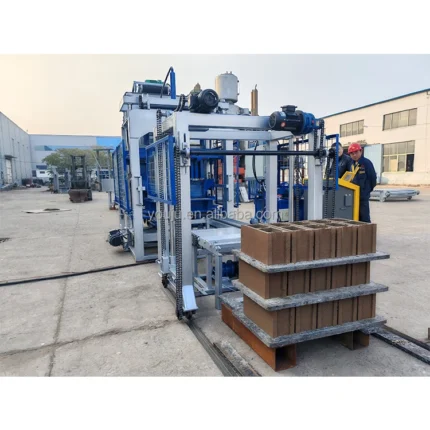
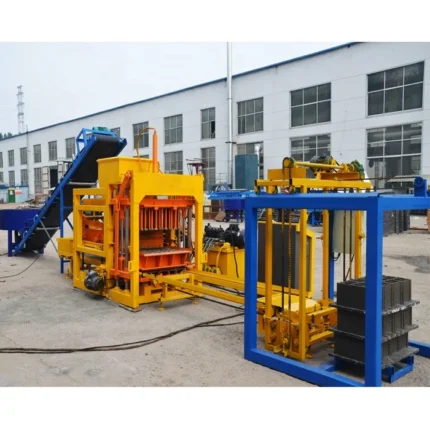
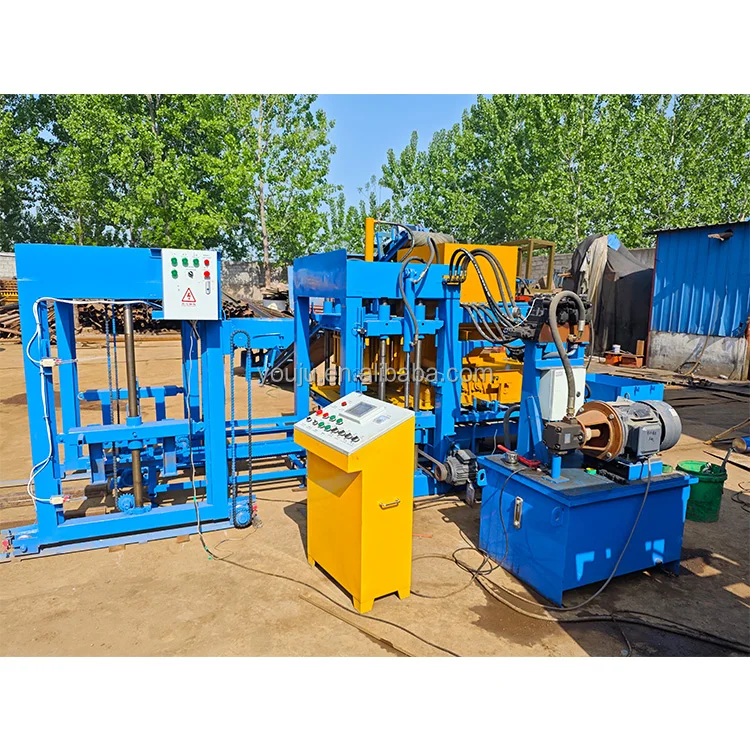
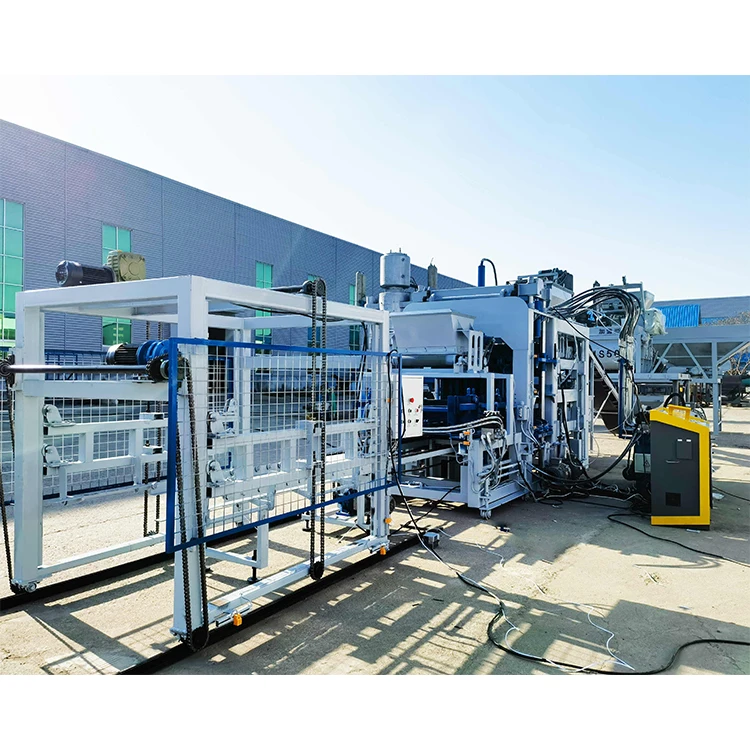
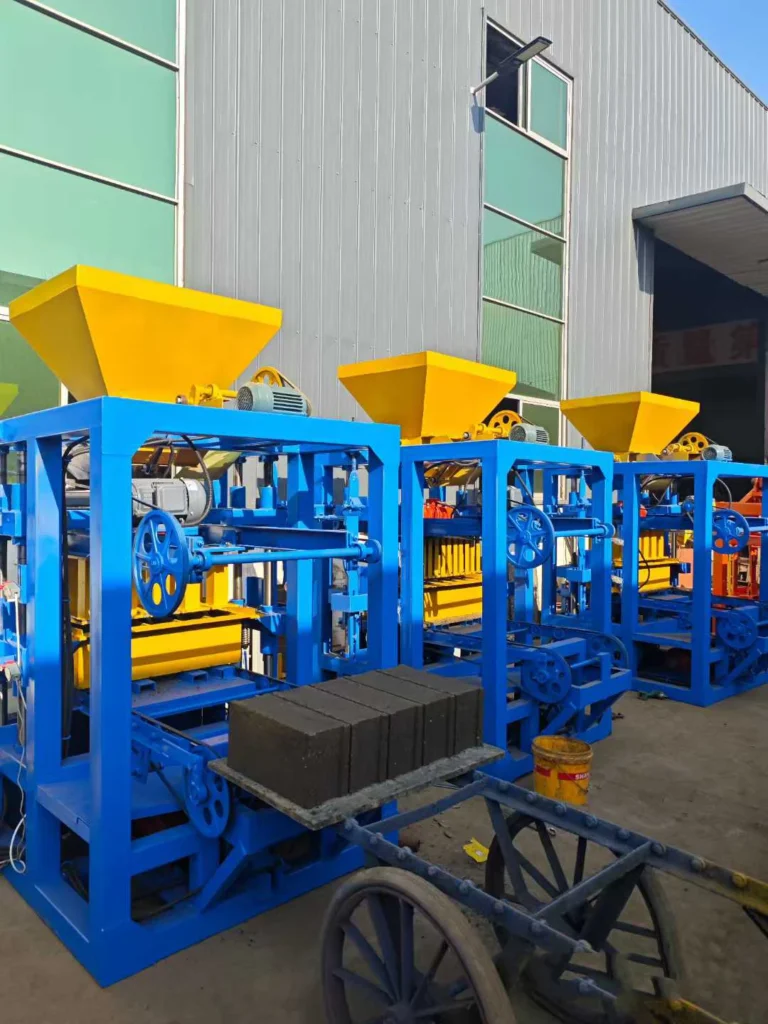
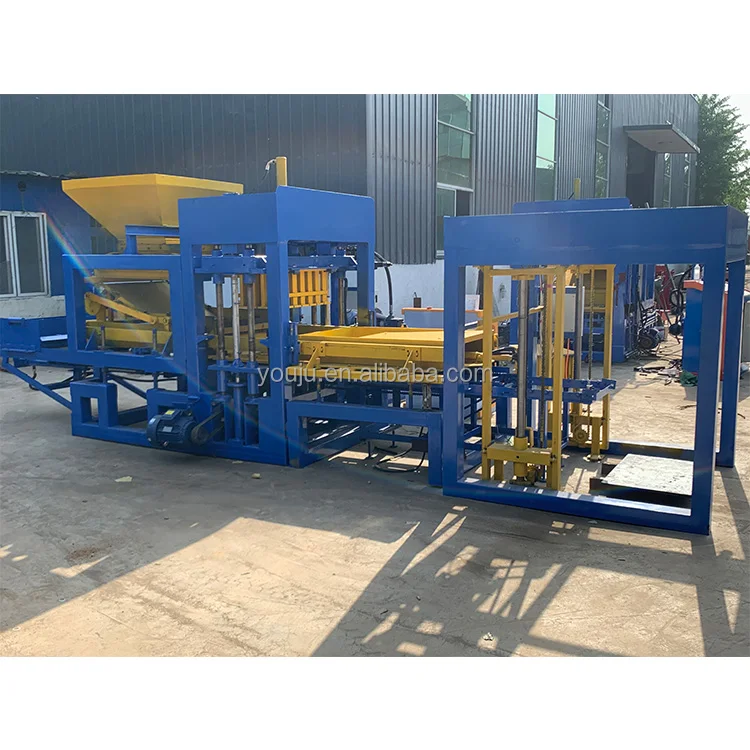
Matched System Design — Machine, mould, pallet, and PLC control are specified as one integrated unit so that the QT4-15 hydraulic solid block making machine runs consistently from the first shift to the last.
Technical Specifications
| Parameter | Value |
|---|---|
| Product Type | Hydraulic Solid Block Making Machine |
| Model | QT4-15 |
| Molding Cycle | 15-30 seconds (adjustable by format) |
| Pallet Size | 900 × 500 mm |
| Vibration Type | Platform vibration |
| Vibration Frequency | 50-70 Hz |
| Product Height Range | 50-220 mm |
| Overall Power | 24.5 kW |
| Demolding Method | Hydraulic |
| Control System | PLC controlled with approach switch monitoring |
| Automation Level | Automatic |
| Hollow Block Output | 900-1200 pcs/h (basis: 400×200×200 mm hollow blocks) |
| Hollow Block Output | 1080-1440 pcs/h (basis: 400×150×200 mm hollow blocks) |
| Hollow Block Output | 1440-1920 pcs/h (basis: 400×100×200 mm hollow blocks) |
| Paver Output | 2880-3840 pcs/h (basis: 200×100×60 mm pavers) |
| Solid Brick Output | 5930-6720 pcs/h (basis: 240×115×53 mm solid bricks) |
| Compressive Strength | >15 MPa |
| Raw Materials | Fly ash, slag, gangue, sand, crushed stone, cement, water |
| Mould Change | Manual (time to be confirmed with supplier) |
Application Suitability
| Application | Material or Output |
|---|---|
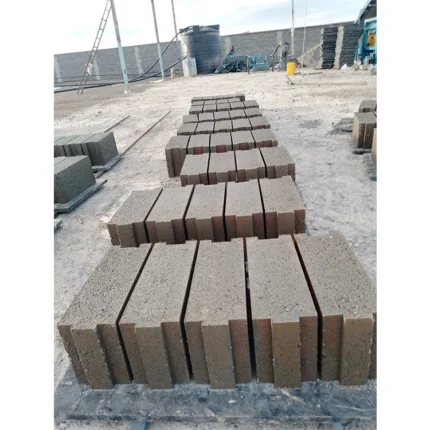
| Hollow block production for masonry walls | Fly ash, sand, crushed stone, and cement blends |
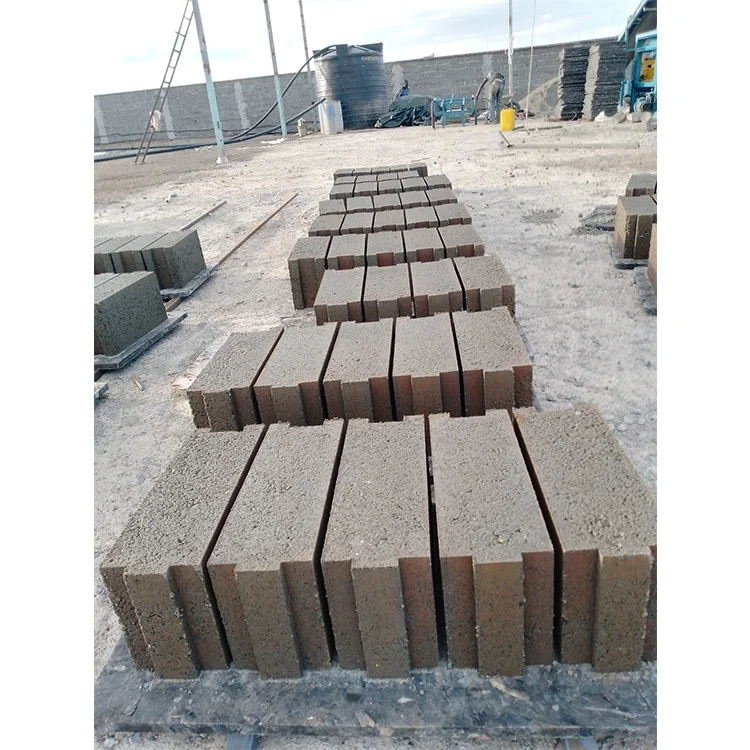
| Solid brick manufacturing for load-bearing structures | Cement, sand, and gangue mixtures |
| Paver block production for landscaping and pathways | Cement and crushed stone aggregates |
| Industrial residue utilization in block making | Fly ash, slag, and gangue as primary fillers |
Why the PLC Display Language Matters More Than the Price Tag
An automatic QT4-15 block making machine PLC controlled in a language your operators cannot read is a manual machine in disguise.
I once arrived at a plant in Peru to commission a QT4-15 and found the entire PLC interface locked in Chinese. The local crew could not read a single character on the screen. We spent three days sourcing a translator before the line could even begin its test run. That delay cost the buyer an entire production week and set back their first delivery commitments. [NEED_CITE:]
Voltage mismatches create similar problems. A 380V/50Hz machine plugged into a 220V/60Hz grid will either refuse to start or burn out the hydraulic pump motor within the first month. These are not theoretical risks — they happen regularly when the control language and electrical specifications are confirmed after the machine is already on the water. The automatic QT4-15 block making machine PLC controlled system requires these details locked down before production begins.
Synchronizing the Press Cycle Without Operator Guesswork
The PLC on the QT4-15 monitors approach switches at every critical station, coordinating the machinery, electric, hydraulic, and vibrating systems into a single timed sequence. This means the pallet feed, material dosing, vibration, hydraulic press, and demolding all fire in a repeatable pattern that does not drift across a ten-hour shift. For a plant owner moving away from manual timing, this is where batch-to-batch consistency actually originates.
What Automation Removes From the Operator
With the automatic QT4-15 block making machine PLC controlled configuration, the operator no longer decides when the vibration stops or when the hydraulic ram releases. The PLC reads the approach switch positions and advances each step only when the previous one has completed. This eliminates the most common source of inconsistent block density: an operator who cuts the vibration short on the fiftieth cycle because the pace feels right. [NEED_CITE:] The result is a compressive strength reading above 15 MPa that holds steady from the first pallet to the last.
Reading the Numbers That Actually Matter
The QT4-15 completes a molding cycle in 15 to 30 seconds, but that range exists for a reason. Denser mixes with higher cement content and angular crushed stone require the longer end of the cycle to achieve full compaction under platform vibration at 50-70 Hz. Lighter fly ash blends compact faster. The pallet size of 900 × 500 mm dictates how many blocks cure per rack and how your forklift moves them — if your existing curing racks are sized for 850 × 450 mm pallets, this machine will force a complete rack replacement before the first production run. The 24.5 kW overall power draw requires a dedicated circuit, and the hydraulic demolding system depends on stable voltage to maintain consistent pressure across every cycle.
The Hidden Cost of Skipping the Automation Audit
Buyers who select a semi-automatic configuration to save on initial investment often discover that the labour cost of manual pallet feeding and hand stacking erases the savings within the first year. The press sits idle while workers reposition pallets, and output drops well below the rated capacity. Retrofitting automatic pallet feeding and stacking later costs more than specifying it from the start because the machine frame and PLC programme must both be modified. [NEED_CITE:] The QT4-15 is available with an upgrade path from semi-automatic to full automation, but planning that path before shipment avoids expensive downtime.
Why This Machine Is Configured Around Your Plant
Block machinery is our single focus, which means the QT4-15 is not assembled from unrelated components sourced from different suppliers — the press, mould, pallet, and PLC are specified as one matched system. Configuration is set against your actual mix design and local aggregate, not pulled from a catalogue default. Mould design covers the formats your market actually sells, including custom drawings when standard options do not fit. The automation level is selectable so you can start semi-automatic and add pallet feeding, stacking, and cubing as volume grows. Installation includes on-site commissioning with operator training so the crew knows the PLC interface before the first production shift.
Documentation & Verification
- Machine specification sheet with capacity calculation stated per block format
- PLC display language and voltage confirmation signed off before dispatch
- Mould drawing and format list matching your target block dimensions
- Hydraulic and electrical schematic for your maintenance team
- Factory test record on your specified mix design and pallet size
- Operation and maintenance manual in your preferred language
Installation, Commissioning & Support
- Foundation plan sized for the QT4-15 platform vibration load and 24.5 kW power draw
- Dedicated electrical circuit matching your confirmed voltage and frequency before arrival
- Machine dismantled for container loading and reassembled on-site with alignment checks
- PLC parameter setting and approach switch calibration during first commissioning run
- Operator training covering mould change procedure and daily maintenance routines
- Wear parts and mould list supplied with recommended replacement intervals
What We Need From You to Move Forward
Before we can confirm a configuration, we need your target block formats and the daily output you expect per format — not a single aggregate number. Share your local raw material source, including aggregate type and cement grade, so we can match the vibration frequency and hydraulic pressure to your mix. Confirm your site voltage, frequency, and the PLC display language your operators will work with. If you already have curing racks and forklifts on site, send us the pallet dimensions they accept so the 900 × 500 mm pallet size is verified before production.
Frequently Asked Questions
Q: How does PLC control improve batch-to-batch consistency compared to manual operation?
A: The PLC on the QT4-15 monitors approach switches at each station and advances the cycle only when the previous step completes. This removes operator timing decisions from pallet feeding, vibration duration, and hydraulic demolding. The result is a repeatable sequence that produces blocks of consistent density and compressive strength across an entire shift, regardless of operator experience level.
Q: What automation upgrade path exists from a semi-automatic QT4-15 configuration?
A: The machine frame and PLC programme are designed to accept automatic pallet feeding, stacking, and cubing modules as add-ons. Starting semi-automatic reduces initial investment while keeping the upgrade path open. The key is confirming the upgrade plan before shipment so that mounting points and PLC capacity are included from the start, avoiding costly retrofits later.
Q: How do I match vibration frequency and hydraulic pressure to my local aggregate?
A: Angular crushed stone requires higher vibration energy and longer cycle times to achieve full compaction compared to rounded river sand. Fly ash blends respond differently again. We set the QT4-15 vibration frequency within its 50-70 Hz range and adjust hydraulic pressure based on your specific mix design and target compressive strength, confirmed during factory testing before dispatch.
Q: What is the realistic daily output for my target block format?
A: Output varies significantly by format. The QT4-15 produces 900-1200 pieces per hour based on 400×200×200 mm hollow blocks, but pavers at 200×100×60 mm yield 2880-3840 pieces per hour. Daily output also depends on shift length, pallet handling speed, and curing logistics. We provide a capacity calculation stating the exact block format assumed so you can plan realistically.
Q: Which pallet size should I choose based on my existing handling equipment?
A: The QT4-15 uses 900 × 500 mm pallets, and this dimension must match your curing rack spacing and forklift capacity. If your existing racks are narrower, you will need to replace them or adjust the pallet specification before the machine ships. Confirming this detail early prevents a situation where blocks are produced but cannot be moved to the curing area efficiently.