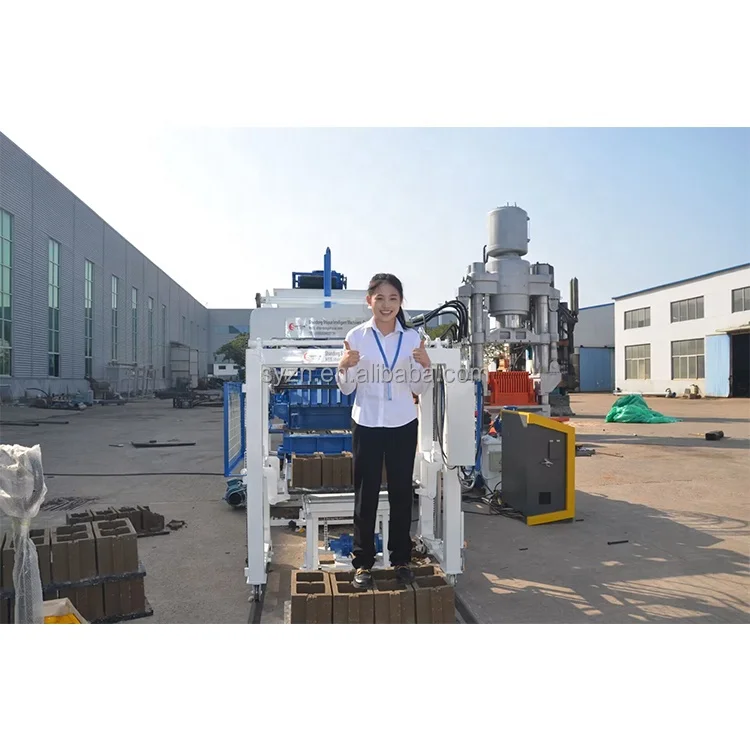
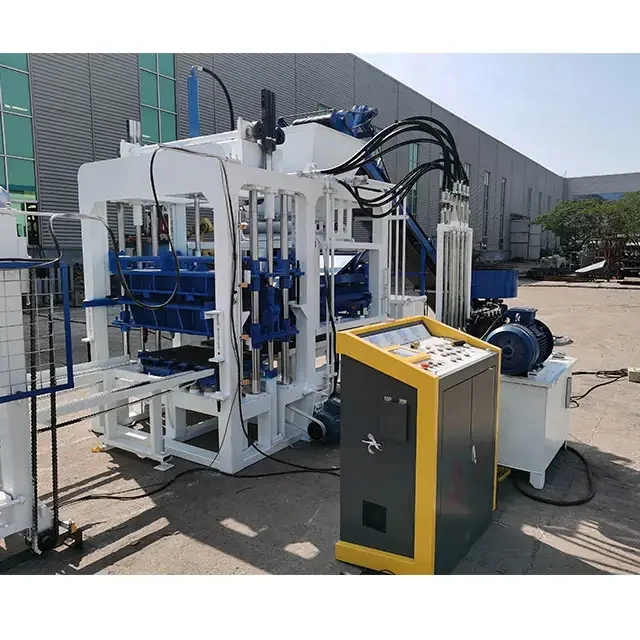
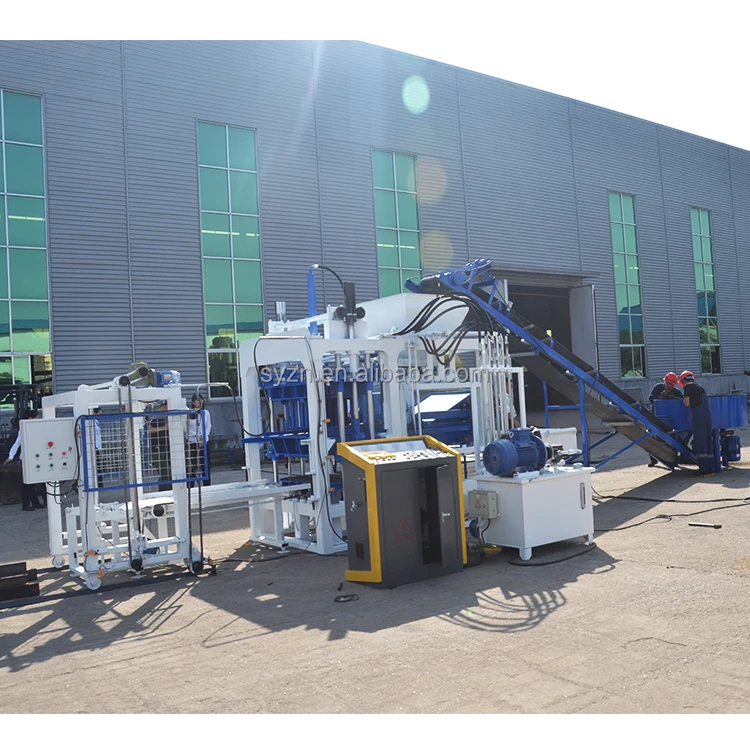
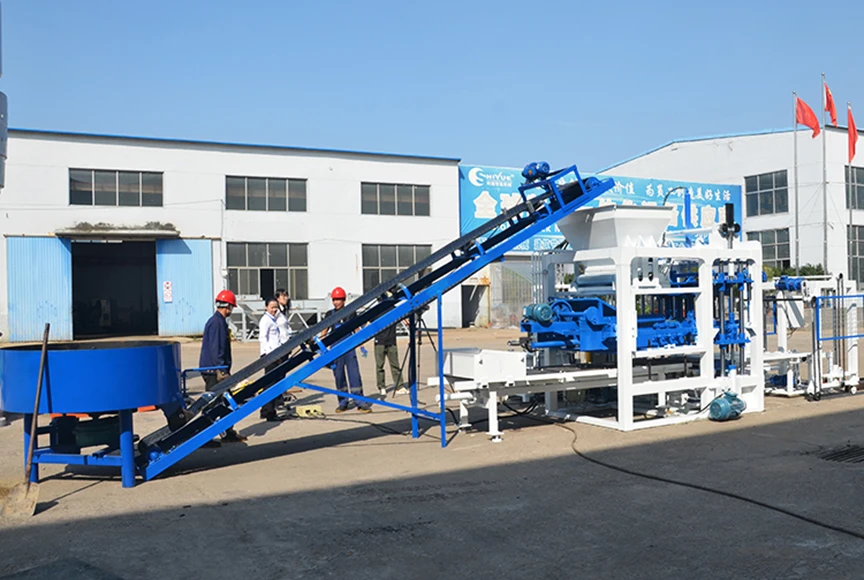

Description
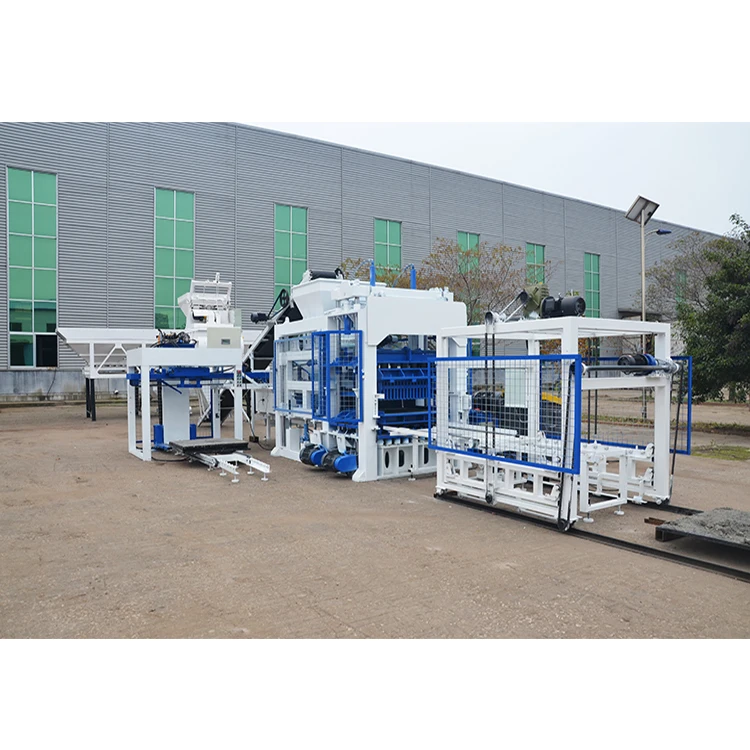
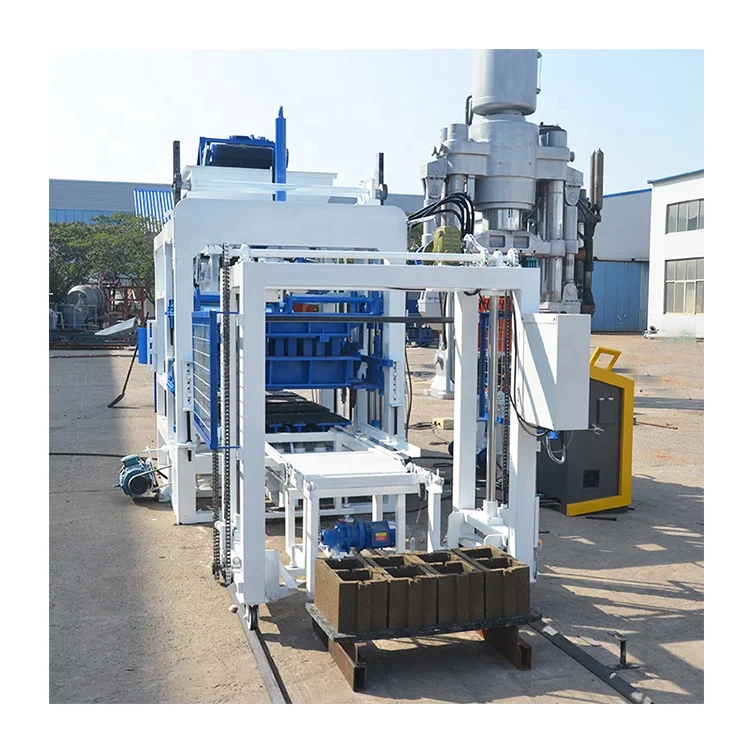
Selectable Automation Level — The QT4-18 ships as a semi-automatic press with hydraulic and vibration parameters set against your actual mix design, and the control architecture allows a future path to automatic stacking without replacing the core machine.
Technical Specifications
| Parameter | Value |
|---|---|
| Model | QT4-18 |
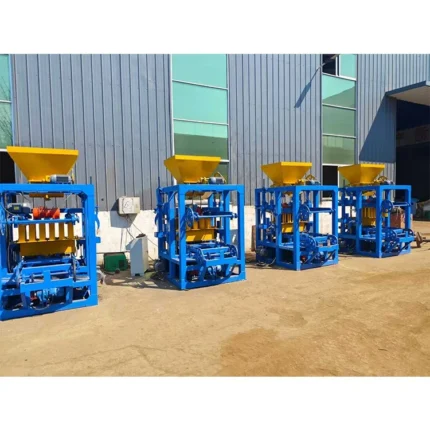
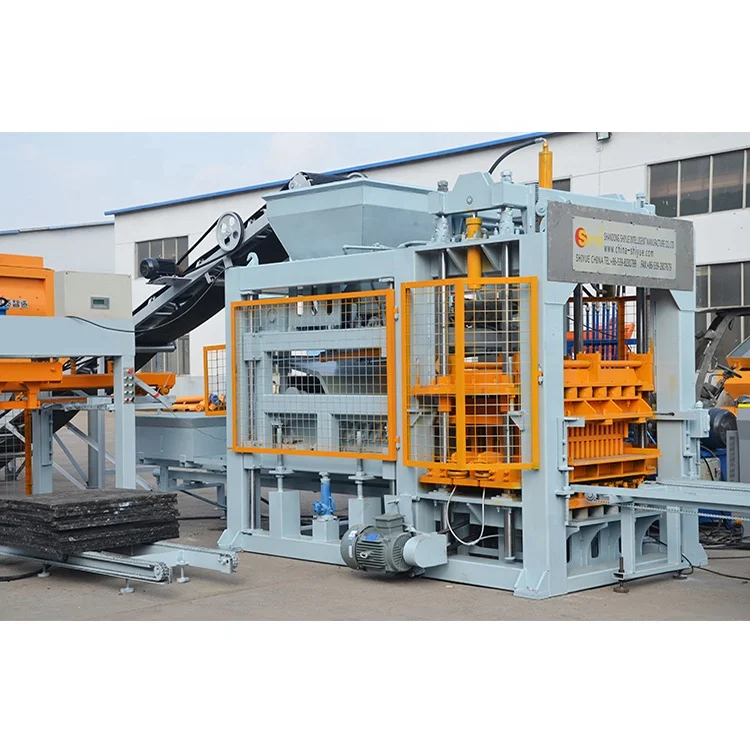
| Product Type | Semi-Automatic Concrete Block Making Machine |
| Overall Dimensions (L×W×H) | 3900 × 1600 × 2300 mm |
| Molding Cycle | 15–25 s |
| Vibration Force | 40–50 kN |
| Total Power | 24 kW |
| Mixer Model | JQ350 |
| Pallet Size | 850 × 550 × 25 mm |
| Total Weight | 3 T |
| Hydraulic System | Hydraulic station for high-pressure forming |
| Vibration Type | Bed mould vertical vibration + upper mould compression vibration |
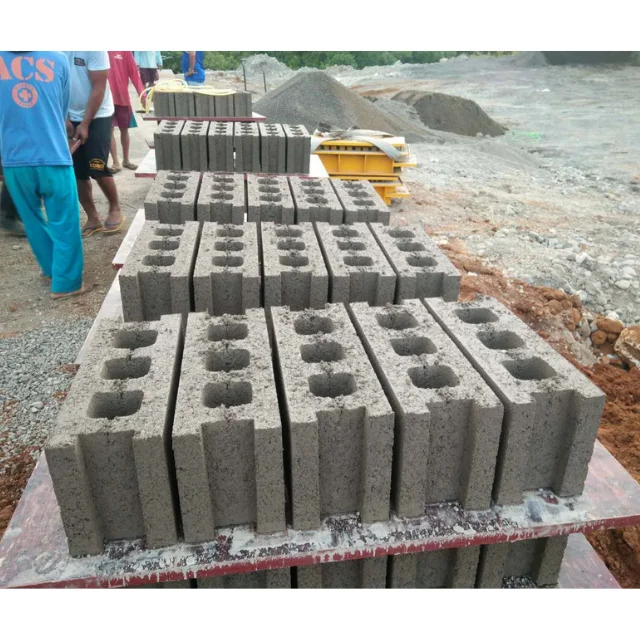
| Output Capacity (Hollow Block 400×200×200 mm) | 9,600–13,440 pcs / 8 hr (basis: 4 pcs/mould, 15–20 s cycle) |
| Output Capacity (Hollow Block 400×150×200 mm) | 14,400–19,200 pcs / 8 hr (basis: 6 pcs/mould, 15–20 s cycle) |
| Output Capacity (Solid Brick 240×115×53 mm) | 16,200–19,440 pcs / 8 hr (basis: 15–20 s cycle) |
| Control System | PLC (type and language to be confirmed before production) |
| Voltage & Frequency | Configurable (to be confirmed before commissioning) |
| Stacking Method | Semi-automatic; automatic stacker option available |
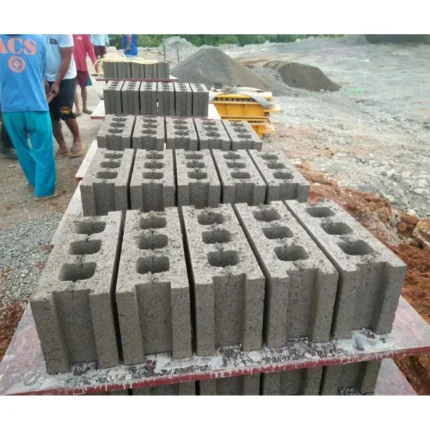
| Applied Products | Hollow block, solid brick, paver, curbstone |
Application Suitability
| Application | Material or Output |
|---|---|
| Hollow block production plants | Crushed stone, sand, cement, fly ash mixtures for 400×200×200 mm and 400×150×200 mm formats |
| Solid brick manufacturing | Dense sand-cement mixes for 240×115×53 mm bricks |
| Paver and curbstone production | High-strength aggregate blends for interlocking pavers and roadside kerbstones |
| On-site block production for contractors | Local aggregate and cement with mobile batching setups |
| First-time block plant startups | Entry-level semi-automatic configuration with future automation expansion |
Why Control Language Must Be Confirmed Before the QT4-18 Ships
An automatic QT4-18 block making machine with PLC control is only as intelligent as the language its operator can read.
I once stood in a block plant outside Riyadh watching an operator stare at a default English PLC screen he could not navigate. The automatic stacking sequence was fully functional in the logic, but because the interface labels were unreadable to him, the entire curing line sat idle for a full shift while we arranged a language patch. Commissioning delays from unconfirmed voltage and control language are far more common than mechanical failures on arrival, and they are entirely preventable. The QT4-18 control system supports multiple language options, but the selection must be locked during production, not discovered at the container door [NEED_CITE: PLC interface language configuration standards for exported machinery].
How the Dual Vibration System Shapes Block Density
The QT4-18 combines vertical vibration from the bed mould with compression vibration from the upper mould. This dual action forces the concrete mix into every corner of the mould cavity while simultaneously compacting from above, producing uniform density throughout the block rather than a hard shell with a softer core. For a plant owner moving from manual or egg-laying production, this vibration architecture is what makes consistent block strength achievable across every pallet in a production run. The 40–50 kN vibration force range allows the operator to dial in the intensity that matches the aggregate gradation available locally.
From Semi-Automatic to Fully Automatic Stacking
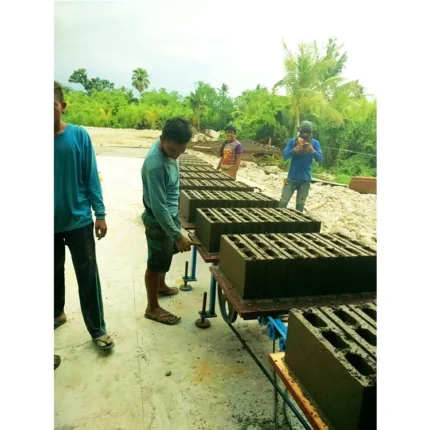
The semi-automatic configuration handles the pressing cycle under PLC control while pallet feeding and product removal rely on operator involvement. As production volume grows, the automatic QT4-18 block making machine can be fitted with an automatic stacker that places bricks on pallets, stacks them, and transfers the loaded pallets to the curing area via trolley. This removes the heaviest manual handling step from the operator without requiring a full line rebuild. The PLC architecture already governs the pressing cycle, so extending control to pallet movement and stacking is a parameter expansion rather than a hardware replacement. Buyers planning a phased investment find this path practical because the initial semi-automatic setup still delivers consistent pressing quality from day one.
Reading the Specifications That Actually Matter on Site
The 3,900 × 1,600 × 2,300 mm footprint determines the minimum bay width and overhead clearance needed, and the 24 kW total power draw dictates the dedicated circuit and breaker sizing at the transformer panel. The 850 × 550 × 25 mm pallet size must align with your existing curing rack dimensions and forklift tine width, because a mismatch here creates a bottleneck no amount of press speed can resolve. The 15–25 second molding cycle governs daily throughput, but only when read alongside the specific block format: a 400×200×200 mm hollow block at four per mould yields 9,600–13,440 pieces per eight-hour shift, while a 240×115×53 mm solid brick cycle produces 16,200–19,440 pieces over the same period. These are fundamentally different production scenarios running on the same press, which is why capacity discussions must always name the format being quoted.
The Cost of Skipping Configuration Verification
When a buyer accepts a standard quotation without confirming voltage and frequency against the local grid, the machine arrives with motor windings that either overheat or underperform from the first hour. A PLC display in the wrong language turns a programmable controller into a confusing panel of symbols, forcing the plant to rely on memory and guesswork for every parameter adjustment. Pallet size specified without checking the curing area means purchased pallets stack unevenly on existing racks, and in some cases cannot be moved by the forklift already on site [NEED_CITE: common commissioning delays caused by unconfirmed electrical and mechanical specifications]. These are not warranty issues; they are configuration oversights that turn a productive first month into a troubleshooting exercise.
Why Buyers Specify the QT4-18 Through This Channel
Block machinery is the single focus here, so the QT4-18 press, its moulds, pallets, and handling equipment are specified as one matched system rather than assembled from separate vendors. The configuration is set against the buyer’s actual mix design and local aggregate, not a catalogue default, which means vibration force and hydraulic pressure are matched before production begins. Mould design covers the specific formats the buyer’s market sells, including custom drawings when a standard mould does not fit the product range. Automation level is selectable at order, so a buyer can begin semi-automatic and add stacking capability as volume justifies the investment. Installation support includes operator training on the PLC interface in the confirmed language, ensuring the control system is usable from the first shift.
Documentation & Verification
- Line layout with capacity calculation stating the block format assumed for each output figure
- Machine specification sheet confirming pallet size, vibration force, and total power draw
- Mould drawing and format list verifying compatibility with your target block dimensions
- PLC control language and voltage/frequency confirmation record signed before production
- Factory test record on the configured mould set before dispatch
Installation, Commissioning & Support
- Foundation pad must accommodate 3,900 × 1,600 mm footprint with level tolerance for vibration stability
- Dedicated circuit rated for 24 kW total draw with confirmed voltage and frequency at the main panel
- PLC interface language verified on-site against operator capability before first production run
- Vibration force calibrated between 40–50 kN to match the specific aggregate and cement ratio in use
- Pallet dimensions checked against existing curing racks and forklift capacity before stock is ordered
- Mould change procedure trained with the confirmed format set to minimize shift downtime
What to Include in Your Inquiry
To receive a configuration proposal that reflects your actual production conditions, share the specific block formats you intend to sell, your target daily output per format, and the local aggregate and cement types available. Confirm the voltage and frequency at your site, the preferred PLC display language, and the dimensions of your existing curing area so pallet and handling specifications align. If you are adding the QT4-18 to a line that already has upstream batching or downstream curing equipment, note the connection points so the automation level is specified accordingly.
Frequently Asked Questions
Q: What automation level does the QT4-18 ship with, and can I add automatic stacking later?
A: The standard configuration is semi-automatic with PLC-controlled pressing. An automatic stacker that places bricks on pallets and moves them to the curing area can be added as your volume grows, extending the existing PLC logic without replacing the press.
Q: How does switching between hollow block and paver moulds affect cycle time?
A: The 15–25 second molding cycle range covers standard formats, but denser paver mixes may require longer vibration at the upper end of that range to achieve full compaction. The exact cycle per format is confirmed during commissioning with your specific mix.
Q: What PLC language and voltage options are available before shipment?
A: The PLC supports multiple interface languages, and voltage is configurable for the destination grid. Both must be confirmed and documented before production begins to avoid commissioning delays on arrival [NEED_CITE: electrical standard confirmation practices for exported block machinery].
Q: How do I match vibration force and hydraulic pressure to my local materials?
A: The 40–50 kN vibration range is calibrated during setup against your aggregate gradation and cement ratio. Sharing a sample mix design before production allows the hydraulic and vibration parameters to be preset, reducing on-site adjustment time.
Q: What daily output should I expect per block format?
A: Output depends on the mould configuration: 9,600–13,440 pieces per eight-hour shift for 400×200×200 mm hollow blocks at four per mould, and 16,200–19,440 pieces for 240×115×53 mm solid bricks, each based on a 15–20 second cycle.