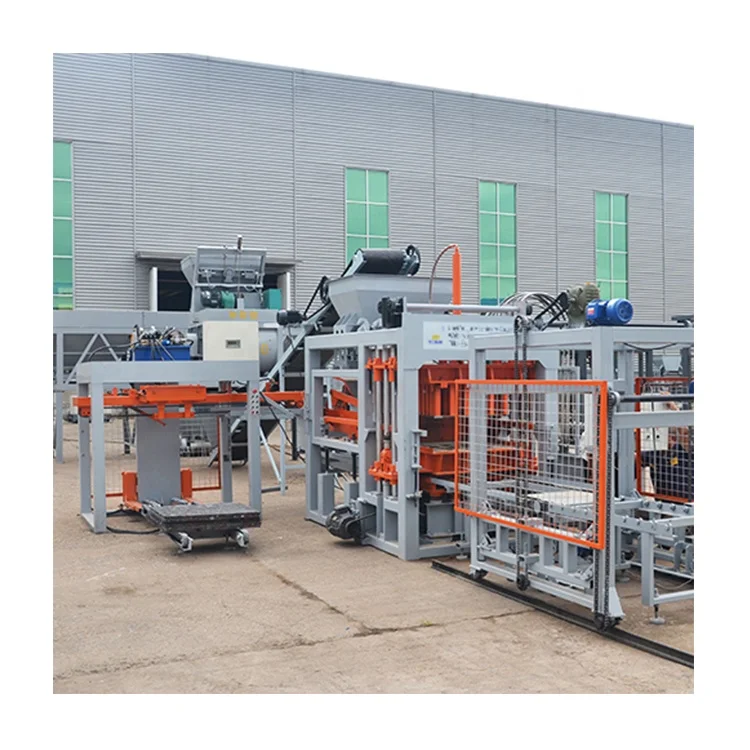
Description
Configuration set against the buyer’s actual control environment, not a factory default — the QT6-15 PLC interface language, fault code library, and automation scope are confirmed before production so your operators can read every alarm on day one.
Technical Specifications
| Parameter | Value |
|---|---|
| Model | QT6-15 |
| Product Type | Hollow Block and Solid Block Making Machine |
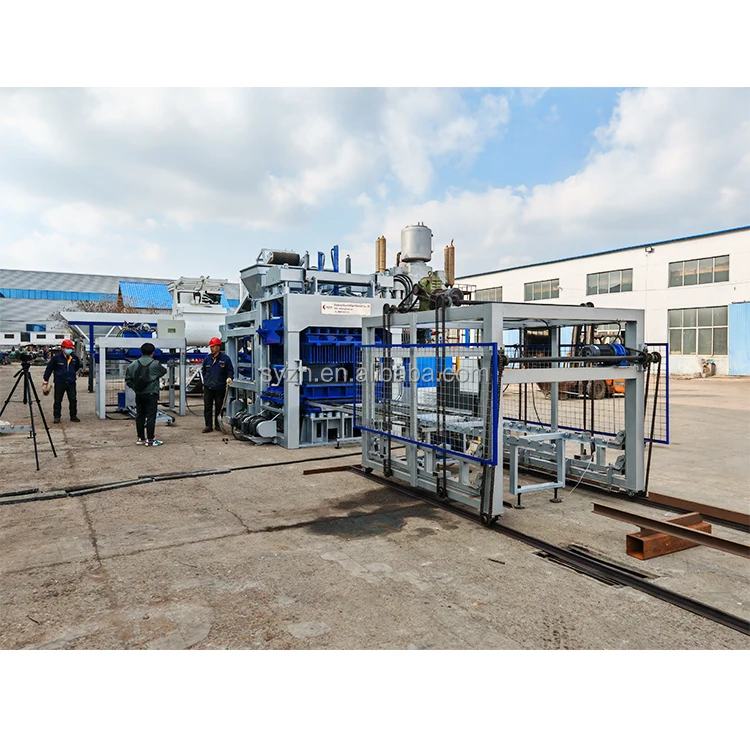
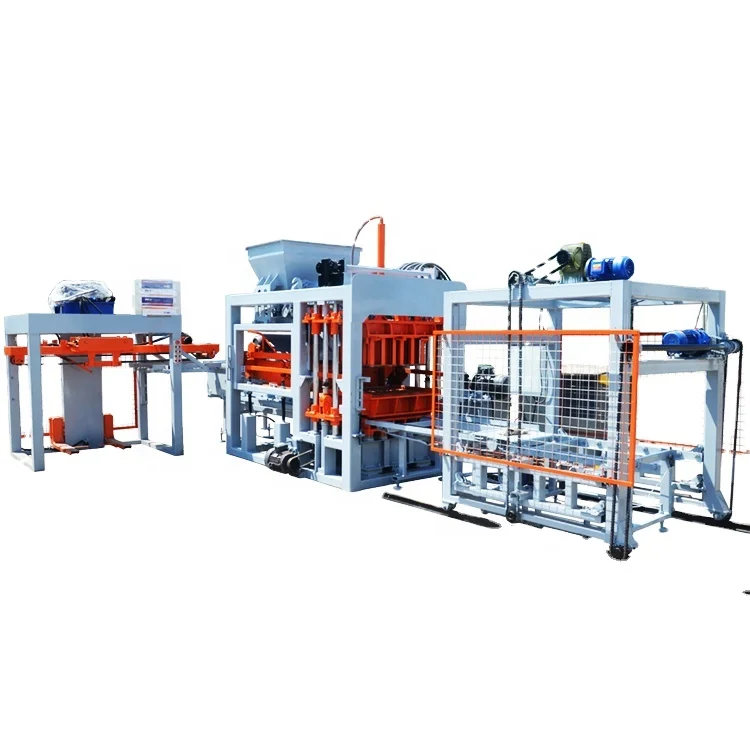
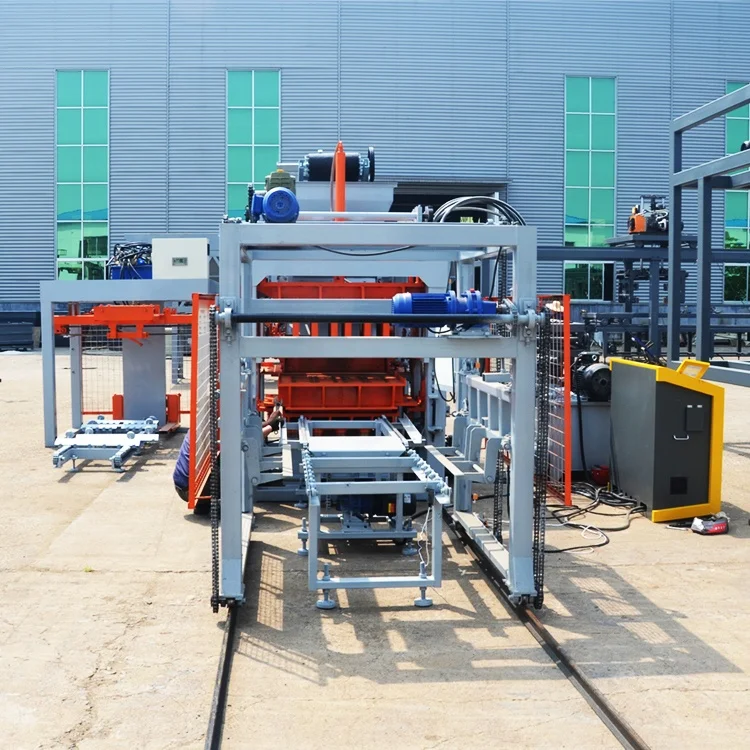
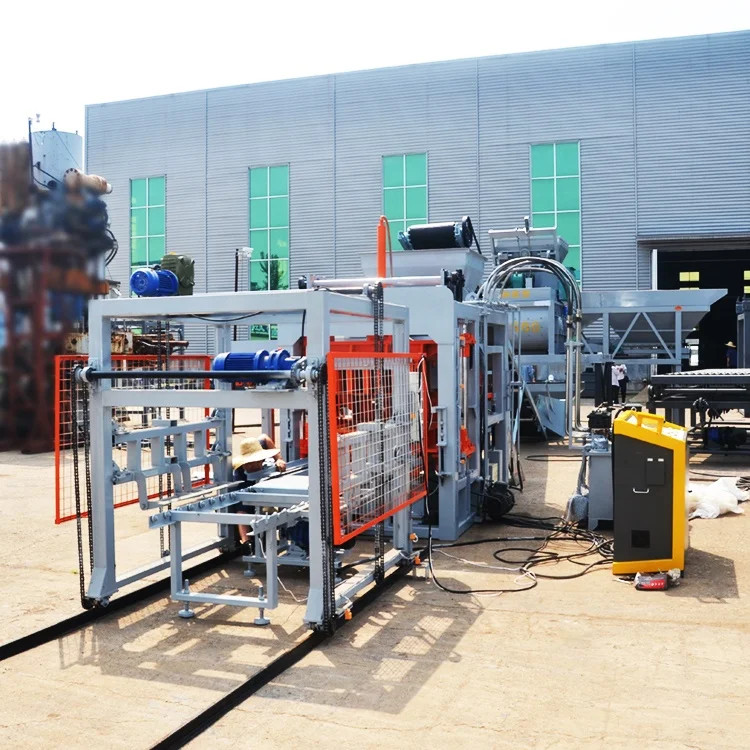
| Overall Dimensions (L×W×H) | 8200 × 1700 × 2950 mm |
| Total Mass | 7 T |
| Overall Power | 37 kW |
| Vibration Force | 45 kN |
| Vibration Frequency Range | 0 – 60 Hz |
| Vibration Form | Platform Vibration |
| Moulding Mode | Automatic loading with vibration moulding |
| Demolding Method | Hydraulic |
| Pallet Size | 880 × 850 mm |
| Molding Cycle | 15 – 20 s (format dependent) |
| Control System | PLC with touch screen interface |
| Hydraulic System | Independent integrated hydraulic station |
| Factory Area Required | 1200 m² |
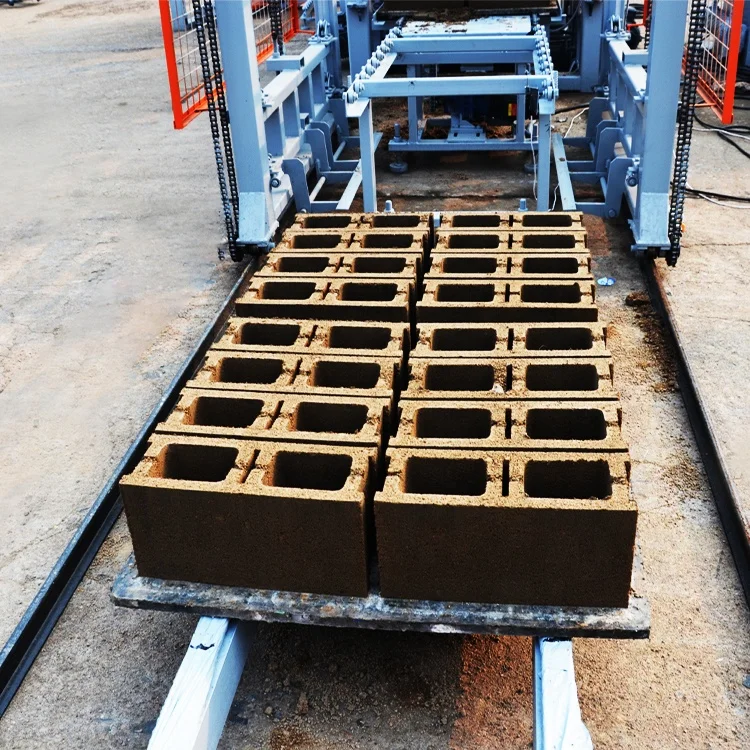
| Output – Hollow Block 400×200×200 mm | 1080 – 1440 pcs/h (6 pcs/mould, 15 – 20 s cycle) |
| Output – Hollow Block 400×150×200 mm | 1440 – 1920 pcs/h (8 pcs/mould, 15 – 20 s cycle) |
| Output – Solid Brick 240×115×53 mm | 5760 – 7680 pcs/h (32 pcs/mould, 15 – 20 s cycle) |
| Output – Rectangular Paver 200×100×60 mm | 2160 – 2880 pcs/h (21 pcs/mould, 20 – 25 s cycle) |
| Output – Zigzag Paver 225×112.5×60 mm | 2160 – 2880 pcs/h (15 pcs/mould, 20 – 25 s cycle) |
| Voltage & Frequency | Basis to be confirmed before production |
| PLC Display Language | Basis to be confirmed before production |
| Block Compressive Strength | More than 15 MPa (verify against actual mix design) |
| Fault Diagnosis | Built-in system with safe logic circuit interlocks |
| Key Features | High automation level, intelligent electronic control, raw material adaptability including waste ash and slag |
Application Suitability
| Application | Material or Output |
|---|---|
| Hollow block production for load-bearing walls | Crushed stone, sand, cement blends |
| Solid brick production for infill and partition walls | Fly ash, slag, and local aggregate mixes |
| Interlocking and rectangular paving brick production | Fine aggregate with reduced cement dosage |
| On-site production for housing and development projects | Locally sourced aggregates and waste ash |
| Format expansion for established concrete product plants | Multiple mould sets across hollow, solid, and paver formats |
Why the PLC Language Question Should Come Before the Quotation
The automatic PLC controlled block making machine only automates what the operator can read.
I once stood beside a QT6-15 installation in West Africa where the touch screen displayed fault codes in English while the shift supervisor spoke only French. The machine sat idle for two days until we reloaded the interface files. An intelligent control system is useless when the people running it cannot parse an alarm message or adjust a cycle parameter. [NEED_CITE: industrial HMI language requirements for export machinery] Every automatic PLC controlled block making machine leaving the factory must have its display language, alarm vocabulary, and parameter labels confirmed against the operating crew’s working language before the panel is sealed for shipment.
What the Touch Screen Actually Controls During a Shift
The PLC stores process parameters for every block format loaded into the system. When an operator switches from hollow block to paving brick production, the controller recalls the vibration frequency, cycle duration, and feed volume associated with that specific mould. This eliminates manual recalibration and the batch-to-batch variation that comes with it.
The automatic PLC controlled block making machine also manages the timing coordination between pallet feeding, raw material loading, vibration, hydraulic pressing, and demolding. Each station must complete its action within a defined window. If a pallet arrives late or the feed hopper does not discharge fully, the PLC halts the sequence rather than forcing a defective cycle through. That interlock logic is the difference between consistent output and a curing yard full of under-strength rejects.
How Fault Diagnosis Prevents Extended Downtime
The built-in diagnostic system monitors hydraulic pressure, vibration motor status, and sensor feedback across every station. When a parameter drifts outside its set range, the touch screen displays the fault location and the affected circuit. Operators do not need to trace wiring or guess which proximity sensor has failed — the system points them to the exact component. [NEED_CITE: PLC fault diagnosis standards in concrete block machinery]
Safe logic circuit interlocks go further by preventing actions that would damage the machine or produce unsafe blocks. If the hydraulic station has not reached operating pressure, the press will not close. If the mould is not fully seated, vibration will not engage. These interlocks remove the judgment calls that lead to costly mid-shift breakdowns, particularly when the experienced operator is not on duty.
Reading the Numbers That Matter for Your Format
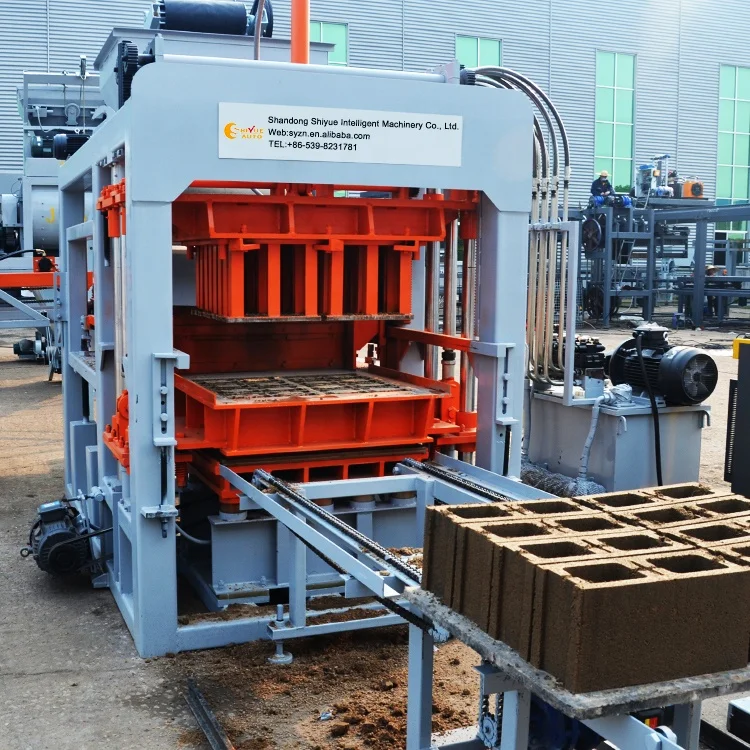
The vibration force of 45 kN at frequencies up to 60 Hz works in combination with hydraulic pressure to compact the mix into the mould cavity. Higher frequency suits fine aggregate and paver production where surface finish matters, while sustained force at lower frequency drives density in taller hollow blocks. The platform vibration form transmits energy through the pallet rather than the mould walls, which preserves mould life while delivering compaction across the full block height.
The pallet size of 880 × 850 mm defines the mould footprint available. Every mould design must fit within this envelope with clearance for hydraulic clamp travel. Before committing to a format list, verify that your existing curing racks and forklifts are dimensioned for this pallet rather than a different standard. A mismatch here forces a separate capital spend on handling equipment that should have been caught during specification.
The independent hydraulic station sits isolated from the main machine vibration and dust ingress. This separation extends seal life and keeps hydraulic fluid temperature stable across consecutive shifts, which matters when ambient temperatures climb and continuous production pushes fluid toward its thermal limit.
The Hidden Cost of Skipping the Automation Audit
Buyers often assume that "fully automatic" covers every station from raw material feeding through to block stacking and cubing. When the quotation arrives and pallet handling or curing rack transfer is listed as optional, the plant layout has already been drawn around an assumption that no longer holds. Operators end up pulling pallets by hand and stacking blocks manually, which bottlenecks the very cycle time you paid to achieve. [NEED_CITE: automation scope gaps in block making machine quotations]
The same gap appears with electrical specification. Voltage and frequency left unconfirmed at order stage mean the machine arrives with a motor rating that does not match the site supply. Commissioning stalls while transformers are sourced or motors are swapped, and the project deadline that justified the purchase in the first place is already slipping.
Why This Is the Right Place to Specify Your Line
Every configuration starts from the buyer’s target block format, local aggregate, and mix design rather than a catalogue default. The mould set, vibration parameters, and cycle timing are matched to what your market actually buys, not to a standard demonstration mould.
Machine, mould, pallet, and handling equipment are specified as one integrated system from a single source. This eliminates the interface gaps that appear when the press, pallets, and stacker come from separate suppliers who have never tested their components together.
Automation level is selectable, so you can start with the core automatic PLC controlled block making machine and add pallet feeding, stacking, or cubing modules as production volume justifies the investment. The PLC architecture accommodates these additions without a full control replacement.
Installation includes on-site commissioning with operator training covering PLC navigation, mould change procedure, fault code interpretation, and preventive maintenance intervals. The training language matches the control display language confirmed at order stage.
Documentation & Verification
- Line layout with capacity calculation stated per block format and cycle time assumption
- PLC parameter sheet listing stored recipes for each confirmed mould set
- Voltage, frequency, and control display language confirmation record signed before production
- Factory test record showing cycle times and block dimensions on your specified moulds
- Hydraulic and electrical schematic matching the as-built configuration
- Wear parts list with part numbers for hydraulic seals, vibration springs, and mould liners
Installation, Commissioning & Support
- Foundation plan sized to the 8200 × 1700 mm machine footprint with vibration isolation provisions
- Dedicated 37 kW power circuit with confirmed voltage and frequency before cable termination
- Independent hydraulic station filled and bled on site, with pressure set to your mix density requirement
- PLC touch screen loaded with confirmed language file and block format recipes before first production run
- Operator training on fault diagnosis codes, mould change sequence, and daily inspection points
- Spare seal and spring kit shipped with the machine to cover the first replacement cycle
What to Include in Your Inquiry
Send your target block formats with dimensions, required daily output per format, and details of the local aggregate and cement available. Include the site supply voltage, frequency, and the language your operators read. If you have existing pallets, curing racks, or forklifts, share their dimensions so the pallet and handling specification aligns with what is already on the ground.
Frequently Asked Questions
Q: How do I confirm the capacity figures match my actual block format?
A: Output varies with mould cavity count, block dimensions, and cycle time. We provide a format-specific capacity table showing realistic hourly and daily output for each block size in your product range, so you can plan production schedules against confirmed numbers rather than a single headline figure.
Q: Which automation functions are included and which remain manual?
A: The core PLC controls the pressing cycle, vibration, and hydraulic demolding automatically. Pallet feeding, block stacking, and curing rack handling can be included or added later. Your quotation will clearly separate included automation from optional modules so you know exactly where manual labor remains.
Q: Can the PLC display language be set to our local language before shipment?
A: Yes. The touch screen interface language is confirmed during the specification stage along with voltage and frequency. We load and verify the correct language file during factory testing so operators can navigate menus and read fault codes from the first day of production.
Q: How does the fault diagnosis system reduce unplanned downtime?
A: The system monitors sensors across all stations and displays the specific fault location when a parameter falls outside range. Combined with safe logic interlocks that prevent unsafe sequences, operators can resolve common issues without waiting for an external technician to arrive on site.