Description
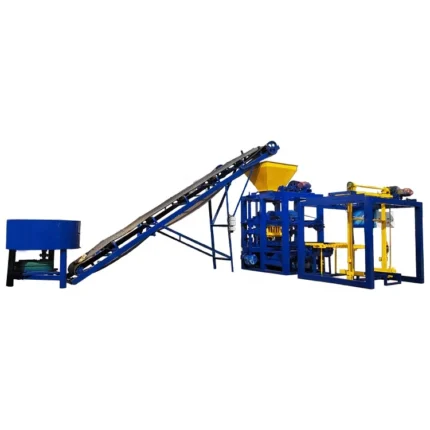
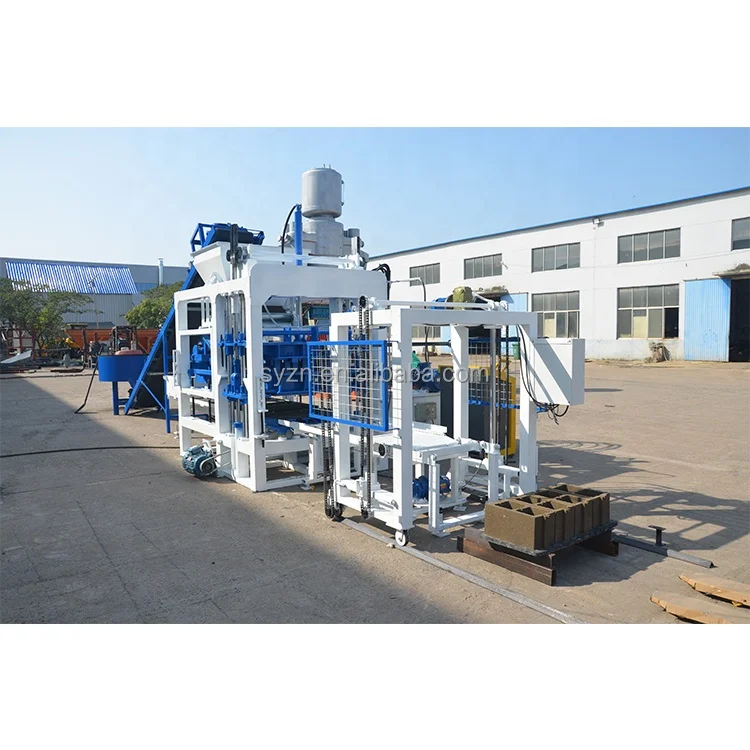
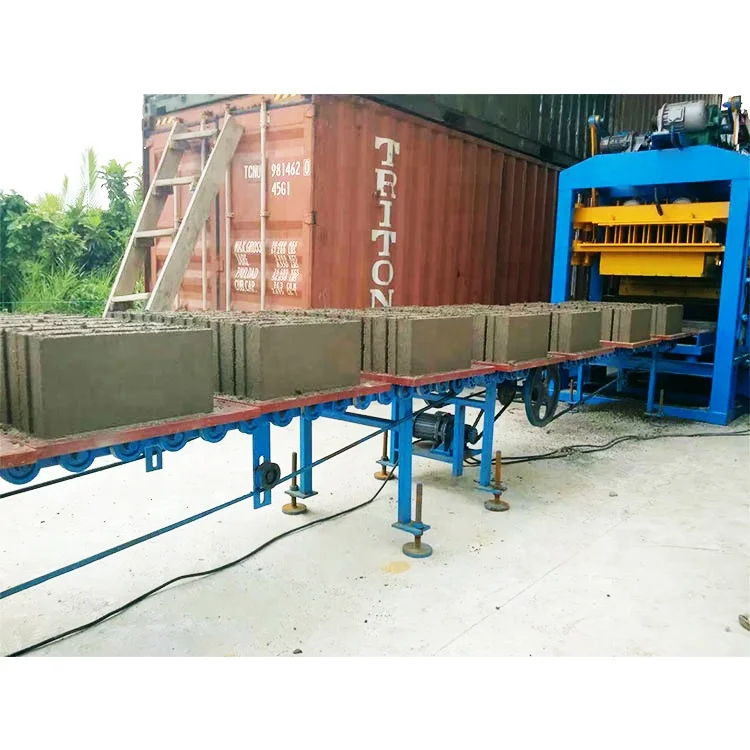
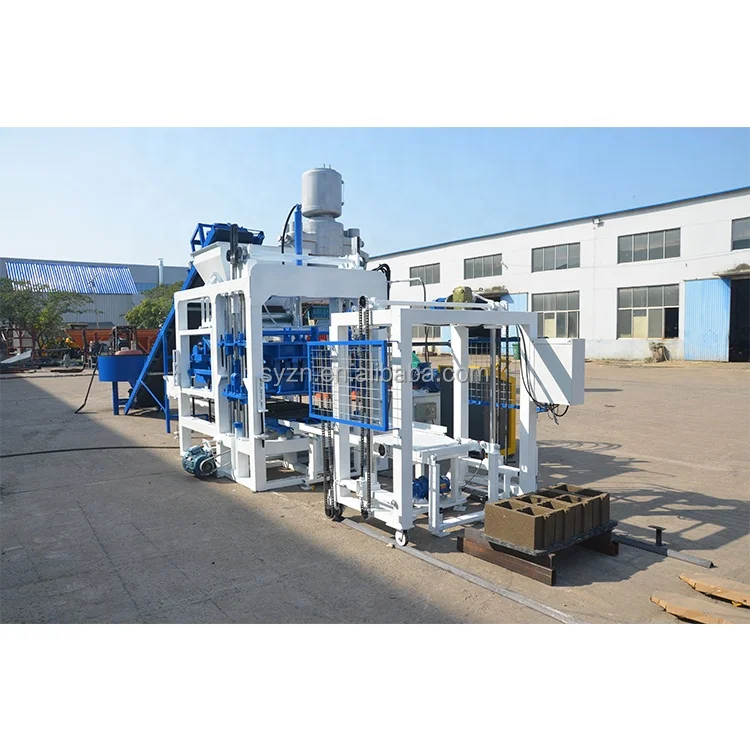
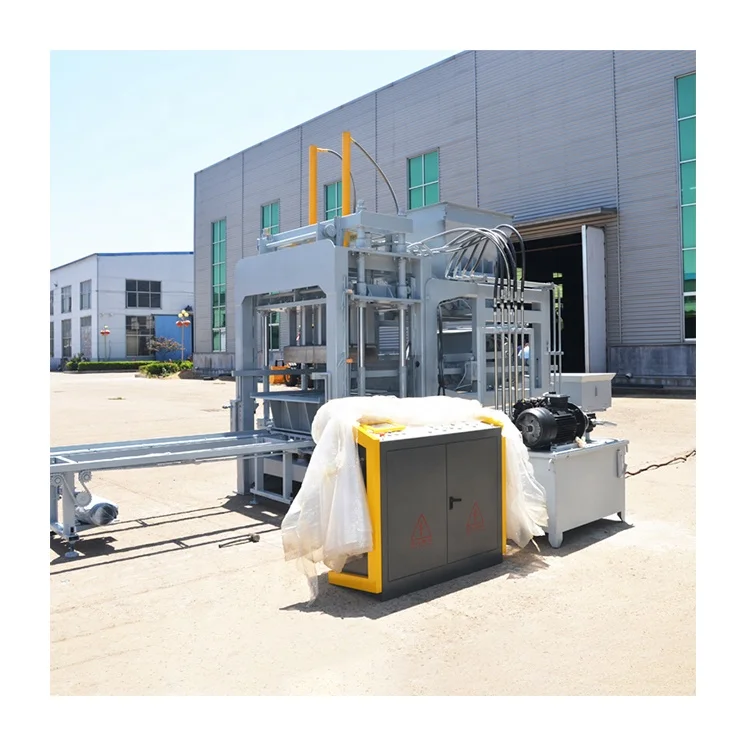
Matched System Engineering — Block machine, mould, pallet, and handling equipment specified as one coordinated line rather than assembled from disconnected suppliers, ensuring cycle times align across every station.
Technical Specifications
| Parameter | Value |
|---|---|
| Model | QT7-15 |
| Product Type | Concrete Block Making Machine |
| Pallet Size | 1150 x 700 mm |
| Molding Cycle | 15–20 s (basis not stated in source — confirm block format and material) |
| Overall Power | 45 kW |
| Vibration Force | 100 kN |
| Vibration Frequency | 0–60 Hz |
| Vibration Form | Platform Vibration |
| Demolding Method | Hydraulic |
| Total Mass | 8 T |
| Control System | PLC with touch screen interface |
| Output Capacity (Hollow block 400x200x200 mm) | 1,260–1,680 pcs/h, 10,080–13,440 pcs/8 hr |
| Output Capacity (Hollow block 400x150x200 mm) | 1,440–1,920 pcs/h, 11,520–15,360 pcs/8 hr |
| Output Capacity (Rectangular brick 200x100x60 mm) | 3,888–4,860 pcs/h, 31,104–38,880 pcs/8 hr (27 pcs/mould, 20–25 s cycle) |
| Automation Level | Automatic (PLC controlled, pallet feed, hydraulic demolding) |
| Voltage & Frequency | Configurable (basis to be confirmed before commissioning) |
Application Suitability
| Application | Material or Output |
|---|---|
| Hollow block production for building walls | Crushed stone, sand, cement, fly ash aggregates |
| Rectangular paving brick for driveways and walkways | Fine aggregate mixes with cement binder |
| On-site block manufacturing for housing projects | Locally sourced aggregate blended to site mix design |
| Format expansion for existing concrete product plants | Multiple mould formats on a single pallet size |
What "Automatic" Means When the PLC Speaks the Wrong Language
An automatic QT7-15 block machine PLC controlled system only reduces operator dependency if the interface language, voltage, and frequency match the plant floor from day one.
I have spent weeks on project sites in South Asia and the Middle East commissioning QT7-15 units, and the most expensive delay I have witnessed had nothing to do with hydraulics or mould tolerances. A control panel arrived displaying only Chinese characters. The local operators could not navigate the fault diagnosis screen, and production stalled until a software update was pushed remotely. That single oversight cost the plant nearly a full month of output [NEED_CITE: typical commissioning delays from unconfirmed PLC language settings]. The automatic QT7-15 block machine PLC controlled architecture is designed to eliminate manual guesswork, but only when the configuration protocol is completed before the machine leaves the factory.
Removing the Operator from the Cycle Equation
On a manual or semi-automatic line, the consistency of every block depends on how attentively the operator watches the feed hopper, times the vibration, and triggers demolding. The automatic QT7-15 block machine PLC controlled system stores process parameters — feed volume, vibration duration, press force, and cycle timing — and executes them identically across every shift. Batch-to-batch variation narrows because the logic controller does not fatigue, take shortcuts, or drift out of calibration between breaks.
Diagnostics That Prevent a Full Shift of Scrap
The touch screen interface on this automatic QT7-15 block machine PLC controlled cabinet provides a fault diagnosis layer that reads sensor states in real time. When a pallet feed misaligns or a hydraulic pressure reading falls outside the stored threshold, the system flags the specific station rather than simply halting the line with a generic alarm. Remote diagnostics capability allows off-site engineers to review error logs and guide local maintenance crews through corrections [NEED_CITE: PLC remote diagnostics reducing on-site service visits in block production]. This matters most during the first weeks after commissioning, when operators are still building familiarity with the sequence.
Vibration Force, Hydraulic Pressure, and Density Control
The QT7-15 delivers 100 kN of vibration force through a platform vibration system with adjustable frequency between 0 and 60 Hz. In concrete block forming, vibration compacts the aggregate around the mould cavity while hydraulic pressure holds the head plate in position. If vibration frequency is set too high for a coarse aggregate mix, the material segregates and block faces show uneven texture. Too low, and the block leaves the mould under-densified and fragile during handling. Hydraulic demolding then releases the formed block with controlled upward force, reducing edge chipping and extending mould life across thousands of cycles. The pallet size of 1150 x 700 mm dictates how many blocks form per cycle and must align with the curing rack spacing and forklift capacity already in the plant.
The Cost of Skipping the Configuration Checklist
When voltage and frequency are left unconfirmed before shipment, the machine may arrive with a motor winding rated for a supply that does not exist at the destination. Rewinding a 45 kW motor on-site is neither quick nor inexpensive. When pallet size is selected without reference to the buyer’s existing curing area, blocks must be restacked by hand before they enter the kiln, negating the automation the buyer paid for. These are not hypothetical complaints — they recur across markets where procurement timelines compress and technical protocols get shortened [NEED_CITE: common post-delivery rework costs in exported concrete machinery].
Why This Configuration Approach Differs
Block machinery is the single manufacturing focus here, which means the automatic QT7-15 block machine PLC controlled system, its moulds, pallets, and handling equipment are engineered as one matched set rather than sourced from separate vendors and bolted together. Machine configuration is set against the buyer’s actual mix design and local aggregate, not a catalogue default. Mould design covers the formats the buyer’s market actually sells, with custom drawings available. The automation level is selectable, so a semi-automatic operator can transition to PLC-controlled production without replacing the entire line. Installation support includes on-site commissioning and operator training tied to the specific control interface language confirmed during the technical agreement.
Documentation & Verification
- Line layout and capacity calculation stating the block format assumed for each output tier
- Machine specification sheet with pallet size, vibration force, and hydraulic parameters confirmed
- Mould drawing and format list matching the buyer’s target block dimensions
- Hydraulic and electrical schematic for local maintenance troubleshooting
- Voltage, frequency, and PLC display language confirmation record before production
- Factory test record and operation manual included with shipment
Installation, Commissioning & Support
- Foundation must support 8 T total mass with level tolerance across the platform vibration area
- Dedicated power circuit rated for 45 kW overall draw with confirmed voltage and frequency
- PLC touch screen configured to agreed display language before the control cabinet is sealed
- Hydraulic demolding pressure calibrated on-site against the buyer’s specific mix and aggregate
- Pallet feed machine synchronized with storage hopper and conveyor cycle timing during commissioning
- Operator training covers fault diagnosis navigation, mould change procedure, and daily maintenance checkpoints
What to Include in Your Inquiry
To size the QT7-15 correctly for your plant, share the specific block formats you intend to produce, the daily volume target for each format, your local aggregate type and available mix design, and the voltage and frequency at your site. If you are upgrading from a semi-automatic line, note which pallet handling and curing equipment you plan to carry over so the automation level can be configured around your existing layout.
Frequently Asked Questions
Q: How do I verify the stated capacity against my specific block format and local aggregate?
A: Every capacity figure for the QT7-15 is tied to a specific mould size and cycle time. Request the line layout and capacity calculation document that states the assumed block format for each output tier, then compare those figures against your target product mix and the curing cycle your plant can support.
Q: What PLC language and voltage options are confirmed before shipment?
A: Voltage, frequency, and PLC display language are written into the technical agreement and confirmed remotely before the control cabinet is sealed. This prevents commissioning delays caused by unreadable interfaces or motor windings mismatched to the local power supply.
Q: How does the automation level reduce manual pallet handling and stacking labour?
A: The automatic configuration integrates pallet feeding, block forming, and hydraulic demolding into one continuous sequence controlled by the PLC. Manual pallet loading and block removal are eliminated from the operator’s tasks, concentrating labour on quality checks and mould changes instead.
Q: Can the QT7-15 be upgraded from a semi-automatic line, and what components carry over?
A: The automation level is selectable, so existing pallets, curing racks, and certain conveyor sections may carry over depending on compatibility with the 1150 x 700 mm pallet size. The upgrade scope is defined during the configuration proposal stage based on your current equipment inventory.
Q: What remote diagnostics and fault diagnosis features does the control system support?
A: The PLC touch screen interface displays real-time sensor states and station-specific fault codes rather than generic alarms. Remote diagnostics capability allows off-site engineers to access error logs and guide local maintenance crews through corrections without waiting for a field service visit.