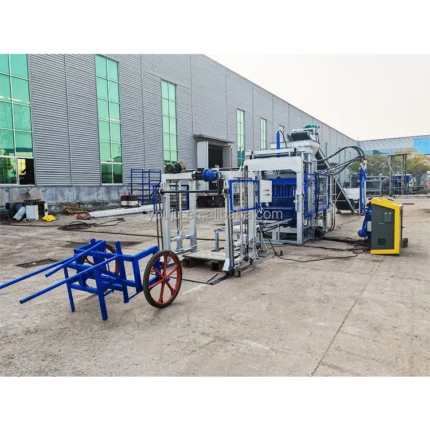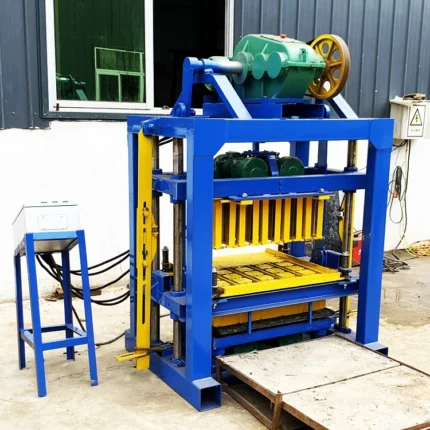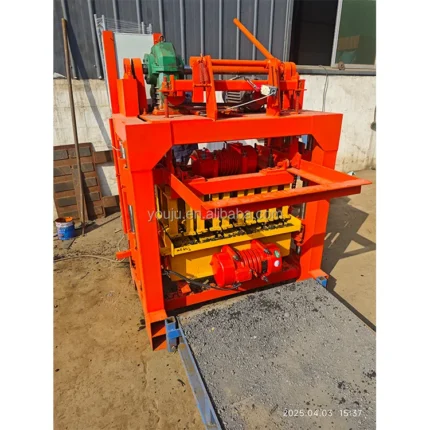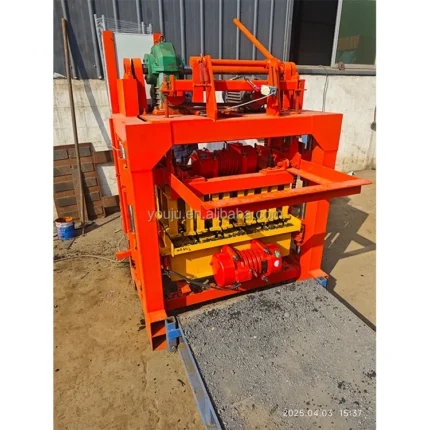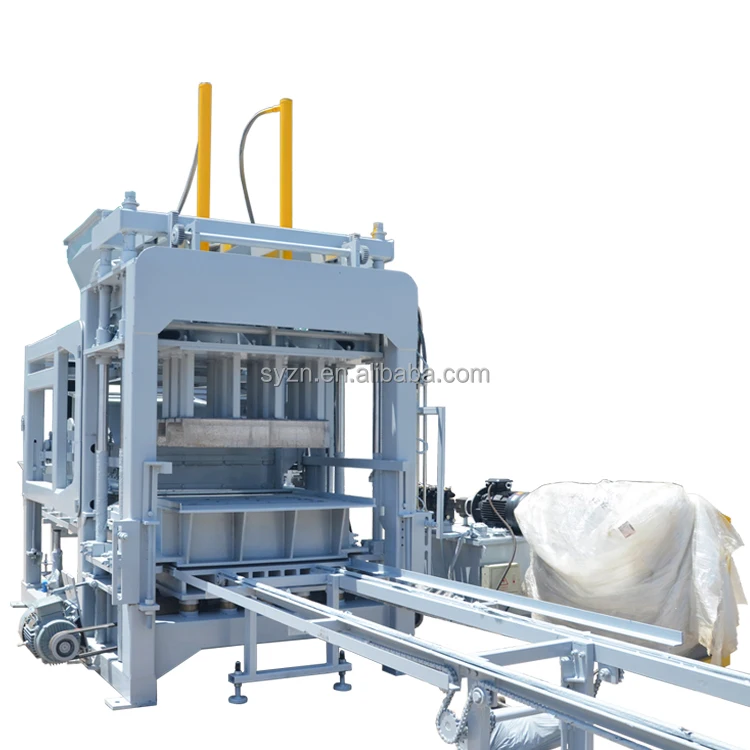
Description
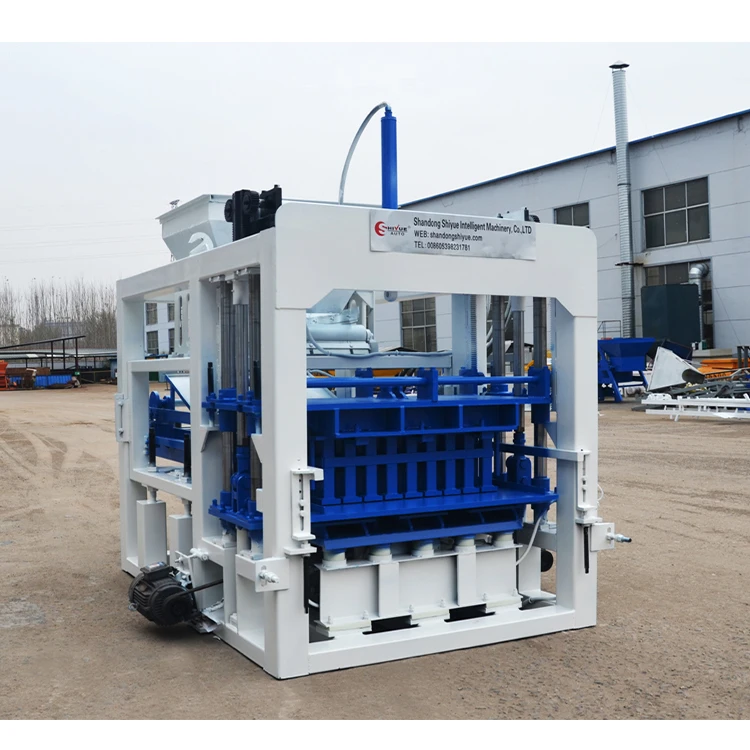
Configuration set against the buyer’s actual mix design and local aggregate — the QT7-15 is spec’d with real cycle loads and automation levels in mind, not pulled from a default catalogue line.
Technical Specifications
| Parameter | Value |
|---|---|
| Model | QT7-15 |
| Product Type | Stationary Hydraulic Block Making Machine |
| Pallet Size | 1150×700 mm |
| Molding Cycle | 15–20 s |
| Overall Power | 45 kW |
| Vibration Force | 100 kN |
| Total Mass | 8 T |
| Vibration Frequency | 0–60 Hz |
| Vibration Form | Platform Vibration |
| Demolding Method | Hydraulic |
| Control System | PLC with touch screen interface |
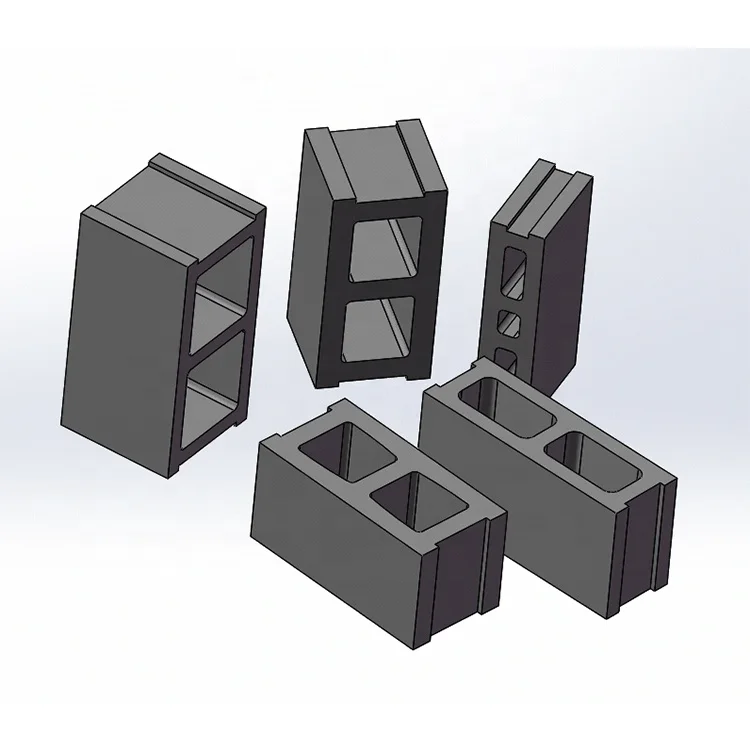
| Output Capacity (Hollow block 400×200×200 mm) | 1,260–1,680 pcs/h (basis: 15-20s cycle) |
| Output Capacity (Hollow block 400×150×200 mm) | 1,440–1,920 pcs/h (basis: 15-20s cycle) |
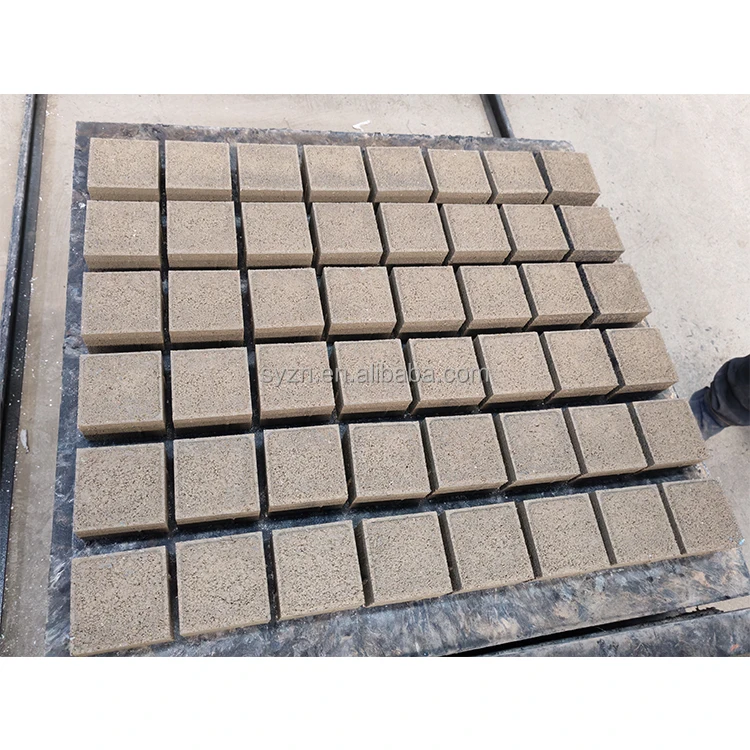
| Output Capacity (Rectangular paving brick 200×100×60 mm) | 3,888–4,860 pcs/h (basis: 15-20s cycle) |
| Mould Change | Quick replacement (time basis to be confirmed on-site) |
| Automation Level | Automatic (PLC controlled, remote capability) |
| Voltage & Frequency | Configurable per destination market |
Application Suitability
| Application | Material or Output |
|---|---|
| Hollow block production | Crushed stone, cement, and local aggregates for masonry walls |
| Interlocking brick manufacturing | Fine aggregate and cement mixes for dry-stack construction |
| Paving brick production | High-density concrete mixes for pedestrian and vehicular surfaces |
| Solid block forming | Standard concrete mixes for load-bearing structural applications |
What "Cycles Per Hour" Actually Means for Your PLC Controlled System
Capacity is only real when you know exactly which block size and cycle time the number assumes.
I have seen plant owners sign contracts based on a headline cycle figure, only to realize the machine was rated on a small solid block while their daily bread was a heavy hollow format. The automatic QT7-15 block making machine PLC controlled architecture logs every cycle against a specific mould, so the data you see on the touch screen reflects your actual product, not a laboratory test [NEED_CITE: PLC data logging standards for industrial forming equipment]. When the vibration frequency and hydraulic pressure are matched to your specific aggregate, the cycle holds steady rather than drifting as wear parts age.
Removing the Operator Guesswork
The touch screen interface on the automatic QT7-15 block making machine PLC controlled setup stores process data for every format you run. When an operator switches from hollow blocks to paving bricks, the system recalls the exact vibration frequency, hydraulic pressure, and feed time that produced the last successful batch. This removes the need for manual adjustments that vary from shift to shift, keeping batch-to-batch consistency tight even when personnel change.
From Semi-Automatic to Full Line Integration
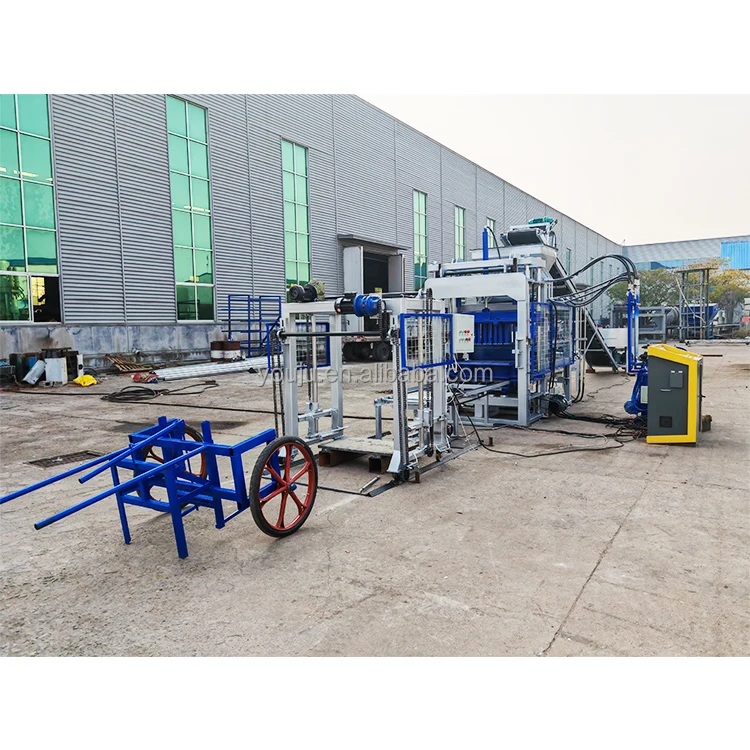
Many plants start with a standalone press and add automation later, but the control architecture must be ready for that step. The PLC on this model supports remote diagnostic capability and process data storage, so when you add automatic pallet feeding or stacking, the press already speaks the same protocol [NEED_CITE: PLC communication protocols for block line integration]. You are not ripping out the brain to add the limbs.
Reading the Spec Sheet Against Your Actual Product
The 100 kN vibration force and 0–60 Hz adjustable frequency must work together with the hydraulic demolding to produce a block that survives the curing rack. On the 1150×700 mm pallet, the platform vibration reaches across the full surface, but the mix design and moisture content of your local aggregate decide whether that force translates into density or just noise. The 15–20 s molding cycle is achievable when the material flows freely into the mould cavity; sticky or poorly graded mixes will extend that time regardless of what the PLC commands.
The Cost of Leaving the PLC Language Unresolved
If the touch screen displays in a language your operators cannot read, fault diagnosis becomes a guessing game and the remote diagnostic capability sits unused. I have watched commissioning stall for days because the voltage and frequency were confirmed but the control language was not. That delay costs you production time, and the automatic QT7-15 block making machine PLC controlled system is only as smart as the person who can read its screen [NEED_CITE: PLC interface language requirements by export market].
Why the Automation Scope Must Be Explicit
The press itself is only one station in a line that includes pallet feeding, stacking, and curing rack handling. If those surrounding stations are not included in the quotation, your output ends up stacked by hand and the PLC has nothing to control beyond the press cycle. We spec the automation level so that pallet handling, stacking, and cubing are confirmed before production starts, not discovered as missing after the machine arrives.
Documentation & Verification
- Factory test record showing cycle time against your target hollow block and paving brick format
- PLC program backup on USB with process data and fault diagnosis parameters saved before dispatch
- Voltage, frequency, and control language confirmation sheet signed before production begins
- Hydraulic and electrical schematic matching the as-built configuration, not a generic template
- Wear parts and mould list with part numbers for your specific 1150×700 mm pallet size
- Packing photographs showing dismantling state and container loading arrangement
Installation, Commissioning & Support
- Foundation plan matching the 8 T total mass and 45 kW power requirement for stable platform vibration
- Dedicated electrical circuit sized for 45 kW with voltage and frequency matching your local grid
- On-site assembly from dismantled shipment state with alignment check on the 1150×700 mm pallet rails
- First-run parameter setting with your local aggregate and mix design, logged in the PLC memory
- Operator training on touch screen interface, mould change procedure, and fault diagnosis response
- Wear parts kit for hydraulic seals and vibration motor bearings covering the first six months of operation
What to Send with Your Next Inquiry
Tell us the exact block format you sell most, the daily output you need for that format, and the local aggregate you can source reliably. Include your site voltage, frequency, and the language your operators read. If you have existing pallets or a forklift with a specific lift capacity, share those dimensions so the 1150×700 mm pallet size is verified against your curing area before the line is configured.
Frequently Asked Questions
Q: How is the output capacity verified for each block format?
A: Every capacity figure names the exact block size, mould cavity count, and 15–20 s cycle time behind it. The PLC logs actual production against these parameters so you can compare daily output to the original calculation.
Q: What PLC language options are available, and can I upgrade from semi-automatic?
A: The touch screen interface is configurable to your operator language before dispatch. The control architecture supports adding automatic pallet feeding and stacking later without replacing the PLC unit.
Q: How do vibration force and hydraulic pressure match my local aggregate?
A: The 100 kN vibration force and 0–60 Hz frequency are tuned during commissioning using your actual mix design and moisture content, not set to a catalogue default that ignores material differences.
Q: What supporting equipment must cycle-match the press?
A: Pallet feeding, stacking, and curing rack handling must keep pace with the 15–20 s molding cycle so the press never waits. We confirm these stations and their cycle times before the line is built.