Description
Adjustable Vibration Logic — the QTJ4-25 allows frequency tuning between 2800 and 5100 r/min so the hydraulic pressure and vibration force stay matched to your local aggregate rather than a default factory setting.
Technical Specifications
| Parameter | Value |
|---|---|
| Product Type | Semi-Automatic Concrete Block Making Machine |
| Model | QTJ4-25 |
| Overall Dimensions (L×W×H) | 6400×1500×2700mm |
| Molding Cycle | 25s |
| Vibration Frequency Range | 2800–5100 r/min |
| Vibration Force (Exciting Power) | 60KN |
| Total Installed Power | 17.9KW |
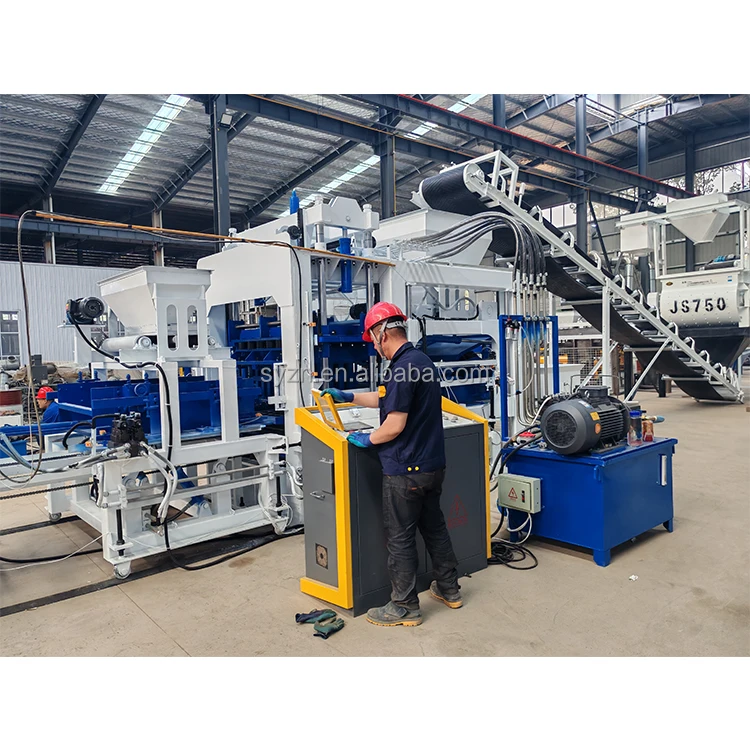
| Mixer Model | JQ350 |
| Pallet Size | 850×550×20mm |
| Net Weight | 2500KG |
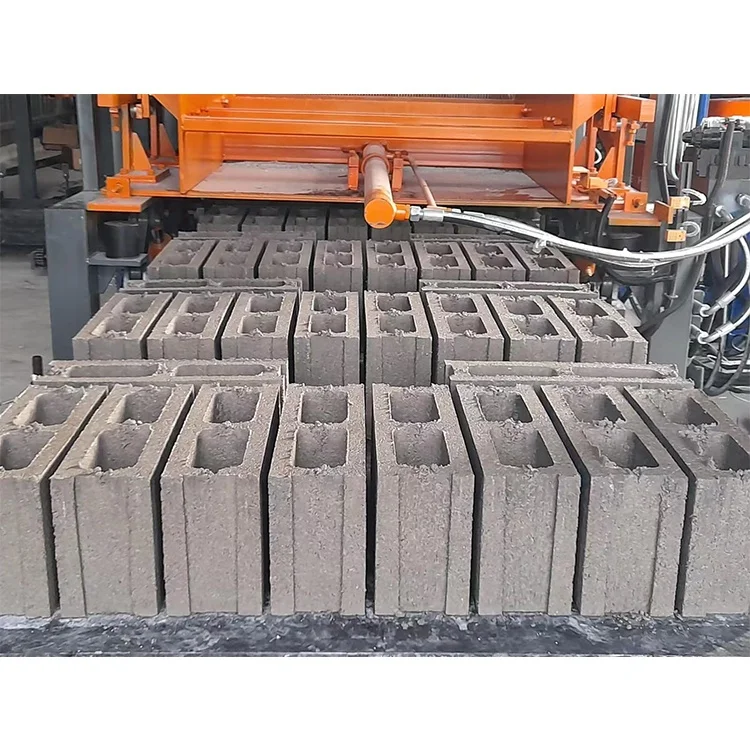
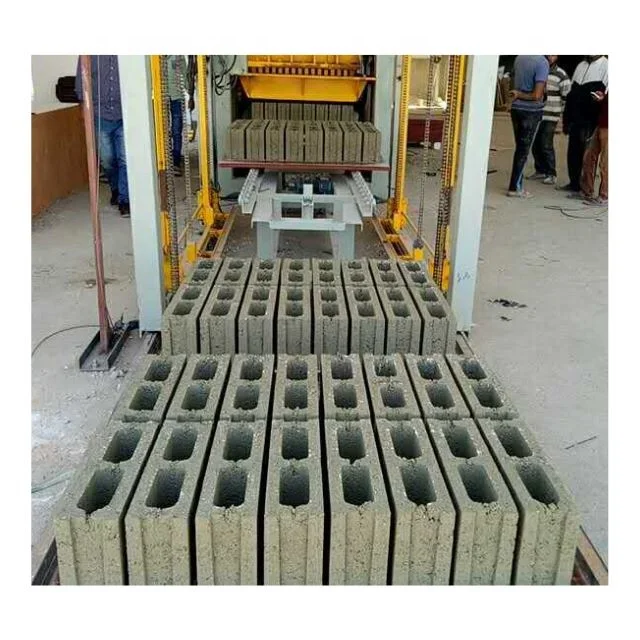
| Applied Products | Concrete hollow block (8 inch, 6 inch), solid brick, paver |
| Raw Materials | Crushed stones, sand, cement, dust, fly ash |
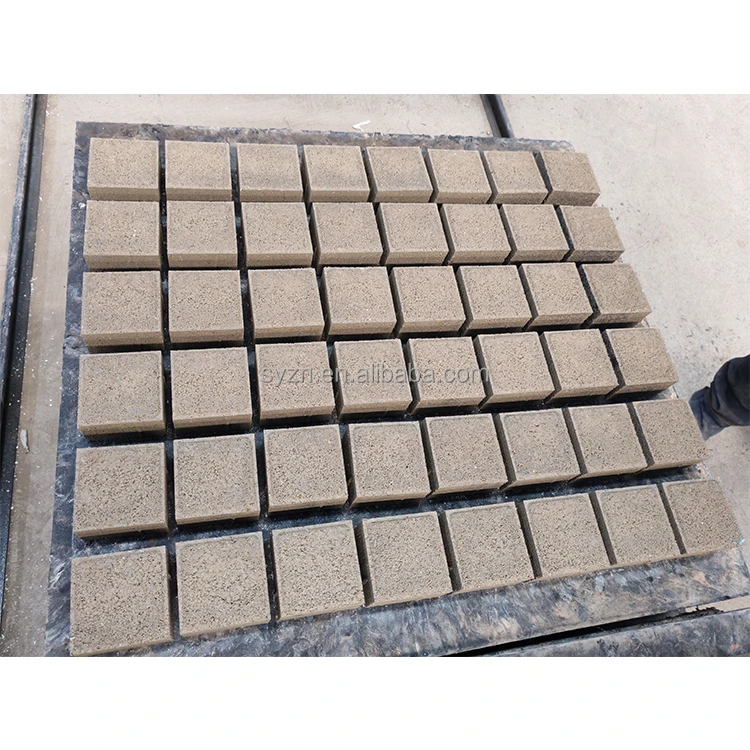
| Output Capacity | 480 pcs/hr for 390×190×190mm hollow block (4 pcs/mould); 2100 pcs/hr for 240×115×53mm solid brick (18 pcs/mould) |
| Daily Output (8hr) | 3800 pcs for 390×190×190mm hollow block; 17000 pcs for 240×115×53mm solid brick |
| Automation Level | Semi-automatic |
| Hydraulic System | Hydraulic station equipped |
| Voltage & Frequency | basis not stated in source — confirm with buyer’s local grid |
| Control System | basis not stated in source — confirm PLC or relay logic |
| Mould Change Time | basis not stated in source — confirm block format / material / thickness |
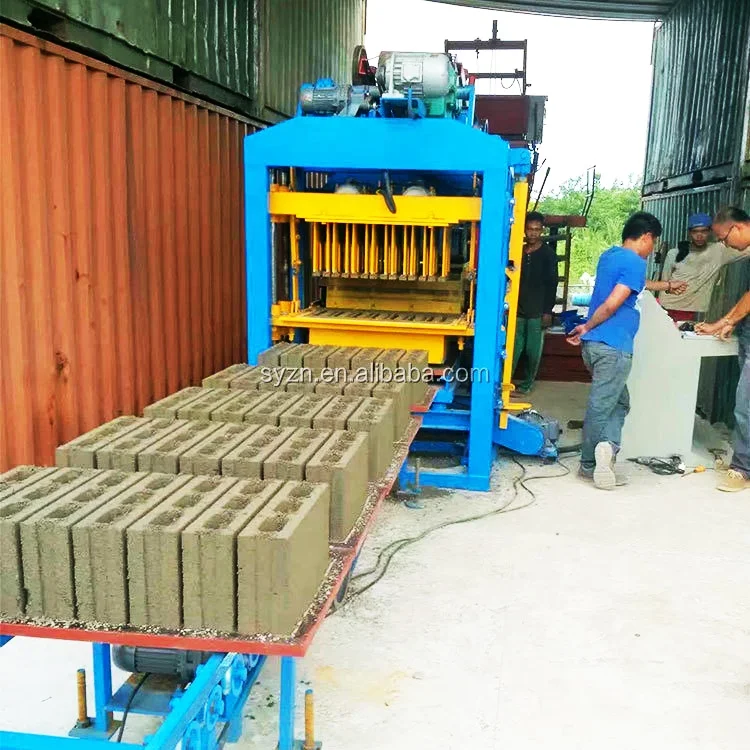
| Stacking Method | Manual (place on pallet, move with trolley) |
| Assembly State | Shipped in 20GP container, nude packing |
Application Suitability
| Application | Material or Output |
|---|---|
| Small to medium block production plants | Crushed stone, sand, cement, and fly ash blends |
| On-site block production for construction contractors | Local aggregate hollow blocks and solid bricks |
| Entrepreneurs setting up a first block plant | Standard 8-inch and 6-inch concrete hollow blocks |
| Paving block and kerbstone manufacturing | Cement and dust mixes with adjustable vibration profiles |
Why Vibration Matching Matters More Than Cycle Speed
A machine rated at a fast cycle on clean river sand can lose both speed and block integrity when fed volcanic ash or high-moisture crusher dust. The automatic QTJ4-25 block machine addresses this by letting the operator dial the vibration frequency to the actual material on site.
Block density depends on tuning vibration and hydraulic pressure to the mix, not on running the press at maximum speed all day.
I have watched a semi-automatic press churn out perfect hollow blocks on standard sand, then spend an entire week chasing weak corners and cracking when the same buyer switched to a wet local aggregate. The vibration force was overwhelming the moisture, pushing water to the surface and leaving voids inside the block wall. Once we pulled the frequency back and raised the hydraulic dwell, the QTJ4-25 settled into a stable 25-second cycle again. [NEED_CITE: effect of aggregate moisture on concrete block compaction]
Tuning the Vibration Profile to Your Mix
The bed mould delivers vertical vibration while the upper mould adds compression vibration simultaneously. This dual action is what compresses the concrete evenly through the block height. On the QTJ4-25, the vibration frequency spans 2800 to 5100 r/min, which means the same PLC controlled block making machine can handle a lean fly-ash mix at the lower end and a stiff crushed-stone mix at the higher end. Matching this range to your material avoids the two most common failures: under-compacted blocks that crumble during pallet transport and over-vibrated blocks where segregation leaves a weak core.
Where Semi-Automatic Ends and the Upgrade Path Begins
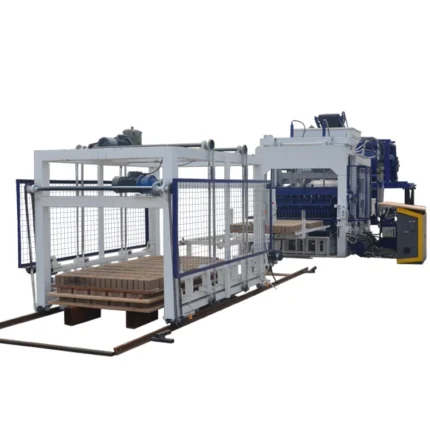
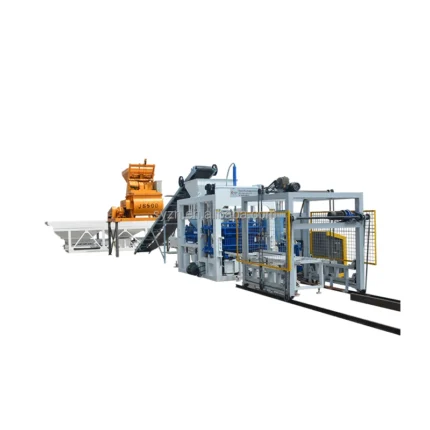
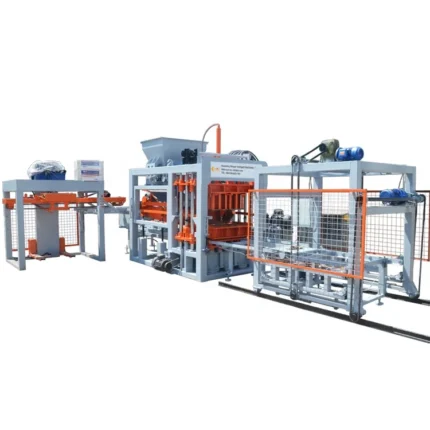
In its standard configuration, the QTJ4-25 runs with a hydraulic station for pressing and manual pallet handling with a trolley for moving cured output. This is a deliberate starting point for buyers who need consistent pressing quality now but plan to add automatic pallet feeding or stacking later. The 17.9KW total power draw keeps the electrical requirement manageable for a first plant, and the 2500KG net weight means the machine sits on a level concrete pad without deep foundation work. A buyer can introduce an automatic stacker in a second phase without replacing the press itself, because the mould head and pallet dimensions stay the same across the automation stages. [NEED_CITE: typical automation upgrade sequence for block plants]
Reading the Specs That Actually Shape Daily Output
The 60KN vibration force works together with the hydraulic station to determine how tightly the concrete particles pack inside the mould. A higher force is not automatically better — if your aggregate is fine and damp, too much force fluidizes the mix instead of compacting it. The 850×550×20mm pallet size is the other critical figure. It must match the curing racks and forklift tines you already have on site, because every pallet that does not fit the rack wastes floor space and slows the curing cycle. The 25-second molding cycle is achievable on standard formats like the 390×190×190mm hollow block at 4 pieces per cycle and the 240×115×53mm solid brick at 18 pieces per cycle. What matters more than the raw cycle number is how quickly the operator can change the mould when your market shifts from hollow block demand to paver demand mid-season. [NEED_CITE: relationship between pallet size and curing area layout]
The Cost of Skipping the Voltage Conversation
A machine built for 380V/50Hz that arrives at a 440V/60Hz site will either burn out the vibration motor within weeks or run the hydraulic pump at the wrong speed, changing the pressing profile entirely. This is the single most common commissioning delay I encounter in Southeast Asia, and it is entirely avoidable. Confirming the local grid voltage, frequency, and PLC display language before the machine enters production means the first block comes off the line within days of arrival instead of waiting weeks for a replacement transformer or a reprogrammed controller. [NEED_CITE: voltage and frequency standards by export market]
What You Get When the Line Is Specified as One System
Shiyue configures the QTJ4-25 around the buyer’s actual mix design and target block format rather than shipping a catalogue default. The mould is selected for the formats your market sells, and the pallet specification is matched to your curing area. A factory test record is produced on your material before dispatch, so you see block strength data from your own aggregate before the machine leaves the workshop. The documentation package includes hydraulic and electrical schematics, a wear parts list, and an operation manual in the language confirmed at order. [NEED_CITE: CE machinery directive requirements for industrial equipment]
Documentation & Verification
- Factory test record produced on buyer’s submitted aggregate sample before dispatch
- Hydraulic and electrical schematic matching the confirmed voltage and frequency
- Mould drawing and format list for every block type included in the quotation
- Pallet specification cross-checked against buyer’s existing curing rack dimensions
- Operation and maintenance manual in the confirmed PLC display language
- Wear parts and mould list with part numbers for first-year replacements
Installation, Commissioning & Support
- Level concrete pad sized for the 6400×1500×2700mm footprint without deep anchoring
- Dedicated power circuit matching the confirmed voltage and 17.9KW total draw
- Machine arrives as nude packing in a 20GP container for straightforward unloading
- On-site commissioning includes vibration frequency tuning to the buyer’s mix
- Operator training covers mould change procedure and hydraulic pressure adjustment
- Wear parts list provided so first replacements are ordered before they are needed
Before You Request a Quotation
Tell us the exact block formats your market demands, the daily volume you need for each format, and the local aggregate you will feed into the JQ350 mixer. Share your site voltage, frequency, and the PLC display language your operators read. If you already have curing racks and forklifts on site, send the pallet dimensions they accept so the 850×550mm pallet spec is verified before production starts.
Frequently Asked Questions
Q: What automation level does the QTJ4-25 ship with, and which stages can be upgraded later?
A: The machine ships as a semi-automatic press with a hydraulic station and manual pallet handling via trolley. Automatic pallet feeding and stacking can be added in a later phase without replacing the press, because the mould head and pallet size remain constant across the automation stages.
Q: How is vibration frequency matched to my local aggregate and mix design?
A: The vibration frequency is adjustable between 2800 and 5100 r/min. During commissioning, the operator tests your actual mix and tunes the frequency and hydraulic dwell until block density and surface finish are stable across consecutive cycles.
Q: What is the realistic daily output for my specific block format?
A: Output depends on the format and mix. For a 390×190×190mm hollow block at 4 per mould, the reference rate is 3800 pieces per 8-hour day. For a 240×115×53mm solid brick at 18 per mould, the reference rate is 17000 pieces per 8-hour day.
Q: What PLC control language and voltage configuration are confirmed before shipment?
A: Both are locked in at order. You specify your local grid voltage and frequency, and the PLC display language your operators use. The machine is then wired and programmed to those values before the factory test runs.
Q: How long does a mould change take, and what tools are required?
A: Mould change time depends on the block format and material thickness. The procedure uses standard hand tools and is covered during operator training, which includes a live change on the formats included in your quotation.