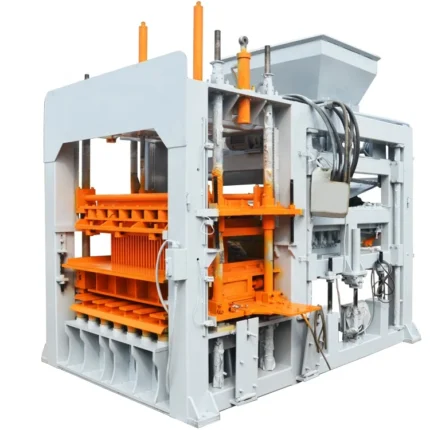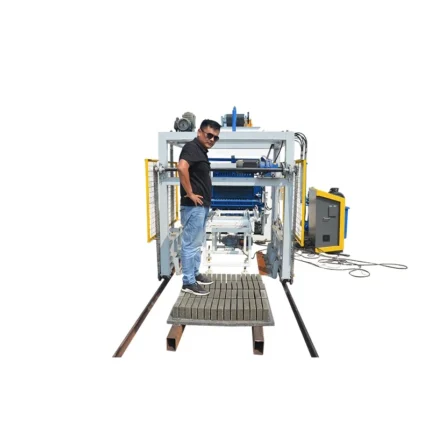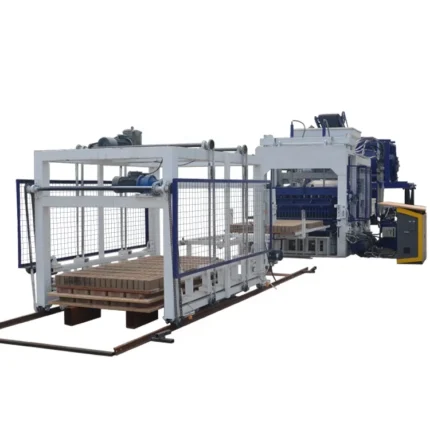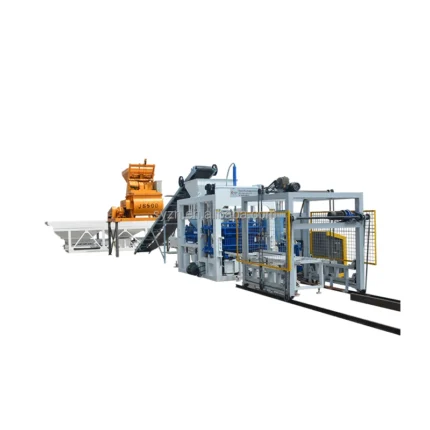



Description
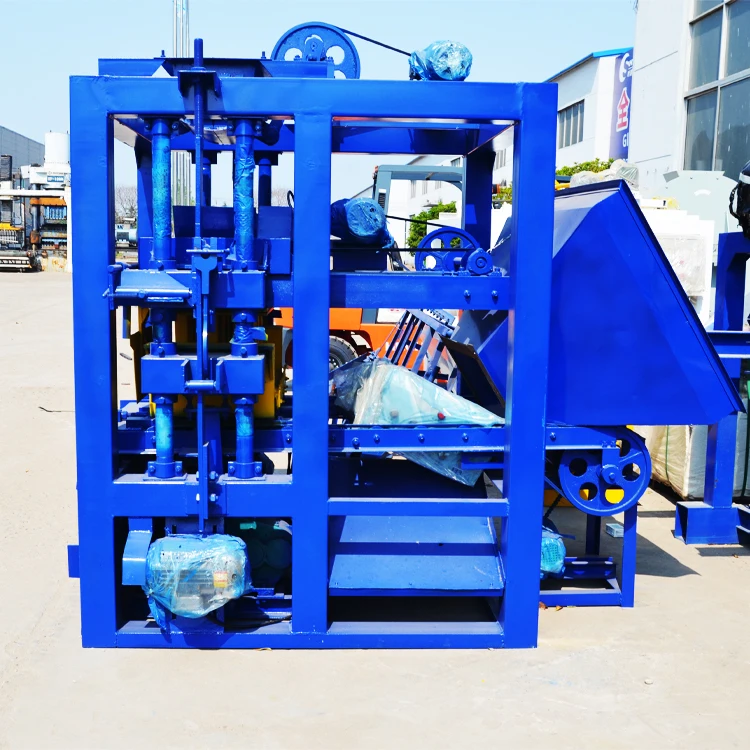
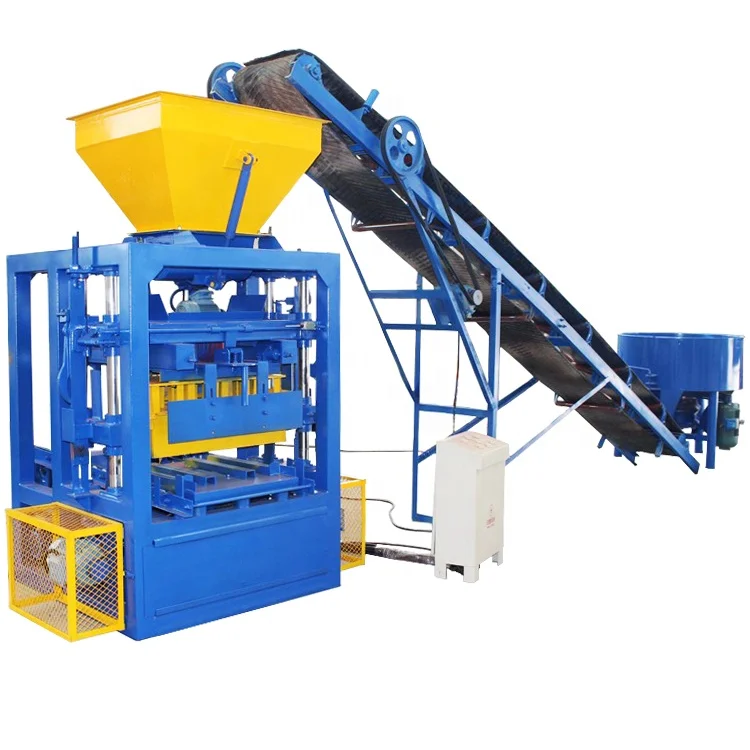
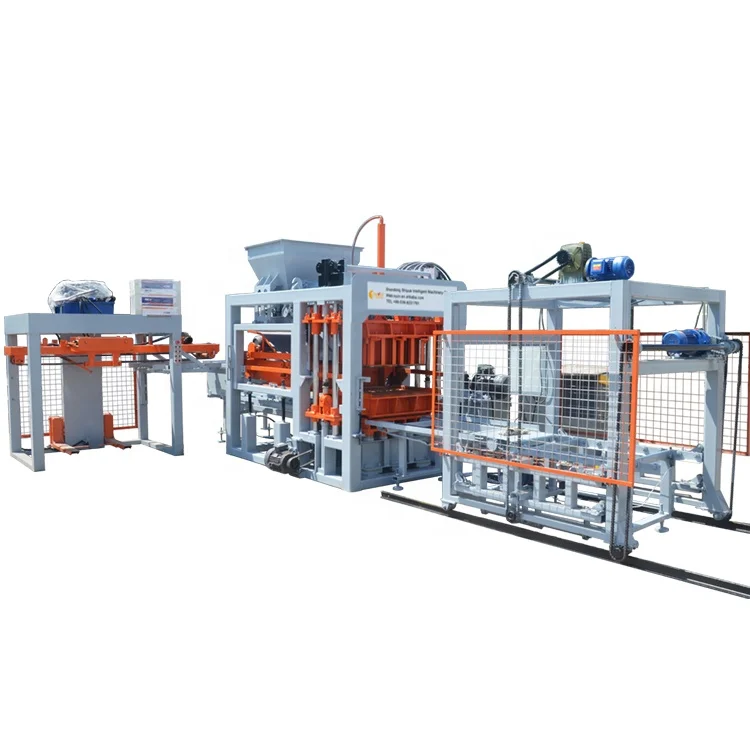
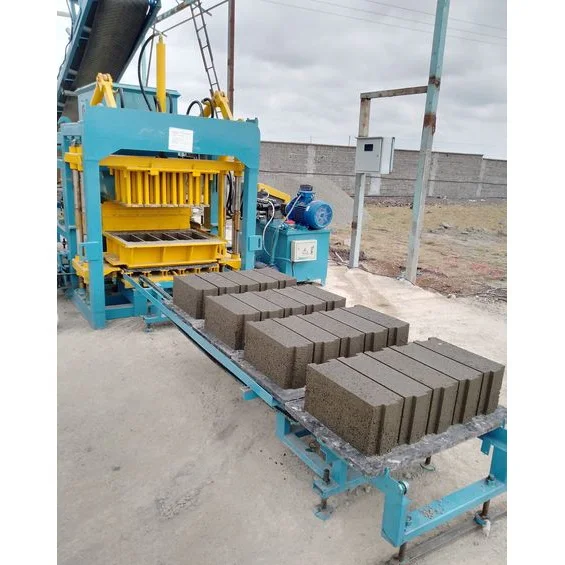
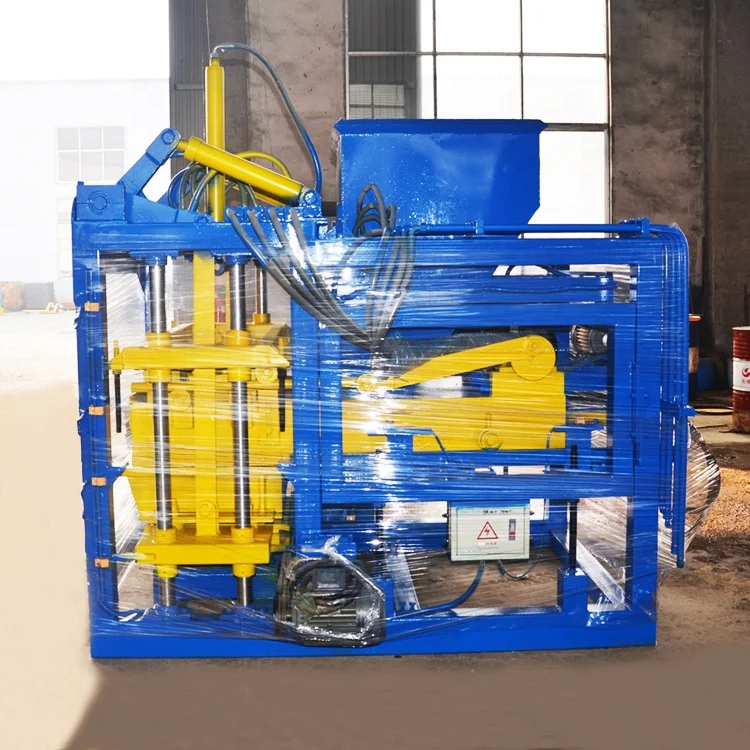
Automation Level Selectable — The QTJ4-25 automatic concrete block making machine PLC controlled is specified against the buyer’s actual mix design, local aggregate and target block format so the intelligent side of the line matches real production conditions, not a catalogue default.
Technical Specifications
| Parameter | Value |
|---|---|
| Model | QTJ4-25 |
| Product Type | Automatic Concrete Block Making Machine |
| Overall Dimensions (L×W×H) | 6400×1500×2700 mm |
| Molding Cycle | 25 s (basis not stated in source — confirm block format / material / thickness) |
| Vibration Frequency | 2800–5100 r/min |
| Vibration Force | 60 kN |
| Rated Power | 17.9 kW |
| Mixer Model | JQ350 |
| Pallet Size | 850×550×20 mm |
| Net Weight | 2500 kg |
| Control System | PLC control |
| Key Features | Automatic plate-supplying, material-disturbing, brick-discharging |
Application Suitability
| Application | Material or Output |
|---|---|
| Hollow block production | 8 inch and 6 inch hollow blocks from crushed stone, sand and cement |
| Solid brick production | Standard 240×115×53 mm solid bricks from fly ash and aggregate mixes |
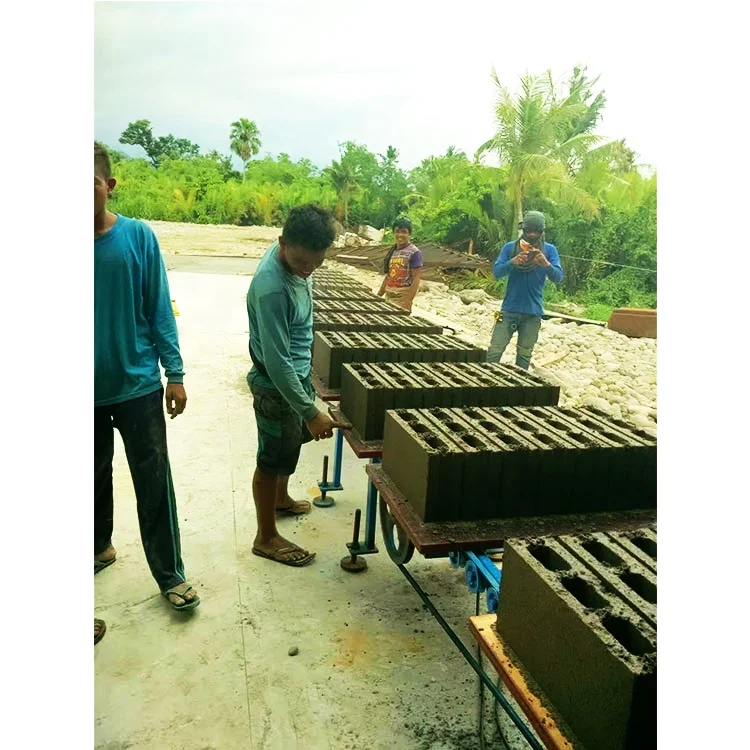
| On-site contractor production | Concrete blocks for housing and development projects using local raw materials |
| First block plant setup | Small to medium investment lines producing hollow blocks and solid bricks |
Why "Cycles per Hour" Misses the Real Automation Picture
The PLC only adds value when the entire pressing cycle is governed as one sequenced operation, not when isolated steps are automated while the operator fills the gaps.
Many block machines are quoted with a fast cycle time but leave pallet handling, material distribution or discharge to manual labour. On a QTJ4-25 automatic concrete block making machine PLC controlled setup, the difference between a genuinely automated cycle and a partially automated one shows up in density variation from block to block [NEED_CITE: impact of manual pallet handling on block density consistency]. When an operator decides when to feed material or pull a pallet, the vibration window shifts by seconds, and that shift is enough to change the compaction result across a full day’s output.
PLC Sequencing That Removes Operator Pacing
The automatic concrete block making machine PLC controlled system on the QTJ4-25 governs plate supply, material distribution and brick discharge as a continuous sequence. Once the cycle starts, the operator is no longer setting the pace — the PLC holds the timing for each station so that vibration, material feed and pallet movement happen in the same order every time. This removes the most repetitive manual steps and reduces the headcount needed at the press per shift.
Consistency Locked Into Every Mould Fill
Batch-to-batch consistency depends on the vibration window and material distribution being repeatable across every mould fill. The PLC regulates the vibration frequency within the 2800–5100 r/min range and holds the 60 kN vibration force for the set duration [NEED_CITE: PLC-regulated vibration and block density uniformity]. An operator running the machine manually cannot hold these parameters to the same tolerance over an eight-hour shift, especially when fatigue sets in during the second half of production.
Reading the Specifications Behind the Press
The vibration frequency range of 2800–5100 r/min gives the operator the ability to adjust compaction intensity depending on whether the current mould is producing lightweight hollow blocks or dense solid bricks. The 60 kN vibration force, regulated by the PLC, must work with the mix design — a mix that is too dry will not consolidate at lower frequencies, while a wetter mix may need shorter vibration to avoid slumping. The 25-second molding cycle figure applies only when block format, material and thickness are confirmed; a thicker kerbstone or a different aggregate blend will change that number. The JQ350 mixer paired with this line must produce a mix that is consistent enough for the PLC to work with — uneven feed material defeats even the most precise automation. The 17.9 kW rated power covers the full pressing cycle including vibration, material disturbance and pallet movement, which matters when sizing the electrical supply for the plant.
What Happens When the PLC Language Is Wrong on Arrival
I shipped an automatic block machine to a site in Southeast Asia years ago and forgot to confirm the PLC display language with the buyer. The control cabinet arrived with a full Chinese interface, and the local operators would not touch a single button — commissioning stalled for two days until we could remote into the HMI and switch the language. On the QTJ4-25 automatic concrete block making machine PLC controlled configuration, voltage, frequency and control language are confirmed in writing before production starts [NEED_CITE: export machinery voltage and frequency standards by destination market]. Skipping that step turns an automation investment into a liability the moment the container is opened.
Why This Configuration Holds Up Over a Production Day
Shiyue configures the QTJ4-25 as one matched system — the press, mould, pallet and handling equipment are specified together rather than assembled from separate suppliers, so the PLC sequencing accounts for every station. Configuration is set against the buyer’s actual mix design and local aggregate, not pulled from a default catalogue line, which means the vibration parameters the PLC holds are relevant to the material on site. Mould design covers the formats the buyer’s market actually sells, including custom drawings, so the PLC cycle can be adjusted per mould rather than forcing one block type. The automation level is selectable at the specification stage, allowing a buyer to start with this semi-automatic tier and plan a future upgrade to full stacking and cubing. Installation support includes operator training on PLC fault codes and sensor calibration so the local team can handle routine diagnostics independently.
Documentation & Verification
- Line layout and capacity calculation stating the block format assumed for each output figure
- Machine specification sheet with PLC I/O list and sensor positions
- Hydraulic and electrical schematic enabling local electrician support
- Voltage, frequency and PLC display language confirmation signed before production
- Operation and maintenance manual covering PLC fault codes in the buyer’s language
- Factory test record on the buyer’s target block format before dispatch
Installation, Commissioning & Support
- Foundation pad sized to the 6400×1500 mm footprint with vibration isolation for the 60 kN force
- Dedicated electrical circuit rated for 17.9 kW with voltage and frequency matched to site supply
- PLC cabinet positioned for operator access with HMI display in the confirmed language
- First-run commissioning covering vibration frequency calibration across the 2800–5100 r/min range
- Operator training on automatic plate-supplying and brick-discharging sequences
- Wear parts and sensor list supplied with PLC fault code reference for local maintenance
What to Prepare Before Requesting a Proposal
To size the QTJ4-25 correctly, share the block formats your market sells, the daily output you need per format, your local raw materials and mix proportions, the voltage and frequency at your site, and the language your operators need on the PLC display. If you already have pallets and a curing area, include the pallet dimensions so the automatic plate-supplying system can be matched to what you have on the ground.
Frequently Asked Questions
Q: How is output capacity verified, and which block format does each figure assume?
A: Cycle time and hourly output change depending on the mould in use. The capacity document supplied with the QTJ4-25 ties each output figure to a specific block dimension, so daily planning is based on the format you actually produce rather than a single catalogue peak number.
Q: What PLC brand is used, and can the display language be set before shipment?
A: The control language and HMI interface are confirmed during the voltage and control confirmation step before production begins. This ensures the operator sees instructions in their own language the moment the cabinet is powered up on site.
Q: Which steps are automated, and which still require an operator?
A: Pallet feeding, material distribution and brick discharge operate automatically under PLC sequencing. Mould change, raw material loading and curing area handling are defined by the automation level chosen at specification, allowing the buyer to scale up as production grows.
Q: Can the automation level be upgraded after installation?
A: The QTJ4-25 sits within a configuration range that allows adding automatic stacking, curing rack handling or cubing stations later. The PLC platform supports these additions without replacing the core control system.
Q: How are PLC faults diagnosed on-site without a specialist visit?
A: The HMI displays fault codes tied to specific sensors and actuators. The maintenance manual covers sensor calibration and cycle parameter adjustment, and remote diagnostics availability is confirmed before dispatch so the local team can resolve common issues independently.