
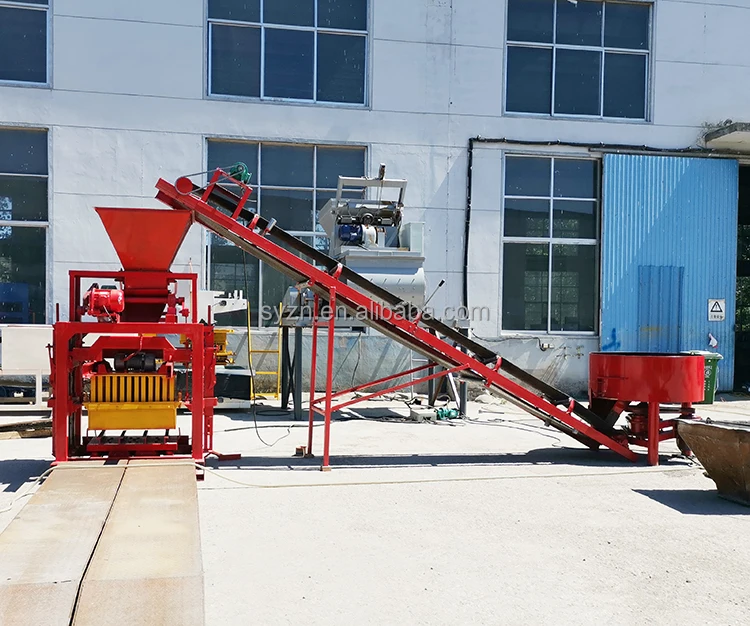

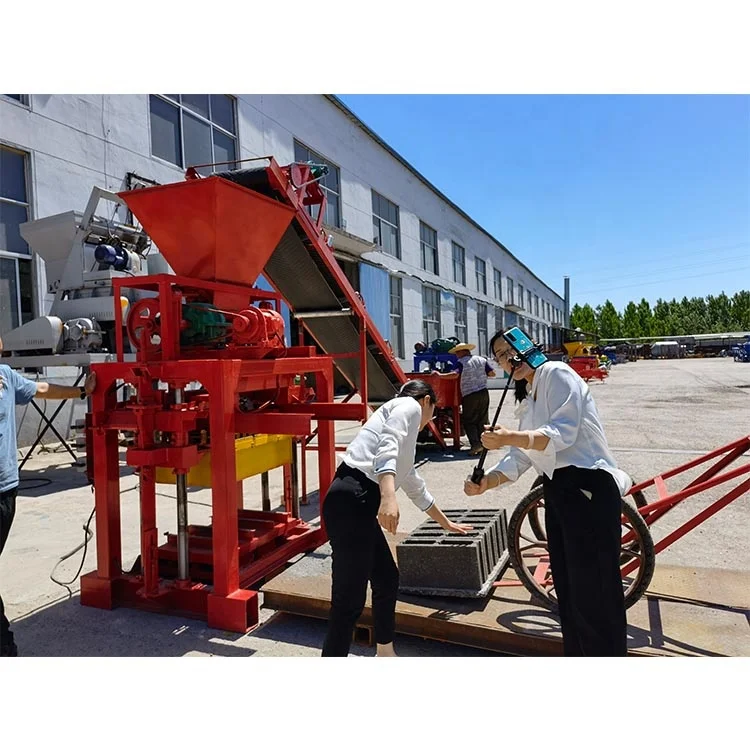
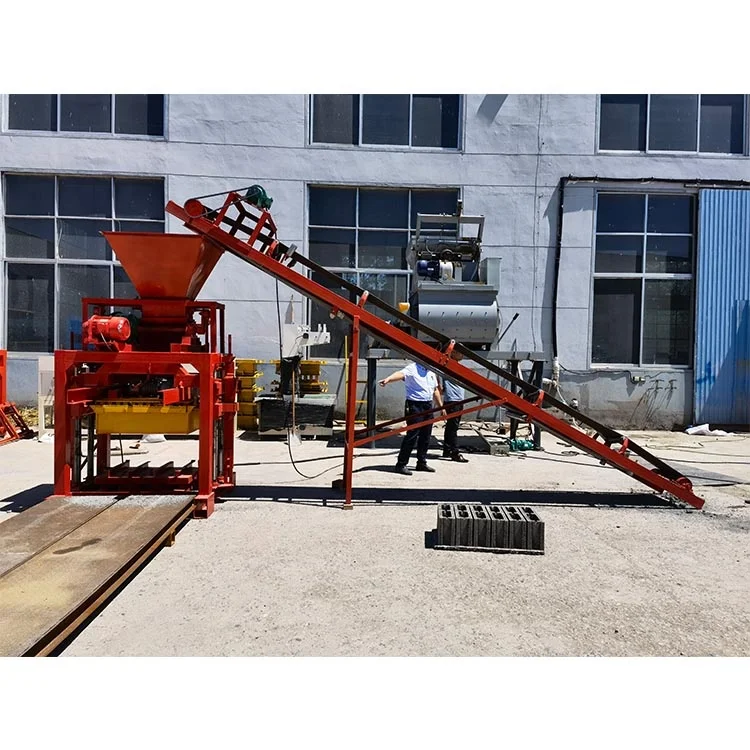
Description
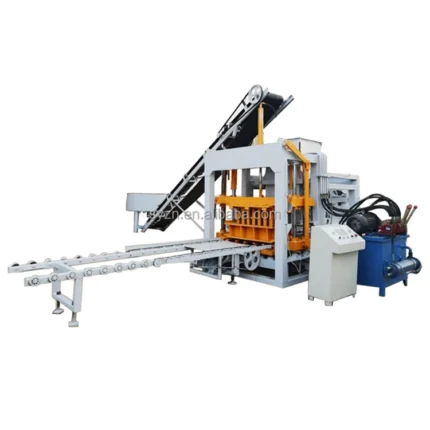
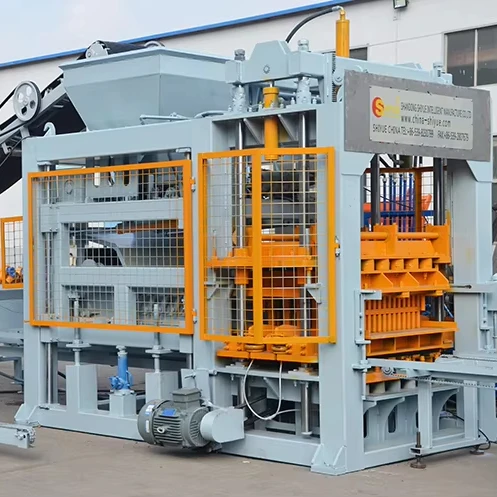
Configurable Automation — The QTJ4-35 starts as a semi-automatic press with a clear upgrade path to PLC-controlled pallet feeding, stacking, and batching, so your line grows with demand instead of being replaced.
Technical Specifications
| Parameter | Value |
|---|---|
| Model | QTJ4-35 |
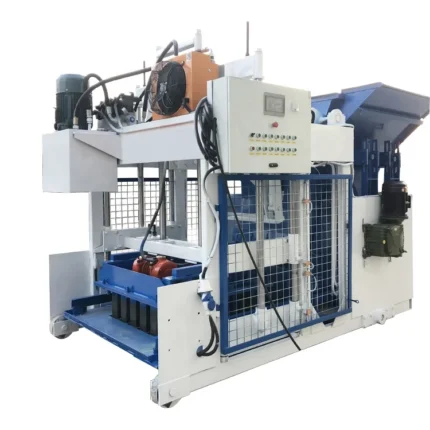
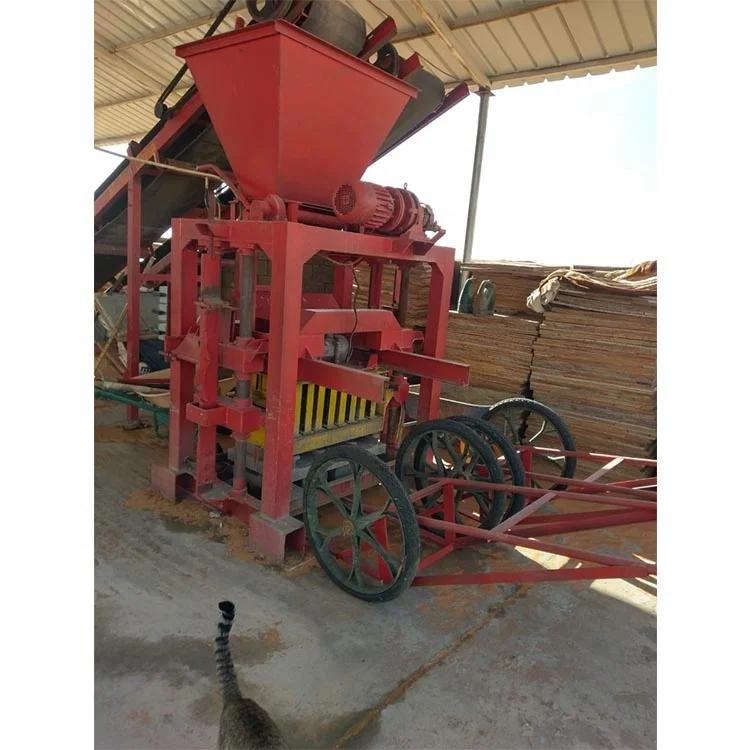
| Product Type | Semi-Automatic Concrete Block Making Machine |
| Overall Dimensions (L×W×H) | 1350×1460×1800 mm |
| Molding Cycle | 35 s |
| Vibration Frequency | 2800 r/min |
| Exciting Force | 30 kN |
| Total Power | 11.15 kW |
| Mixer Model | JQ350 |
| Pallet Size | 850×450×20 mm |
| Net Weight | 1500 kg |
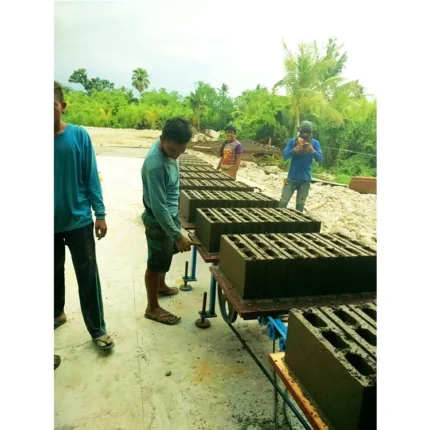
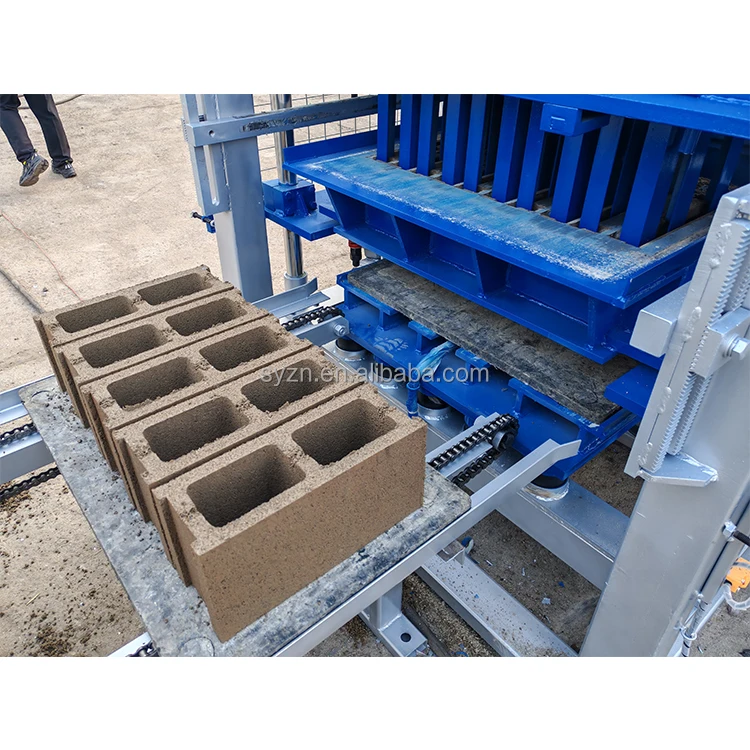
| Applied Products | Concrete hollow blocks (8 inch, 6 inch), solid bricks |
| Raw Materials | Crushed stones, sand, cement, dust, fly ash |
| Automation Level | Semi-automatic; pallet feeding, stacking, and PLC batching selectable as upgrades |
| Output — 400×200×200 mm Hollow Block | 408 pcs/h (basis: 4 pcs per mould) |
| Output — 400×150×200 mm Hollow Block | 510 pcs/h (basis: 5 pcs per mould) |
| Output — 240×115×53 mm Solid Brick | 2100 pcs/h (basis: 18 pcs per mould) |
| Voltage & Frequency | Configurable per destination — confirm before order |
| Control System | Relay-based standard; PLC control available as option |
Application Suitability
| Application | Material or Output |
|---|---|
| Small-scale hollow block plant | 8-inch and 6-inch concrete hollow blocks from crushed stone, sand, and cement |
| On-site housing project production | Solid bricks and hollow blocks produced near the build location using local aggregate |
| Fly ash brick production for first-time plant owners | Solid bricks blended from fly ash, sand, and cement with semi-automatic cycle control |
| Paver and landscaping block startup | Interlocking formats achievable through mould swap on the 850×450 mm pallet footprint |
Why the Control Language Must Be Settled Before the Machine Ships
Every automatic QTJ4-35 block machine leaving the factory has its PLC display language, voltage, and frequency locked in writing before the first weld.
I once watched a semi-automatic line sit idle for four days in West Africa because the control panel arrived in Chinese. The local operator could not read a single prompt, and commissioning stalled until we flew in a translator. That kind of delay is entirely preventable. Voltage mismatches cause similar damage — a 380 V motor running on a 415 V supply overheats within the first shift, and the winding damage is irreversible. Confirming these details at the quotation stage costs nothing; fixing them on site costs weeks. [NEED_CITE: voltage and frequency standards by export market]
PLC Control as the Consistency Layer
When an operator manually feeds pallets and triggers each vibration cycle, block density drifts as fatigue sets in. Adding PLC control to the automatic QTJ4-35 block machine removes that variable — the cycle timer, vibration duration, and pressure hold are executed identically every thirty-five seconds. Batch-to-batch strength readings tighten, and the rejection pile at the end of the curing yard shrinks noticeably.
The Upgrade Path That Grows With Your Plant
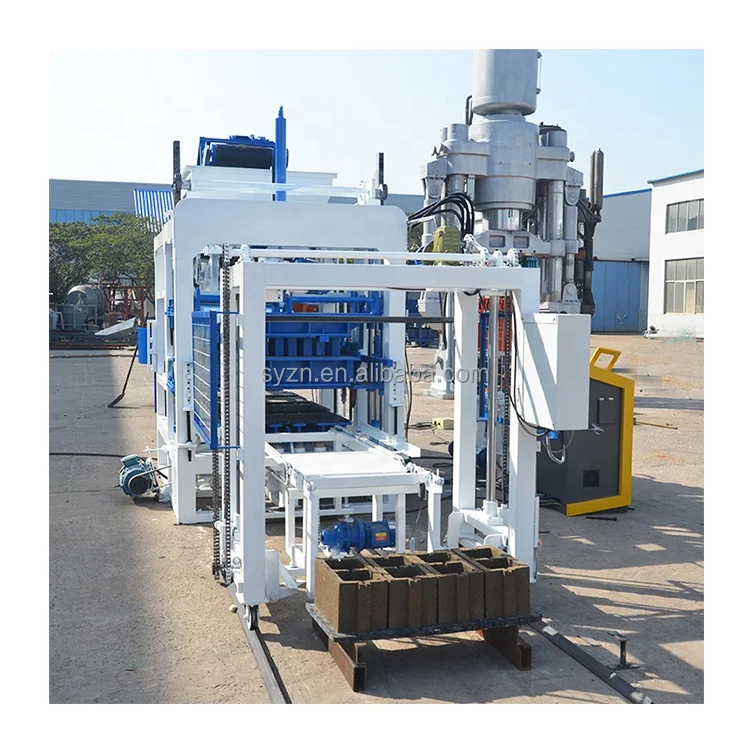
Most first-time buyers start with manual pallet handling to keep capital expenditure low. The QTJ4-35 frame and mould carriage are designed so that automatic pallet feeding, stacking, and cubing modules can be bolted on later without structural modification. This means your semi-automatic press does not become scrap when demand rises — it becomes the core of a fully automatic line. [NEED_CITE: CE machinery directive requirements for industrial equipment]
Reading the Numbers Behind the Cycle
The 30 kN exciting force at 2800 r/min is the pair that actually matters for block density. Vibration frequency determines how fast the aggregate particles settle, while the force amplitude decides how tightly they pack. If your local crushed stone is angular and poorly graded, this vibration profile needs sufficient hydraulic counter-pressure to lock particles in place — a mismatch shows up as corner crumbling after demoulding. The 35-second molding cycle gives a predictable rhythm whether an operator is handling pallets by hand or an automatic feeder is cycling them. Pallet size at 850×450×20 mm must match the curing racks and forklift tine width already on your floor; ordering a non-standard pallet size after the machine arrives creates a bottleneck that no amount of automation can fix. Total power draw of 11.15 kW including the JQ350 mixer means most small-plant generators can handle the load, but always verify your supply can sustain the starting current.
The Cost of Skipping Configuration Checks
A buyer who does not confirm pallet material and thickness before shipment may find that wooden pallets warp under local humidity, throwing block dimensions out of tolerance across an entire curing rack. When the control language and voltage are treated as afterthoughts, commissioning stretches from a single day into a multi-week troubleshooting exercise. These are not warranty issues — they are specification gaps, and they fall entirely on the buyer’s timeline and budget. [NEED_CITE: common causes of commissioning delays in exported block machinery]
Why Sourcing This Press Here Makes Sense
Block machinery is the only product line, so the press, mould, pallet, and handling equipment are specified as one matched system rather than assembled from separate vendors. Configuration is set against your actual mix design and local aggregate, not pulled from a catalogue default. Mould design covers the formats your market actually buys, including custom drawings when standard formats do not match. Automation level is selectable, allowing a semi-automatic start with a documented upgrade path. Voltage, frequency, and control language are confirmed in writing before production begins, eliminating the most common on-site commissioning blockers.
Documentation & Verification
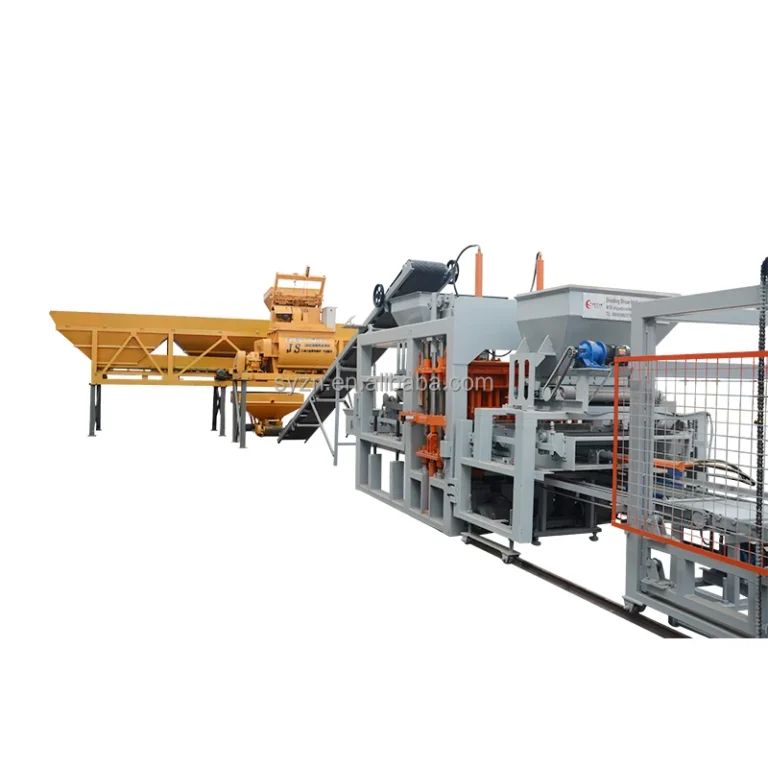
- Line layout drawing showing pallet flow from feeder through press to stacking area
- Capacity calculation sheet stating the exact block format behind each output figure
- Machine specification sheet covering vibration, power, and pallet dimensions
- Electrical schematic with confirmed voltage, frequency, and PLC I/O mapping
- Factory test record run on your specified mould and mix proportions
- Operation and maintenance manual translated to your confirmed control language
Installation, Commissioning & Support
- Foundation pad must be level within tolerance to suit the 1350×1460 mm footprint
- Dedicated circuit rated for 11.15 kW total draw plus motor starting surge
- Machine ships partially assembled — vibration table and mould carriage bolt to base on arrival
- First-run parameter tuning covers vibration hold time and cycle length for your mix
- Operator training addresses pallet handling rhythm and mould change procedure
- Wear parts list identifies vibration springs and mould liners by part number
What We Need From You to Quote Accurately
Tell us which block formats your market moves fastest — hollow, solid, or paver — and the daily volume you need to sustain. Share your local aggregate type and any fly ash or admixtures you plan to use so we can match the vibration profile. Confirm your site voltage, frequency, and the language your operators read so the control panel is correct before crating.
Frequently Asked Questions
Q: How is the stated output capacity verified, and which block format does each figure assume?
A: Each output figure is tied to a specific block size and mould cavity count. For example, 408 pieces per hour assumes a 400×200×200 mm hollow block with four cavities per mould, while 2100 pieces per hour assumes a 240×115×53 mm solid brick with eighteen cavities. We provide a written capacity sheet listing every format you plan to produce.
Q: What automation level is included — can pallet feeding and stacking be added later?
A: The standard configuration is semi-automatic with manual pallet handling. Automatic pallet feeding, stacking, and cubing modules can be added on the same frame without structural rework, letting you scale automation as production volume grows.
Q: Is the voltage, frequency, and control language confirmed before shipment for my country?
A: Yes. We require written confirmation of your site voltage, frequency, and preferred PLC display language before production starts. This prevents the most common cause of on-site commissioning delays for exported machinery.
Q: How does the machine configuration adapt to my local aggregate and mix design?
A: Vibration force, cycle hold time, and mould clearance are adjusted based on the aggregate gradation and cement ratio you provide. This ensures block density and strength meet your local standard without requiring a material change after arrival.
Q: What PLC control options are available, and can I monitor batching accuracy remotely?
A: The PLC option replaces relay logic with programmable cycle control covering vibration timing, pressure hold, and pallet indexing. Remote diagnostics capability depends on the controller tier selected — specify your monitoring needs during the quotation stage so the correct module is installed.