

Paver Block Machine Component Types: Wholesale Supplier
Customs officers do not care about your production efficiency; they care about Harmonized System codes.
Correctly identifying and categorizing paver machine components is not just technical knowledge but a logistical necessity to avoid customs clearance delays and ensure rapid maintenance response. A misclassified hydraulic station can detain an entire container for weeks, while a missing sensor can halt a production line for days. Understanding the distinct hierarchy of structural, power, control, and forming parts allows plant managers to streamline import compliance and maintain optimal uptime.
I still remember the sweat on my back standing in the humid office of a freight forwarder in Dar es Salaam. The QT6-15 production line I had shipped was stuck at the port. The issue was not mechanical failure but administrative confusion. The hydraulic station, which powers the entire pressing cycle, had been declared as a general accessory to the main host machinery. Tanzanian customs officials viewed this as a discrepancy in HS code classification, leading to an eleven-day detention. The client’s construction site was idle, workers were waiting, and every hour of delay translated into tangible financial loss. That experience reshaped how I approach every Paver Block Machine Components list. It is not enough to know what a part does; one must know how it is legally and logistically defined across borders.

This guide breaks down the essential component types, moving beyond simple identification to explain their functional roles, maintenance cycles, and critical importance in supply chain planning. For buyers in emerging markets, this distinction is the difference between a smoothly running plant and a logistical nightmare.
Why Component Classification Matters for Import & Maintenance?
The primary reason to master component classification lies in the intersection of international trade law and operational continuity. Most buyers assume that all parts shipped with a machine fall under a single "machine accessory" category. This is a dangerous oversimplification. Customs authorities in many African and Latin American countries treat hydraulic units, electronic controllers, and structural steel as distinct entities requiring separate HS codes [NEED_CITE: general customs classification principles for industrial machinery].
When hydraulic stations are mixed with the main host machinery in a single declaration without clear separation, it triggers manual inspection protocols. This is because hydraulic systems contain fluids and complex valves that may fall under different regulatory standards than the steel frame of the machine. By separating declaration lists, clearance time can drop noticeably, allowing equipment to reach the site faster.
Beyond customs, classification dictates inventory strategy. Not all Paver Block Machine Components wear out at the same rate. Structural frames last for decades, while moulds and sensors have much shorter lifespans. A procurement officer who treats them equally will either overstock expensive, long-life items or critically understock fast-wearing consumables. Understanding these categories enables a tiered spare parts strategy, ensuring that high-turnover items are always available while minimizing capital tied up in slow-moving inventory.
Core Mechanical Components: The Backbone of Stability
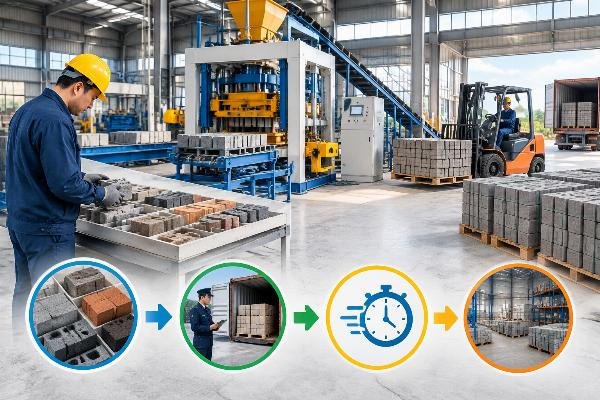
The structural integrity of a paver block machine relies on its core mechanical components, primarily the frame and vibration system. These parts are subjected to continuous shock loads during the compaction process. If the frame lacks sufficient rigidity, the machine will suffer from misalignment, leading to inconsistent block dimensions and premature wear on other components.
The frame is typically constructed from high-grade steel, welded to withstand years of intense vibration. The vibration system, which includes eccentric shafts and bearings, transfers energy to the mould box to compact the concrete mix. The quality of these bearings is critical. Low-quality bearings will fail under the high-frequency vibration, causing unplanned downtime. Industry standards suggest that bearings used in such high-vibration environments should meet specific durability criteria to ensure extended service life [NEED_CITE: ISO standards for bearing durability in vibrating machinery].
A common mistake among new plant owners is neglecting the alignment of the vibration system. Over time, the constant shaking can loosen bolts and shift components. Regular inspection of the frame’s weld points and the tightness of vibration assembly bolts is essential. In one case, a plant in Nigeria experienced severe cracking in the mould box support structure because the vibration system was not properly balanced. The root cause was traced back to loose mounting bolts on the eccentric shafts, which had gone unchecked for months.
When sourcing Paver Block Machine Components, pay close attention to the steel grade and welding quality of the frame. Look for manufacturers who use robotic welding for consistent joint strength. The vibration system should feature sealed bearings to protect against dust and concrete slurry, which are abrasive and can quickly degrade open bearings.

Hydraulic & Power Systems: The Heart of Production
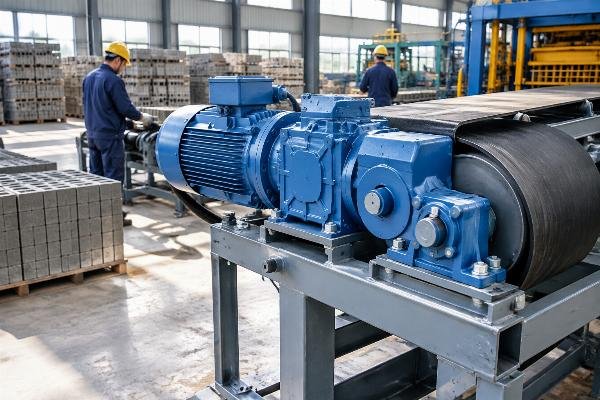
The hydraulic system is the muscle of the paver block machine. It drives the mould box movement, head pressure, and pallet feeding. The speed and force of these actions determine the cycle time and the density of the final product. Key components include hydraulic pumps, valves, cylinders, and filtration units.
Hydraulic pumps convert mechanical energy into fluid power. The type of pump used—gear, vane, or piston—affects the system’s efficiency and noise level. Valves control the direction and pressure of the fluid flow. Proportional valves, often found in fully automatic lines, allow for precise control of movement speed, which is crucial for producing high-quality interlocking pavers. Filtration is arguably the most overlooked aspect of hydraulic maintenance. Contaminants in the hydraulic oil can cause valve sticking and pump wear, leading to catastrophic failure.
Maintenance intervals for hydraulic systems should be based on operational hours and oil condition. Regular oil analysis can detect early signs of wear, such as increased metal particle content. Changing filters at recommended intervals prevents contaminants from circulating through the system. In hot climates, such as those in the Middle East, hydraulic oil temperatures can rise significantly, accelerating oxidation. Using oil with appropriate viscosity and thermal stability is essential.
A buyer once reported erratic movement in his QT8-15 machine. The diagnosis revealed clogged suction filters due to poor-quality hydraulic oil. Replacing the filters and flushing the system restored performance, but the downtime cost several times the savings from buying cheaper oil. This highlights the importance of using certified hydraulic components and maintaining strict filtration protocols. When evaluating Paver Block Machine Components, ensure the hydraulic station is CE-certified and comes with a detailed maintenance schedule.

Control Systems & Sensors: Precision in Automation
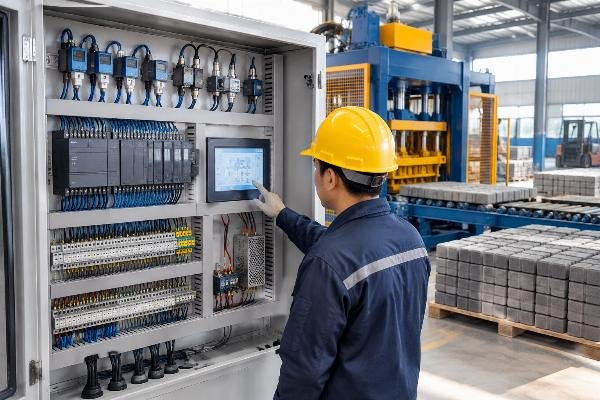
Modern paver block machines rely heavily on electronic control systems for precision and safety. The Programmable Logic Controller (PLC) acts as the brain, coordinating the sequence of operations. Sensors, such as proximity switches and encoders, provide real-time feedback on position and speed. These components ensure consistent block dimensions and automated safety stops.
Sensor failure is a frequent cause of production halts. A faulty proximity sensor can prevent the mould box from lowering, stopping the entire cycle. Unlike mechanical failures, which may show gradual signs of wear, electronic failures are often sudden and complete. Therefore, keeping critical electronic spares on-site is vital. A small inventory of sensors, relays, and PLC modules can cut downtime from days to hours.
The PLC program itself is also a critical component. It defines the logic for the machine’s operation. Unauthorized changes to the program can lead to unsafe conditions or poor product quality. Manufacturers should provide locked programs or password protection to prevent accidental modification. Remote diagnostic assistance can help troubleshoot electronic issues quickly, reducing the need for on-site technician visits.
In a recent installation in Ethiopia, a power surge damaged the main PLC module. Because the supplier had included a spare module in the initial shipment, the plant was back online within four hours. Without it, the wait for a replacement would have been over a week. This underscores the value of having original PLC modules and critical sensors readily available. When sourcing Paver Block Machine Components, verify the compatibility of electronic spares with your specific machine model and voltage requirements.
Forming Tools: Moulds and Pallets
Moulds and pallets are the forming tools that give shape to the concrete blocks. They are subject to high wear and tear due to abrasion from the concrete mix and the pressure of compaction. The quality of the mould steel and the surface finish of the pallets directly affect the appearance and dimensional accuracy of the final product.
Moulds are typically made from hardened steel to resist abrasion. The hardness level, often measured in HRC, determines the mould’s lifespan. Softer steel will wear quickly, leading to oversized blocks and rough surfaces. Pallets, usually made from bamboo, plastic, or steel, must be flat and durable. Warped pallets result in uneven block thickness and poor stacking.
The wear cycle for moulds and pallets depends on the volume of production and the aggressiveness of the concrete mix. In high-volume interlocking paver production, significant wear can appear after a few months. Maintaining a stockpile ratio of moulds relative to production days ensures that worn moulds can be replaced without stopping production. Cleaning moulds regularly prevents concrete buildup, which can distort block shapes.
A manufacturer in Kenya noticed a decline in the surface quality of his pavers. Inspection revealed that the pallets were warped due to improper storage and exposure to moisture. Replacing the pallets and implementing a dry storage protocol restored product quality. This case illustrates that forming tools are not just passive components but active contributors to product quality. When selecting Paver Block Machine Components, consider the material hardness of moulds and the flatness tolerance of pallets.
Conclusion
Proper component classification is the foundation of efficient import logistics and reliable plant operation.
Understanding the distinct roles of structural, hydraulic, electronic, and forming components allows buyers to navigate customs regulations smoothly and maintain optimal production uptime. By prioritizing correct HS code declarations and strategic spare parts inventory, plant managers can avoid costly delays and ensure continuous output. The right approach to Paver Block Machine Components transforms potential logistical bottlenecks into streamlined operational advantages.
Leave a Reply