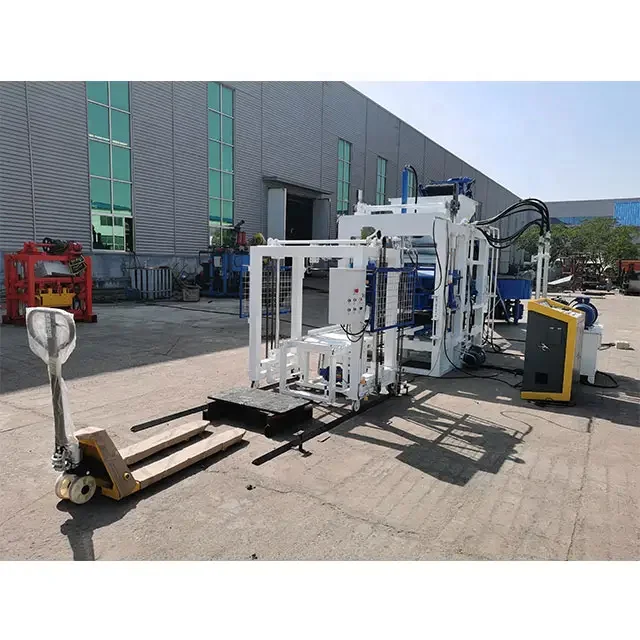
Description
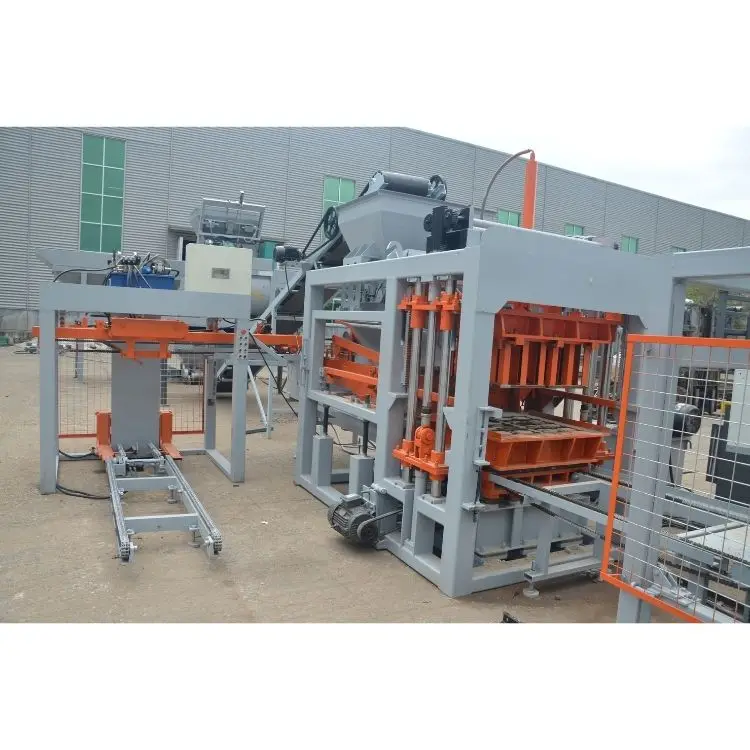
Integrated control logic — the QT4-18 pairs its PLC cabinet with synchronized pallet feeding and stacking stations so the press cycle is never interrupted by manual handling gaps.
Technical Specifications
| Parameter | Value |
|---|---|
| Model | QT4-18 |
| Product Type | Automatic Concrete Block Making Machine |
| Overall Dimensions (L×W×H) | 2500×1750×2200 mm |
| Rated Pressure | 16 MPa |
| Vibration Form | Platform Vibration |
| Pallet Size | 950×550 mm |
| Molding Cycle | 18–25 s (basis not stated in source — confirm block format / material / thickness) |
| Overall Power | 27.5 kW |
| Control System | PLC with frequency converter; Schneider electrical components |
| Mold Lifting Mechanism | Double-sided synchronous gears |
| Material Feeder | Distribution belt hopper |
| Automation Level | Automatic (hydro-cylinder pallet feeder, automatic block discharge to conveyor) |
| Supporting Equipment Available | JQ500 concrete pan mixer, 6 m / 8 m belt conveyor, automatic stacker, block clamper, cement silo, batching plant, trolley |
| Mould Format | One free hollow mold included; extra moulds customizable |
Application Suitability
| Application | Material or Output |
|---|---|
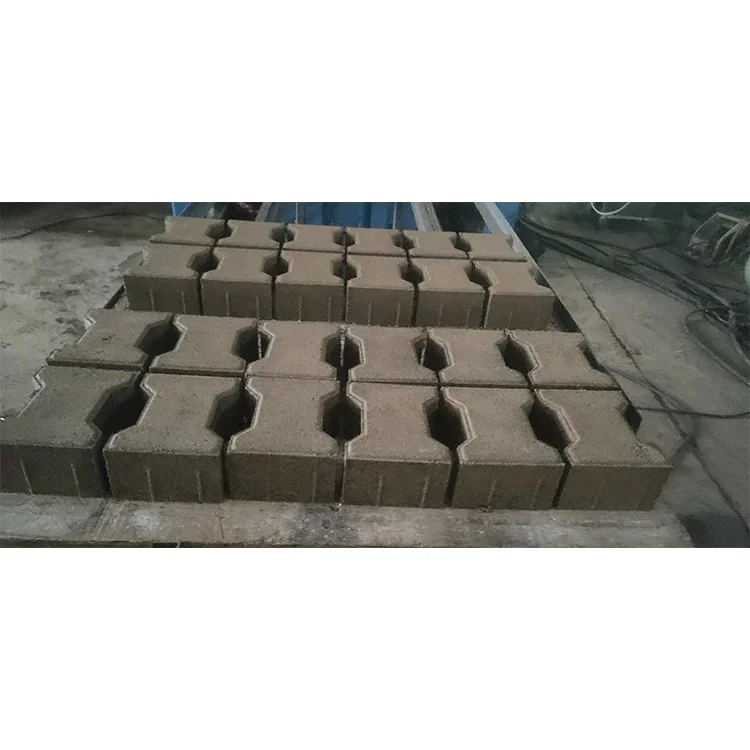
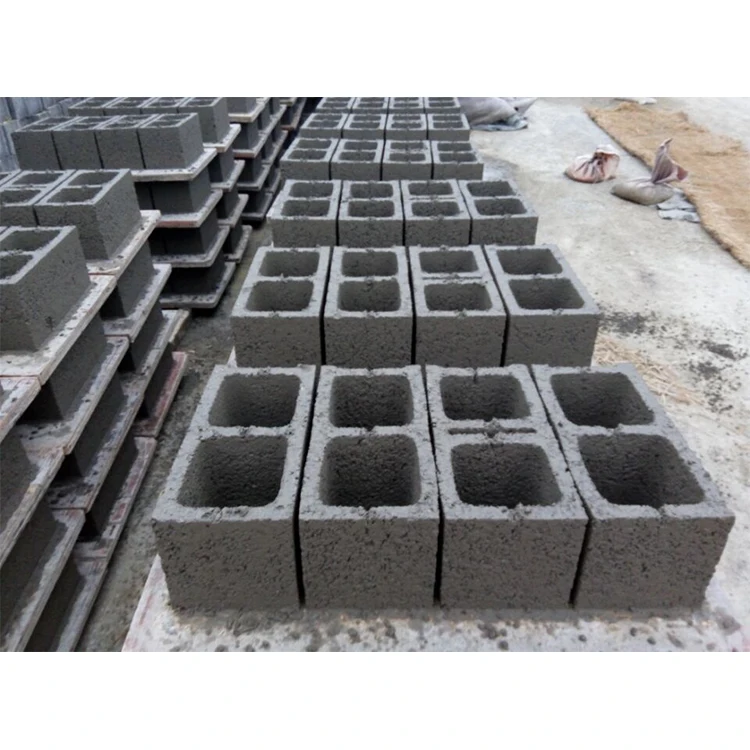
| Hollow block production for small-to-medium block plants | Crushed stone, sand, cement, and fly ash mixes |
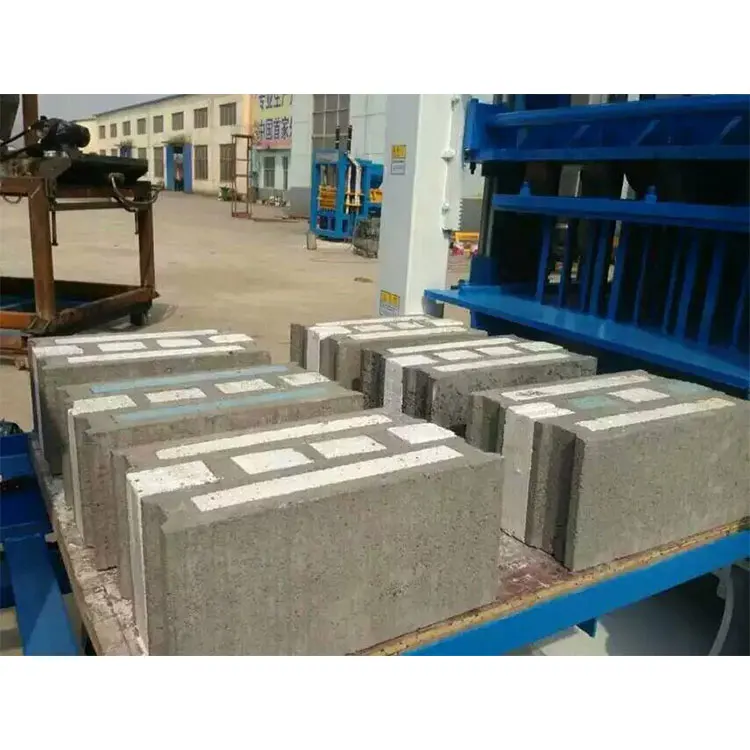
| Solid block manufacturing for masonry walls | Dense aggregate blends with standard cement ratios |
| Paver production for walkways and light-traffic areas | Fine aggregate and pigment-loaded concrete mixes |
| On-site block manufacturing for housing projects | Locally sourced sand and gravel with portable batching |
Why the PLC Language Question Must Come Before Shipment
A control panel the operator cannot read turns an automatic concrete block making machine PLC controlled into an expensive manual press.
I have watched a fully functional block line in West Africa sit idle for four days because the PLC display shipped in English while the floor crew only read French. The automatic stacking program was locked behind menu layers nobody could navigate, so cured blocks piled up on the pallets and the hydro-cylinder feeder kept cycling into an empty discharge zone [NEED_CITE: on-site commissioning language mismatch incidents]. That delay cost the contractor more in idle labor and missed delivery deadlines than the language pack itself would ever have cost. Confirming the display language and remote diagnostic interface before the cabinet is wired is a five-minute email that prevents a week-long shutdown.
Control Logic That Keeps the Press Cadence Intact
The QT4-18 runs its press, pallet feeder, and discharge conveyor from a single PLC cycle timer with a frequency converter regulating motor speed at each station. When the press completes a vibration and demolding sequence, the hydro-cylinder pallet feeder advances the next pallet only after the cured block has cleared the discharge zone. This interlock prevents the pallet from jamming against a block still sitting on the mold table, which is the most common cause of unscheduled stops on lines where each station runs on its own independent relay.
Remote Diagnostics and the Operator Interface
The Schneider electrical components inside the cabinet are specified so that replacement contactors and relays are available through local industrial distributors in most export markets, not just through a single proprietary supply chain. The PLC screen displays cycle status, fault codes, and manual override options in the language confirmed at order stage. Remote diagnostic access allows our commissioning engineer to review fault logs and adjust cycle timing parameters without waiting for a site visit, which matters when the nearest technician is a flight away [NEED_CITE: remote PLC diagnostics adoption in export machinery markets].
What the Core Parameters Mean on the Shop Floor
The 16 MPa rated pressure works together with the platform vibration to compact the concrete mix into the mold cavity; pressure alone without matched vibration leaves voids in the block core, while vibration without sufficient pressure produces blocks that crumble at the edges during demolding. The 950×550 mm pallet size determines how many blocks are formed per cycle and must align with the curing rack spacing and forklift tine width already in use at the buyer’s plant — ordering a pallet size that does not match existing curing infrastructure forces a complete re-racking of the yard. The double-sided synchronous gear mold lifting mechanism keeps the mold box level during extraction, reducing side-wall scarring on the fresh block and extending the interval between mold re-line jobs. The 27.5 kW overall power rating means the line requires a dedicated circuit with appropriate breaker sizing; sharing a feeder with welding equipment or a crane causes voltage dips that trip the PLC mid-cycle.
The Cost of Skipping Configuration Confirmation
When voltage and frequency are not locked down before production, the machine may arrive with a 380 V / 50 Hz motor set while the buyer’s site runs 440 V / 60 Hz, which burns out the main press motor within the first hour of operation [NEED_CITE: voltage mismatch motor failure reports in African and South Asian block plants]. When the pallet size is chosen from a catalog default rather than measured against the buyer’s curing racks, the first batch of blocks cannot be racked and must be stacked by hand on the floor, defeating the entire reason for buying an automatic line. A mold format that does not match the block dimensions the local market actually purchases leaves the buyer producing inventory that sits in the yard while competitors sell a different format.
Why Procurement Through This Line Matters
Block machinery is our single equipment focus, which means the QT4-18 press, its pallet feeder, stacker, and mold set are specified as one matched system rather than assembled from separate vendors who each blame the other when cycle times drift. The PLC display language and remote diagnostic port are confirmed before the cabinet leaves the assembly floor, not discovered at commissioning. Molds are designed against the block formats the buyer’s market actually buys, with custom drawings reviewed before tooling starts. Automation level is selectable so a buyer can begin with the automatic pallet feeder and add the stacker or cuber later as volume grows. Installation includes operator training on the specific PLC menu structure and fault-code responses, not a generic video link.
Documentation & Verification
- Line layout drawing showing cycle time matched to your target block format
- PLC screen language and voltage confirmation sheet signed before cabinet wiring
- Factory test record on your specific mold and mix design before crating
- Mold drawing and format list for every cavity on your order
- Hydraulic and electrical schematic for local maintenance team reference
- Operation and maintenance manual in your confirmed operator language
Installation, Commissioning & Support
- Foundation pad must be level within tolerance for the 2500×1750 mm machine footprint to prevent frame twist
- Dedicated 27.5 kW circuit with correct breaker rating for the confirmed voltage and frequency
- Machine arrives with mold and pallet feeder pre-assembled; main frame bolted on site
- PLC parameters loaded and first production run supervised by our commissioning engineer
- Operator training covers cycle start, fault codes, and manual override on the confirmed language screen
- Wear parts list with local sourcing equivalents for Schneider contactors and hydraulic seals
What to Include in Your Inquiry
Send us the block format you sell most, your target daily output, and the raw materials available locally so we can size the mold cavity count and confirm whether the 18–25 second cycle applies to your mix. Confirm your site voltage, frequency, and the language your operators read so the PLC cabinet is wired correctly before it ships. If you already have curing racks and a forklift, share the pallet dimensions and rack spacing so we match the 950×550 mm pallet or propose the correct alternative.
Frequently Asked Questions
Q: How is the output capacity calculated, and which block format does the cycle time assume?
A: The 18–25 second molding cycle is a base figure that varies with block format, mix design, and wall thickness. We provide a capacity calculation sheet that states the exact block dimensions and mix assumed, so the daily output number on your quotation is tied to the product you will actually run, not a catalog maximum.
Q: What does the automatic system remove from the operator?
A: The hydro-cylinder pallet feeder advances pallets in sync with the press cycle, and the automatic block discharge moves cured blocks to the conveyor without manual lifting. The operator monitors the PLC screen for fault codes and reloads the material hopper, rather than manually shoveling blocks off the mold table every cycle.
Q: Can the PLC display language and voltage be configured for my market?
A: Yes. We confirm the exact voltage, frequency, and operator language before the cabinet is wired. The Schneider components are specified so that replacement parts are available through regional distributors, and remote diagnostic access lets us adjust parameters or review fault logs without a site visit.
Q: How long does a mold change take on this machine?
A: The double-sided synchronous gear lifting mechanism keeps the mold box level during extraction and installation, which reduces alignment time compared to single-rail systems. We provide the mold change procedure during operator training and quote a mold change time specific to the formats on your order.
Q: What supporting equipment is included, and how are cycle times matched?
A: The available line includes the JQ500 pan mixer, belt conveyor, automatic stacker, and block clamper. Each station’s cycle is tuned to the QT4-18 press cadence so the mixer batch size and conveyor speed keep the material hopper filled without the press idling between cycles.