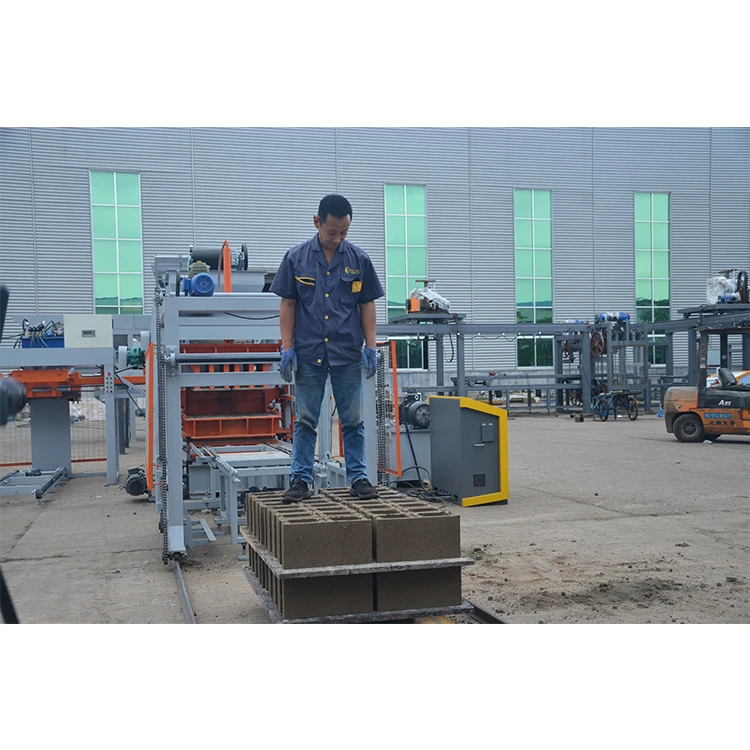


Description
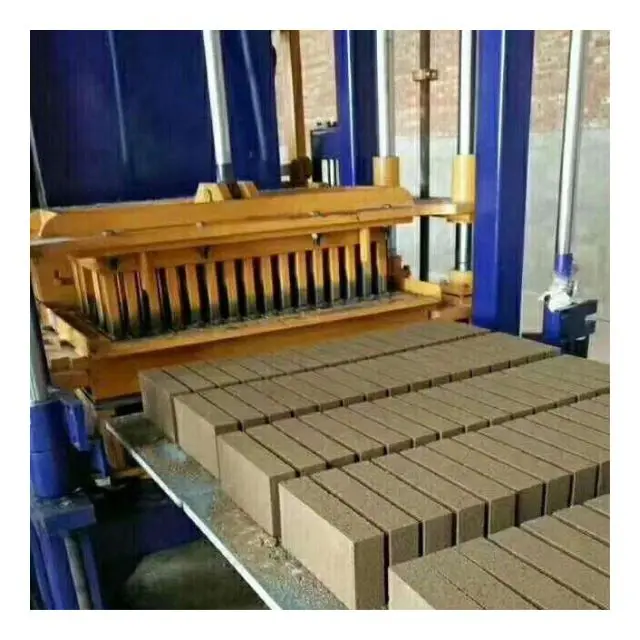
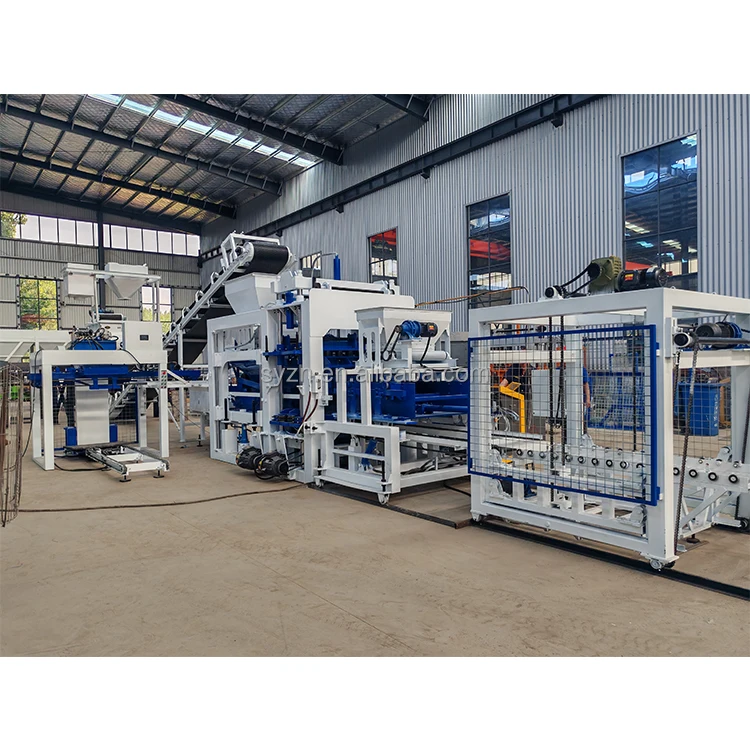
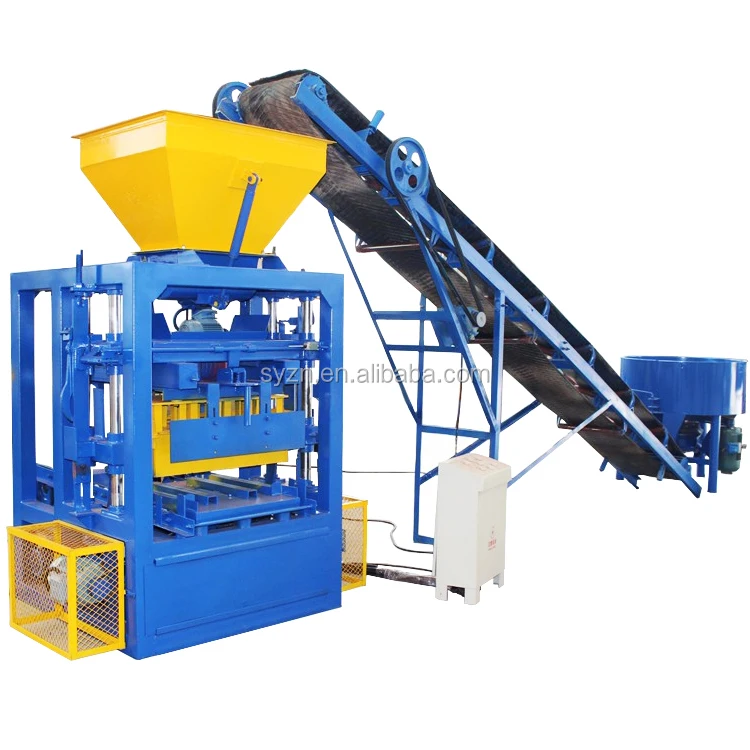
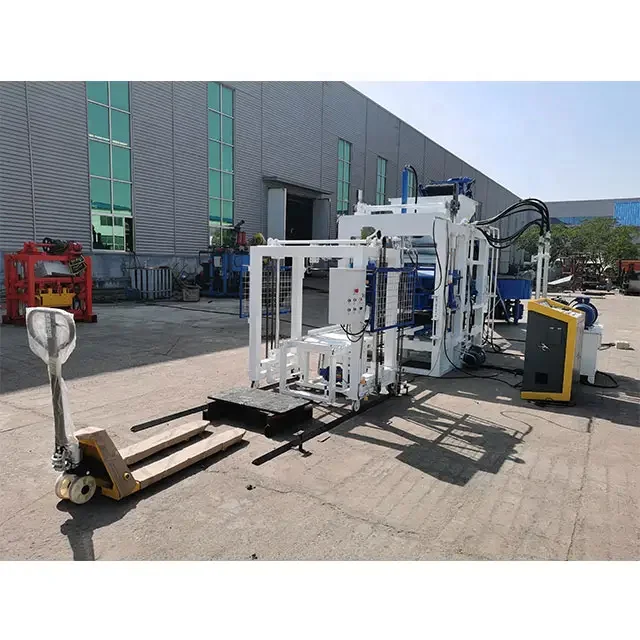
Single Focus Machinery — Every component from the press to the pallet feeder is specified as one matched system, eliminating the integration gaps that stall output on sites running mixed-supplier lines.
Technical Specifications
| Parameter | Value |
|---|---|
| Product Type | Automatic Interlocking Block Making Machine |
| PLC Control | Siemens or equivalent programmable logic controller |
| Vibration System | Table mould vibration with hydraulic pressure assist |
| Pallet Size | Configured to buyer’s curing area and handling equipment |
| Mould Change System | Quick-release bolt pattern for format switching |
| Automation Level | Automatic pallet feeding, stacking, and cubing available |
| Control Language | PLC display language confirmed before shipment |
| Voltage and Frequency | Configurable to site supply standards |
| Raw Material Feed | Batching and mixing station matched to press cycle time |
| Block Formats | Interlocking brick, hollow block, solid block, paving block, kerbstone |
Application Suitability
| Application | Material or Output |
|---|---|
| Interlocking brick for load-bearing walls | Crushed stone, sand, cement with controlled moisture |
| Hollow block for partition and exterior walls | Lightweight aggregate or standard gravel mix |
| Paving block for driveways and walkways | Fine aggregate with colour pigment dosing |
| Kerbstone for road edge profiling | High-density concrete with coarse aggregate |
| Porous brick for permeable surfaces | Open-graded aggregate with reduced cement ratio |
Why "Cycles per Hour" Means Nothing Without the Block Format
The Automatic Interlocking QT6-15 Block Making Machine cycle time changes with every mould installed, so daily output must be quoted against the specific block the plant will sell.
I have watched buyers sign contracts based on a headline cycle figure, then discover on commissioning day that the number applied to a small solid block while their actual product is a large interlocking brick requiring a longer vibration and pressure hold. The difference between those two formats can cut realistic daily output substantially. Without a capacity calculation tied to each format in the quotation, the buyer has no basis to plan shifts, curing space, or delivery schedules [NEED_CITE: block format impact on cycle time and daily throughput].
From Manual Pallet Handling to Full Line Automation
The gap between a semi-automatic press and a fully automatic line is not just about labour count — it governs how consistently blocks leave the machine. On the Automatic Interlocking QT6-15 Block Making Machine, the pallet feeder indexes a fresh pallet into position while the previous cycle is still curing on the rack, so the press never waits for an operator. This removes the most common bottleneck I encounter on sites where one person is responsible for pulling, brushing, and returning pallets by hand across a ten-hour shift.
What the PLC Actually Removes From the Operator
Batch-to-batch consistency depends on variables an operator cannot hold steady by feel: vibration duration, hydraulic dwell time, and feed gate open time. The PLC locks these parameters once the mix design is validated during commissioning, and any deviation outside the set window triggers an alarm rather than a run of under-pressed blocks. Remote diagnostics capability allows our support team to review fault logs and adjust timing parameters without a site visit, which matters when the nearest technician is a flight away [NEED_CITE: PLC remote diagnostics for industrial machinery in remote locations].
Vibration Force, Hydraulic Pressure, and the Density Equation
Interlocking bricks demand higher density than hollow blocks because they carry structural load through dry-stack joints. The vibration frequency must fluidise the mix enough to fill the mould corners, while the hydraulic pressure applied through the head plate compresses the mass to target density. If vibration is too aggressive relative to pressure, the mix segregates and the block face shows aggregate shadowing. If pressure dominates, the mould does not fill completely and corners break during demoulding. Matching these two forces to the buyer’s actual aggregate grading and cement content is a non-negotiable step before the machine leaves the factory.
The Cost of Skipping the Automation Decision Early
Buyers who start with manual pallet handling often plan to add automation later, but the retrofit is rarely simple. The press frame must have pre-drilled mounting points for the pallet magazine, the PLC must have spare I/O channels for the stacker sensors, and the hydraulic circuit must include a proportional valve for the cubing pusher. When these provisions are absent from the original build, upgrading later means rewiring the control cabinet, cutting and welding the frame, and re-commissioning the entire sequence — work that typically takes longer than the initial installation [NEED_CITE: automation retrofit complexity in block production lines].
Why Buyers Specifying Intelligent Controls Source Here
Block machinery is the only product line, so the press, mould, pallet, and handling equipment are engineered as one system rather than assembled from separate suppliers. The automation level is selectable from semi-automatic through to full stacking and cubing, allowing a plant to start with a lower investment and add modules as volume grows. Every configuration is validated against the buyer’s submitted mix design and local aggregate sample, not a catalogue default. PLC display language is confirmed before the control cabinet is wired, eliminating the commissioning delays that occur when an operator cannot read the fault screen. Factory test records document cycle times for each committed block format, not a single optimistic headline figure.
Documentation & Verification
- Machine specification sheet listing confirmed pallet size and automation modules
- PLC program printout with display language locked to buyer requirement
- Factory test record showing cycle time for each committed block format
- Hydraulic and electrical schematic with component part numbers
- Mould drawing and format list for every block type in the order
- Operation and maintenance manual with troubleshooting decision tree
Installation, Commissioning & Support
- Foundation plan specifying load points for the vibration table and hydraulic power pack
- Electrical supply requirements matching confirmed voltage and dedicated circuit rating
- Machine delivered in modular sections for container loading and on-site reassembly
- First-run parameter tuning against buyer’s actual mix and aggregate grading
- Operator training covering PLC navigation, mould change procedure, and daily checks
- Wear parts list with hydraulic seal kits and vibration motor bearings itemised
What to Prepare Before Requesting a Quotation
To size the line correctly, share the target block formats with dimensions, the daily output required for each format, and a sieve analysis of the local aggregate. Confirm the site voltage and frequency, the preferred PLC display language, and whether existing pallets or forklifts impose a pallet size constraint. State whether the installation will be a standalone press or a complete line with batching, curing rack handling, and cubing.
Frequently Asked Questions
Q: Can the PLC parameters be locked so operators cannot change vibration timing?
A: Yes. The PLC supports password-protected parameter groups. During commissioning, the validated settings for each block format are saved under an administrator password. Operators can select the format recipe from the menu but cannot alter dwell times or vibration frequency without the access code, which prevents accidental changes that would affect block strength.
Q: What happens if our local voltage fluctuates outside the confirmed range?
A: Voltage fluctuations beyond the rated tolerance can cause the hydraulic solenoid valves to chatter and the PLC to reset mid-cycle. We recommend installing a voltage stabiliser on the dedicated supply circuit before commissioning. The electrical schematic we provide specifies the acceptable range so your electrician can size the stabiliser accordingly.
Q: How long does a mould change take on this automatic line?
A: Mould change time depends on the quick-release system selected. With the bolt-pattern quick-change frame, a trained operator can remove one mould set and install another within a single shift break. The PLC stores the vibration and pressure recipe for each mould, so once the new set is bolted in, the operator selects the matching recipe and the machine is ready to run.
Q: Is it possible to add automatic stacking after the machine is delivered?
A: Adding stacking later is feasible only if the original build included pre-drilled mounting points on the frame, spare PLC I/O channels, and a proportional valve on the hydraulic circuit. Confirm your future automation plan during the ordering stage so these provisions are incorporated at the factory, avoiding structural modification and rewiring on site.