Description
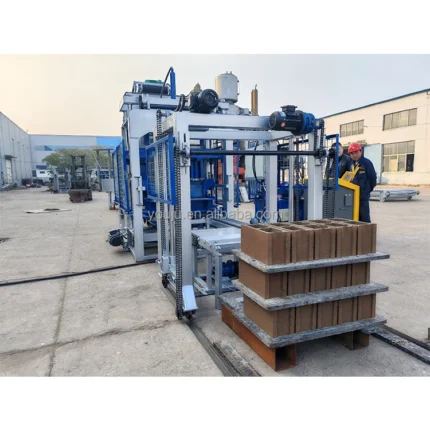
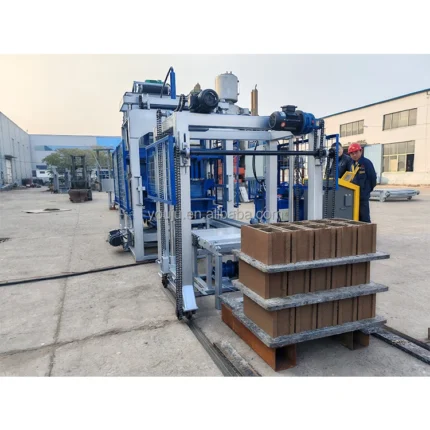
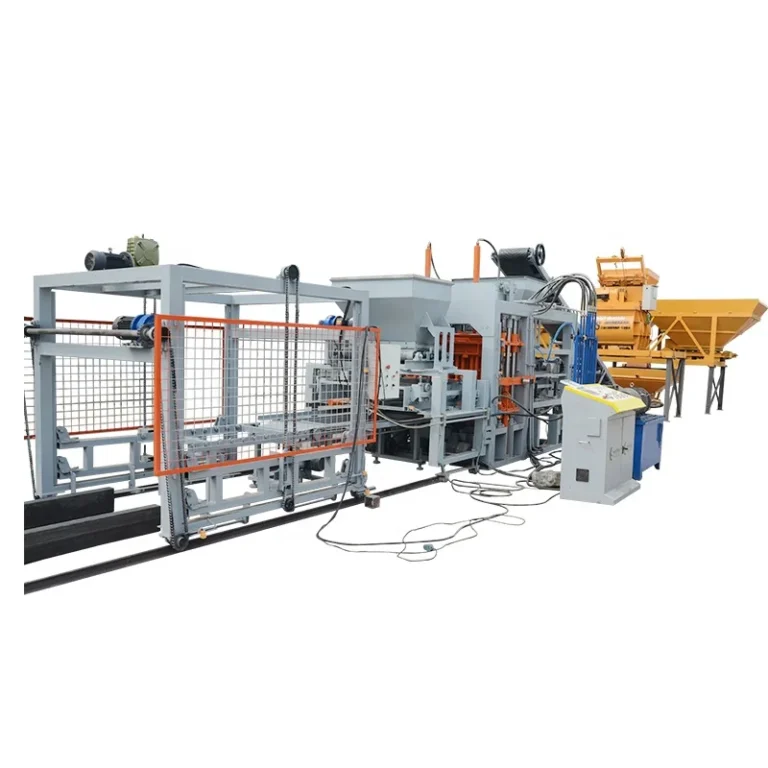
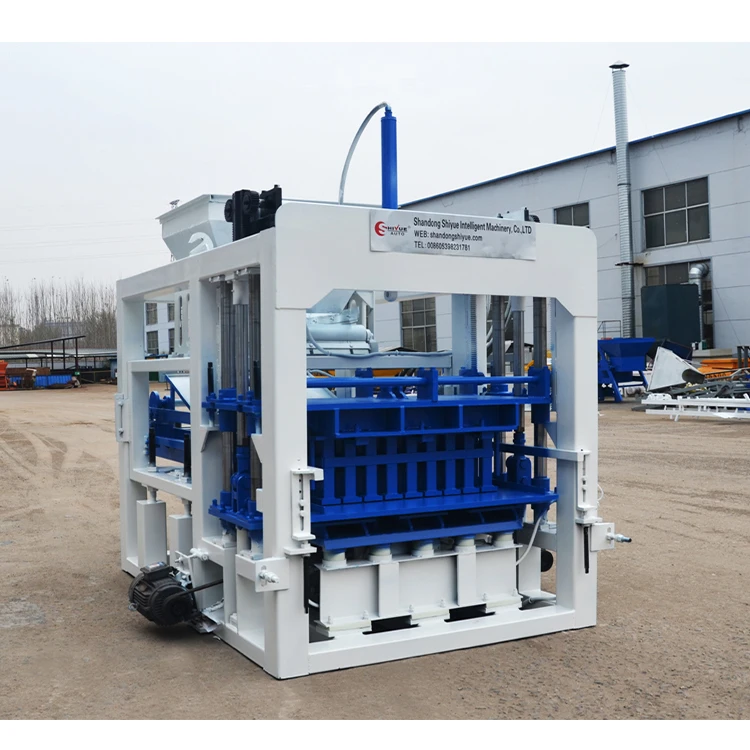
Integrated PLC Control Logic — the QTF3-20 automatic concrete block making machine PLC controlled is configured so vibration, hydraulic pressure and pallet handling work from one program, avoiding the timing mismatches common when automation is bolted on later.
Technical Specifications
| Parameter | Value |
|---|---|
| Model | QTF3-20 |
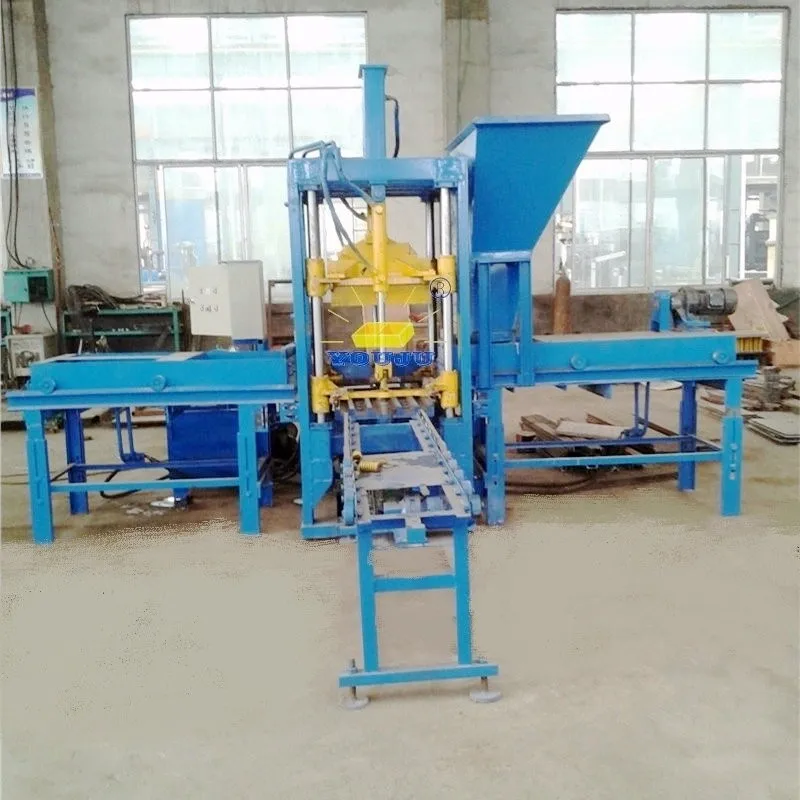
| Product Type | Hydraulic Stationary Concrete Block Making Machine |
| Main Vibration Form | Platform vibration and pressure |
| Vibrating Frequency | 4600 rolls/minute |
| Cycle Time | 20 seconds (basis not stated in source — confirm block format / material / thickness) |
| Motors Power | 14.25 kW |
| Pallet Size | 680 × 530 mm |
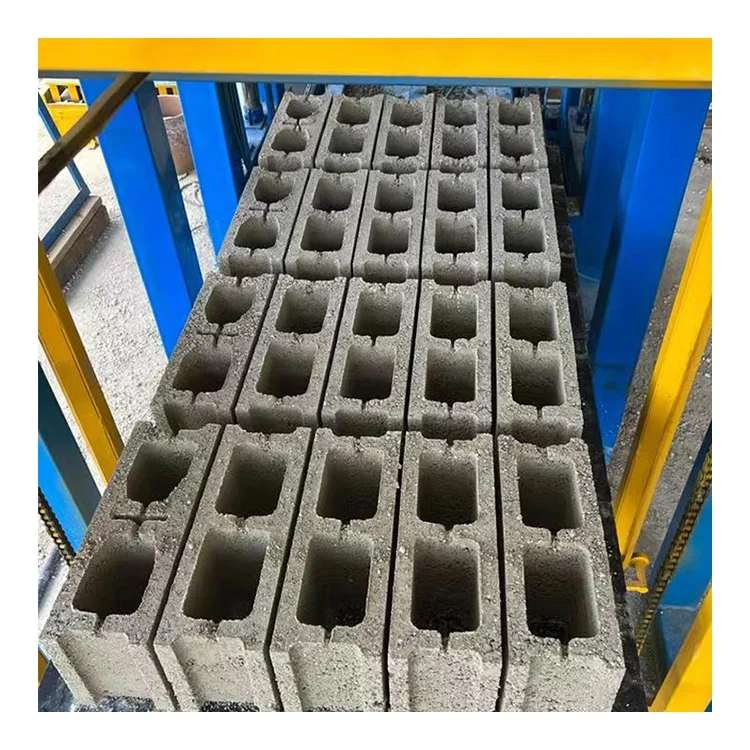
| Applied Products | Hollow, solid, cellular masonry, paving stones, kerbstones, interlocking blocks, grass blocks, slope blocks |
| Raw Materials | Crushed stone, sand, cement, fly ash, cinder, slag, gangue, gravel, perlite, industrial wastes |
| Hydraulic Pressure | To be confirmed per configuration |
| Control System | PLC controlled (brand and language to be confirmed before production) |
| Voltage & Frequency | Configurable — must match site supply before production |
| Standards | CE, ISO 9001 (verify applicability to specific model) |
Application Suitability
| Application | Material or Output |
|---|---|
| Hollow block production for urban housing | Crushed stone, sand, cement blends |
| Solid masonry blocks for load-bearing walls | Cement, fly ash, slag aggregates |
| Paving stones and kerbstones for roadways | Face-mix concrete with colored pigments |
| Interlocking and grass blocks for landscaping | Cement, perlite, lightweight aggregates |
| Cellular masonry and cork bricks | Industrial waste blends with cement binder |
Why the PLC Language Question Should Come Before the Shipment
Confirming the HMI language and control logic before the automatic concrete block making machine PLC controlled leaves the factory is the single most effective step to avoid a dead line on arrival.
I have watched commissioning stall for weeks because the touch screen defaulted to a language the local operators could not read, and the PLC program was locked behind a password the supplier had not shared. In Southeast Asia, voltage and frequency mismatches are another frequent showstopper — one hollow block line sat idle because the local grid could not supply the assumed three-phase input, and the variable frequency drives had to be swapped entirely. These are not engineering problems; they are communication failures that happen when specifications are assumed rather than confirmed line by line [NEED_CITE: voltage and frequency standards by export market].
What Automation Actually Removes from the Operator
On the QTF3-20, the automatic concrete block making machine PLC controlled handles pallet feeding, vibration timing, pressure application and block ejection in a single programmed sequence. The operator’s role shifts from manually coordinating each press stroke to monitoring batch consistency and raw material supply. This matters most on long production runs where fatigue-driven timing variations cause density differences between the first and last pallet of the shift.
Where Batch Consistency Comes From
Consistency in block strength is a function of repeatable compaction — the same vibration duration, the same hydraulic pressure, the same cycle interval, every time. The PLC holds these parameters constant across shifts and operators. When the local aggregate changes or a new mix design is introduced, the cycle parameters can be adjusted through the HMI rather than relying on manual timing, which is where most strength variation originates on semi-automatic lines [NEED_CITE: factors affecting concrete block compressive strength consistency].
Vibration Frequency, Pallet Size and What They Mean on the Floor
The 4600 rolls/minute vibrating frequency is the rate at which the platform compacts the concrete in the mould. Higher frequency generally produces denser blocks from finer aggregates, while lower frequency suits coarser mixes — the match between vibration profile and your actual mix design determines whether blocks leave the press with uniform density or crumble at the edges. The 680 × 530 mm pallet size sets the physical boundary for every format the machine produces; before ordering, this dimension must be checked against your existing curing racks, forklift tine spacing and kiln car capacity, because a pallet that does not fit your handling infrastructure turns automated output back into manual labour. The 14.25 kW motor rating covers the vibration and hydraulic systems combined, which informs your electrical room planning and dedicated circuit requirements.
The Cost of Skipping the Pallet Handling Conversation
When pallet feeding, stacking and curing rack transfer are left out of the quotation, the automatic press produces blocks faster than anyone can move them by hand. The result is pallets piling up on the floor, blocks curing unevenly because they are stacked too early, and the labour saving the buyer invested in disappearing at the end of the line. On the QTF3-20, the automation level is selectable — but the decision about how much handling equipment to include must be made during configuration, not discovered after the first production week [NEED_CITE: block plant layout and pallet circulation planning].
Why the Configuration Conversation Matters Here
The machine, mould, pallet and handling equipment are specified as one system rather than sourced from separate suppliers and forced to communicate after delivery. Configuration is set against your actual mix design and target block format, not a catalogue default — the vibration and pressure parameters are matched to what your local aggregate requires. Mould design covers the formats your market actually buys, and custom moulds can be produced to your drawings. The automation level is selectable, meaning a buyer can start with semi-automatic pallet handling and add stacking and cubing later without replacing the press. Installation support includes operator training so the crew running the line on day one understands the PLC interface, not just the mechanical controls.
Documentation & Verification
- Factory test record on your specified block format and target pallet size before dispatch
- PLC program backup and HMI language confirmation signed off before packing
- Electrical schematic matching confirmed voltage, frequency and motor connections
- Mould drawing and format list covering every product in your quotation scope
- Hydraulic circuit diagram with valve settings recorded at factory pressure test
- Packing photographs showing pallet and mould crating condition before container loading
Installation, Commissioning & Support
- Foundation plan sized to the QTF3-20 vibration load and pallet track footprint
- Dedicated three-phase circuit matching confirmed voltage and 14.25 kW total draw
- PLC boot sequence, HMI language check and I/O verification on first power-up
- Mould installation, vibration frequency calibration and pressure setting per block format
- Operator training covering PLC navigation, fault codes and daily lubrication points
- Wear parts list identifying mould liners, vibration springs and hydraulic seals for first reorder
What to Include in Your First Inquiry
Share your target block formats with dimensions, the daily output you need per format, and the local aggregate you plan to use — this drives the vibration and pressure configuration. Confirm your site voltage, frequency and preferred PLC display language so the electrical package is built correctly from the start. If you have existing curing racks, forklifts or pallet inventory, send the dimensions so the 680 × 530 mm pallet is verified compatible before the line is finalized.
Frequently Asked Questions
Q: How is the 20-second cycle time verified, and for which block format?
A: The 20-second cycle figure is recorded without a stated block format or material basis in the source data. Before relying on it for capacity planning, request a written calculation that names the exact block dimensions, mix design and pallet fill depth used during testing. Real cycle time varies noticeably between a thin paving stone and a tall hollow block.
Q: What PLC brand and control language options are available?
A: The PLC brand and HMI language are configurable and must be confirmed before production begins. Ask to see the screen layout and language setting in a video call or factory visit before the machine ships, so operator training can start from day one rather than after a language mismatch is discovered on site.
Q: Can the line start semi-automatic and upgrade later?
A: The QTF3-20 platform allows the automation level to be selected at the time of order. A buyer can begin with manual pallet handling and basic PLC-controlled pressing, then add automatic pallet feeding, stacking and cubing modules later without replacing the core press unit.
Q: How does the system adapt to my local aggregate and mix design?
A: Vibration duration and hydraulic pressure parameters are adjustable through the PLC interface. When a new mix or aggregate source is introduced, the cycle can be retuned on the HMI to match the compaction behavior of that specific material, rather than forcing the mix to fit a fixed machine setting.
Q: What is the mould change procedure for switching formats?
A: The mould change system type and time are not stated in the source specification. Before ordering, request a written description of the changeover steps and the time required to switch between your two most common formats, so you can plan whether a format change fits within a single shift or requires dedicated downtime.