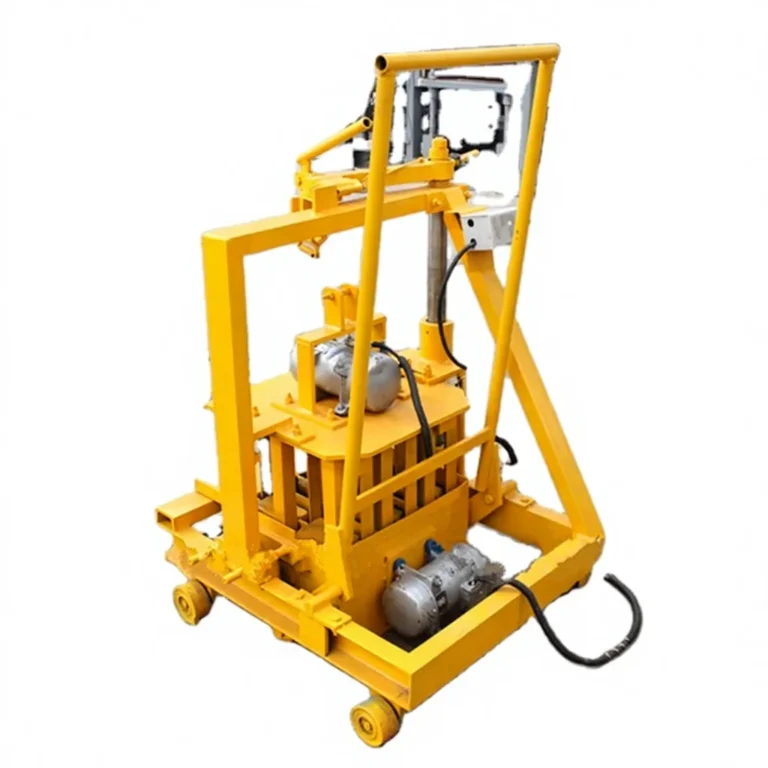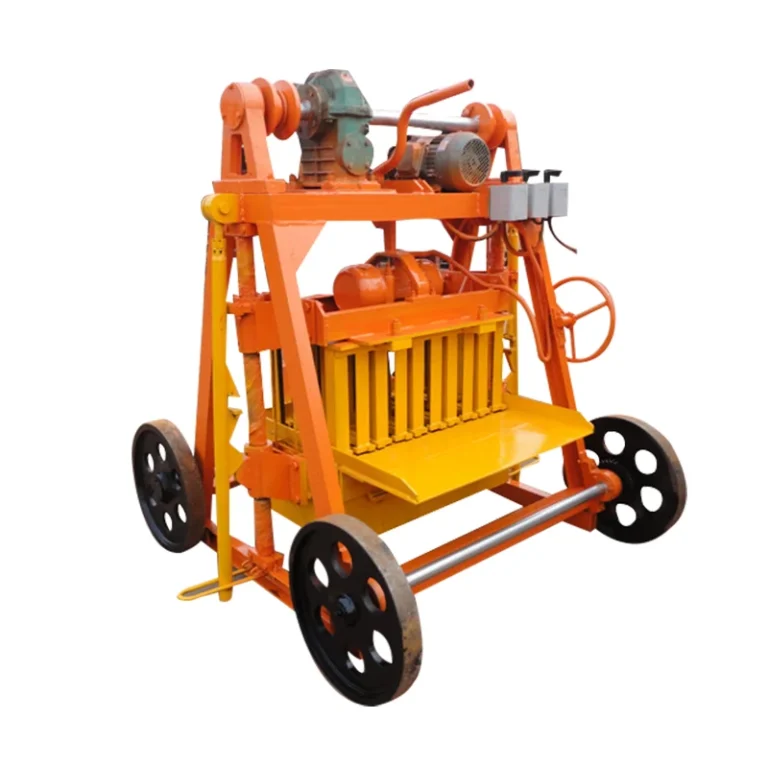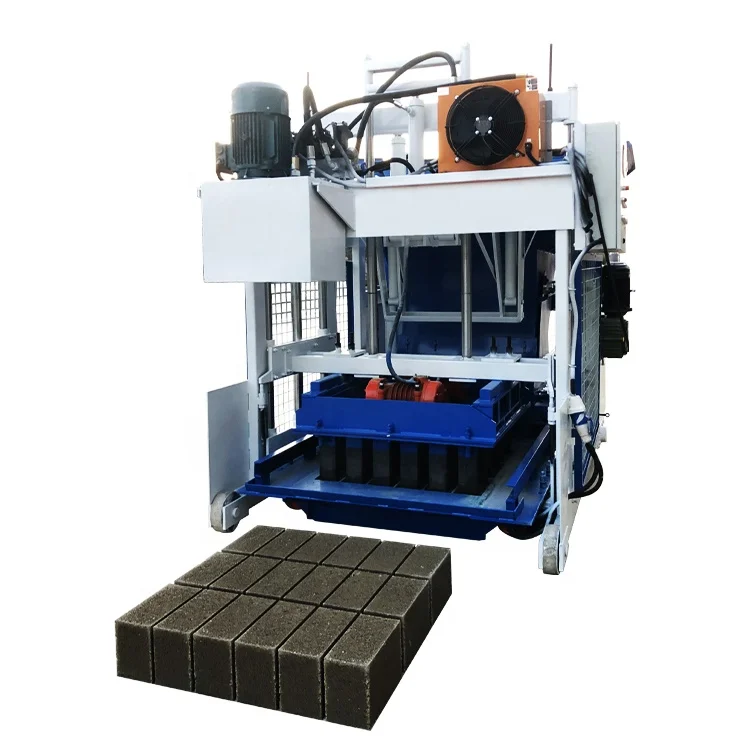
Description
Automation That Matches Your Site Reality — the QMY18-15 pairs PLC control with hydraulic pressure so block density stays consistent even when operators rotate shifts or skill levels vary.
Technical Specifications
| Parameter | Value |
|---|---|
| Model | QMY18-15 |
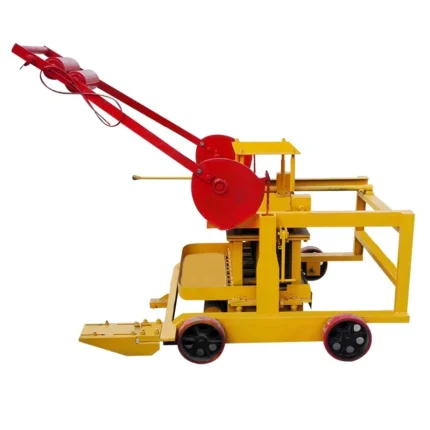
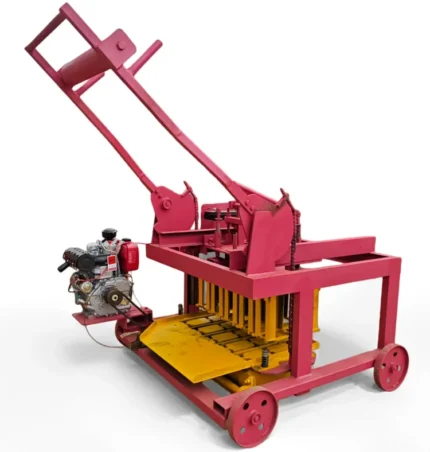
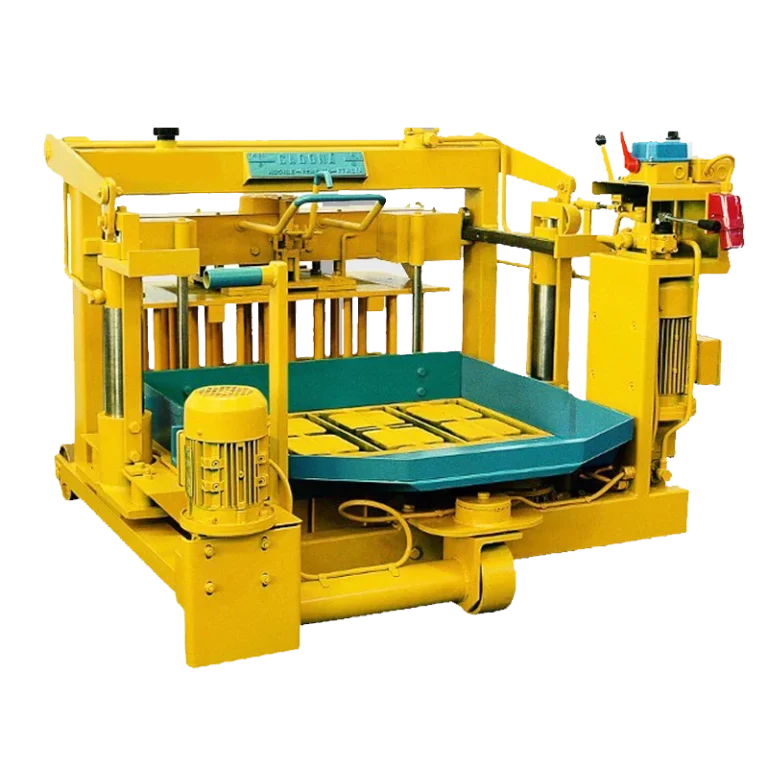
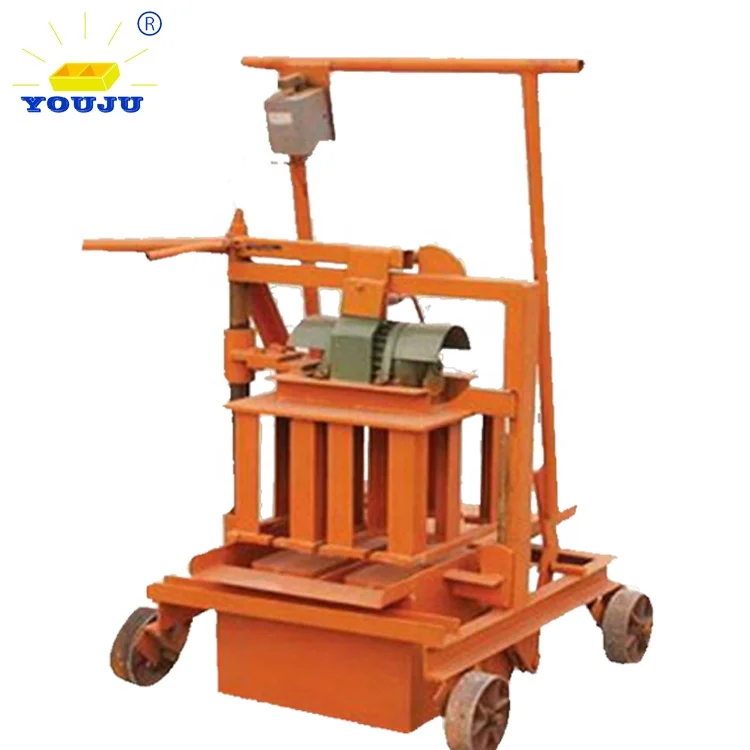
| Product Type | Egg Laying Mobile Concrete Block Making Machine |
| Working Method | Hydraulic pressure station |
| Rated Power | 24 kW |
| Voltage & Frequency | Customized to buyer’s local industrial supply (basis to be confirmed) |
| Control System | PLC |
| Output Capacity | Approx. 3,400 pcs per shift based on 400×200×200 mm hollow block (basis to be confirmed for other formats) |
| Pallet Requirement | None — egg-laying type, produces directly on ground |
| Mould Format | Customizable to buyer’s required block types |
| Block Type Range | Hollow block and other formats per buyer requirement |
| Stacking Method | Manual |
| PLC HMI Language | Configurable (basis to be confirmed before production) |
Application Suitability
| Application | Material or Output |
|---|---|
| Construction contractors producing on-site hollow blocks | Crushed stone, cement, sand and local aggregate |
| First-stage block plant startups with low infrastructure | Hollow and solid blocks laid directly on compacted ground |
| Housing project sites in areas without pallet logistics | Standard and custom hollow block formats per local market demand |
| Development contractors needing local block supply | Blocks produced from locally available aggregates and mix designs |
Why the PLC Language Question Matters Before the Price
Every parameter on the screen must be readable by the person standing next to the machine.
I once stood beside a QMY18-15 in a Riyadh suburb where the HMI was English-only and the operator only read Arabic. Vibration duration, hydraulic dwell time and feed volume were all guessed at during the first shift. An entire pallet of hollow blocks came out under-density because the cycle timing was wrong. [NEED_CITE: operator interface language and commissioning delays in international equipment projects] After that, I never ship a PLC-controlled machine without confirming the display language matches the buyer’s workforce. The automatic QMY18-15 egg laying block machine PLC controlled panel is only as useful as the person reading it can understand.
Removing the Skilled-Operator Bottleneck
On a typical egg-laying site, block quality swings with whoever is running the controls that day. The PLC in this machine holds vibration time, hydraulic pressure hold and feed sequence as stored recipes, so the cycle does not change when the operator does. This is where the automatic QMY18-15 egg laying block machine PLC controlled system pulls ahead of manual-valve mobile machines: consistency becomes a setting, not a habit.
From Manual Valve to Recipe-Based Production
When a buyer moves from a manual egg-laying machine to a PLC-controlled one, the real gain is batch-to-batch repeatability. The system stores parameters for each block format, meaning a hollow block recipe and a solid block recipe can be called up without re-tuning from scratch. [NEED_CITE: PLC recipe management in concrete block production equipment] The upgrade path from semi-automatic or manual mobile machines is straightforward — the operator interface replaces guesswork with stored values that stay locked until deliberately changed.
Pressure, Vibration and the Density Equation
Hydraulic pressure and vibration force together decide whether a hollow block leaves the mould at target density or crumbles during curing. On this machine the hydraulic pressure station delivers uniform compaction while the PLC regulates vibration duration per cycle. If local aggregate is coarse or the mix runs lean on fines, the vibration window can be adjusted through the HMI rather than by physical trial and error. Pallet-free operation means the block cures on the ground where it is laid, so density uniformity from the press directly determines stacking strength later.
The Cost of Skipping Electrical Confirmation
Voltage mismatch is the single most common reason a newly arrived machine sits idle. [NEED_CITE: industrial voltage and frequency standards by export market] A machine wired for a supply that does not match the site transformer cannot be commissioned until a new motor or transformer is sourced locally. For the QMY18-15, confirming voltage, frequency and phase before production avoids weeks of dead time on site. This confirmation costs nothing when done at order stage but delays the project significantly when missed.
Why Source the QMY18-15 Through This Line
Block machinery is the sole focus here, so the machine, mould and hydraulic station are specified as one matched system rather than assembled from separate suppliers. Mould design covers the formats the buyer’s market actually sells, including custom drawings to buyer specifications. The automation level is selectable, allowing a buyer to start with PLC-controlled mobile production and move to semi-automatic or full lines later. Machine configuration is set against the buyer’s actual mix design and local aggregate, not a catalogue default. [NEED_CITE: matched-system approach in concrete block machinery supply]
Documentation & Verification
- Capacity calculation stating block format and shift length assumed for the 3,400 pcs figure
- Machine specification sheet with hydraulic pressure rating and vibration force values
- PLC display language and voltage confirmation record signed before production
- Mould drawing and format list for every block type included in the order
- Factory test record on buyer’s target block format before dispatch
- Operation manual in the buyer’s confirmed language with wear parts list
Installation, Commissioning & Support
- Ground preparation guidance for egg-laying operation on compacted soil, no pallet system needed
- Electrical connection plan matching the 24 kW rated power to buyer’s confirmed voltage and phase
- On-site commissioning with PLC parameter setup for buyer’s confirmed block formats
- Operator training covering HMI navigation, recipe storage and emergency stop procedures
- Wear parts and hydraulic seal list supplied so first replacement is planned in advance
- Daily and weekly maintenance schedule covering hydraulic fluid level and vibration motor inspection
What to Prepare Before You Send an Inquiry
To size the QMY18-15 to your site, share the block formats your market sells and the daily volume you need to hit. Confirm your site voltage, frequency and the language your operators read so the PLC panel arrives ready to run. If you already have a mix design or a source of local aggregate, send a sample analysis so the vibration and pressure settings can be matched before the machine is built.
Frequently Asked Questions
Q: How is the 3,400 pcs per shift capacity verified and what does it assume?
A: That figure assumes 400×200×200 mm hollow blocks over a standard shift. Smaller formats yield a higher count while larger ones yield less. We provide a written capacity calculation stating the exact block format and shift length so your daily output matches your project plan before you commit.
Q: How do I confirm the PLC display language for my operators?
A: Language is confirmed during the order stage alongside voltage and frequency. We record the buyer’s choice in a written confirmation document and build the HMI accordingly. This prevents the situation where a machine arrives with an unreadable interface and the first production day is lost to confusion.
Q: What is the automation level and can the system grow with my plant?
A: The QMY18-15 provides PLC-controlled cycle management with hydraulic pressure regulation while blocks are laid manually on the ground. As production volume grows, buyers can move to semi-automatic lines with pallet handling or full automatic systems with stacking and cubing using the same supplier ecosystem.
Q: How does hydraulic pressure interact with my local mix design?
A: Block density depends on matching hydraulic pressure and vibration duration to the aggregate particle size and cement ratio you can actually source locally. We set the machine parameters against your mix data rather than a default, so block strength stays within specification from the first production run.
Q: What mould formats are available and are custom moulds supported?
A: Moulds are built to the block formats your market requires, including hollow, solid and other shapes. Custom mould design to buyer drawings is available. Mould change procedure and time are documented so you know the format flexibility you are getting before the machine ships.