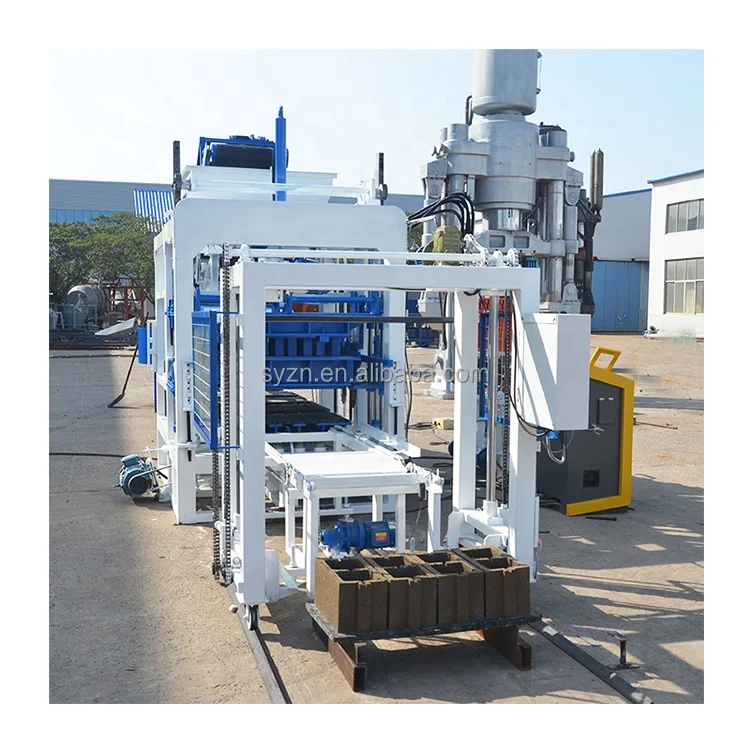
Description
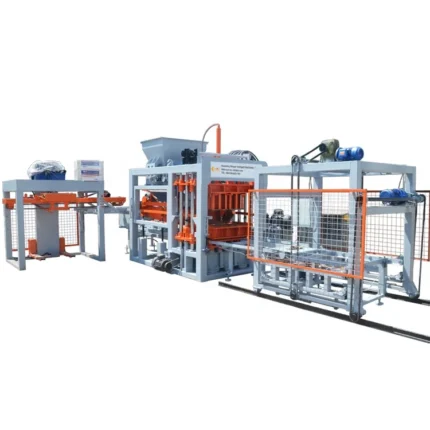
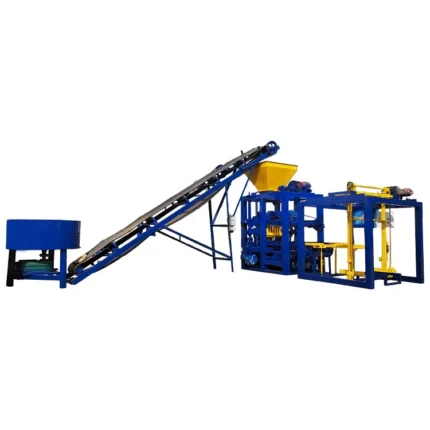
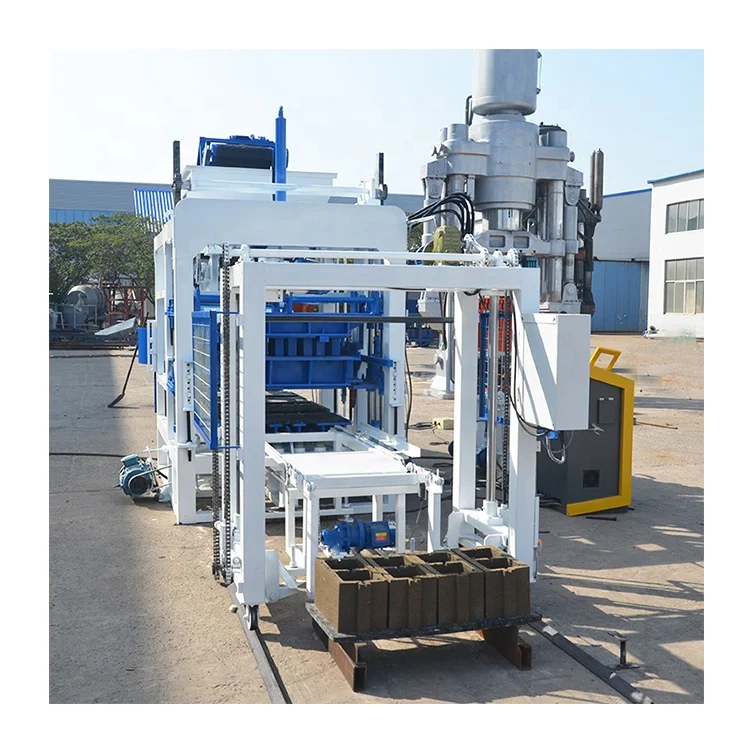
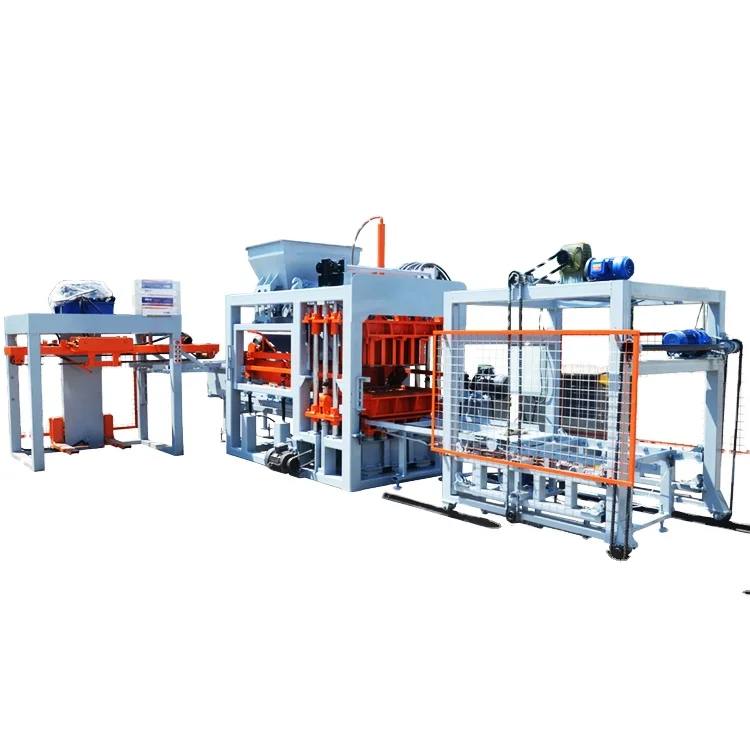
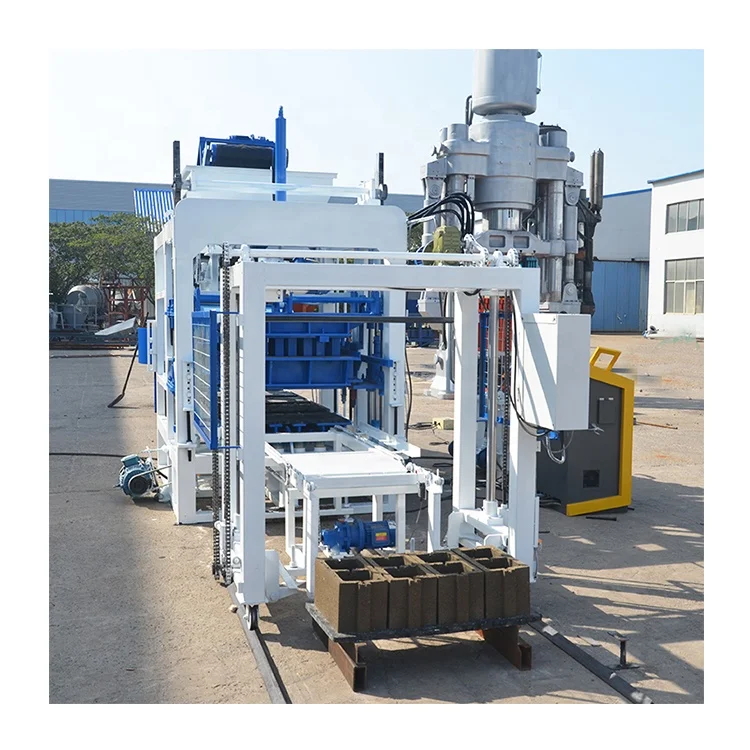
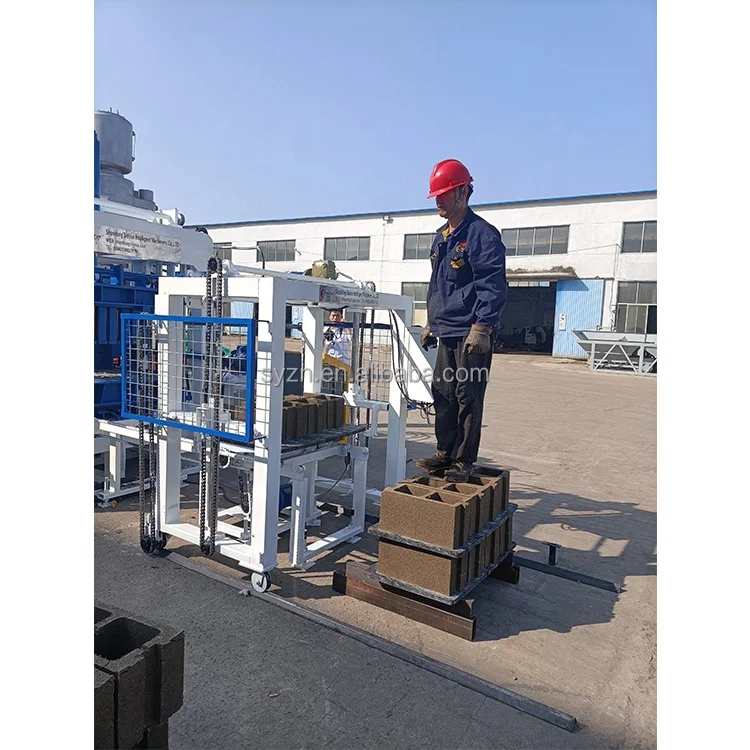
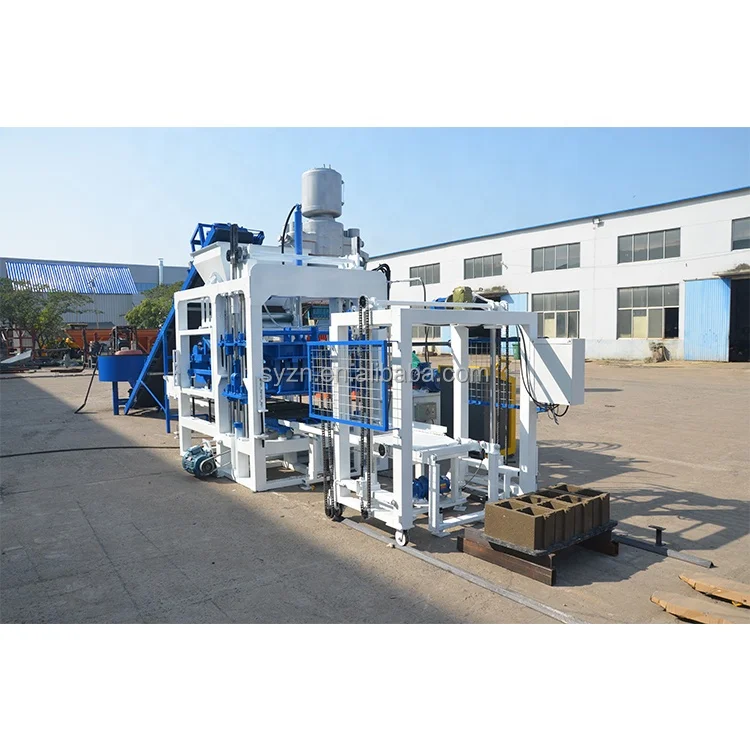
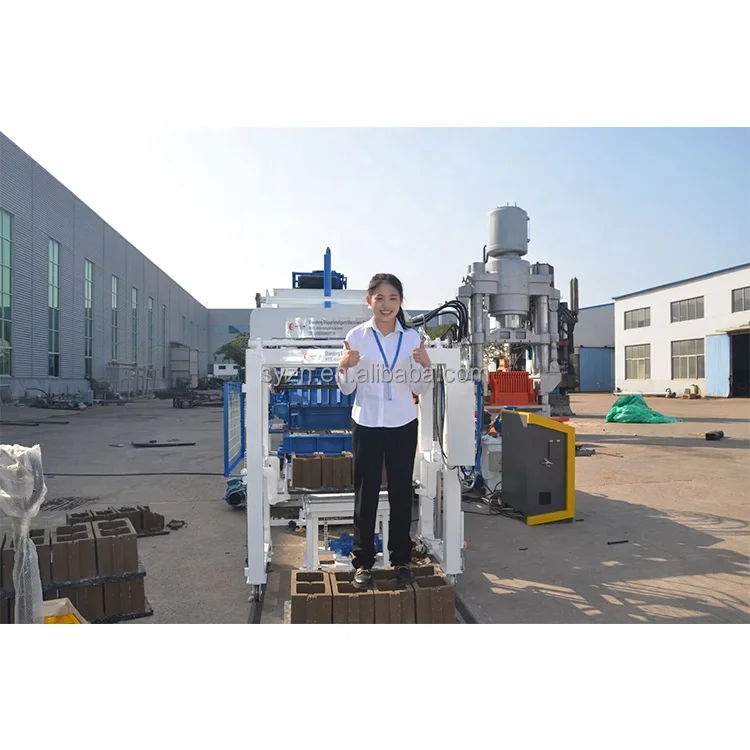
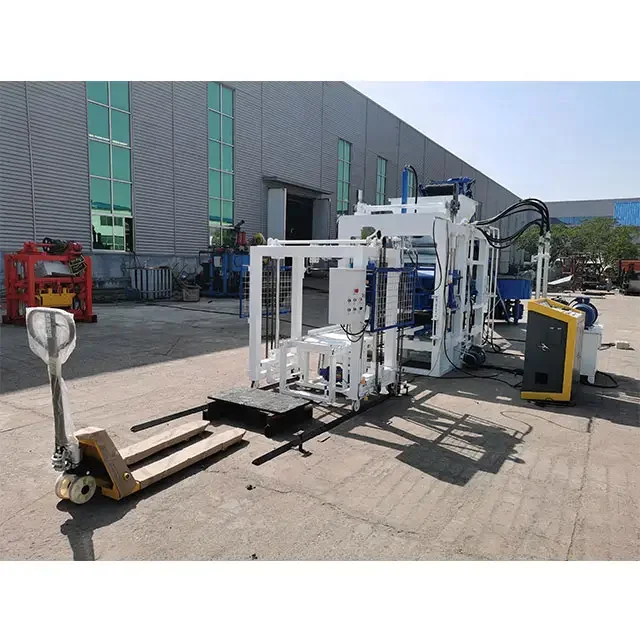
Configurable Automation Level — the QT4-18 ships as a semi-automatic press with an included automatic stacker, letting plant owners start production immediately and add pallet feeding or cubing stations later without replacing the core hydraulic unit.
Technical Specifications
| Parameter | Value |
|---|---|
| Model | QT4-18 |
| Product Type | Semi-Automatic Hydraulic Concrete Block Making Machine |
| Overall Dimensions (L×W×H) | 3900×1600×2300 mm |
| Total Weight | 3 T |
| Rated Power | 24 kW |
| Voltage & Frequency | Configurable (basis to be confirmed with buyer) |
| Control System | Hydraulic station with PLC |
| Molding Cycle | 15-25 s |
| Vibration Force | 40-50 kN |
| Pallet Size | 850×550×25 mm |
| Mixer Model | JQ350 |
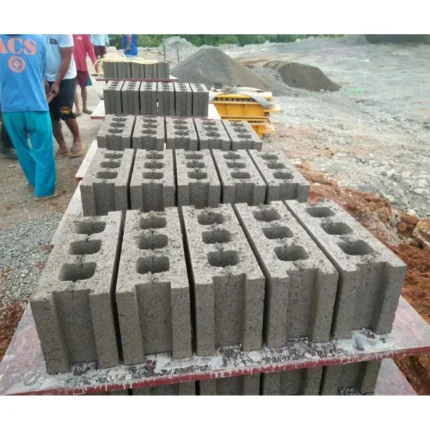
| Mould Format Capability | Hollow block, solid brick, paver, curbstone (mould change required) |
| Output Capacity | 9,600-13,440 pcs/8hr based on 400×200×200mm hollow block, 4 pcs/mould, 15-20s cycle |
| Output Capacity | 14,400-19,200 pcs/8hr based on 400×150×200mm hollow block, 15-20s cycle |
| Output Capacity | 16,200-19,440 pcs/8hr based on 240×115×53mm solid brick, 15-20s cycle |
| Automation Level | Semi-automatic (manual pallet handling) |
| Stacking Method | Automatic stacker included |
| Raw Materials | Crushed stones, sand, cement, dust, fly ash |
| Assembly State | Fully assembled, nude packing in 20GP container |
| PLC Display Language | Configurable (basis to be confirmed with buyer) |
Application Suitability
| Application | Material or Output |
|---|---|
| Small to medium-scale hollow block production | Crushed stone, sand, and cement mix for 400×200×200mm and 400×150×200mm formats |
| Solid brick manufacturing for local masonry markets | Cement and fly ash blends for 240×115×53mm standard bricks |
| Paver and curbstone production | Aggregate-rich mixes for interlocking pavers and roadside kerbstones |
| On-site block production for construction contractors | Local aggregate and cement for project-specific hollow and solid formats |
| First block plant setup by entrepreneurs | Lower initial investment entry point with defined automation upgrade path |
What "Semi-Automatic" Actually Automates on the QT4-18
The automatic QT4-18 block making machine PLC controlled system governs vibration timing, hydraulic pressure sequencing, and stacking — but pallet feeding remains a manual station until the buyer elects to add it.
Buyers regularly sign contracts for a "semi-automatic" line expecting most stations to run without operator intervention, only to find that pallets are still being loaded and retrieved by hand on the shop floor. The confusion stems from quotations that list automation as a single checkbox rather than a station-by-station breakdown. When I review enquiries from plant owners who have been burned by this ambiguity, the first thing I ask is which specific stations the supplier included and which were left out [NEED_CITE: definition of automation levels in concrete block machinery]. The QT4-18 specification makes this explicit: the PLC handles the press cycle, the vibration force application, and the automatic stacker at the end of the line, while an operator manually places empty pallets and retrieves finished ones from the non-stacked side.
PLC Scope and What the Operator Still Controls
The PLC on the automatic QT4-18 block making machine PLC controlled configuration manages the hydraulic press cycle, vibration duration, and the automatic stacker that collects finished pallets. Operators set the molding cycle between 15 and 25 seconds depending on the block format being run, and the PLC holds that timing consistently across every press stroke. What remains under manual control is pallet loading onto the press table and mould changeover between formats. This split means the press itself delivers batch-to-batch density consistency while the operator retains direct involvement at the infeed and format-change stations.
Upgrade Path from Semi-Automatic to Full Line Automation
Plant owners who start with the QT4-18 in its baseline semi-automatic configuration can add automatic pallet feeding and cubing stations as demand grows. The hydraulic press and PLC do not need replacement — the upgrade involves adding a pallet magazine at the infeed end and a cubing system downstream of the stacker. This staged approach matters for entrepreneurs who need to begin production with a lower initial outlay but want a clear technical route to reducing headcount on the line [NEED_CITE: automation upgrade paths in block production plants]. The 850×550×25 mm pallet size stays constant through the upgrade, so existing pallet stock remains usable.
Reading the Specs That Actually Affect Block Density
The 40-50 kN vibration force works in combination with hydraulic pressure to compact the concrete mix into the mould cavity. Vibration alone does not determine block strength — the hydraulic pressure must be matched to the buyer’s specific aggregate gradation and cement ratio to achieve target density. A mix with coarser crushed stone typically requires higher vibration amplitude and longer cycle time, while a fly-ash-rich mix may compact adequately at the lower end of the 15-25 second range. The 24 kW rated power supplies both the hydraulic pump and the vibration motor simultaneously, so voltage stability at the site directly affects whether the press can sustain its rated force throughout a full shift. The JQ350 mixer feeds the press, and its batch size must align with the press cycle time so the hopper never runs empty mid-cycle [NEED_CITE: relationship between mixer batch size and press cycle synchronization].
The Cost of Skipping Voltage and Language Confirmation
I once spent three days on a commissioning site in the Middle East because the PLC display language was never confirmed before the machine left our factory — the Arabic-speaking operators stared at an English interface with no way to adjust cycle parameters. Voltage mismatches cause a different but equally costly delay: a 24 kW machine wired for the wrong frequency will run the hydraulic pump at the wrong speed, reducing pressure output and producing blocks that fail compressive strength tests. These are not defects in the automatic QT4-18 block making machine PLC controlled system itself — they are configuration details that must be locked in before production begins [NEED_CITE: voltage and frequency standards by export market]. Every unit we ship now carries a signed confirmation sheet covering voltage, frequency, and PLC display language.
Why Source This Configuration Here
Block machinery is our single product focus, so the QT4-18 press, mould, pallet, and stacker are specified as one matched system rather than assembled from separate suppliers. We set the vibration force and hydraulic pressure against the buyer’s actual mix design and local aggregate, not a catalogue default. Mould design covers the formats the buyer’s market actually sells, and custom mould drawings are available for non-standard sizes. The automation level is selectable, meaning a buyer starts semi-automatic and upgrades pallet feeding and cubing when volume justifies it. Installation support includes operator training on PLC parameter adjustment and mould changeover procedure.
Documentation & Verification
- Line layout showing QT4-18 station positions, pallet flow direction, and stacker placement
- Capacity calculation sheet stating block format and cycle time assumed for each output figure
- Hydraulic and electrical schematic for local electrician commissioning
- Mould drawing and format list confirming which block sizes the quoted set covers
- Voltage, frequency, and PLC display language confirmation signed before production
- Factory test record on buyer’s specified block format before dispatch
Installation, Commissioning & Support
- Foundation pad leveled to 3900×1600 mm footprint with anchor bolt provisions for the 3 T frame
- Dedicated 24 kW circuit with confirmed voltage and frequency matching the PLC and hydraulic pump
- Machine ships fully assembled in a 20GP container, requiring only utility connections on arrival
- First-run parameter setting covers vibration duration, hydraulic pressure, and cycle time per block format
- Operator training on PLC interface navigation, mould change procedure, and stacker clearance
- Wear parts list covering hydraulic seals, vibration motor bearings, and mould liner replacement intervals
What We Need to Configure Your QT4-18
To size the automatic QT4-18 block making machine PLC controlled system to your production requirements, we need your target block formats with daily volume for each, the raw materials available locally including aggregate gradation, your site voltage and frequency, the preferred PLC display language, and your existing pallet dimensions if any. If you are adding this press to an existing line, share the upstream mixer capacity and downstream curing area layout so we can confirm cycle synchronization.
Frequently Asked Questions
Q: How is daily output calculated per block format, and what cycle time does each format actually run at?
A: Output figures for the QT4-18 are calculated per specific block format, not as a single headline number. For 400×200×200mm hollow blocks at 4 pieces per mould and a 15-20 second cycle, capacity is 9,600-13,440 pieces per 8-hour shift. Smaller formats like 240×115×53mm solid bricks yield 16,200-19,440 pieces over the same shift because the mould holds more cavities and the cycle can run at the shorter end of the 15-25 second range.
Q: What does the PLC control cover — vibration timing, hydraulic pressure, or full batching and stacking?
A: The PLC on the automatic QT4-18 block making machine PLC controlled system governs vibration duration, hydraulic press sequencing, and the automatic stacker operation. It does not cover raw material batching or pallet feeding — those remain separate stations. The PLC stores cycle parameters per block format so operators can switch recipes when changing moulds rather than recalculating timing manually each time.
Q: Can the QT4-18 be upgraded from semi-automatic pallet feeding to fully automatic pallet handling later?
A: Yes. The QT4-18 baseline includes manual pallet loading and an automatic stacker at the outfeed. Buyers can add a pallet magazine for automatic feeding and a cubing system downstream of the stacker as production volume grows. The hydraulic press, PLC, and 850×550×25 mm pallet size remain unchanged through this upgrade, so existing pallet inventory and press settings carry over without modification.
Q: What voltage, frequency, and PLC language options are confirmed before shipment?
A: Voltage and frequency are configured to match the buyer’s local supply standard and confirmed in writing before the QT4-18 enters production. The PLC display language is selected at the same stage — we have commissioned machines with English, Spanish, Arabic, French, and Russian interfaces. A signed confirmation sheet covering all three parameters accompanies every shipment to prevent on-site commissioning delays.
Q: How does the mould change system work, and what is the realistic changeover time between formats?
A: The QT4-18 uses a bolt-secured mould mounting system on the press table. Changeover involves removing the current mould set, positioning the new mould, securing the bolts, and loading the corresponding PLC cycle recipe. Realistic changeover time depends on operator familiarity — experienced crews complete a swap between hollow block and paver formats within a portion of a single shift. We recommend dedicating full production runs to one format to minimize changeover frequency.