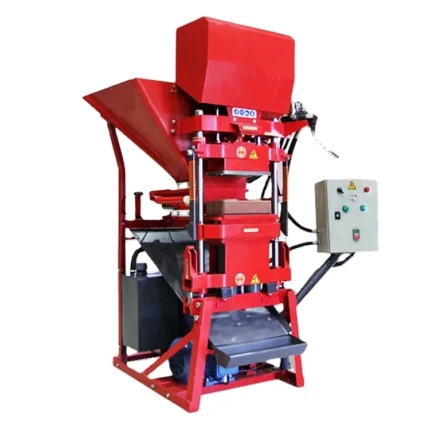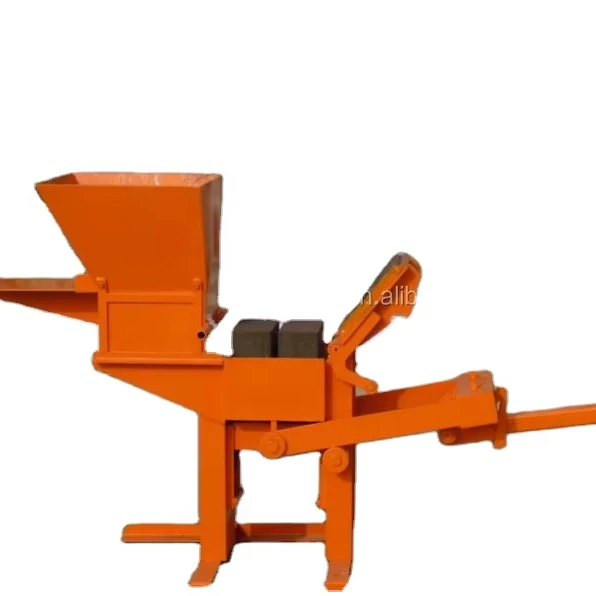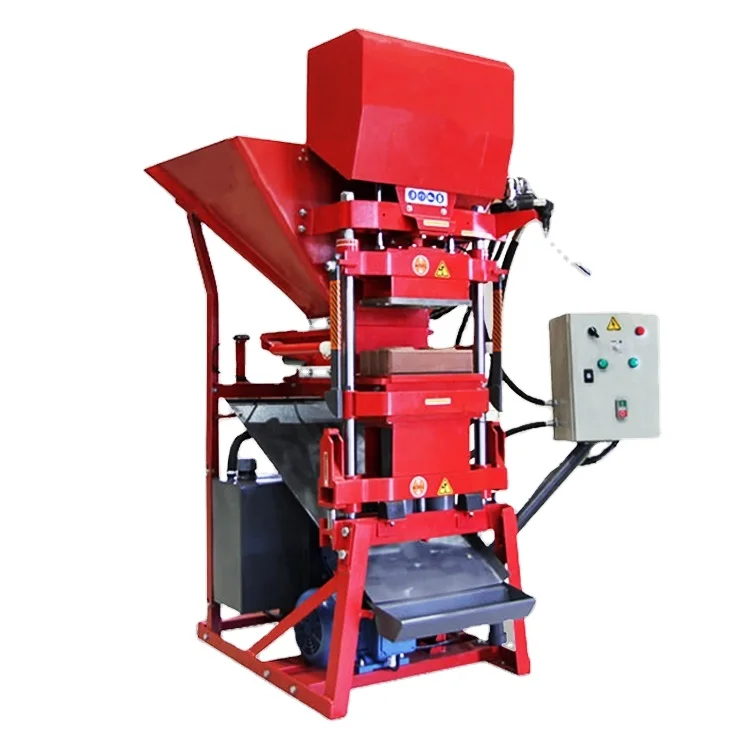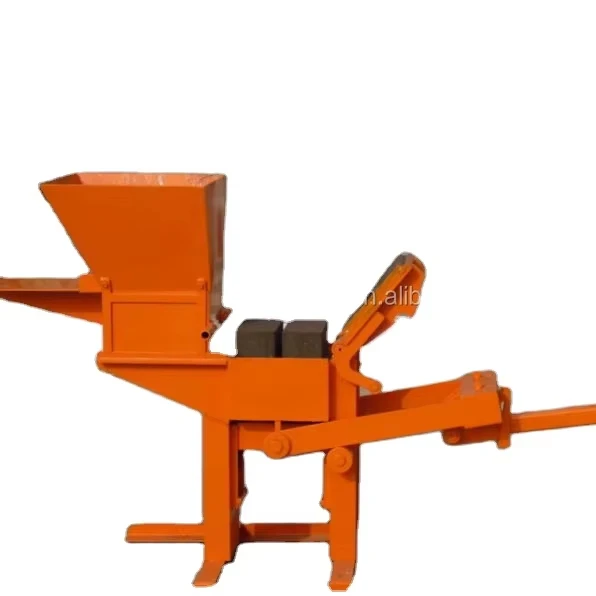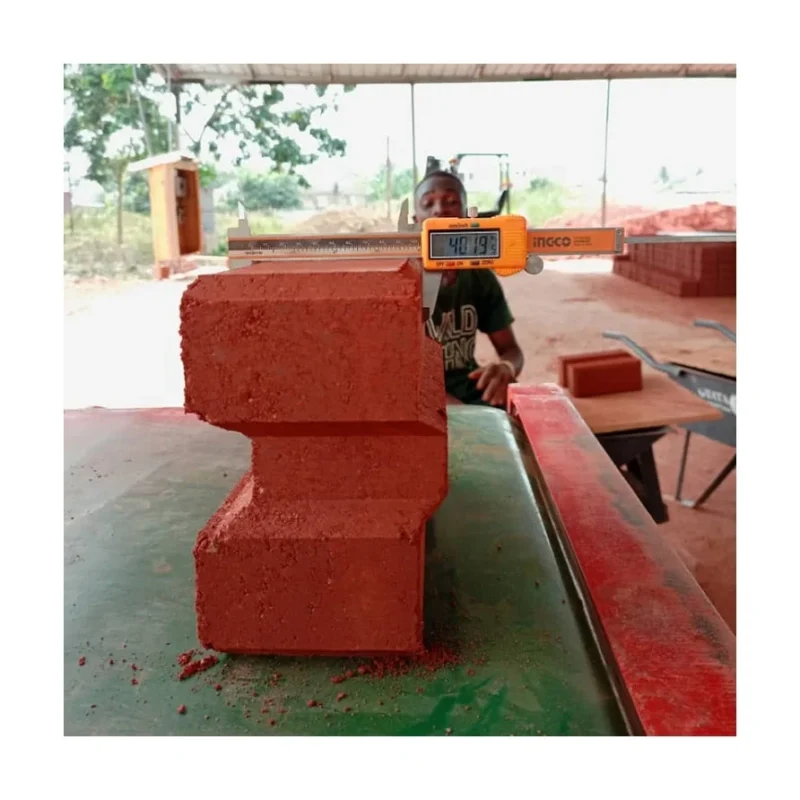
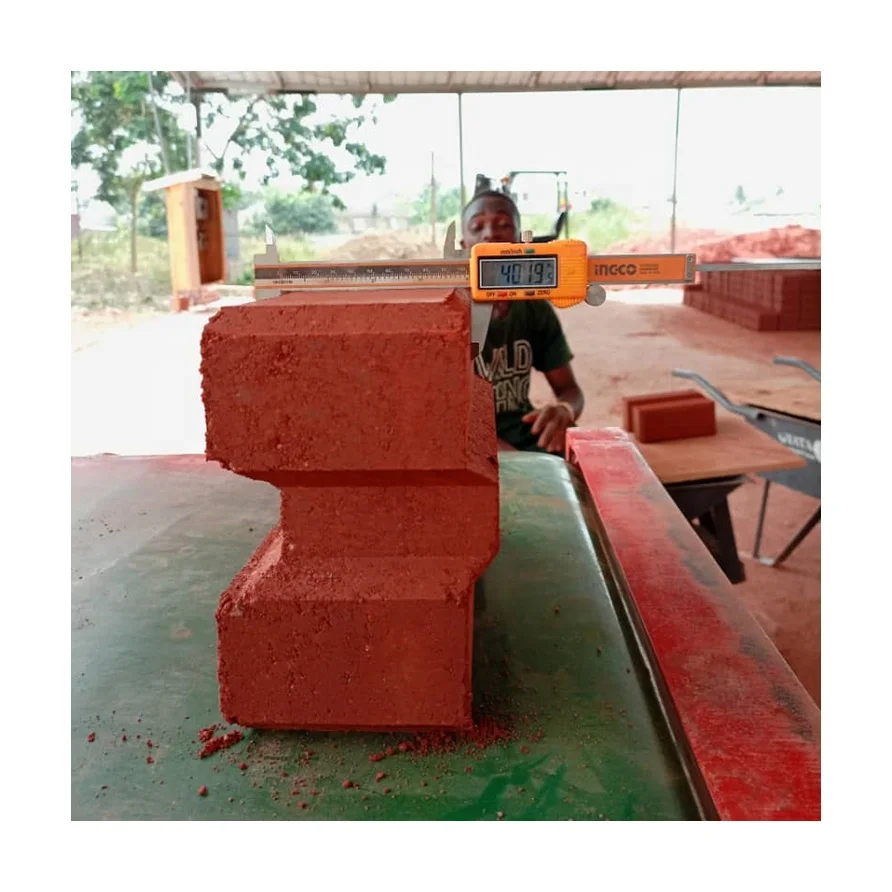
Description
Upgrade-Ready Automation — the LY2-10 strips away manual feeding and pressing while leaving a clear, documented path to add PLC control and pallet stacking as your volume demands grow.
Technical Specifications
| Parameter | Value |
|---|---|
| Model | LY2-10 |
| Product Type | Hydraulic Interlocking Clay Block Making Machine |
| Machine Power | 7.5 kW |
| Hydraulic Pressure | 16 MPa |
| Molding Cycle | 10 s |
| Output Capacity | 3000 pcs/8hours (basis not stated in source — confirm block format / material / thickness) |
| Productivity (300×150×100mm or 250×125×75mm) | 2 pcs/mould, 750 pcs/hour, 6000 pcs/8hours (source states two sizes together — confirm per format) |
| Raw Materials | Clay, soil, earth, mud, concrete, cement, fly ash |
| Automation Level | Semi-automatic (automatic material feeding, mould pressing, mould lifting) |
| Control System | Available with PLC or manual panel (confirm before order) |
| Voltage & Frequency | Configurable to site requirement (confirm before order) |
| Machine Weight | 1200 kg |
| Overall Dimensions | 1300×1200×1900 mm |
| Worker Requirement | 1–3 people |
| Certification | CE (certificate scope and validity to be confirmed) |
Application Suitability
| Application | Material or Output |
|---|---|
| On-site housing project production | Compressed earth and clay-cement interlocking bricks using locally excavated soil |
| Small-plant interlocking brick manufacturing | Clay-soil mixes with cement stabilization for commercial block sales |
| Rural construction cooperatives | Mud and fly ash blends for low-cost interlocking wall blocks |
| Existing block producers adding format range | Earth blocks and soil-cement pavers alongside current hollow block output |
Why "Automatic" on the Nameplate Does Not Mean Hands-Off
The LY2-10 removes the heaviest manual steps but leaves stacking, pallet handling, and curing logistics to your crew — knowing exactly which stations are automated and which remain manual prevents under-staffing on day one.
Many buyers see the term automatic interlocking clay block making machine in a brochure and assume the entire production loop runs without operators. In reality, semi-automatic presses like this one handle material feeding, mould pressing, and mould lifting automatically, but a worker still moves the freshly pressed bricks to the curing area and returns empty pallets. [NEED_CITE: definitions of automation levels in block making machinery]. When I commissioned a similar press in West Africa, the contractor had planned for two workers based on a video showing fully automatic stacking — only to discover the line needed three people per shift because pallet return was manual. That misalignment stalled production for the first week. The honest approach is to map every station before the machine arrives, so your labour plan matches the actual automation level shipped.
What Semi-Automatic Actually Covers on the LY2-10
The hydraulic interlocking clay block making machine automates three core actions: material is fed into the mould box by a powered hopper, the 16 MPa hydraulic ram compresses the mix, and the mould lifts to release the formed brick. These are the steps that demand the most physical effort and cause the greatest cycle-time variation when done by hand. By mechanising them, the press holds a more consistent 10-second molding cycle across the shift, reducing the brick-to-brick density swings that lead to breakage during curing.
The Automation Stations You Can Add Later
What sets the LY2-10 apart from a fixed-configuration press is the selectable upgrade path. A buyer can commission the machine today with relay logic and manual pallet handling, then introduce PLC control, automatic pallet feeding, and stacking as production volume justifies the investment. This phased approach matters for first-time block producers who need to manage capital outlay while keeping the door open to higher throughput. The PLC upgrade also brings batch-to-batch consistency in feeding weight and press timing, which is difficult to hold with manual relay operation over long shifts. [NEED_CITE: PLC control benefits for batch consistency in block production].
Reading the Specification Sheet Against Your Mix Design
The 16 MPa hydraulic pressure is adequate for compressed earth and clay-cement interlocking formats, but adequacy depends on your target block density and local soil grading. A high-sand clay needs different compaction energy than a heavy laterite to reach the same crushing strength. The 7.5 kW motor must also be evaluated against your continuous shift pattern; thermal loading on a small motor in a tropical climate can shorten winding life if the duty cycle is not matched. Pallet size is not stated in the source, yet it determines how many bricks you can cure per rack and whether your existing forklift can handle the loaded pallets — confirm this dimension before the order is locked.
The Hidden Cost of Skipping the Soil Sample Step
When a buyer orders a clay block press without sending a soil sample first, the factory sets hydraulic pressure and cycle time to a generic earth mix. If the local clay has higher sand content or lower plasticity than the test standard, bricks may crack on demoulding or fail compression tests after curing. I have seen entire first shipments rejected on site because the machine was tuned to a red loam while the project soil was sandy laterite. Resolving this after arrival means shipping new hydraulic valves, recalibrating the press, and losing weeks of production — costs that dwarf the price of a courier envelope sent before the order. [NEED_CITE: soil testing standards for compressed earth block production].
Why Buyers Source This Machine Here
Block machinery is a single focus for the manufacturer, meaning the press, mould, pallet, and handling equipment are specified as a matched system rather than assembled from unrelated suppliers. The LY2-10 configuration is set against the buyer’s actual clay-soil-cement ratio and target interlocking profile, not pulled from a catalogue default. Mould design and supply cover the specific interlocking formats the buyer’s market demands, including custom profiles drawn to buyer specifications. Automation level is selectable at order, allowing a start at semi-automatic with a documented upgrade path. Installation and commissioning support includes operator training on mould change, hydraulic adjustment, and daily maintenance routines.
Documentation & Verification
- Line layout drawing showing LY2-10 footprint, pallet flow, and curing area dimensions
- Capacity calculation stating the exact interlocking block format and mix ratio assumed
- Mould drawing and format list confirming included interlocking profiles and optional extras
- Hydraulic and electrical schematic with confirmed voltage, frequency, and control language
- Factory test record using buyer-supplied soil sample at target 16 MPa pressure
- Operation and maintenance manual with wear parts list and mould change procedure
Installation, Commissioning & Support
- Level concrete pad required; 1200 kg machine weight distributed across 1300×1200 mm base frame
- Dedicated circuit for 7.5 kW motor; voltage and frequency confirmed in writing before build
- Machine ships partially assembled; hydraulic lines and hopper connected on site
- First-run commissioning includes pressure calibration against buyer’s soil-cement sample
- Operator training covers 16 MPa hydraulic adjustment, 10-second cycle timing, and safety stops
- Wear parts list provided with recommended reorder intervals for mould liners and seals
Before You Request a Quote
To configure the LY2-10 correctly, share your target interlocking block dimensions, the clay-soil-cement ratio you plan to run, and a representative soil sample shipped to the factory for press testing. Confirm your site voltage, frequency, and preferred control display language so the electrical panel is built to match. If you already operate pallet racks or forklifts, send the pallet dimensions you use today so the feeding and handling interfaces align without modification on arrival.
Frequently Asked Questions
Q: How do the 3000 and 6000 pcs/8hours figures relate to block format?
A: The source lists both figures alongside two block sizes — 300×150×100 mm and 250×125×75 mm — without stating which capacity applies to which format. Before ordering, request a written capacity calculation that names the exact interlocking profile, wall thickness, and mix ratio assumed so you receive a single, verifiable daily output figure.
Q: What is included in the default automation level, and what can be added later?
A: The LY2-10 ships as semi-automatic with powered material feeding, hydraulic mould pressing, and mould lifting. Pallet return and stacking remain manual. PLC control, automatic pallet feeding, and stacking stations can be specified at order or retrofitted later, with wiring and mounting points prepared during initial build.
Q: Is 16 MPa hydraulic pressure matched to my local clay-soil mix?
A: Sixteen megapascals is adequate for many compressed earth and clay-cement mixes, but the correct pressure depends on your soil grading, cement percentage, and target block density. Send a soil sample before the order so the factory can run a test pressing and adjust the hydraulic relief valve to your specific material.
Q: What voltage, frequency, and control language options are confirmed before shipment?
A: Voltage and frequency are configurable to your site supply but must be confirmed in writing before the electrical panel is built. The control display language is set during assembly — specify your preferred language at order to avoid commissioning delays caused by mislabeled buttons and alarm messages on arrival.
Q: How long does a mould change take, and is training included?
A: Mould change time is not stated in the source data and varies with the interlocking profile complexity and whether quick-release clamps are fitted. Request the documented changeover procedure and confirm that operator training on your specific mould set is included in the commissioning visit so your crew can switch formats independently.