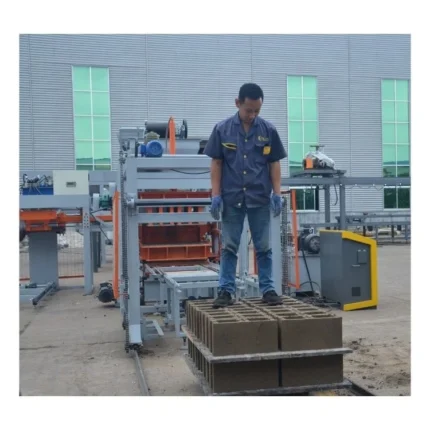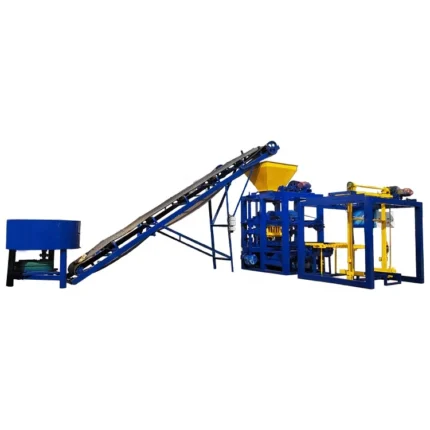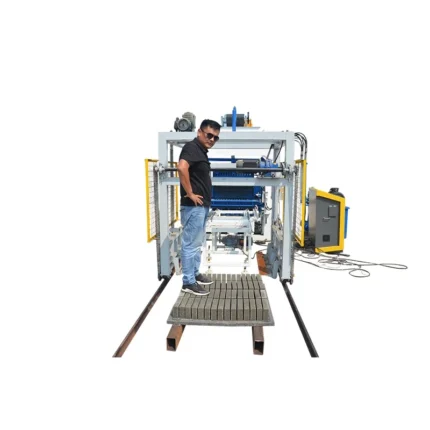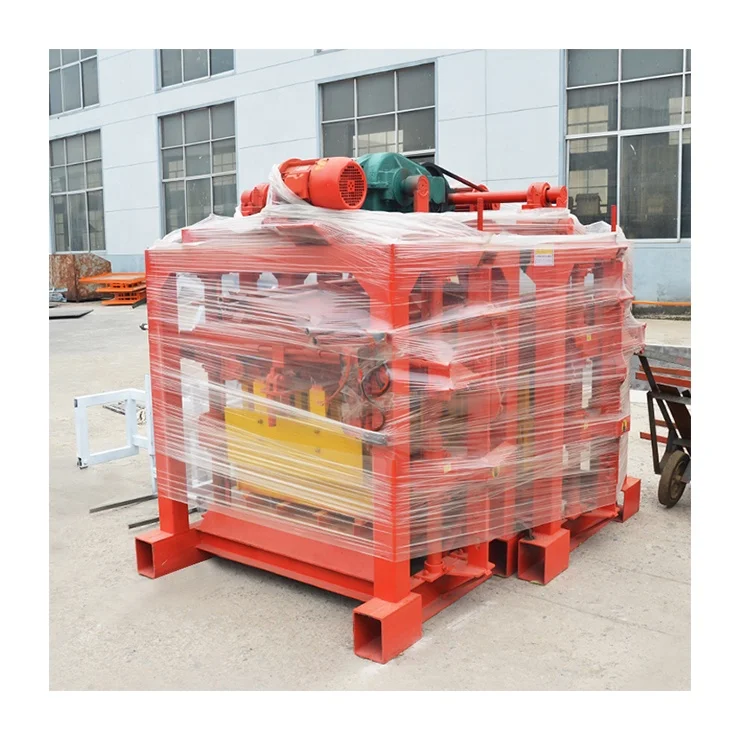
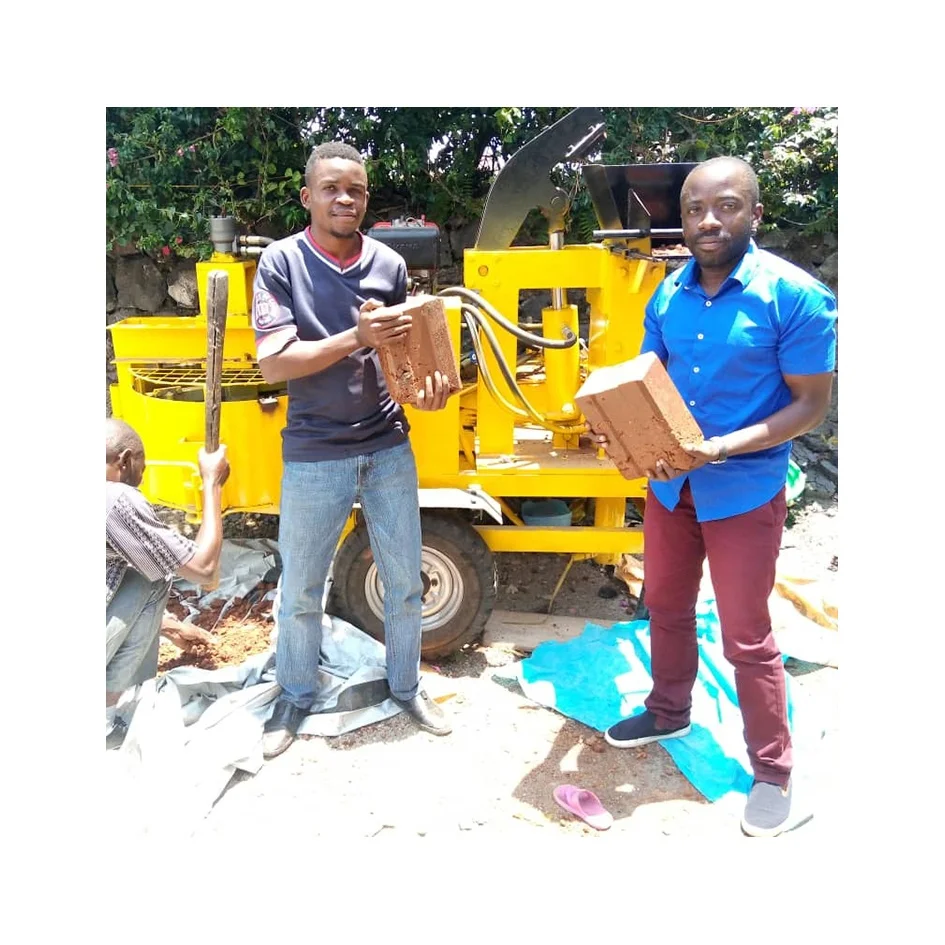
Description
Hydraulic Pressure Matched To Your Mix — The M7MI’s 16 MPa system is configured only after testing your local clay or soil sample, preventing the block strength inconsistencies that plague machines shipped with catalogue-default settings.
Technical Specifications
| Parameter | Value |
|---|---|
| Model | M7MI |
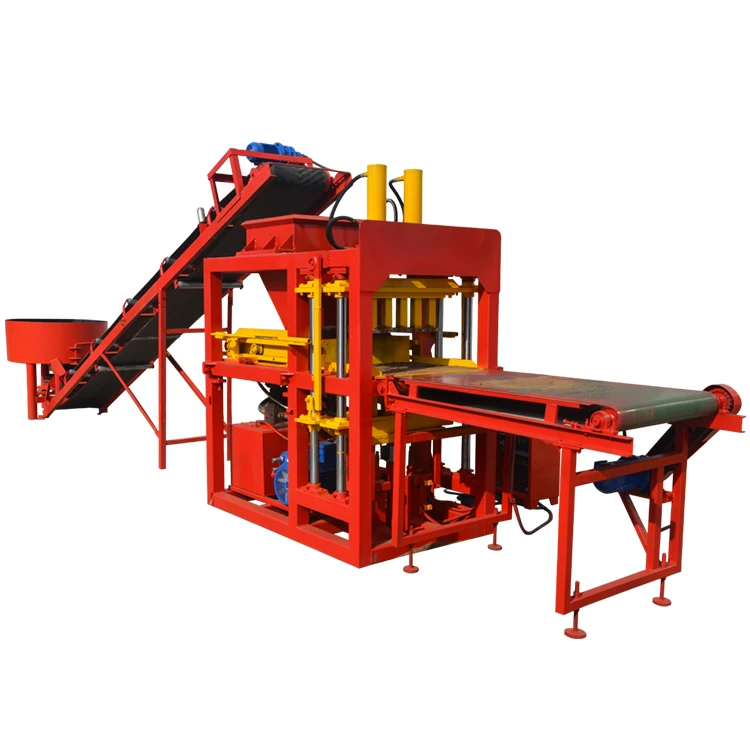
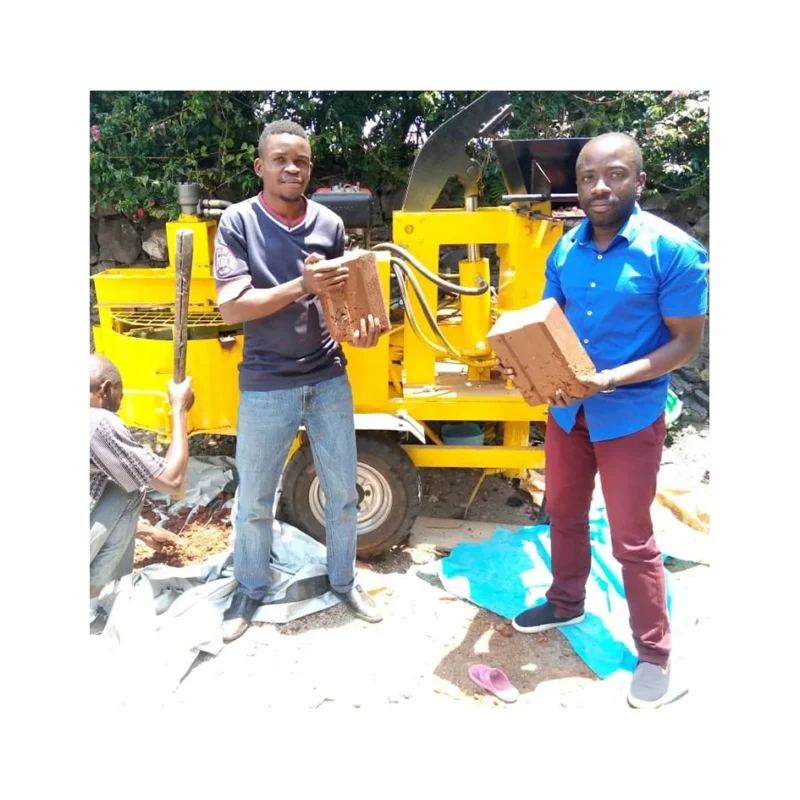
| Product Type | Hydraulic Interlocking Clay Block Making Machine |
| Hydraulic Pressure | 16 MPa |
| Molding Cycle | 15–20 s per format |
| Engine | Diesel Engine |
| Output Capacity | 1600 pcs / 8 hr (basis: 300×150×100 mm interlocking block, 1 pc/mould, 20 s cycle) |
| Alternative Output Claim | 2200 pcs/day (basis not stated in source) |
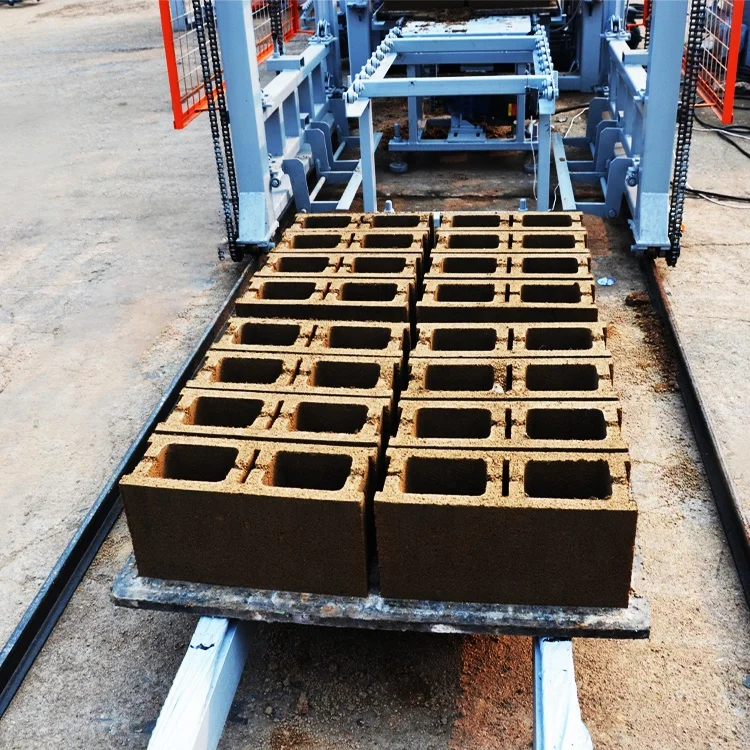
| Mould Format | Interlocking block (multiple formats via mould change) |
| Raw Materials | Clay, soil, earth, mud, concrete |
| Overall Dimensions (L×W×H) | 3200 × 1100 × 1500 mm |
| Net Weight | 1100 kg |
| Power Source | Diesel (suitable for sites without electricity) |
| Automation Level | Manual / semi-automatic (PLC upgrade path available) |
| Voltage & Frequency | N/A (diesel-powered main press) |
Application Suitability
| Application | Material or Output |
|---|---|
| On-site housing projects without grid power | Clay, soil, earth, mud |
| Small-scale interlocking block production | Local aggregate mixed with cement or lime |
| Rural development and infrastructure builds | Concrete blends for interlocking profiles |
| First-plant entrepreneur setups | Semi-automatic start with defined automation upgrade |
Why "1600 Blocks a Day" Often Disappoints on Arrival
Capacity only means something when the block format, mould cavity count, and cycle time are all stated together.
I have watched contractors in remote project sites stare at a silent machine because the capacity figure on the quote assumed a block size their market does not buy. An automatic M7MI interlocking clay block machine rated at 1600 pieces per eight hours is only producing that volume if you are running 300×150×100 mm interlocking blocks at a 20-second cycle with one piece per mould [NEED_CITE: block machine capacity calculation standards]. Switch to a larger format or a different interlocking profile and the daily count drops accordingly. The honest approach is to receive a capacity sheet that names the exact format assumed, so you can plan your curing area and logistics around a real number rather than a brochure promise.
PLC Control and the Automation Upgrade Path
The M7MI ships as a diesel-powered hydraulic press with manual or semi-automatic operation, which suits project sites where electricity is unreliable. For buyers planning to scale, the automation level is selectable. A PLC controlled interlocking block machine configuration can be added later to manage batching accuracy, pallet feeding sequences, and stacking logic. This upgrade path means you do not over-invest on day one, but you also do not paint yourself into a manual-only corner when production volume grows.
Matching the Control System to Your Operator
When you add PLC control to the line, the display language and electrical auxiliaries must be confirmed before the machine leaves the factory. An automatic M7MI interlocking clay block machine running a PLC interface in a language the local operator cannot read creates the same commissioning delays as a wrong voltage [NEED_CITE: PLC display language requirements for export machinery]. The auxiliary equipment in the line — mixer, conveyor, pallet feeder — may require specific voltage and frequency even though the main press runs on diesel. Confirming these details upfront avoids weeks of idle time after arrival.
What 16 MPa Hydraulic Pressure Actually Means for Block Strength
Hydraulic pressure alone does not guarantee dense, strong interlocking blocks. The 16 MPa rating on the M7MI must be evaluated against your specific clay or soil mix design. A high-clay material with significant plasticity behaves differently under compression than a sandy loam with lower moisture content. The vibration force and pressure must work together to consolidate the mix into the mould cavity without trapping air or creating weak laminations. This is why sending a soil sample for testing before configuration matters more than comparing pressure numbers across different machines [NEED_CITE: hydraulic pressure and vibration force matching in block production]. The mould cavity count and cycle time then determine whether that well-consolidated block comes out fast enough to meet your daily target.
The Cost of Skipping the Soil Test
I spent five days on a site in Colombia re-tuning a hydraulic interlocking press because the local red clay had far higher viscosity than the material used during factory testing. The machine was not broken — it was simply configured for a mix that did not exist in that region. When the hydraulic pressure and vibration frequency are not matched to your actual raw material, block strength varies from batch to batch, interlocking profiles do not seat properly, and daily output falls well below the quoted figure [NEED_CITE: effects of aggregate variation on block machine output]. Testing your soil or clay sample before the machine is built eliminates this entire category of problem.
Why Source the M7MI Through This Line
Block machinery is the single focus here, which means the press, mould, pallet, and handling equipment are specified as one matched system rather than assembled from unrelated suppliers. The configuration is set against your actual mix design and target block format, not pulled from a catalogue default. Mould design covers the interlocking profiles your market actually sells, including custom drawings when standard formats do not match local building codes. The automation level is selectable, so a buyer can begin with semi-automatic operation and add PLC-controlled batching and stacking when volume justifies the investment. Installation support includes operator training on the specific controls and hydraulic maintenance intervals your machine requires.
Documentation & Verification
- Capacity calculation sheet naming the exact interlocking block format, mould cavity count, and cycle time assumed
- Mould drawing and format list confirming interlocking profiles match your local building standards
- Factory test record run on your submitted soil or clay sample before dispatch
- Hydraulic and electrical schematic for the M7MI including diesel engine service points
- Operation and maintenance manual with diesel component service intervals and hydraulic fluid specifications
- Voltage and control language confirmation for any electric auxiliary equipment in the line
Installation, Commissioning & Support
- Site leveling and compacted base preparation for the 3200 × 1100 mm machine footprint
- Diesel fuel supply and filtration setup matched to the engine specification on the M7MI
- Mould installation and first-run parameter tuning against your local clay or soil mix
- Hydraulic system pressure verification at 16 MPa under actual production conditions
- Operator training on mould change procedure and cycle time management per block format
- Spare parts list covering hydraulic seals, diesel engine consumables, and mould wear components
What to Include in Your Inquiry
To configure the M7MI properly, share your target interlocking block format with dimensions, the daily output you need to sustain, and a representative sample of your local clay or soil. If the site has auxiliary equipment already in place — mixer, pallet system, curing racks — provide their specifications so the line can be balanced. For buyers considering the PLC upgrade path, specify your preferred control display language and the voltage and frequency available for electric auxiliaries.
Frequently Asked Questions
Q: How is daily output verified and what block format is the capacity based on?
A: The stated capacity of 1600 pieces per eight hours is based on a 300×150×100 mm interlocking block at one piece per mould with a 20-second cycle. Any alternative block format requires a separate capacity calculation that accounts for the new mould cavity count and cycle time. You receive this calculation sheet with your proposal so daily planning is based on your actual product, not a generic figure.
Q: What automation level does the M7MI ship with, and what is the upgrade path?
A: The M7MI ships as a manual or semi-automatic diesel-powered press. A PLC controlled interlocking block machine configuration can be added to manage batching, pallet feeding, and stacking as your production scales. The upgrade path is defined before purchase so mechanical and electrical interfaces are prepared during initial manufacturing, avoiding costly retrofits later.
Q: How is the hydraulic pressure matched to my local clay or soil mix?
A: You send a representative sample of your raw material before configuration. The 16 MPa hydraulic system is then tested against that specific mix to verify block density, interlocking profile accuracy, and demoulding behavior. Vibration frequency is adjusted alongside pressure to ensure consistent consolidation without air traps or weak lamination lines.
Q: What control system language and electrical auxiliaries need confirming before shipment?
A: While the main press runs on diesel, auxiliary equipment like mixers and conveyors may require specific voltage and frequency. The PLC display language must also be confirmed so your operators can read the interface. These details are finalized during the proposal stage to prevent commissioning delays caused by electrical mismatch or unreadable control screens.
Q: How long does a mould change take, and how many formats can one machine produce?
A: Mould change time depends on the interlocking profile complexity and whether the machine is running manual or semi-automatic configuration. The M7MI supports multiple interlocking block formats through mould swaps, and the format list is confirmed during proposal to ensure each profile matches your market demand. Custom mould designs are available when standard formats do not meet local building requirements.