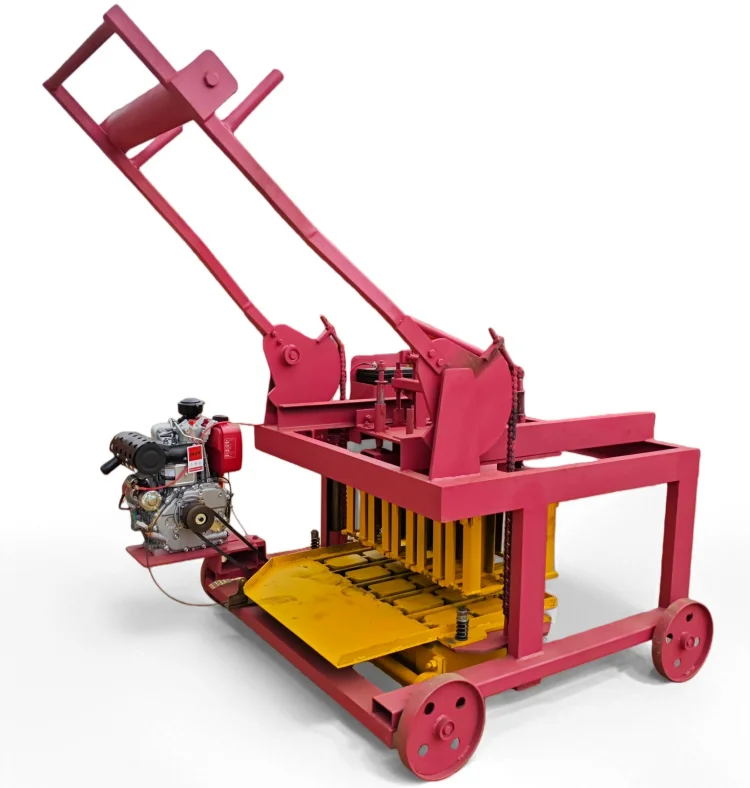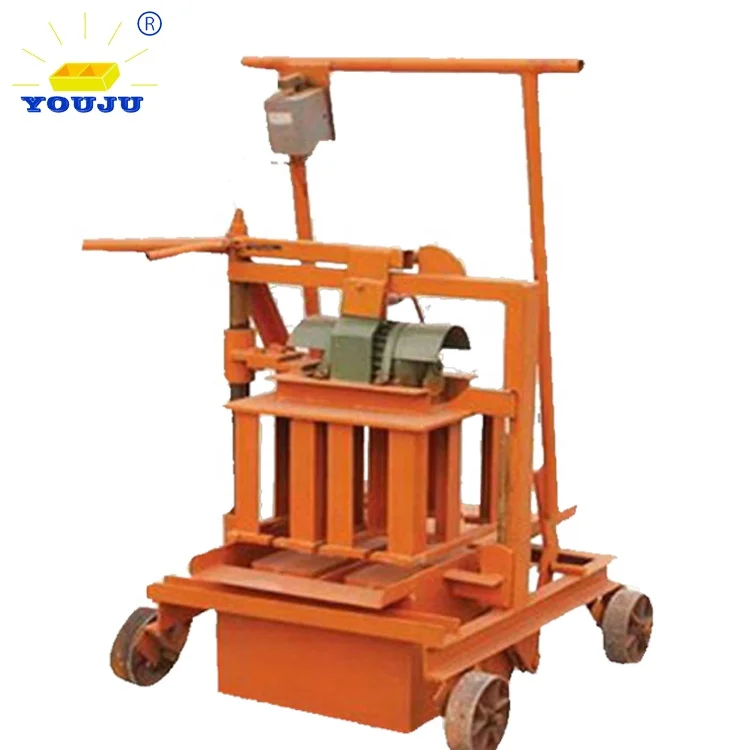
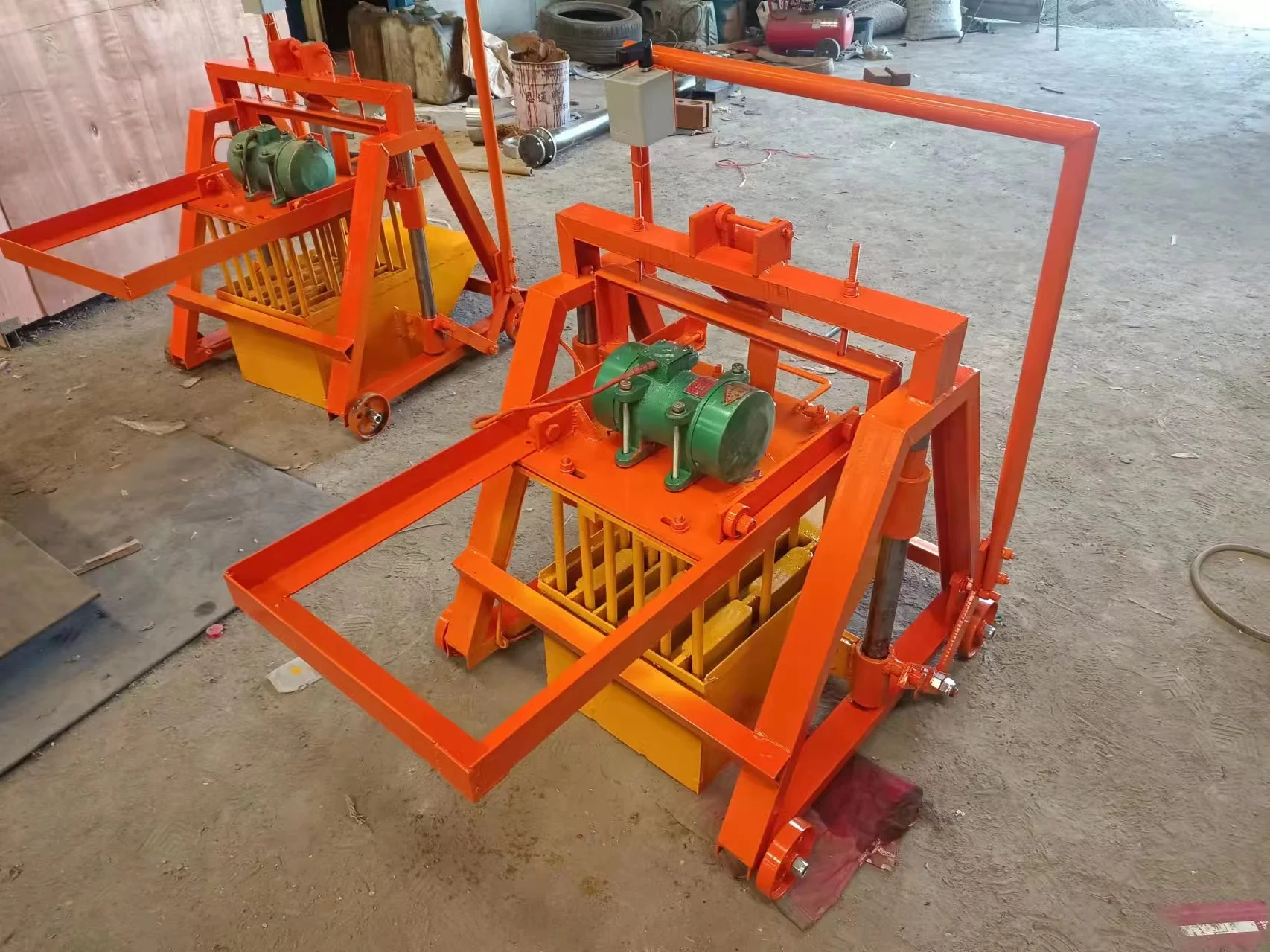
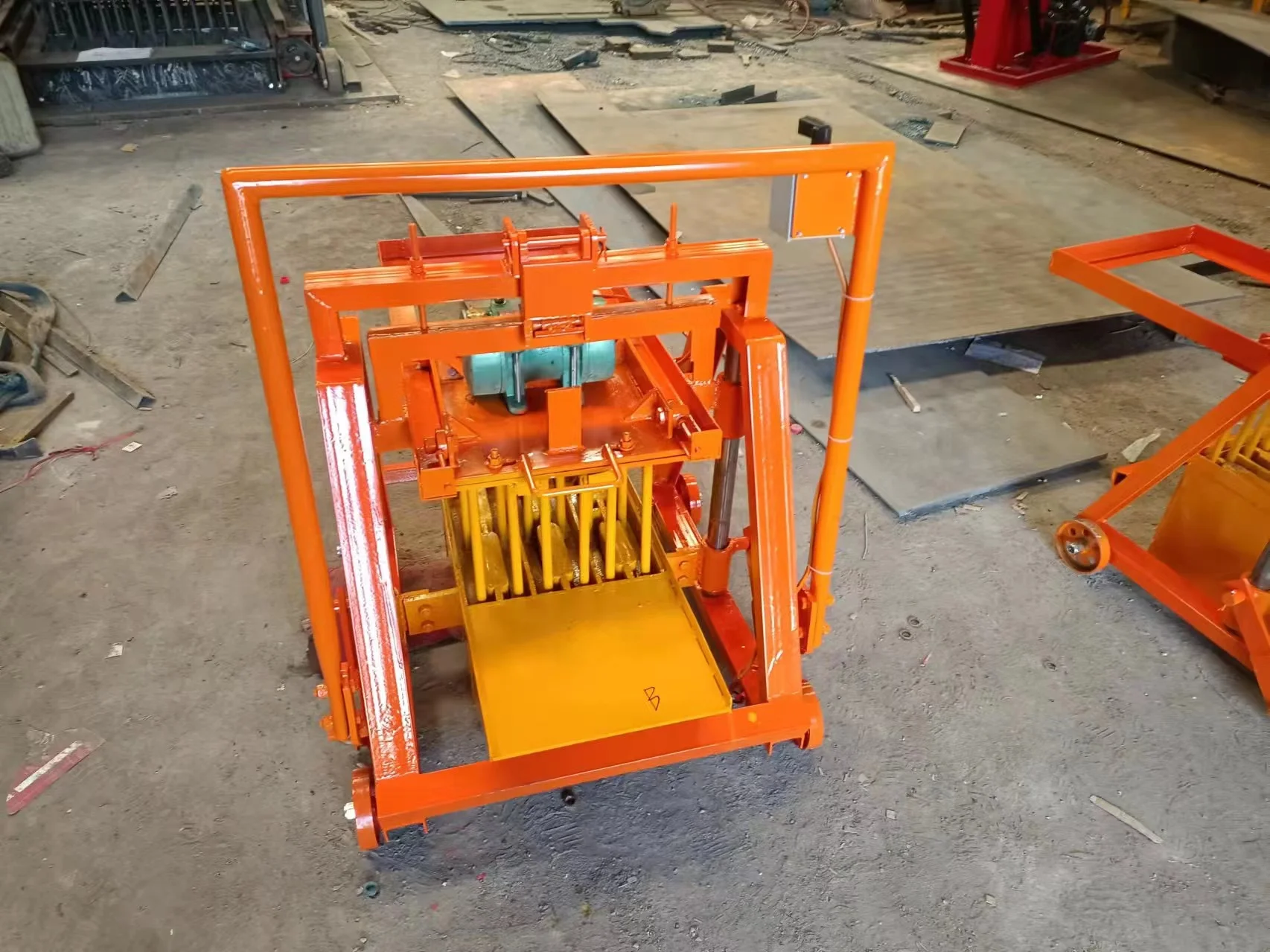
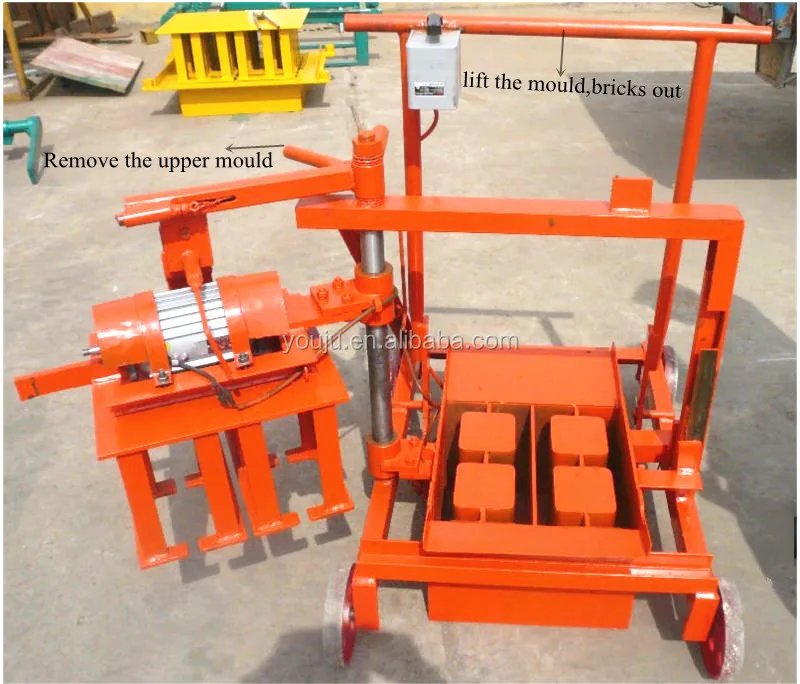
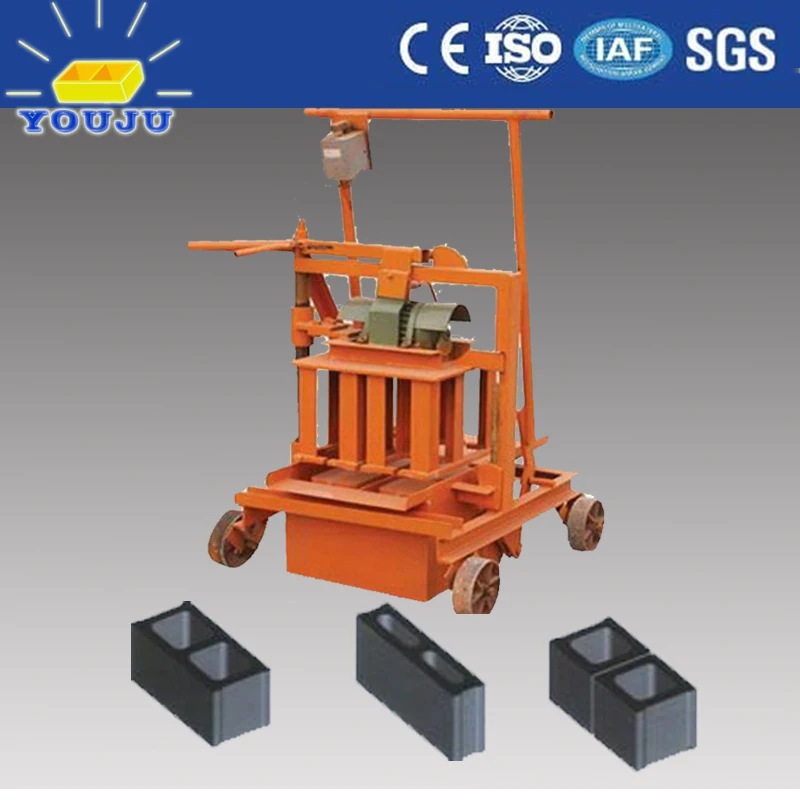
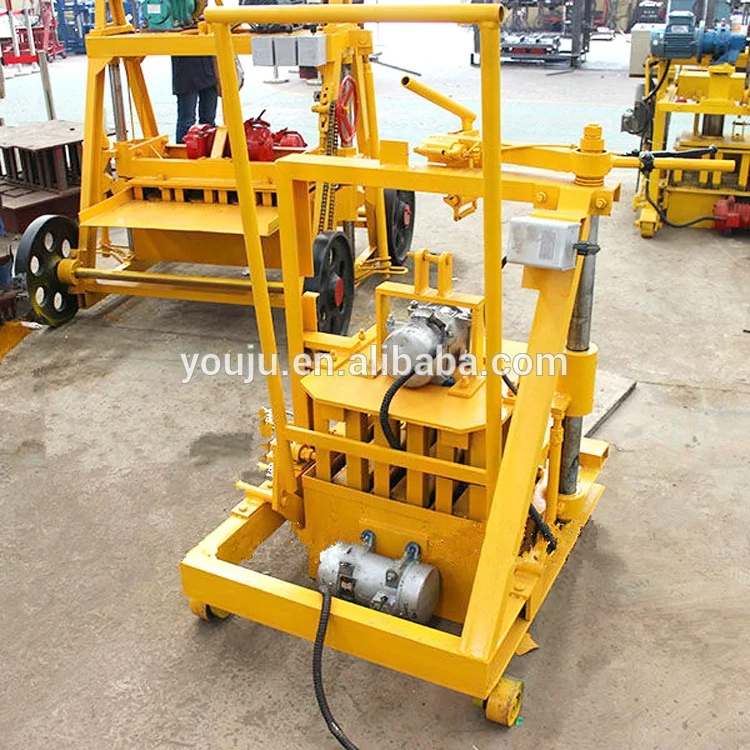
Description
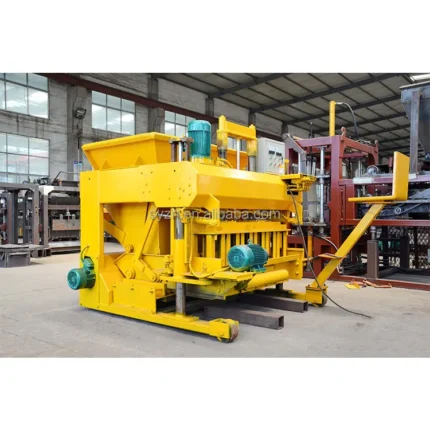
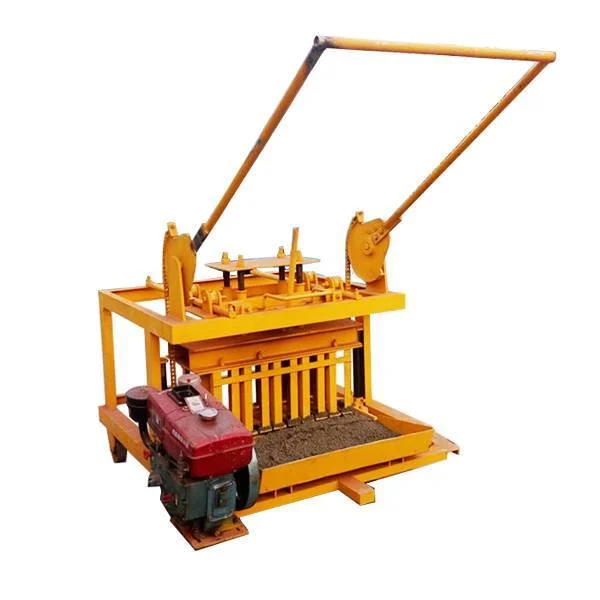
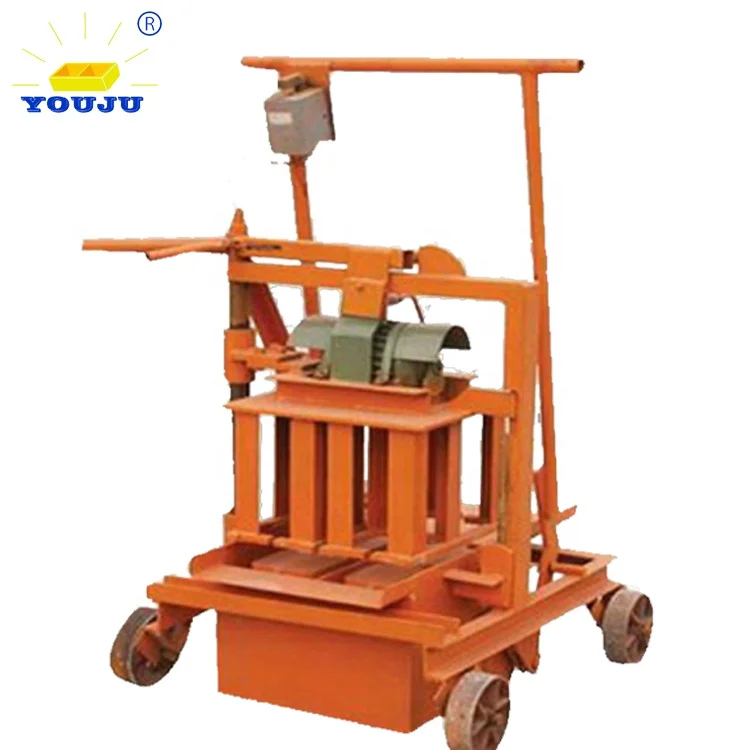
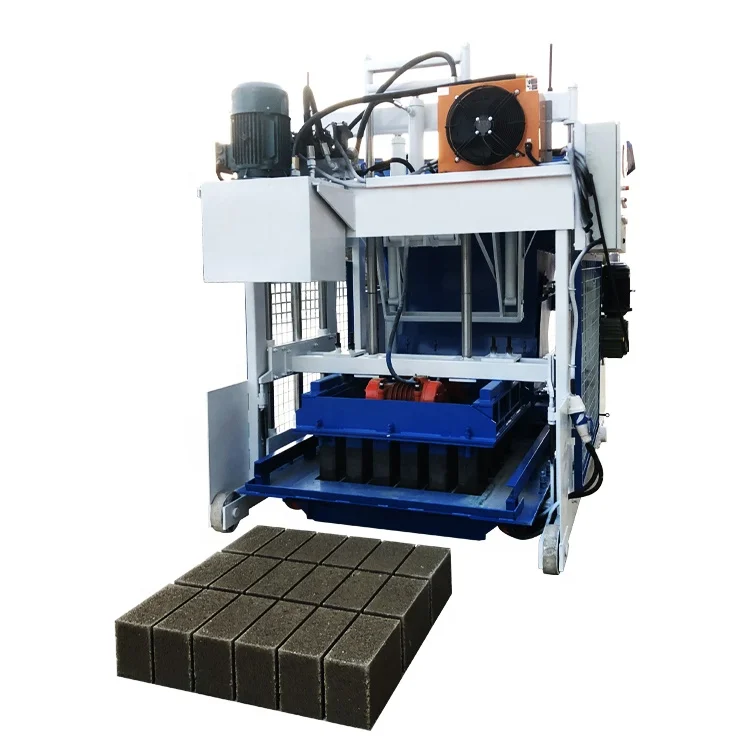
Single-focus block machinery supply — the QMJ2-45 is configured as a matched manual egg-laying system with a clear upgrade path toward controlled production, not a catalogue default.
Technical Specifications
| Parameter | Value |
|---|---|
| Model | QMJ2-45 |
| Product Type | Mobile Concrete Block Making Machine |
| Machine Operation | Hand-pushed, egg-laying (pallet-less) |
| Mould Compatibility | Interchangeable hollow brick moulds |
| Cycle Time | 25–30 s (basis not stated in source — confirm block format / material / thickness) |
| Output (400×200×200 mm) | 2 pcs/mould, 160 pcs/h, 1,280 pcs/8 hr |
| Output (400×150×200 mm) | 3 pcs/mould, 240 pcs/h, 4,800 pcs/8 hr (source value — verify against manufacturer catalog) |
| Output (400×100×200 mm) | 4 pcs/mould, 320 pcs/h, 2,560 pcs/8 hr |
| Power Source | Electric |
| Labour Requirement | 1–3 workers |
| Pallet Requirement | None |
| Automation Level | Manual |
| Certification | ISO9001:2000 / CE |
Application Suitability
| Application | Material or Output |
|---|---|
| On-site housing project production | Hollow bricks from local crushed stone and cement |
| First plant for entrepreneurs | Low-investment hollow block manufacturing without a fixed factory |
| Supplementary site production | Multiple hollow brick formats via mould change |
| Contractor self-supply | On-site blocks where transport from a central plant is impractical |
What "1,280 Blocks a Day" Actually Means on the Ground
A capacity figure is only as honest as the format and mix it was measured against.
Every small producer I have visited in Latin America has a story about a machine that never hit the brochure number. With a hand-pushed automatic mobile block machine like the QMJ2-45, the gap usually comes down to three things: which hollow brick size you are running, whether your local aggregate matches the mix the machine was tested on, and how fast your crew can keep the hopper fed. [NEED_CITE: concrete block capacity calculation standards by format]
The 1,280 pcs/8 hr figure applies specifically to a 400×200×200 mm hollow brick. Switch to the 400×100×200 mm format and the per-cycle output doubles, but the handling rhythm changes entirely. If the quotation you received quotes a single number without stating the format, ask for the breakdown before you commit.
From Manual Egg-Laying to Consistent Cycle Control
The QMJ2-45 starts life as a purely hand-pushed, pallet-less machine. Blocks are laid directly on the ground, which eliminates pallet cost but places every consistency variable — vibration duration, forward speed, hopper feed — in the operator’s hands. For a producer planning to grow, this is the baseline to measure against.
As volume demands increase, the logical PLC controlled mobile block making machine upgrade path introduces consistent cycle timing and batching accuracy, removing the operator variance that causes block-to-block strength differences.
Where Consistency Breaks Down Without Automation
Block strength inconsistency on manual egg-laying machines rarely shows up in the first hundred pieces. It surfaces in the third hour, when the operator shortens the vibration dwell to keep up with the mixer output. On a project site in Ecuador, I watched a crew produce hollow bricks that passed a drop test in the morning and fractured at the curing rack by afternoon. [NEED_CITE: manual versus controlled vibration effect on block compressive strength]
A controlled system removes this drift by locking the vibration duration and feed volume per cycle, regardless of crew fatigue or shift changes.
Reading the QMJ2-45 Spec Sheet for Real Decisions
The 25–30 second cycle time is the centre of the capacity calculation, but it must be confirmed against your specific hollow brick wall thickness and local aggregate gradation. A thinner-walled 400×100×200 mm block may compact faster than a 400×200×200 mm unit, yet require more careful handling during the egg-laying drop to avoid corner damage.
The 1–3 worker labour requirement assumes one operator on the handlebars, one feeding the hopper, and one managing mix delivery. If your mixer is undersized or positioned too far from the working face, that third worker becomes a bottleneck rather than a helper. The pallet-less design means your curing area must be level, clean, and directly adjacent to the production path — a constraint that shapes site layout before the machine arrives.
The Cost of Skipping the Control Conversation
Producers who buy a manual mobile unit without discussing the automation upgrade path often find themselves replacing the entire machine two years later instead of adding a control layer. The hidden expense is not the second purchase — it is the inconsistent block inventory, the rejected deliveries, and the crew retraining that accumulates in between. [NEED_CITE: equipment replacement cost versus automation retrofit in block production]
Specifying voltage, frequency, and any future PLC display language at the first order avoids a commissioning delay that can stall a project deadline by weeks.
Why Procurement Here Fits the Upgrade Plan
Block machinery is the single focus, so the QMJ2-45 is not assembled from mismatched supplier components — the machine frame, mould, and handling rhythm are specified as one system. Configuration is set against your actual mix design and local aggregate, not a catalogue default that assumes materials you cannot source.
Mould design covers the hollow brick formats your market actually buys, and the automation level is selectable, meaning you can commission the machine in manual egg-laying mode today and integrate PLC-controlled batching and vibration timing as your output grows. Installation support includes operator training that addresses the specific pallet-less workflow, and wear parts availability is confirmed before the machine ships rather than after the first breakdown.
Documentation & Verification
- Capacity calculation sheet stating the hollow brick format assumed for each output tier
- Mould drawing and format list for every interchangeable hollow brick included
- Voltage, frequency and any control display language confirmation before production
- Factory test record on your specified block format before dispatch
- Operation and maintenance manual with pallet-less curing procedure
Installation, Commissioning & Support
- Level ground preparation for pallet-less egg-laying path, matched to machine hand-push width
- Electrical supply verified against specified voltage and frequency before commissioning begins
- Mould interchange procedure demonstrated on-site with your target hollow brick formats
- Operator training covers vibration dwell, hopper feed rhythm and manual pace consistency
- Wear parts list for mould and mechanical components supplied with first shipment
- Curing area layout guidance to match daily output and block format in production
What to Include in Your First Enquiry
To size this automatic mobile block machine correctly, share the hollow brick formats your market demands, the daily output you need per format, and the local aggregate and cement type available on your site. Specify your site voltage and frequency, the curing area dimensions you have planned, and whether you intend to start in full manual mode or want the PLC control upgrade path defined from the first order.
Frequently Asked Questions
Q: How is realistic daily output verified per block format?
A: Output is calculated per specific hollow brick dimension — 1,280 pcs/8 hr applies to the 400×200×200 mm format. Verification requires confirming your mix design, local aggregate, and cycle time under your actual production conditions before the capacity figure is locked into the line layout.
Q: What automation upgrade path exists from this manual machine?
A: The PLC controlled mobile block making machine path typically adds controlled vibration timing, batching accuracy, and consistent cycle duration. This removes operator variance and is specified at initial order so the machine frame and electrical system accept the control layer without full replacement.
Q: Which voltage and frequency configurations are available?
A: Voltage and frequency are confirmed against your target market before production. This must be settled during the quotation stage, along with any control display language requirement, to prevent commissioning delays when the machine arrives on your site.
Q: How does the pallet-less design affect block curing?
A: Egg-laying directly on the ground eliminates pallet cost but requires a level, clean curing surface adjacent to the production path. Block strength uniformity depends on consistent ground conditions and protection from early-stage moisture loss across the entire curing area.
Q: What does a mould change involve on this machine?
A: The mould is physically unbolted and swapped for another hollow brick format within the same machine frame. The time this consumes per shift must be clarified against your production schedule before committing to multiple format changes within a single working day.