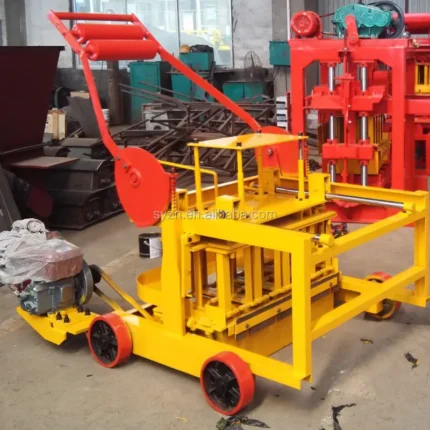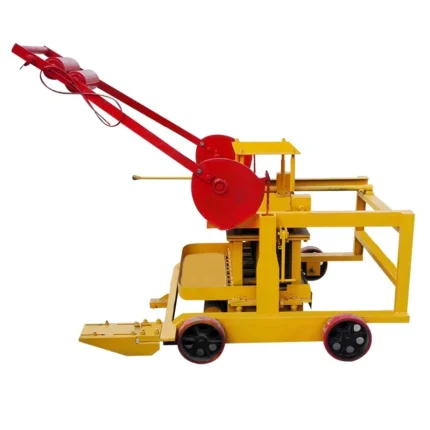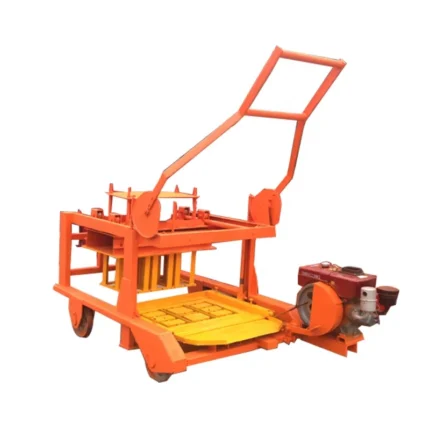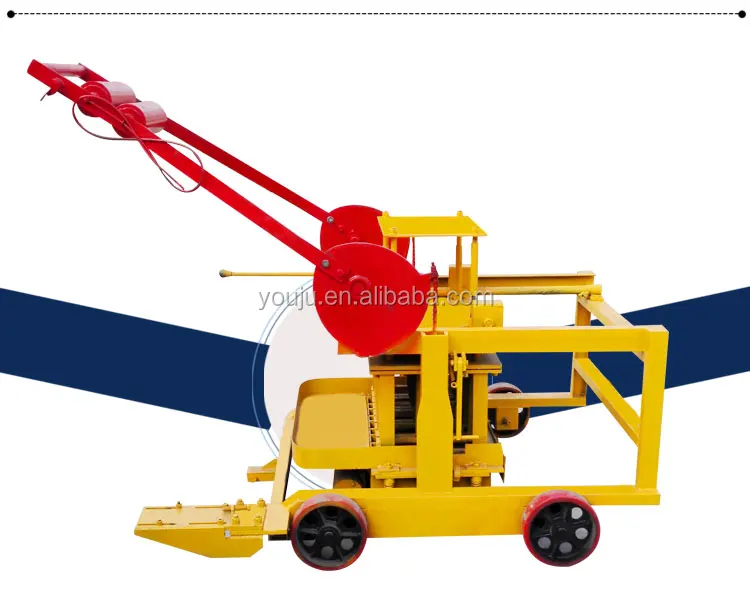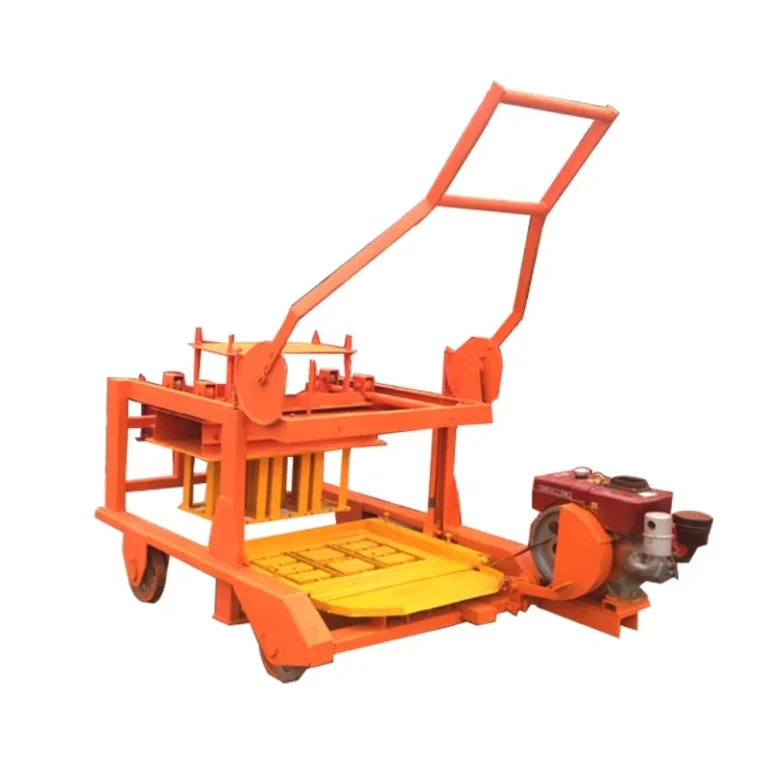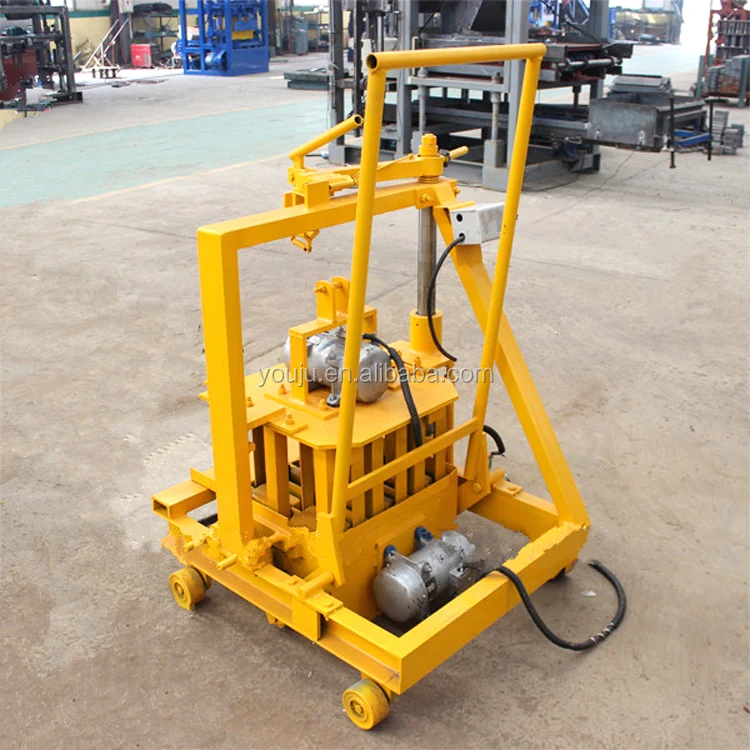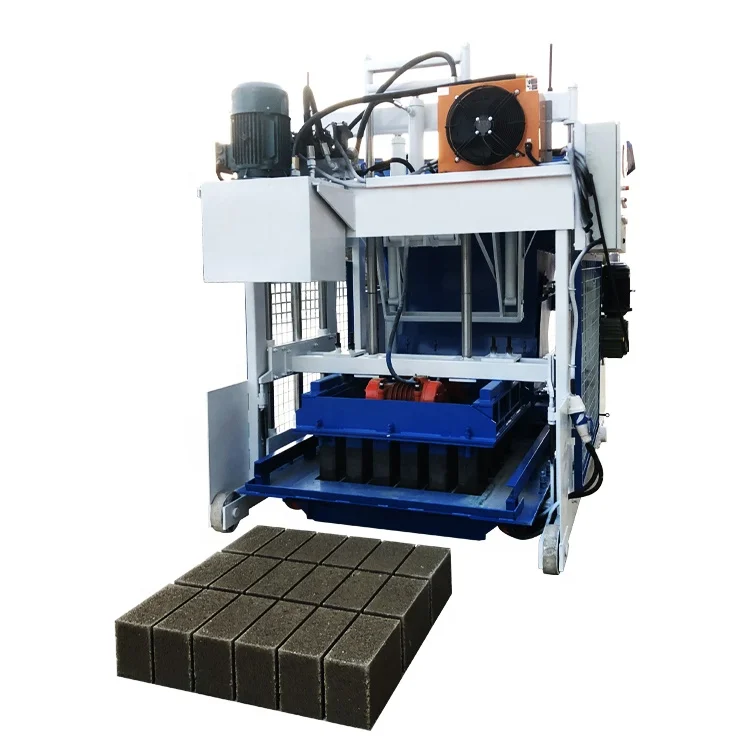
Description
Matched System Design — the QMY18-15 mobile block machine is configured with its hydraulic station, PLC cabinet and mould set as one verified unit, so what arrives on site runs as the factory test showed.
Technical Specifications
| Parameter | Value |
|---|---|
| Model | QMY18-15 |
| Product Type | Mobile Egg Laying Block Making Machine |
| Rated Power | 24 kW |
| Voltage & Frequency | Configurable to site supply (basis to be confirmed) |
| Control System | PLC |
| Output Capacity | 34,000 pcs per shift based on 400×200×200mm hollow block (smaller formats yield higher counts) |
| Working Method | Hydraulic |
| Pallet Requirement | None — egg laying directly on ground |
| Mould Format | Customizable to buyer requirement |
| Automation Level | PLC controlled with reduced manual operation |
Application Suitability
| Application | Material or Output |
|---|---|
| On-site hollow block production for housing projects | Cement, crushed stone, sand and water mix laid on compacted ground |
| Contractor self-supply of solid blocks at remote sites | Local aggregate with cement binder, no fixed plant needed |
| Entrepreneur start-up producing paving and kerb formats | Interlocking and paving block moulds on prepared concrete floor |
| Development project mobile production across multiple locations | Egg laying method allows relocation between site zones |
Why the Voltage Question Must Come Before the Price Tag
A QMY18-15 automatic mobile block machine PLC controlled unit that cannot start on arrival is a very expensive static object.
I spent weeks on a project where a mobile egg layer sat under tarpaulin because the site generator delivered a voltage the motor was never wound for. The buyer had compared quotations on cycle time and mould count but never once discussed what came out of the wall socket. Electrical mismatch remains one of the most common reasons block machines sit idle after ocean freight [NEED_CITE: common causes of commissioning delays in exported machinery]. The QMY18-15 draws 24 kW at start-up peak, meaning the supply must be verified for both steady-state voltage and inrush capacity before the PLC cabinet is wired.
Removing Pallet Logistics from the Production Loop
The egg laying principle means the QMY18-15 deposits each block directly onto the ground and advances forward, leaving the product to cure in place. No pallets are purchased, no pallet return loop is managed, and no forklift is tied up moving racks to a curing yard. For a contractor who already struggles to keep site vehicles available, the automatic mobile block machine PLC controlled configuration removes an entire material-handling chain that a fixed press would demand.
PLC Consistency Across Operator Shifts
On a construction site the person running the block machine this week may not be the same person running it next month. The PLC stores cycle parameters — vibration duration, hydraulic dwell, feed timing — so that block density does not drift when the operator changes. An automatic mobile block machine PLC controlled setup means the recipe stays locked regardless of who presses the start button, and the display language can be confirmed before the machine leaves the factory [NEED_CITE: PLC programming and language options for export machinery].
What the Pressure and Vibration Numbers Actually Mean
The hydraulic station pushes the mould head down while the vibration table shakes the mix into the cavity. Block strength comes from the combination: vibration settles the aggregate, and hydraulic pressure compacts it. If pressure is too low for the mix stiffness, the block cracks on ejection; if vibration is too long, the cement paste segregates. The QMY18-15 runs a PLC-timed cycle so these two forces hold constant from the first block of the morning to the last, which matters more on a remote site where nobody is watching a pressure gauge every ten minutes.
The Cost of Skipping Ground Preparation
Egg laying looks simple until you see it on soft soil. Every dip in the ground becomes a tilted block, and a tilted hollow block will not pass a site inspector’s level check. Buyers who skip a compacted gravel base end up spending more on rejected product than they saved by avoiding pallets. The QMY18-15 travels on its own wheels, but the surface it lays on must still be firm, level and drained [NEED_CITE: site preparation standards for mobile block production].
Why Buyers Choose This Configuration
Machine, mould and PLC are specified together rather than assembled from three different suppliers, so the control logic matches the hydraulic valves actually installed. The mould is built to the format the local market buys — not a catalogue default that ships fast but sells slow. Voltage and PLC display language are confirmed in writing before production starts, avoiding the three-week transformer wait that I have watched happen more than once. Factory testing runs the exact block format the buyer ordered, not a generic test block, so the cycle time figure on the test record is the cycle time the buyer will see on site.
Documentation & Verification
- Line layout drawing showing turning radius and laying path on your site plan
- Machine specification sheet listing confirmed voltage, frequency and PLC language
- Mould drawing and format list matching your local block dimensions
- Factory test record running your target block format with hydraulic pressure logged
- Operation and maintenance manual in your confirmed display language
Installation, Commissioning & Support
- Level compacted gravel base required across the full laying path before arrival
- 24 kW supply verified for voltage and frequency before PLC cabinet wiring
- Machine ships dismantled to container width and reassembled on site rails
- First production run supervised until PLC cycle matches your mix design
- Operator training covers mould change, daily hydraulic check and PLC parameter lock
- Wear parts list includes mould liner, vibration springs and hydraulic seals
What to Include in Your Inquiry
Provide your target block format with exact dimensions, the daily output you need in that format, the voltage and frequency at your site panel, and the PLC display language your operators read. If you have existing mix proportions or a local aggregate sample, share the sieve analysis so the hydraulic pressure can be set before the machine leaves the factory.
Frequently Asked Questions
Q: How is the 34,000 pcs per shift figure calculated and which block does it assume?
A: That figure assumes continuous production of 400×200×200mm hollow blocks across a standard shift. Smaller formats such as interlocking pavers complete each cycle faster and will show a higher piece count. We state capacity against the exact format you order so the number on your quotation matches what you see on site.
Q: What voltage and PLC language options are available?
A: Voltage and frequency are confirmed against your site supply before the motor and transformer are sourced. PLC display language is agreed in writing during the order stage. This avoids the situation where a machine arrives and sits waiting for an electrical contractor or a language patch.
Q: How does egg laying affect curing and ground preparation?
A: Blocks cure in place on the ground, so the laying surface must be compacted gravel or a concrete slab — soft soil causes tilting and rejection. Curing water is applied directly to the standing blocks. You need enough clear ground length for one full shift of output before the machine loops back.
Q: Can the mould be changed on site and how long does it take?
A: The mould is bolted to the machine frame and can be swapped with standard hand tools. A trained operator completes a format change within a working shift segment, which keeps the machine flexible when a site requires both hollow blocks and solid pavers during the same project phase.