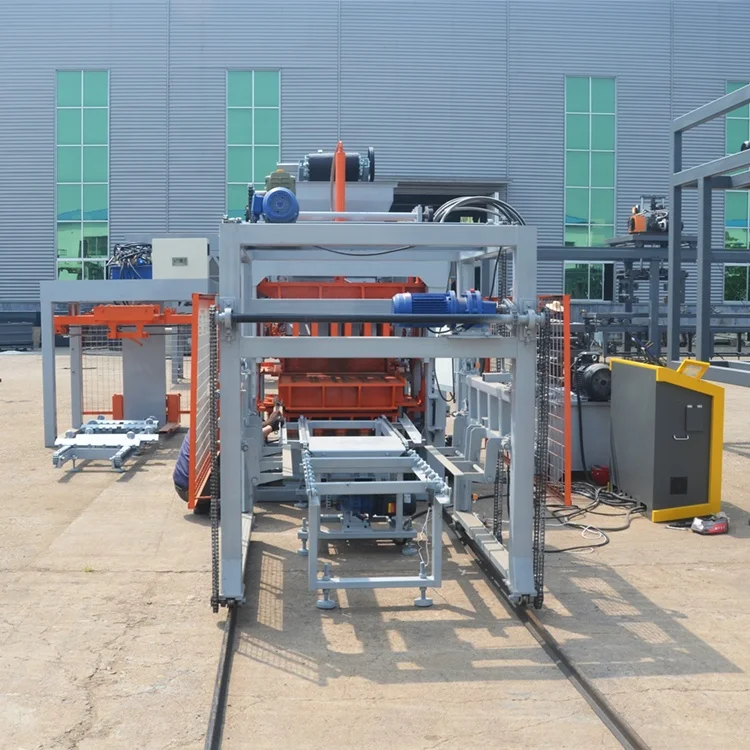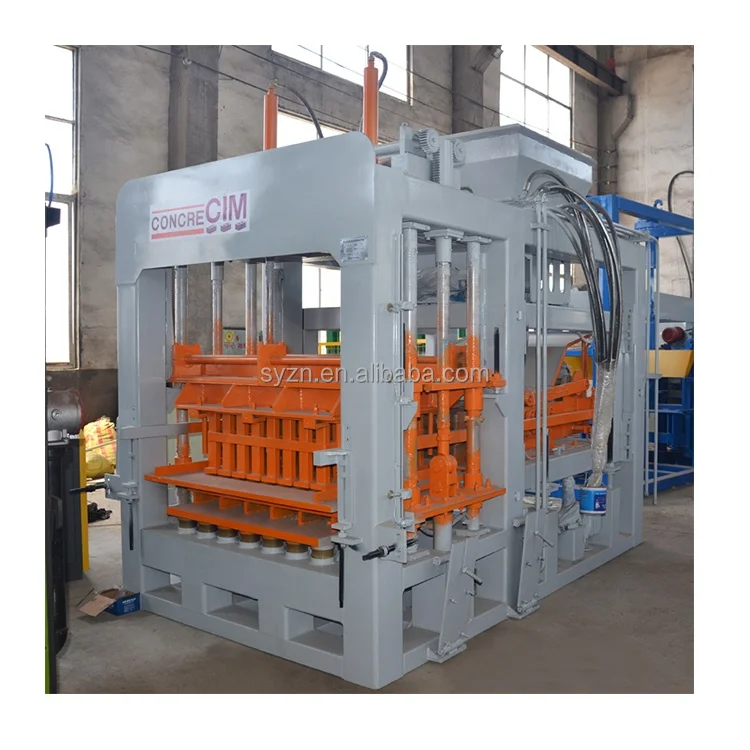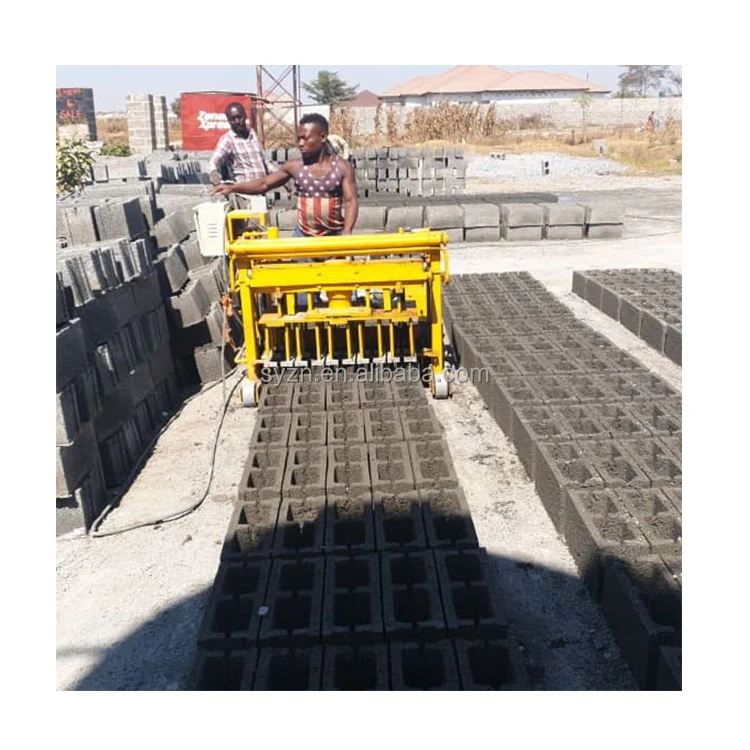
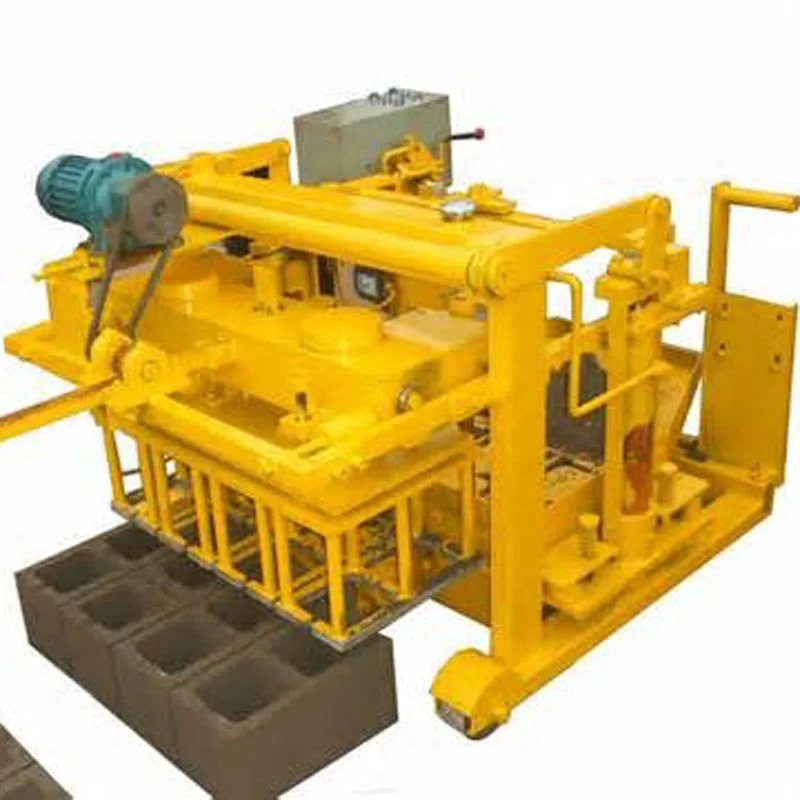
Description
Single-Focus Machinery Alignment — Every QMY4-30 unit ships with its mould, pallet spec, and handling layout verified against one supplier’s matched system rather than assembled from separate sources.
Technical Specifications
| Parameter | Value |
|---|---|
| Model | QMY4-30 |
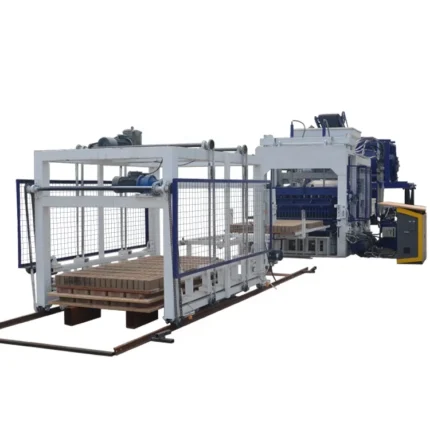
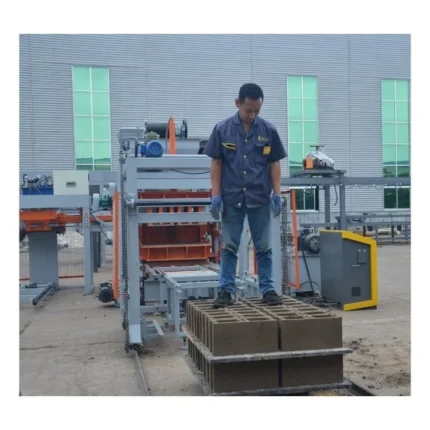
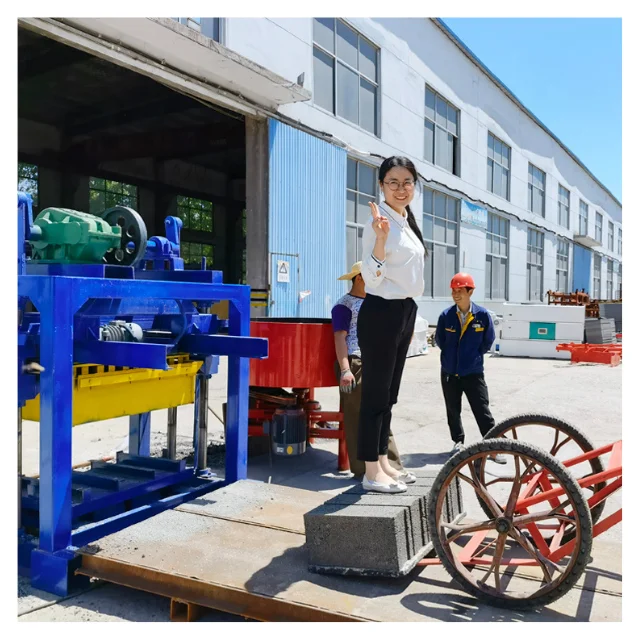
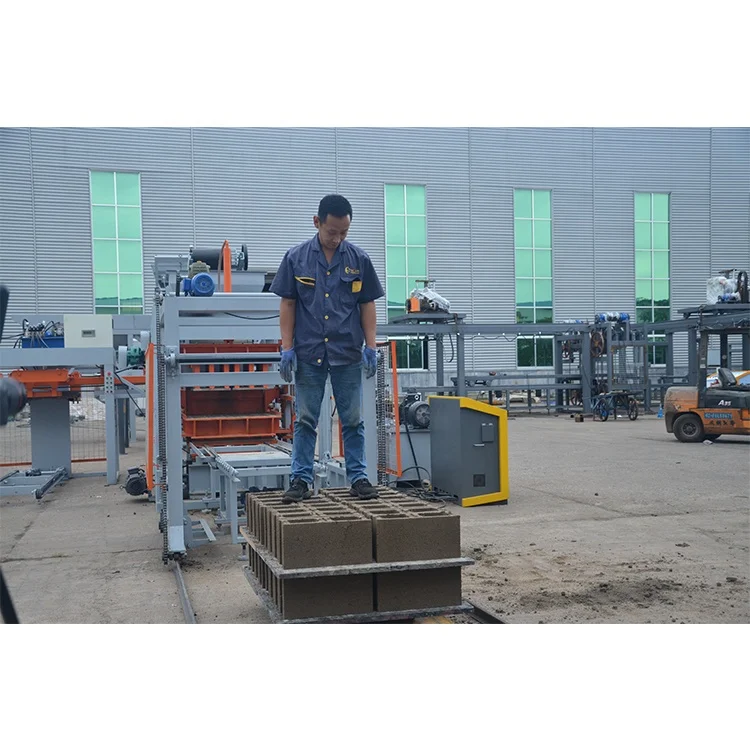
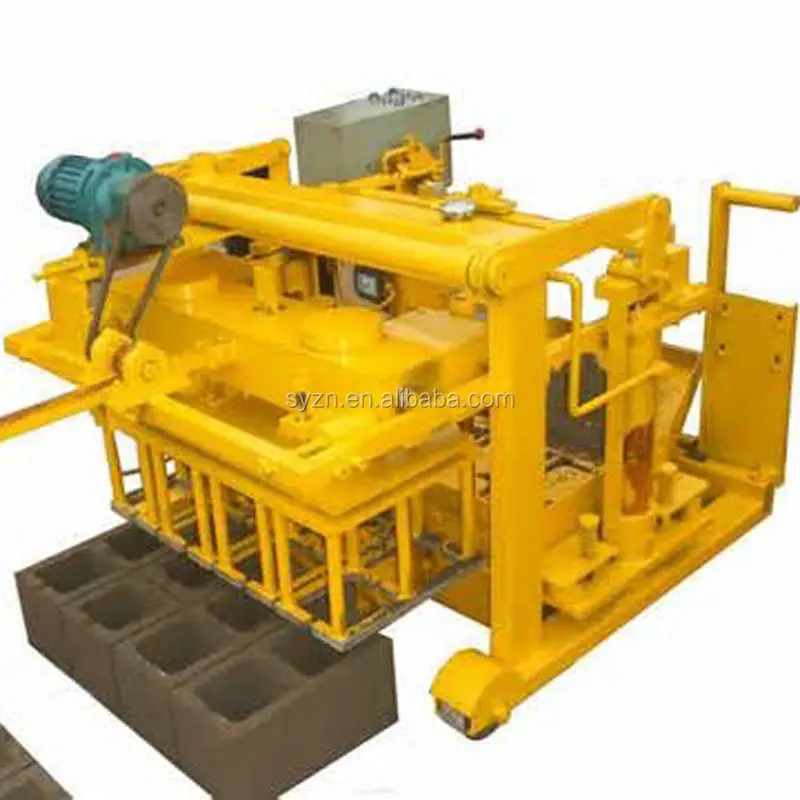
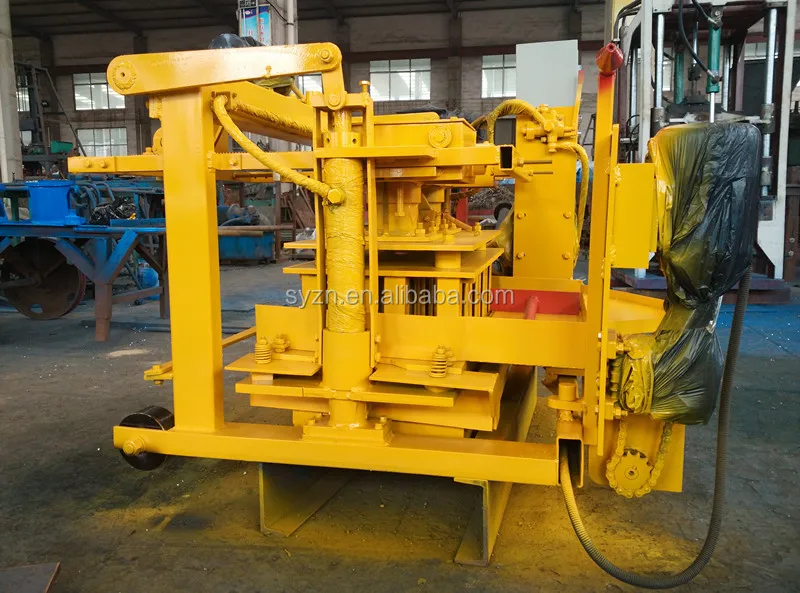
| Product Type | Mobile Concrete Block Making Machine |
| Overall Dimensions (L×W×H) | 1300 × 1500 × 1000 mm |
| Net Weight | 950 – 1000 kg |
| Vibration Method | Mold Vibration |
| Vibration Force | 28.6 kN |
| Vibration Frequency | 4500 r/min |
| Total Power | 5.95 kW |
| Molding Cycle | 30 s |
| Output Capacity | 3000 pcs/day (8 hours) (basis not stated in source — confirm block format / material / thickness) |
| Control System | Manual / Handle-operated (upgradable to PLC control) |
| Automation Level | Manual / Semi-automatic (configurable) |
| Raw Materials | Concrete, sand, cement, fly ash, lime, gypsum, stone dust, construction waste, slag, river sand |
| Mould Format | Customizable per buyer drawing |
Application Suitability
| Application | Material or Output |
|---|---|
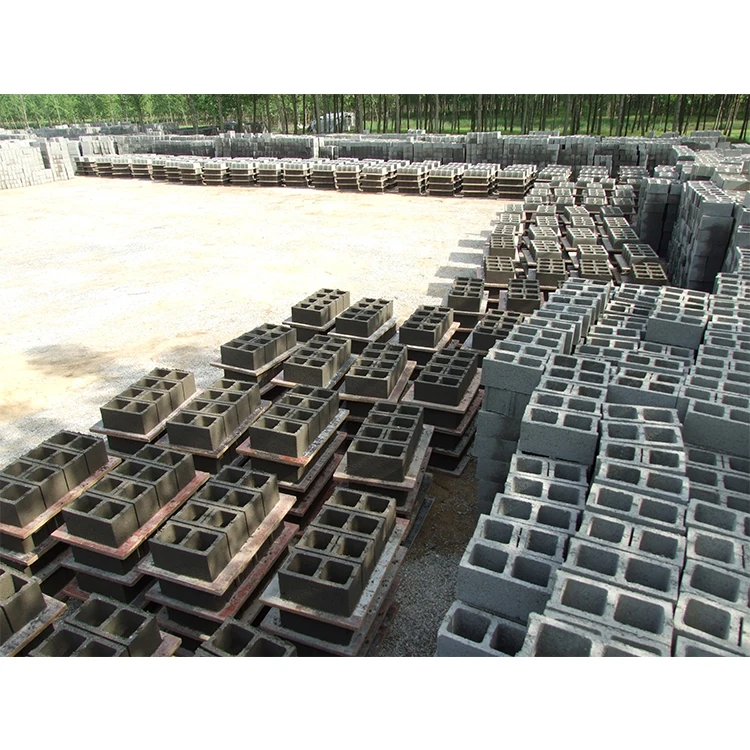
| On-site hollow and solid block production at remote construction zones | Crushed stone, river sand, and cement mixed on location |
| Paver and interlocking brick runs for housing developments | Stone dust, fly ash, and cement blends |
| Small-volume entrepreneur block plants | Sand, cement, and locally available aggregate including slag or mine tailings |
| Kerbstone and porous brick output for municipal contractors | Coarse aggregate and cement with adjusted moisture |
| Clay-control and coastal-area block production | Saline-resistant sand, cement, and lime additives |
Why the Control Configuration Must Match Your Shift Rhythm
An automatic QMY4-30 block machine only delivers consistent output when its control logic mirrors the pace of your pallet handling and curing area.
I once configured a mobile egg-laying unit for a West African project where the crew fed pallets by hand. The mould cycled every thirty seconds, but pallets arrived every forty-five. Within two days the operator was overriding the timer, and block density dropped across the batch. The machine was not faulty — the control station had not been told what the rest of the line could sustain [NEED_CITE: synchronization of cycle time and manual pallet feed in mobile block production]. That mismatch is what a PLC controlled mobile block making machine is designed to prevent.
How PLC Control Changes the Operator’s Day
When the QMY4-30 runs in manual handle-operated mode, one worker controls the mould descent, vibration start, and lift-off. A PLC controlled mobile block making machine shifts those actions into a timed sequence so the operator only loads raw material and removes finished blocks. The cycle repeatability tightens, and batch-to-batch density stays within a narrow band.
The Upgrade Path From Handle to Automation
Starting with manual operation keeps the initial investment contained for a first block plant. As demand grows, pallet feeding, stacking, and cubing modules can be added without replacing the press frame. The PLC controlled mobile block making machine architecture accepts these stations through additional I/O channels already wired in the control cabinet [NEED_CITE: modular I/O expansion in mobile block machine PLC cabinets]. This means the same QMY4-30 that began on a bare concrete slab can later run with an automatic pallet return conveyor.
Reading the Specs That Actually Shape Output
The 28.6 kN mould vibration force at 4500 r/min is the combination that compacts the mix inside the mould cavity. Too little force leaves voids; excessive frequency without matching amplitude causes surface cracking. The 30-second moulding cycle is the floor, not the ceiling — actual cycle time includes pallet placement and block extraction, which depend on the automation level chosen. Total power of 5.95 kW keeps the machine compatible with standard site generators, avoiding the need for a dedicated transformer at remote locations. The mould format is custom-built to buyer drawings, so a kerbstone cavity and a hollow block cavity can share the same vibration table, provided the mould change procedure is rehearsed before production starts.
What Happens When Voltage and Language Are Decided After Shipment
A buyer once received a semi-automatic press wired for 380 V/50 Hz while the local grid delivered 415 V/60 Hz. The motor ran hotter, vibration frequency drifted, and the PLC display defaulted to a language the operator could not read. Commissioning stalled until replacement contactors and a reprogrammed HMI arrived by air — a two-week delay on a project that had a four-week deadline. Confirming voltage, frequency, and display language before the QMY4-30 leaves the factory removes this bottleneck entirely [NEED_CITE: impact of voltage and frequency mismatch on vibration motor performance].
Why Procurement Here Differs
Block machinery is our single focus, so the QMY4-30 arrives with its mould, pallet, and handling equipment specified as one matched system. We set the vibration force and cycle parameters against the buyer’s actual mix design and local aggregate, not a catalogue default. Mould design covers the formats the buyer’s market sells, including custom drawings for non-standard interlocking profiles. Automation level is selectable, allowing a buyer to start with manual pallet handling and add automatic stacking later. Installation support includes on-site operator training that covers mould change drills and daily maintenance routines.
Documentation & Verification
- Capacity calculation stating which block format and material the QMY4-30 output figure assumes.
- Hydraulic and electrical schematic reflecting confirmed voltage and frequency for your site.
- Mould drawing and format list showing cavity count per block type.
- Factory test record run on the buyer’s specified mix proportions before dispatch.
- Wear parts and mould list with part numbers for first-year replacements.
Installation, Commissioning & Support
- Level compacted gravel or concrete slab sufficient for the QMY4-30’s 1000 kg operating weight and vibration load.
- Dedicated circuit matching confirmed voltage and frequency, sized for the 5.95 kW total power draw.
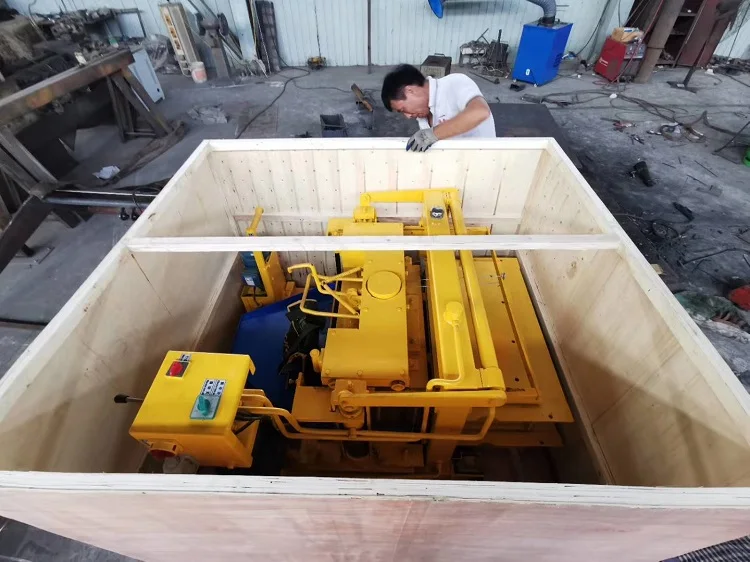
- Machine arrives partially assembled; mould table and handle linkage bolt on site.
- First-run commissioning includes vibration frequency verification and cycle timer calibration.
- Operator training covers manual and PLC modes plus emergency stop procedures.
- Wear parts kit ships with spare vibration springs and handle pivot bushings.
Preparing an Accurate Configuration Enquiry
To size the QMY4-30 correctly, share your target block format with dimensions, preferred local aggregate type, and the daily volume your curing area can absorb. Specify site voltage, frequency, and the control display language your operators read. If you plan to add automatic pallet feeding later, note the pallet size and forklift capacity you already use so the upgrade path is built into the initial layout.
Frequently Asked Questions
Q: How is the 3,000 pcs/day capacity verified for the QMY4-30?
A: That figure comes from an eight-hour run, but the source does not state which block format, wall thickness, or material blend was used. We provide a revised capacity calculation once you confirm your target block dimensions and mix, so the daily output matches your actual product rather than a generic reference size.
Q: What PLC control and language options are available?
A: The QMY4-30 can be supplied with a PLC panel programmed in English, French, Spanish, Arabic, or other requested languages. The HMI displays cycle timers, fault codes, and I/O status. We confirm the display language and button legends before production so operators can read every screen on day one.
Q: How do I move from manual handle operation to automatic pallet feeding?
A: The machine frame includes mounting points and pre-wired I/O channels for a pallet feeder and stacker. Adding these modules requires a PLC cabinet upgrade, a pallet return conveyor, and a stacking station. The press itself remains unchanged, protecting the initial investment while scaling output.
Q: Which voltage and frequency configurations does the QMY4-30 support?
A: Motors and control components can be configured for common export voltages and frequencies, including 220 V/60 Hz, 380 V/50 Hz, and 415 V/50 Hz. We verify the exact supply at your site before production to avoid motor overheating or vibration frequency drift during commissioning.
Q: How does the mould vibration system maintain consistent block strength?
A: The 28.6 kN exciting force at 4500 r/min compacts the concrete mix uniformly inside the mould cavity. Consistent density across batches depends on matching vibration duration to the mix moisture and aggregate size. The PLC mode locks the vibration timer, removing manual variation and keeping strength within the specified range.