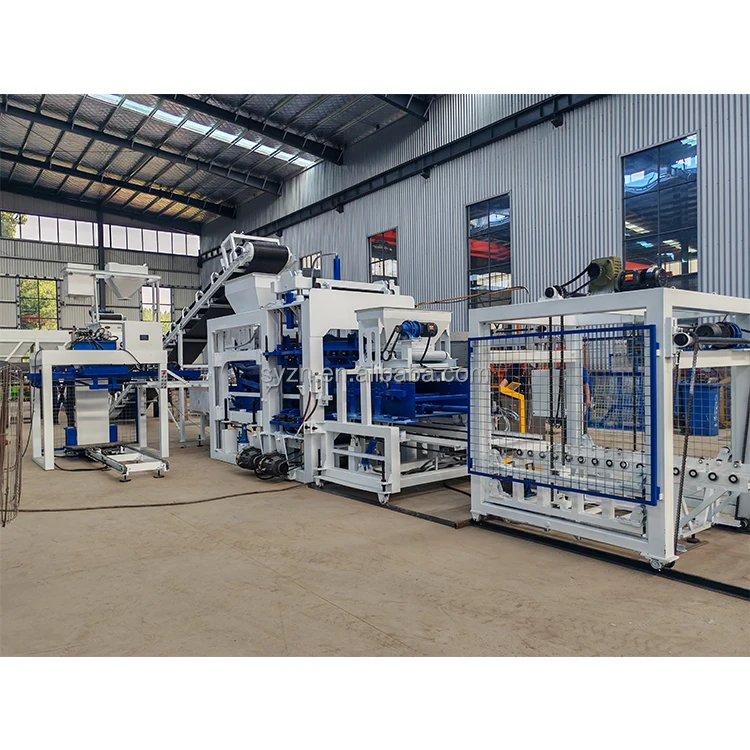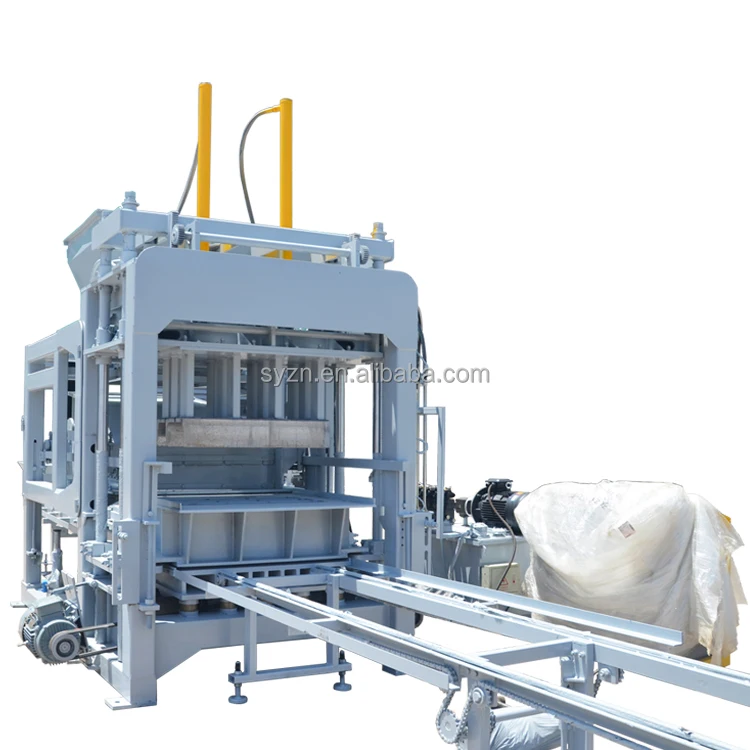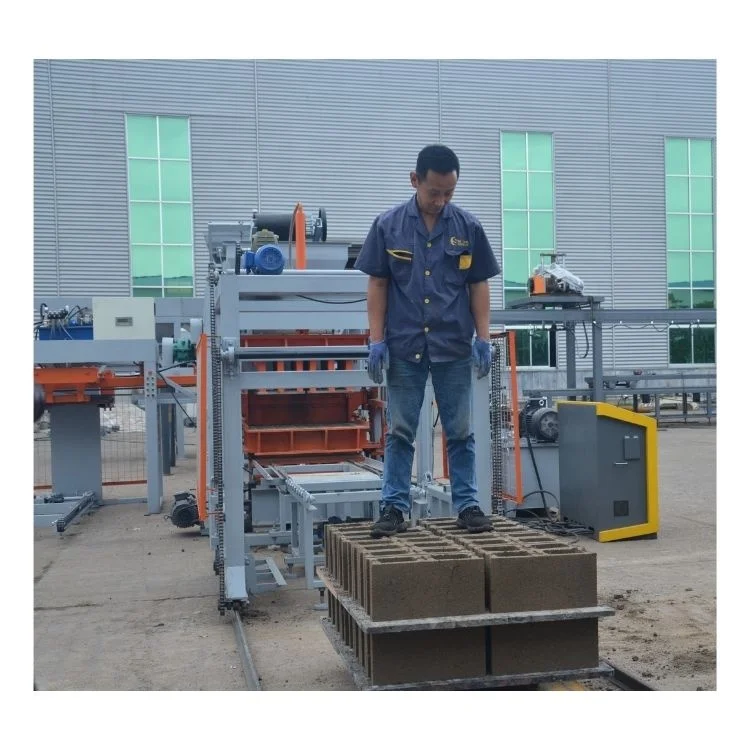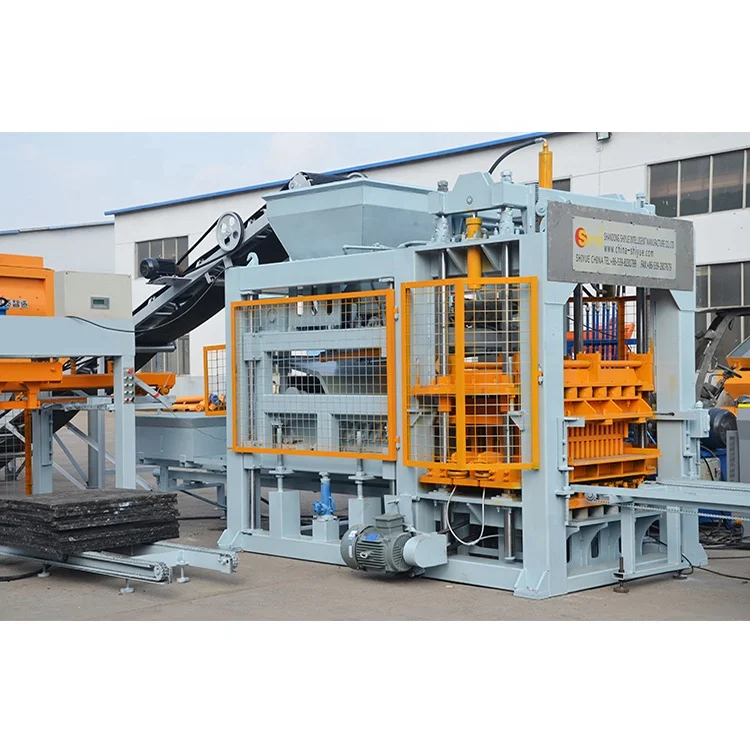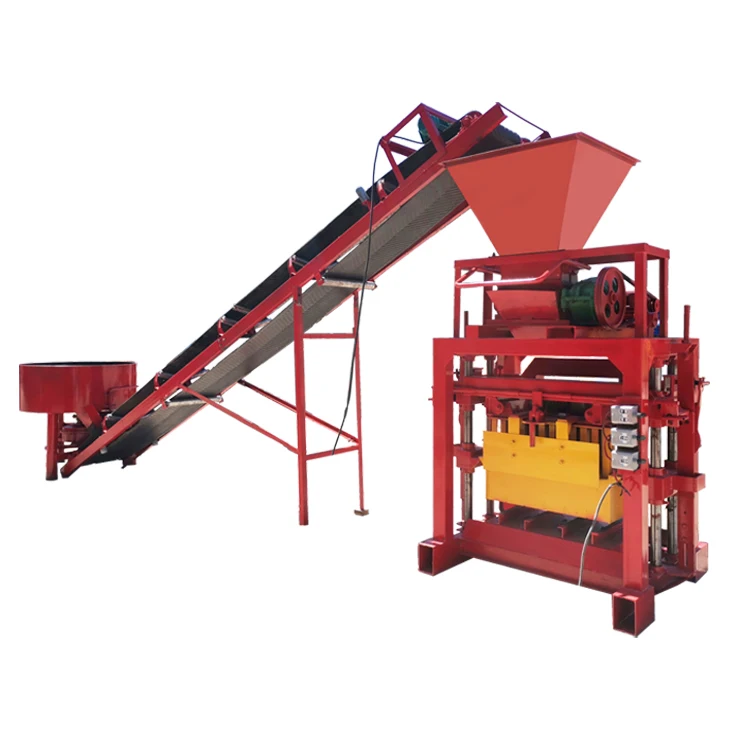


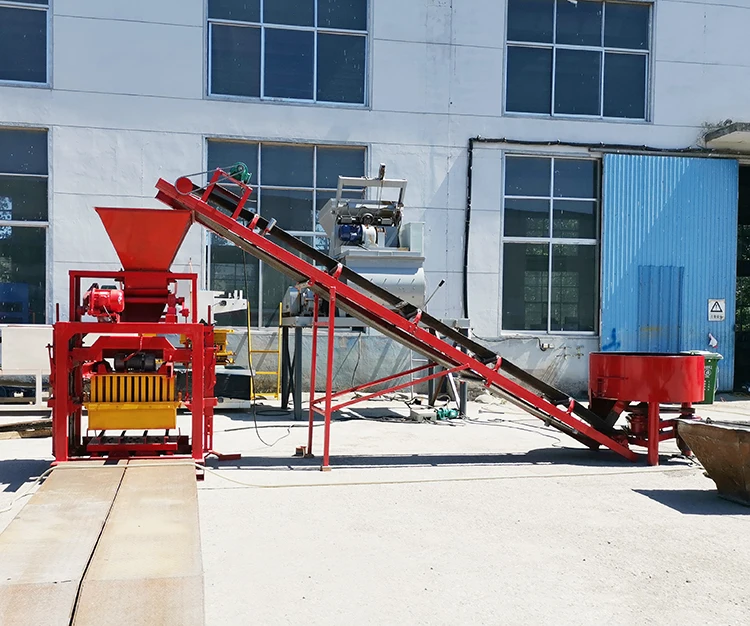

Description
Mechanical Consistency — Vibration force and cycle parameters locked in hardware, reducing the variables that manual batching and pallet handling can introduce into block density.
Technical Specifications
| Parameter | Value |
|---|---|
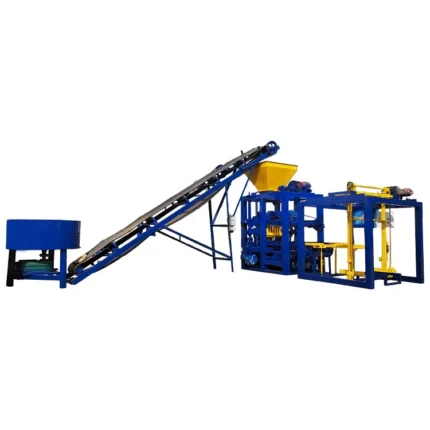
| Model | QTJ4-35 |
| Product Type | Mechanical Manual Block Making Machine |
| Overall Dimensions (L×W×H) | 2050 x 1660 x 1900 mm |
| Main Vibration Form | Motor Vibration |
| Vibration Force | 35 kN |
| Pallet Size | 850 x 450 x 20 mm |
| Molding Cycle | 35–40s (basis not stated in source) / 40–50s (basis not stated in source) |
| Overall Power | 9.8 kW |
| Control System | Manual mechanical operation |
| Output Capacity (400x200x200 mm hollow block) | 4 pcs/mould, 360–408 pcs/h, 2880–3264 pcs/8hr (basis not stated in source) |
| Output Capacity (400x150x200 mm hollow block) | 5 pcs/mould, 360–510 pcs/h, 2880–4080 pcs/8hr (basis not stated in source) |
| Output Capacity (240x115x53 mm solid brick) | 21 pcs/mould, 1512–1890 pcs/h, 12096–15120 pcs/8hr (basis not stated in source) |
| Output Capacity (200x100x60 mm paver) | 14 pcs/mould, 1008–1260 pcs/h, 8064–10080 pcs/8hr (basis not stated in source) |
| Output Capacity (225×112.5×60 mm interlocking) | 9 pcs/mould, 648–810 pcs/h, 5184–6480 pcs/8hr (basis not stated in source) |
| Hydraulic System | Not applicable |
| Automation Level | Manual / mechanical |
| Stacking Method | Manual |
Application Suitability
| Application | Material or Output |
|---|---|
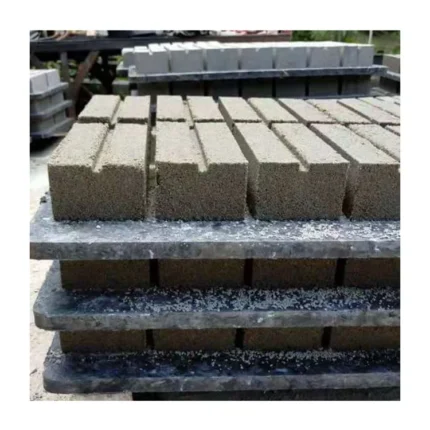
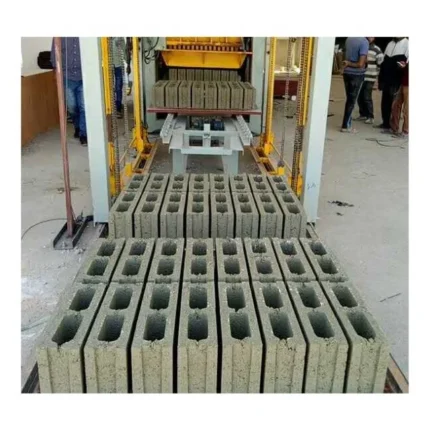
| Hollow concrete block production | 400×200×200 mm and 400×150×200 mm formats from crushed aggregate and cement |
| Solid brick production | 240×115×53 mm clay or concrete bricks for masonry walls |
| Paving block production | 200×100×60 mm pavers from fine aggregate and cement for walkways and yards |
| Interlocking block production | 225×112.5×60 mm interlocking units for retaining walls and landscape projects |
| Small-scale and on-site production | First-time block plant entrepreneurs, contractors producing on project sites |
What "Manual Mechanical" Really Means for Your Control System
A mechanical machine fixes the vibration cycle in hardware, which means automation-related drift is not a variable you have to manage — but it also means upgrading to a PLC controlled block machine later requires a full platform change, not a software patch.
I spent years on the factory floor testing block machines before moving into line planning, and the most common misunderstanding at this tier is the assumption that a mechanical unit can simply have a PLC bolted on later. The QTJ4-35 runs its 35–50 second cycle through a mechanical linkage and motor-driven vibration. There is no programmable logic controller governing the feed, press, or pallet movement. For a buyer evaluating an automatic block making machine upgrade path, this distinction matters because the jump from mechanical to PLC-controlled operation involves replacing the entire control architecture, not reprogramming an existing one [NEED_CITE: PLC retrofit limitations on mechanical block presses].
Where the QTJ4-35 Sits on the Automation Spectrum
The QTJ4-35 occupies the entry point of the block machine range. It produces consistent vibration at 35 kN through a dedicated motor, which gives block density a reliable mechanical baseline. Pallet feeding, material distribution, and stacking are all handled by operators. This keeps the initial investment contained and the electrical demand at 9.8 kW, which suits sites with limited power infrastructure. For a plant owner weighing whether to begin here or step directly to a PLC controlled block machine, the deciding factor is usually labour availability and the consistency demands of the local market.
The Labour Reality Behind Manual Operation
Every cycle on the QTJ4-35 requires hands-on pallet placement, material feeding into the mould box, and removal of the finished block on its pallet. Across an eight-hour shift producing 400×200×200 mm hollow blocks, this translates to continuous physical work for a team of operators. The cycle time of 35–40 seconds per mould for hollow formats sets the pace. Buyers planning their first plant should map out exactly how many workers each station demands before the machine arrives, because understaffing a manual line causes bottlenecks that no amount of operator effort can recover [NEED_CITE: labour allocation for manual block production lines].
Vibration Force, Pallet Size, and Power Draw Decoded
The 35 kN vibration force generated by the motor determines how densely the concrete mix compacts inside the mould. Unlike hydraulic systems that allow pressure adjustment from the control panel, this mechanical vibration is a fixed output. That means block strength consistency depends heavily on maintaining a uniform mix design — if the aggregate moisture content shifts, the operator cannot compensate by adjusting pressure on a screen. The 850×450×20 mm pallet size must be checked against the curing racks and forklift tines already in use at the buyer’s facility, because pallets that do not match existing handling equipment create delays in the curing area. The 9.8 kW total power draw is modest and reflects the absence of a hydraulic pump unit, making this machine viable on sites with restricted electrical supply or generator-only power [NEED_CITE: electrical supply requirements for mechanical block machines in developing markets].
The Hidden Cost of Ordering Without Confirming the Line
A frequent issue at this tier is the quotation covering the press alone, with pallet handling, raw material feeding, and stacking left as buyer-supplied items. When a manual machine like the QTJ4-35 arrives on site without matched pallets or a defined feeding arrangement, operators improvise — and improvisation destroys the consistency that the fixed vibration cycle was designed to deliver. Pallets sourced locally may differ in thickness from the 20 mm specification, which changes the mould fill height and alters block dimensions. Raw material fed by shovel rather than a calibrated hopper introduces volume variance cycle after cycle. These are not machine defects; they are line integration gaps that surface only after production begins.
Why Buyers Source This Tier From Shiyue
The QTJ4-35 is specified as part of a matched system rather than a standalone catalogue item. Pallet size, mould format, and supporting equipment are confirmed against the buyer’s actual site conditions before production. The mould range covers the hollow, solid, paver, and interlocking formats listed in the specification, and custom mould design is available to buyer drawings when the local market demands a non-standard format. Automation level is selectable across the Shiyue range, so a buyer starting with the QTJ4-35 can plan a future transition to a PLC controlled block machine with a clear understanding of what the upgrade involves. Factory testing is conducted before dispatch, and documentation including the operation manual and wear parts list ships with the machine.
Documentation & Verification
- Line layout drawing showing the QTJ4-35 footprint alongside pallet curing area dimensions
- Machine specification sheet confirming 35 kN vibration force and 9.8 kW power rating
- Mould drawing and format list for each block type included in the order
- Pallet specification matching 850×450×20 mm dimensions and material grade
- Factory test record documenting cycle times on the buyer’s selected block format
- Voltage and frequency confirmation sheet signed before production begins
Installation, Commissioning & Support
- Foundation pad must be level and rated for the 2050 x 1660 mm footprint with vibration isolation
- Electrical supply must match confirmed voltage and frequency on a dedicated 9.8 kW circuit
- Machine ships as a single unit with mould installed; pallets shipped separately or bundled per order
- First production run supervised with cycle timing verified against the buyer’s block format
- Operator training covers mould change procedure, vibration motor maintenance, and daily inspection points
- Wear parts list identifies mould liners and vibration motor brushes with replacement intervals
Preparing a Meaningful Inquiry
To receive a configuration proposal that reflects actual site conditions rather than a catalogue default, share the block format you intend to produce, the daily output target, and the local aggregate type available for your mix. Include your site voltage and frequency, the pallet size your curing area and forklift currently accommodate, and whether you plan to remain at the manual tier or evaluate an automatic block making machine upgrade within the next production cycle.
Frequently Asked Questions
Q: What does mechanical manual operation require from the workforce each shift?
A: The QTJ4-35 requires operators to handle pallet placement, material feeding, and block removal by hand every 35–50 second cycle. A team must be staffed to rotate through these stations continuously across the shift. There is no PLC or automatic pallet feeder reducing this labour requirement, so workforce planning should account for the physical pace of sustained manual operation.
Q: Can the QTJ4-35 be retrofitted with PLC control or automatic stacking later?
A: The mechanical drive and linkage architecture of the QTJ4-35 does not support a simple PLC controlled block machine retrofit. Moving to automated pallet feeding, stacking, or cubing means transitioning to a different machine platform designed around programmable control from the outset. The upgrade path exists within the Shiyue range, but it is a platform change rather than an add-on.
Q: Why does the moulding cycle vary between 35 seconds and 50 seconds?
A: The shorter 35–40 second cycle applies to hollow block formats where the mould cavity is larger and the concrete fills more readily under vibration. The 40–50 second cycle applies to solid bricks, pavers, and interlocking blocks where denser compaction is needed across a more complex mould geometry. Actual cycle times depend on the buyer’s mix design and aggregate characteristics.
Q: What electrical details must be confirmed before the machine enters production?
A: The buyer must provide site voltage, frequency, and any control language preference before the QTJ4-35 is built. These specifications are not preset because export markets vary widely — a machine wired for one standard cannot be commissioned on a different supply without transformer adaptation or rewiring, which delays startup and risks motor damage.