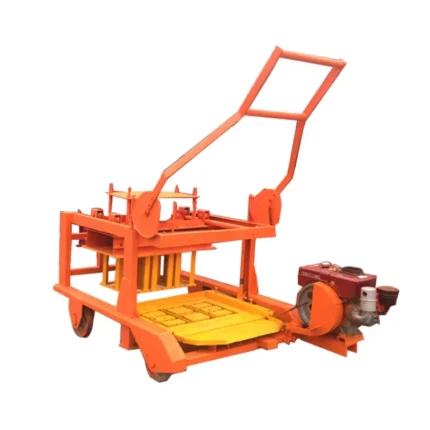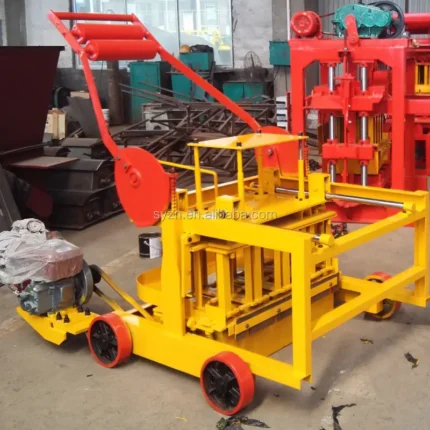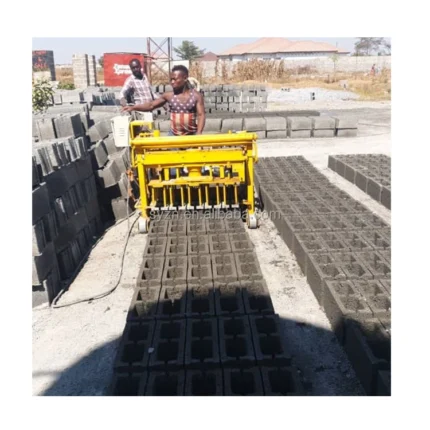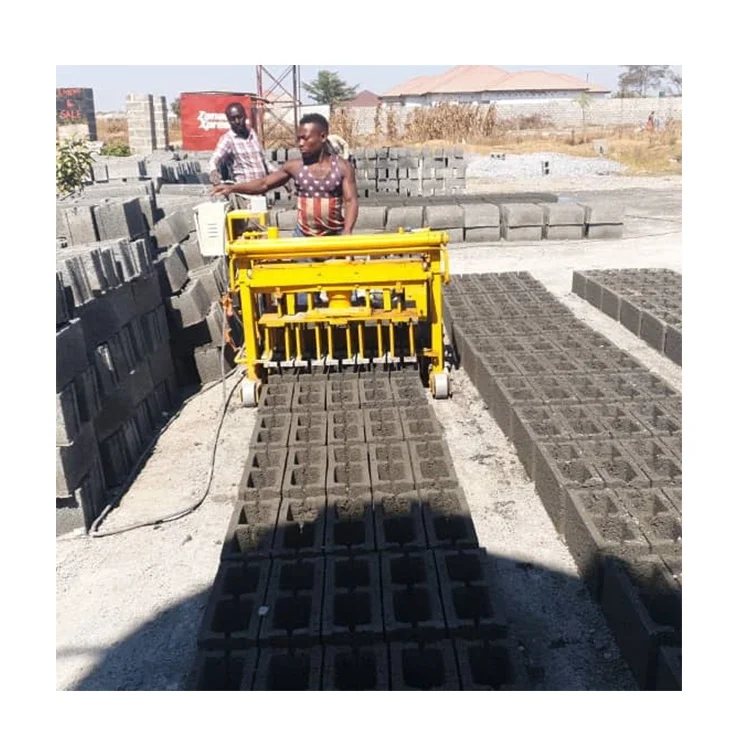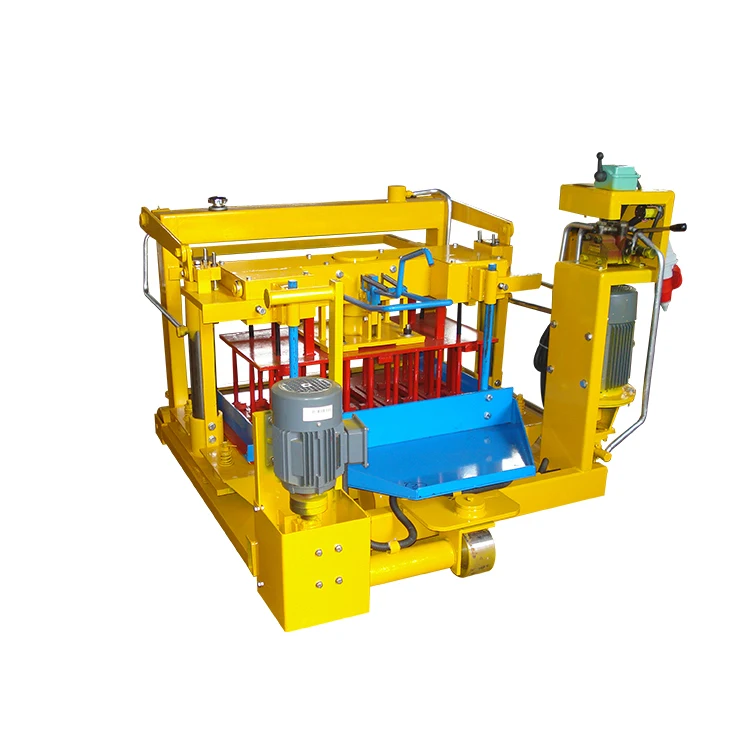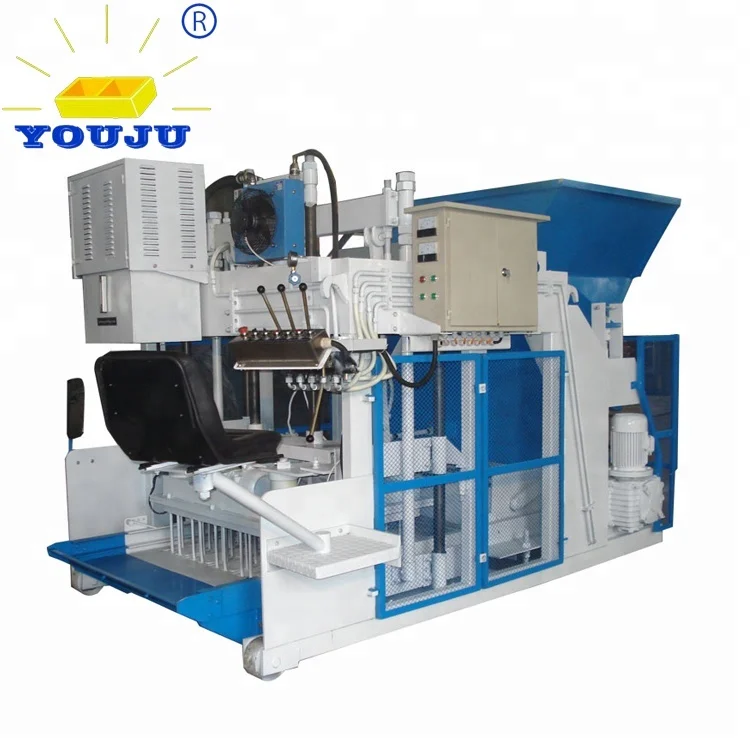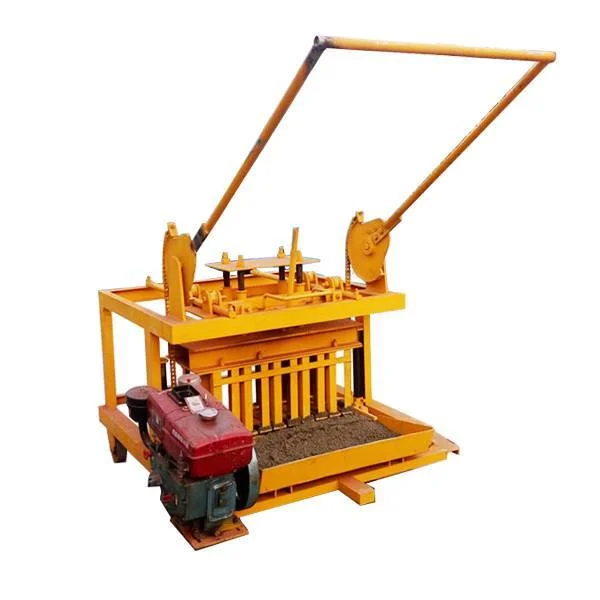
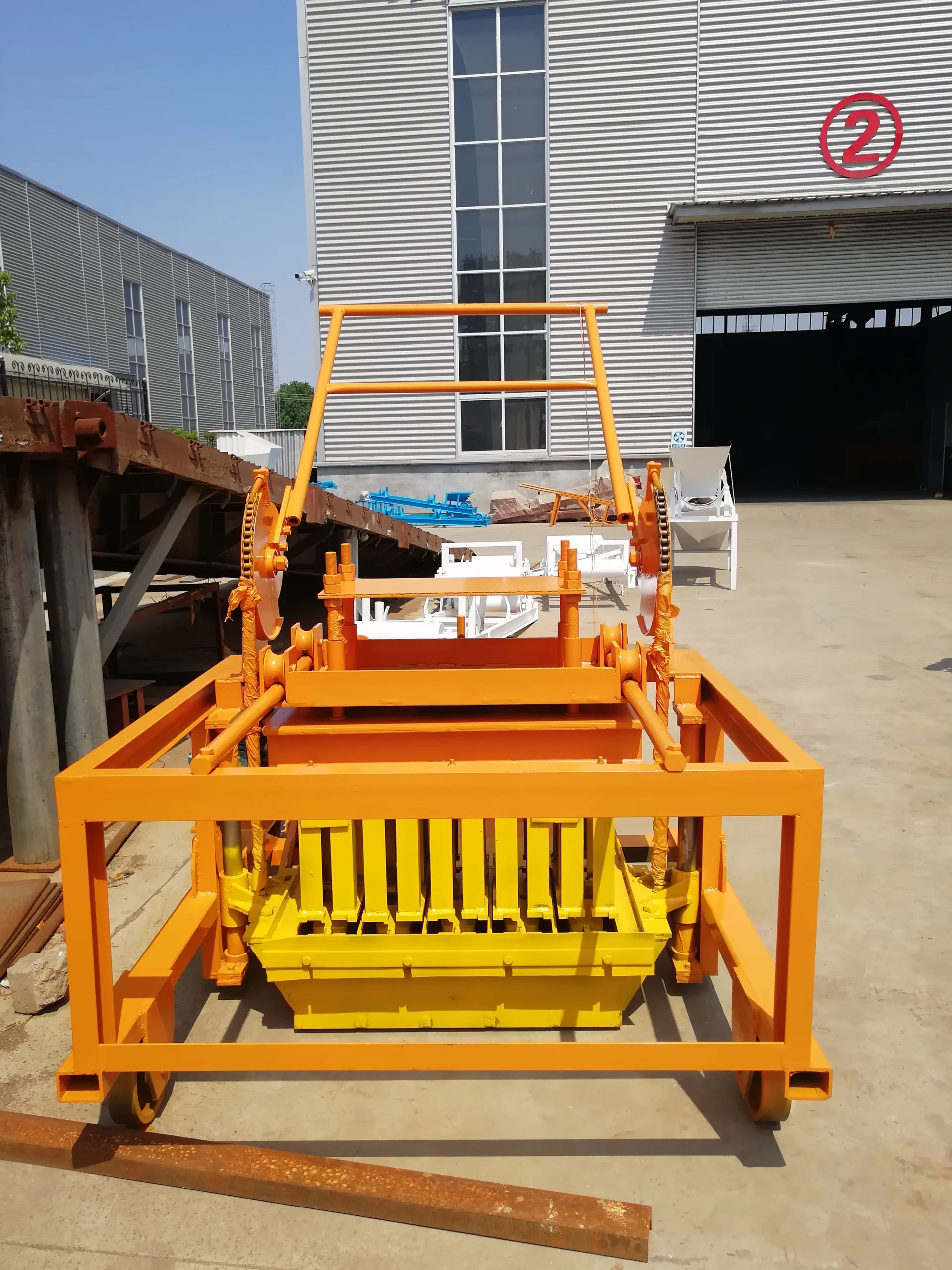
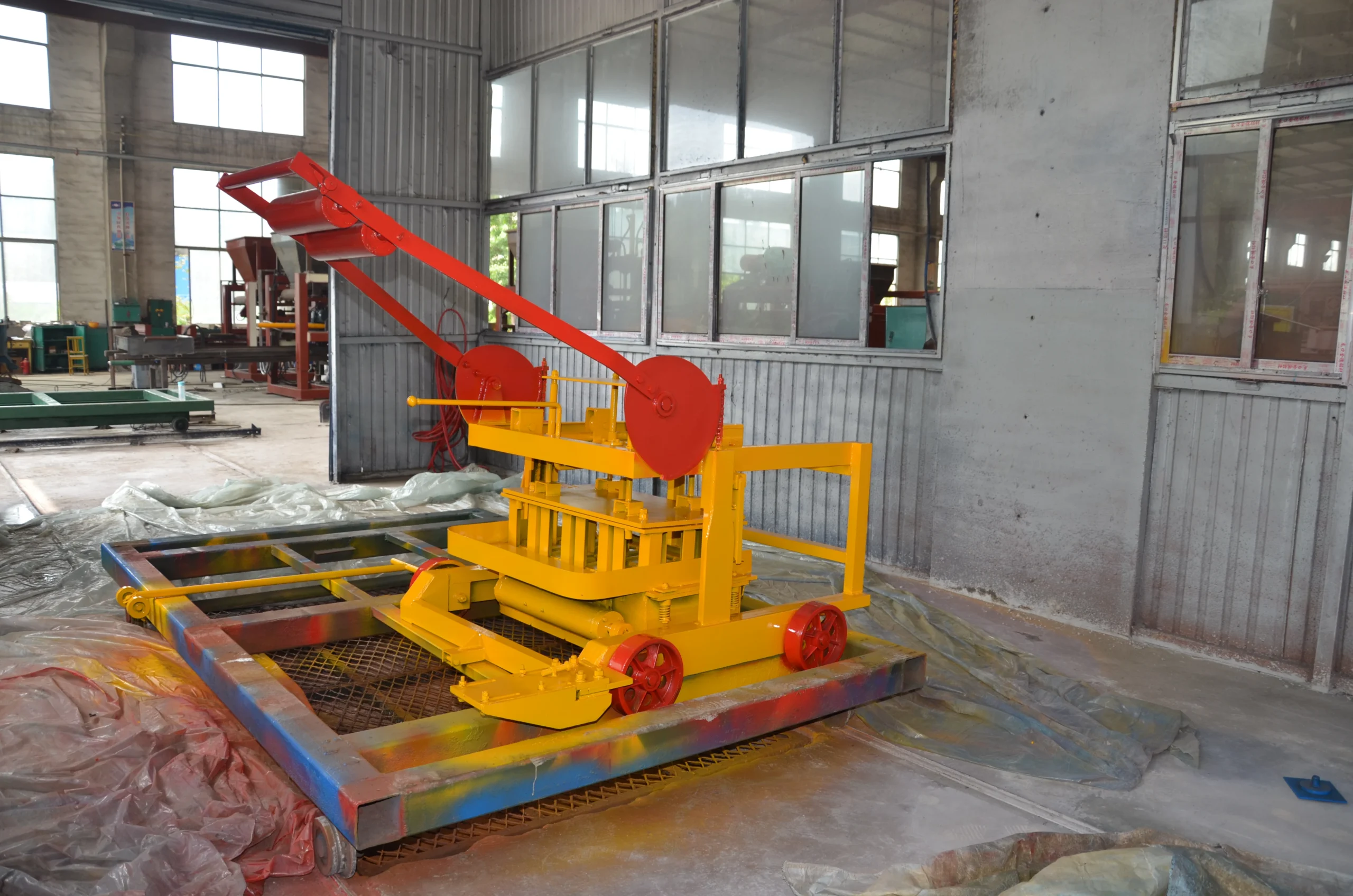
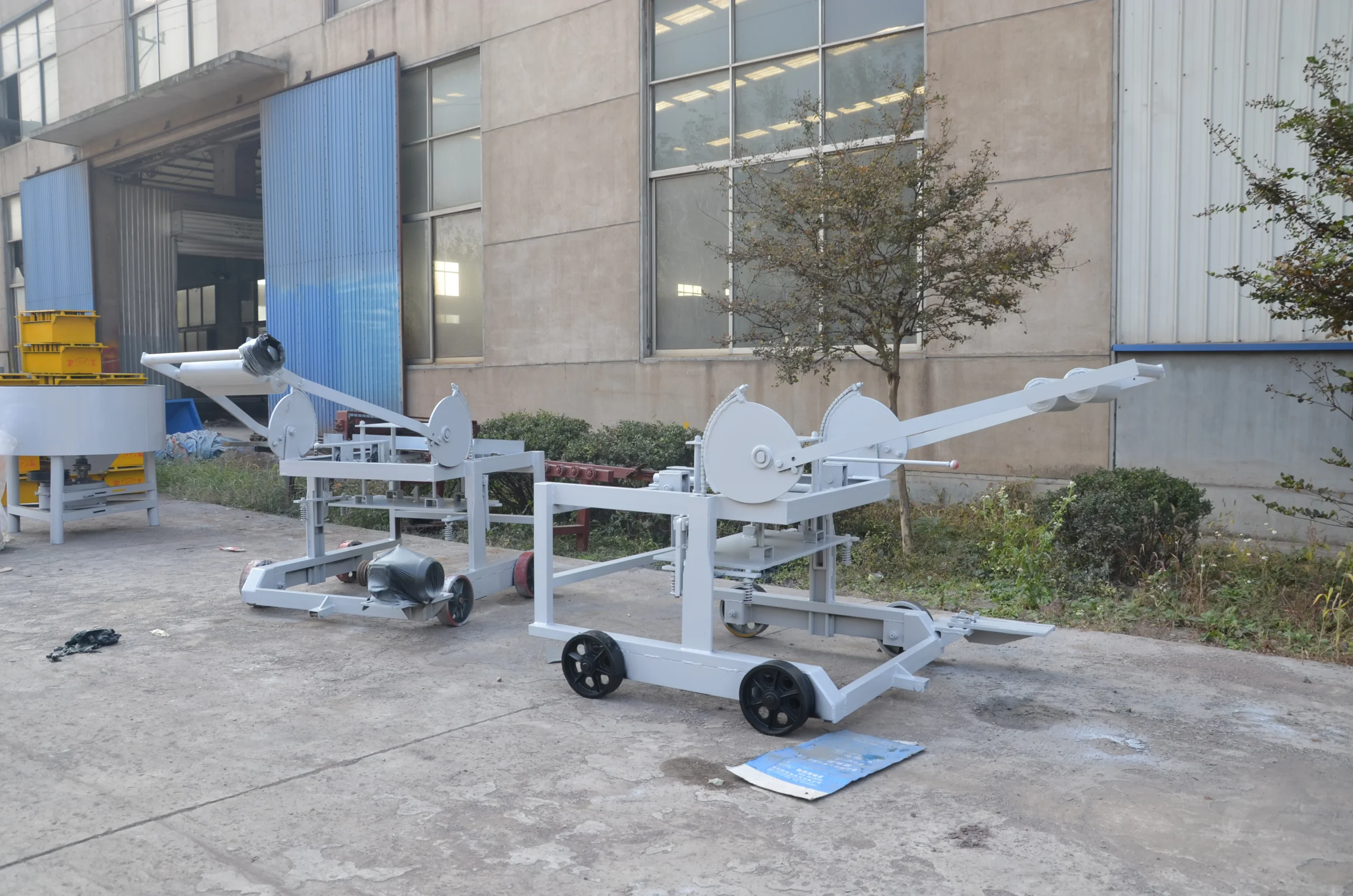
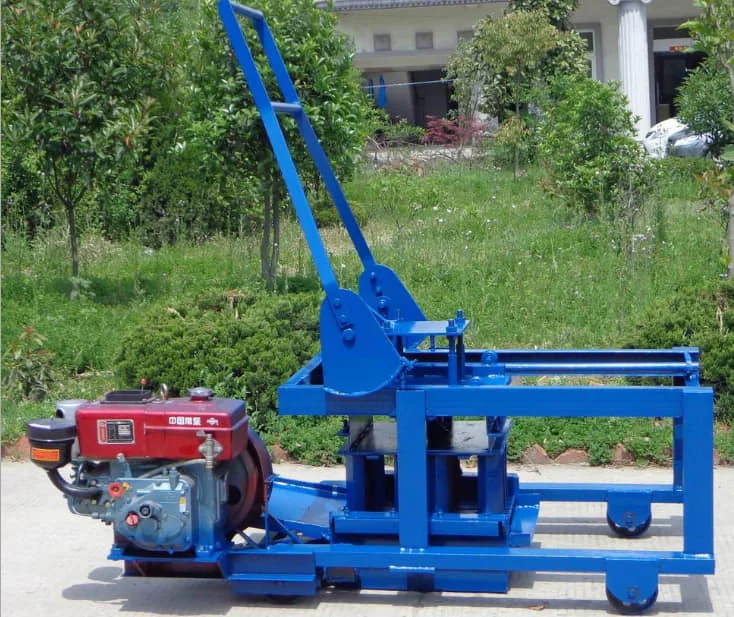
Description
Control Logic First — Every automation component on this mobile egg-laying machine is specified to match the buyer’s actual operator skill level and site conditions, not pulled from a catalogue default.
Technical Specifications
| Parameter | Value |
|---|---|
| Model | QMR4-45 |
| Product Type | Mobile Egg Laying Block Making Machine |
| Power Source | Diesel Engine |
| Machine Type | Mobile / Egg-Laying |
| Automation Level | Manual operation, with optional PLC-controlled batching and feeding upgrades |
| Control System | Manual operation; PLC control available as upgrade |
| Pallet Requirement | Not applicable (egg-laying type, blocks laid directly on ground) |
| Voltage & Frequency | Not applicable for main press (diesel powered); auxiliary components configurable |
| Certification | CE, ISO 9001 |
| Output Capacity | (basis to be confirmed — depends on block format, mix design, and operator cycle) |
Application Suitability
| Application | Material or Output |
|---|---|
| On-site hollow block production at housing project locations | Crushed stone, sand, cement, and water mixed to local aggregate gradation |
| Solid block manufacturing for small-scale contractors | Local sand and gravel with Portland cement binder |
| Remote or temporary project sites with unreliable grid power | Diesel-powered operation independent of electrical infrastructure |
| First block plant for entrepreneurs with limited initial capital | Low-footprint setup without fixed curing racks or pallet inventory |
What "Automatic Mobile Block Machine" Actually Means on a Diesel Egg-Layer
Automation on a mobile egg-laying machine starts at the mixer and ends at the stack — the press itself stays manual, and that is the honest starting point.
When a supplier quotes a PLC controlled egg laying block machine without clarifying which stations the PLC actually governs, buyers discover on arrival that the intelligence stops at the batching hopper. The QMR4-45 press cycle, mould vibration, and forward travel remain operator-driven. Automation upgrades apply to raw material proportioning, mixer timing, and downstream stacking. I have stood on sites where the operator ignored the batching screen because it displayed in a language he could not read, reverting to shovel-counted proportions within the first week [NEED_CITE: PLC display language configuration for export machinery]. The control language must be locked to the operator’s working language before the machine leaves the factory.
Where the PLC Earns Its Place
On a manual egg-laying press, mix consistency depends entirely on how carefully the operator loads the mixer each cycle. Adding a PLC-controlled batching system to the QMR4-45 removes that variable — cement, sand, and aggregate are weighed or volumetrically dosed to the same ratio every batch. The automatic mobile block machine configuration here means the operator still pushes the press and steers it, but the material going into the mould is no longer a guess. Batch-to-batch block strength becomes repeatable because the mix input is repeatable.
Remote Diagnostics on a Diesel Machine Without Wi-Fi
Remote diagnostics on a mobile machine sounds impractical until you separate the press from its auxiliary systems. The PLC governing the batching plant, mixer, and conveyor can transmit fault codes over a cellular module, even when the press itself has no electronic brain. When a mixer motor overload trips at a remote housing site, the control panel logs the event and the support team reads it remotely — no site visit needed for a tripped breaker. This split architecture keeps the egg-laying press simple and field-serviceable while giving the batching station the intelligence that actually reduces waste [NEED_CITE: remote diagnostics on mobile concrete equipment].
Matching Vibration and Pressure to the Local Mix
The QMR4-45 relies on mechanical vibration and the weight of the mould box to compact concrete — there is no hydraulic pressure circuit on a machine this size. That means block density is governed by vibration duration, mix moisture, and how long the operator holds the mould in place. When the local aggregate is a fine desert sand rather than a graded crushed stone, the vibration time must increase to achieve the same compaction. An automatic mobile block machine setup with PLC-controlled batching can adjust water dosing to compensate for aggregate moisture, but the operator still controls the press cycle. Buyers need to confirm that the quoted vibration force is adequate for their specific aggregate, not a generic catalogue value.
The Cost of Skipping the Automation Sequence
Buying the QMR4-45 as a fully manual unit and planning to "add PLC later" often means the batching frame, sensor mounts, and cable routes were never designed for it. Retrofitting load cells under a mixer that was bolted down without them requires cutting and re-welding the frame. I have watched a three-day commissioning turn into a two-week rebuild because the original order said "manual" and nobody scoped the upgrade path. Specifying the PLC-controlled egg laying block machine configuration from the start — even if you only activate batching phase one — keeps the mechanical provisions in place for future expansion [NEED_CITE: machinery retrofit costs versus factory-installed provisions].
Why This Configuration Approach Works
Block machinery is the only product line here, so the QMR4-45 is not paired with a generic mixer from a different supplier — the batching station, conveyor, and press are specified as one matched set. Automation level is selectable at order, meaning a buyer can start with manual press operation and PLC batching, then add automatic stacking as the project scales. The control interface language is confirmed and locked before shipment, so the operator sees readable text on day one. Factory testing covers the full cycle from batching through press operation, not just the press in isolation.
Documentation & Verification
- Factory test record showing actual block output per format before dispatch
- PLC program backup with language set to operator’s working language
- Electrical schematic covering auxiliary components and batching station
- Mould drawing confirming block dimensions and cavity count
- Diesel engine operation and maintenance manual in target market language
Installation, Commissioning & Support
- Level compacted ground required; no concrete foundation for the mobile egg-laying press
- Separate power circuit for batching station and mixer, voltage confirmed to site supply
- Machine ships fully assembled; only auxiliary conveyor and mixer require on-site connection
- Commissioning covers first production run with local aggregate to verify mix and cycle time
- Operator training includes PLC batching interface navigation and fault code recognition
- Wear parts list covers mould liner, vibration springs, and mixer blade replacement intervals
What to Include in Your Inquiry
Send the block format you intend to produce — hollow, solid, or interlocking — along with the dimensions, because output capacity shifts significantly between formats. Confirm the local aggregate type and whether grid electricity is available for auxiliary equipment, or if the entire line must run from diesel or generator power. Specify the operator’s working language so the batching PLC and any control displays ship with the correct interface loaded.
Frequently Asked Questions
Q: What automation upgrades are available for the QMR4-45 — can PLC control be added later?
A: The QMR4-45 press itself remains operator-driven, but PLC-controlled batching, automatic material feeding, and mixer timing can be added. Requesting these provisions at initial order avoids frame retrofitting later. The control system governs auxiliary stations, not the press travel or mould cycle.
Q: How does output capacity change when switching between hollow block and solid paver formats?
A: Cycle time and blocks per cycle differ between formats, so daily output varies. The quoted capacity must state which block format it assumes. Switching moulds on the QMR4-45 changes both the blocks-per-cycle count and the vibration time needed for adequate compaction.
Q: Is the batching control system language configurable for different operator markets?
A: Yes. The PLC interface on the batching station supports multiple languages and must be confirmed before shipment. I have seen commissioning delayed because the display shipped in a language the local operators could not read. Lock the language at order stage.
Q: How does remote diagnostics work on a diesel-powered mobile machine?
A: Remote diagnostics apply to the PLC-controlled batching and mixing station, which can transmit fault codes via cellular connection. The diesel-powered press itself has no electronic control to monitor. This split approach gives you remote visibility where it matters most — material proportioning.
Q: What batching accuracy improvements come with adding automatic material feeding?
A: Automated volumetric or weight-based dosing removes shovel-counted guesswork, producing consistent mix ratios across shifts. This directly improves block strength repeatability. The PLC logs each batch proportion for quality traceability, which manual loading cannot provide.