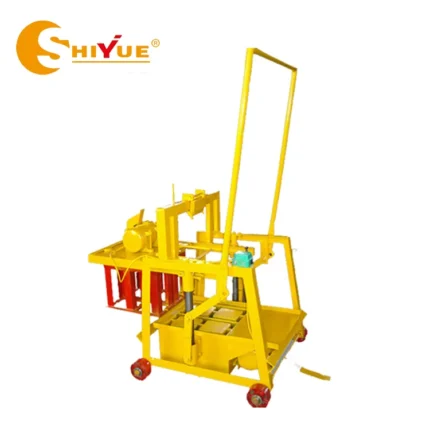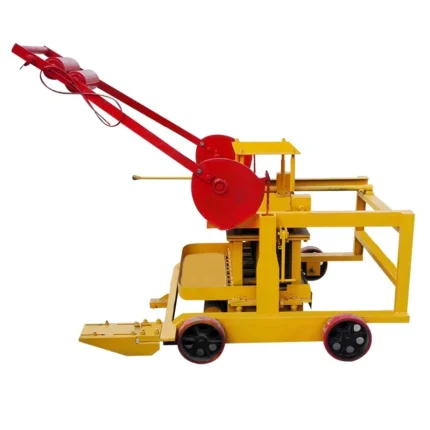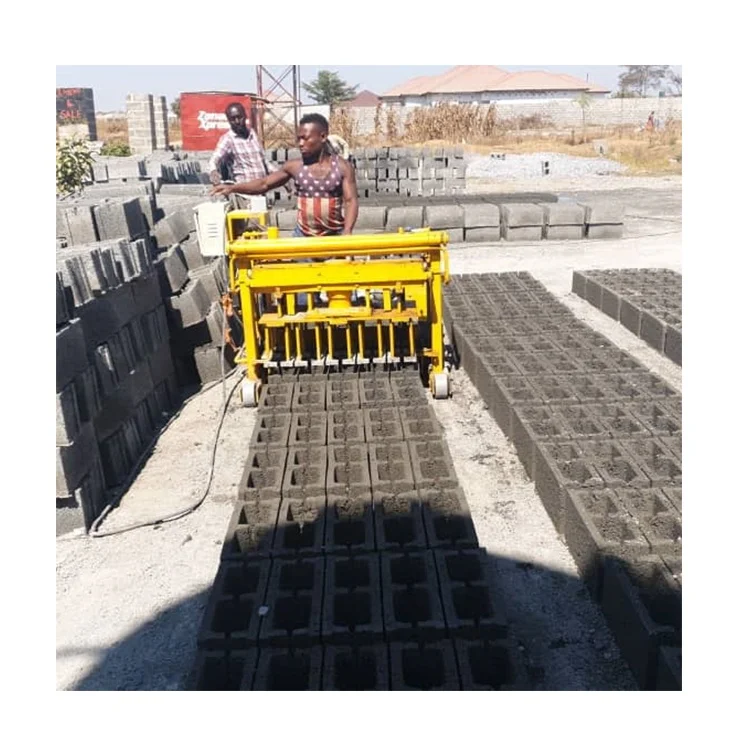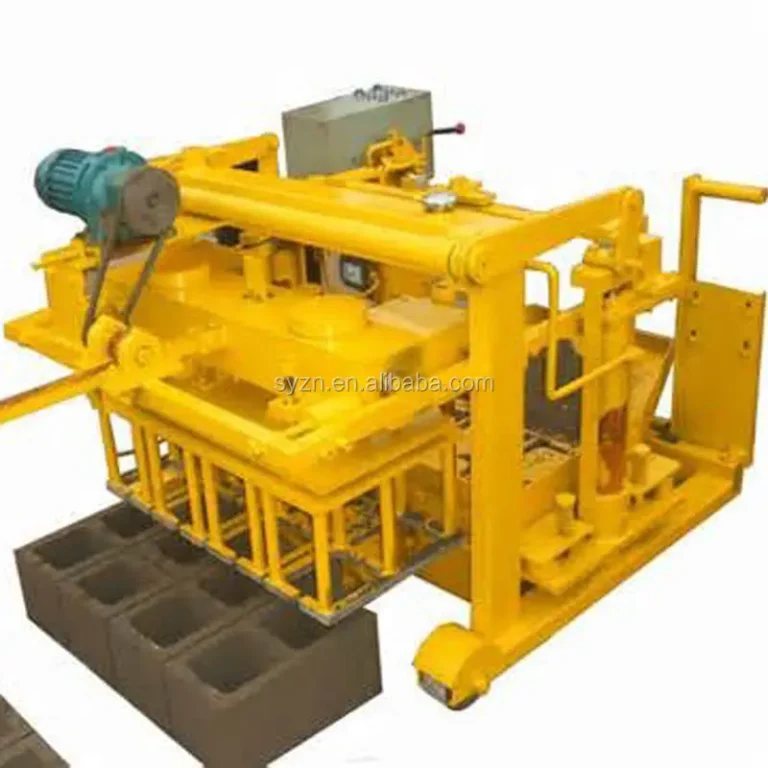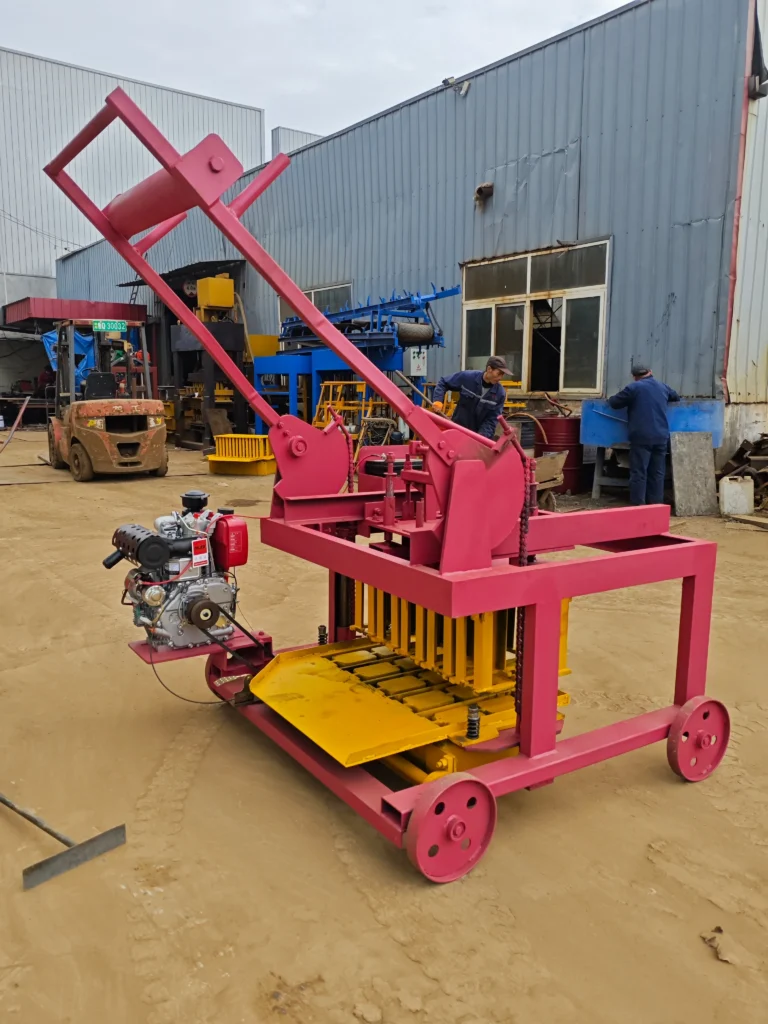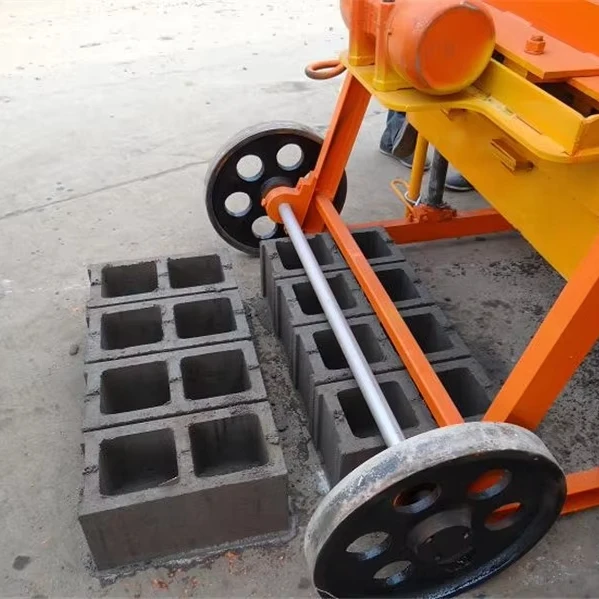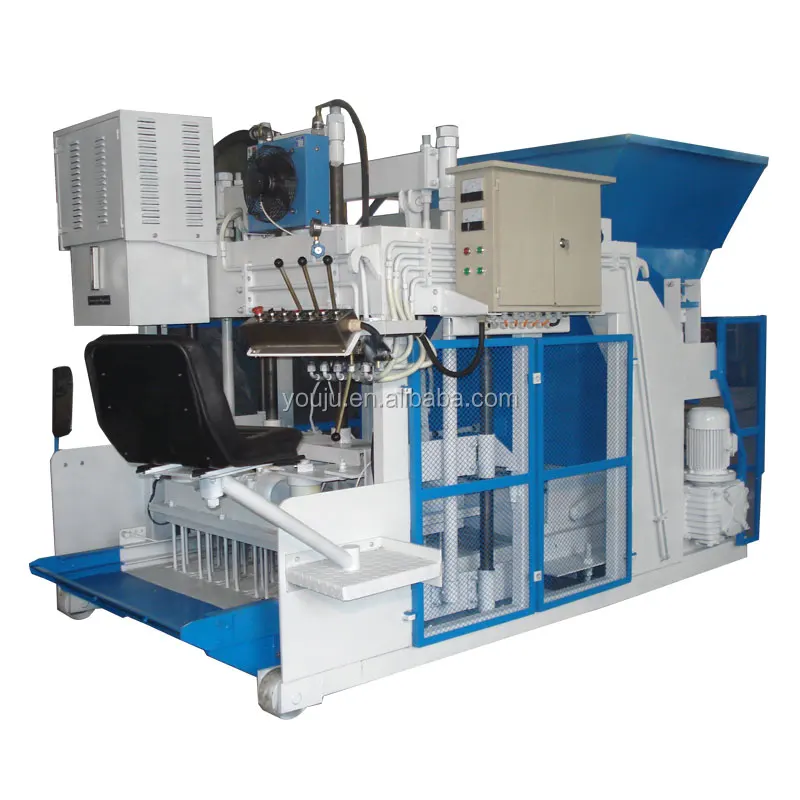
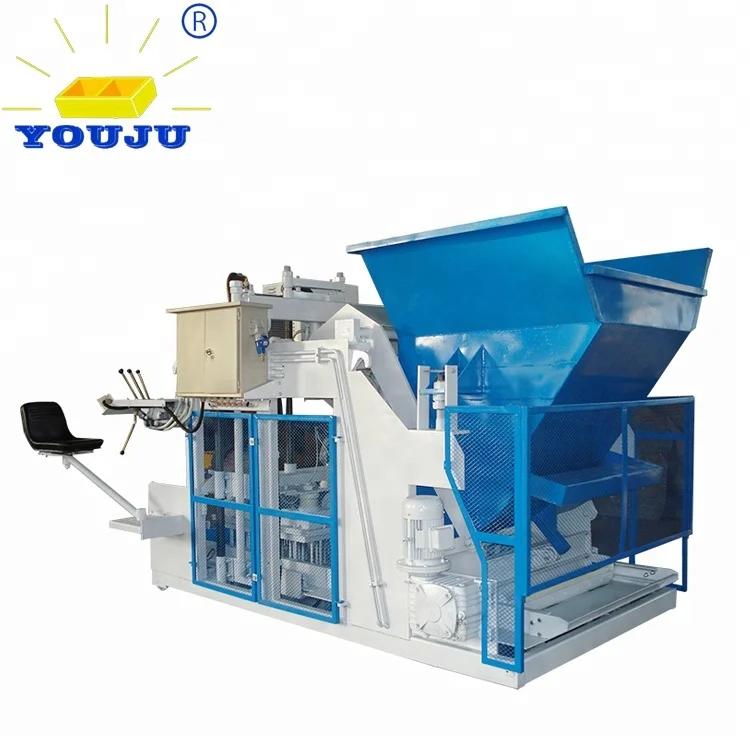
Description
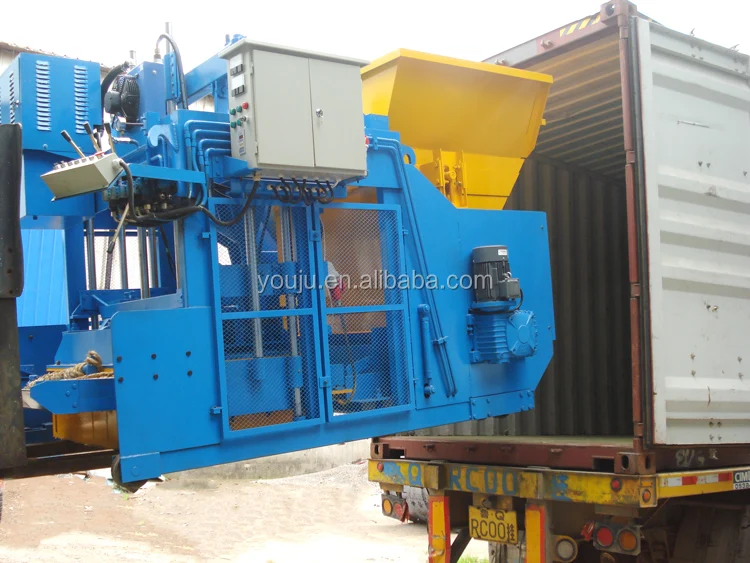
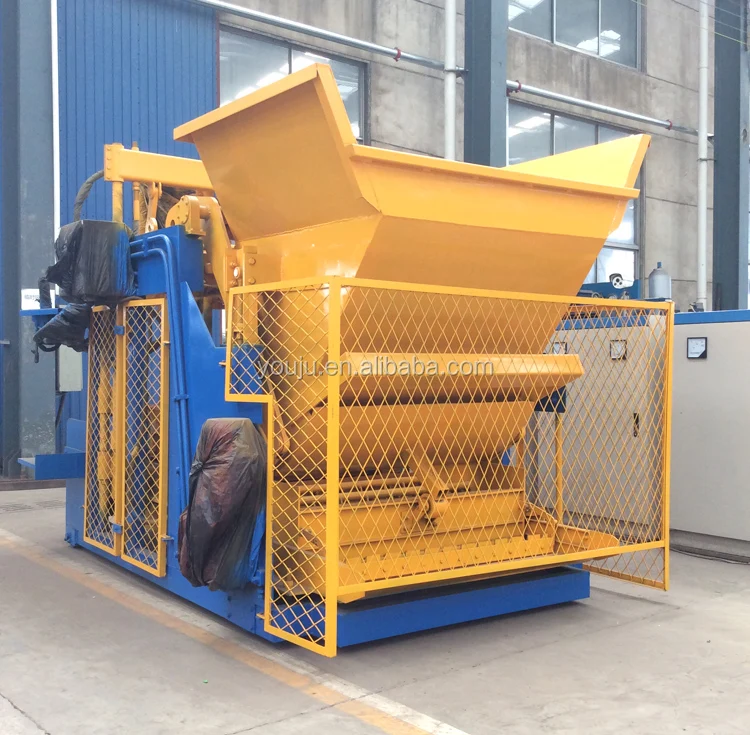
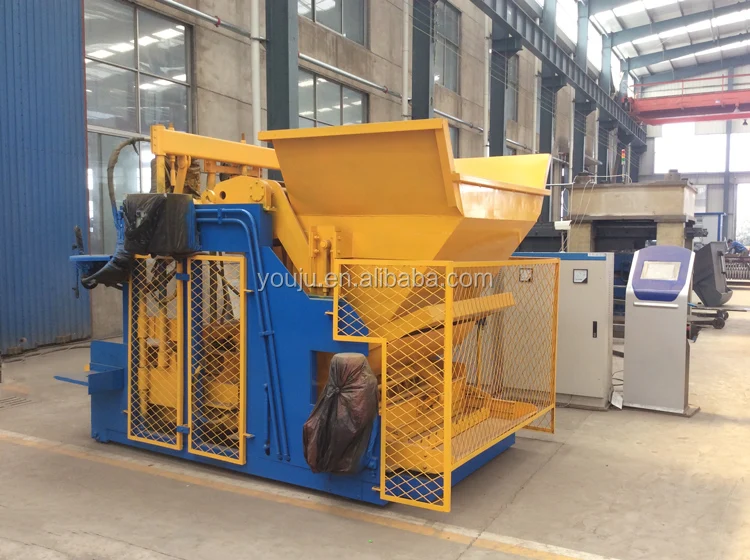
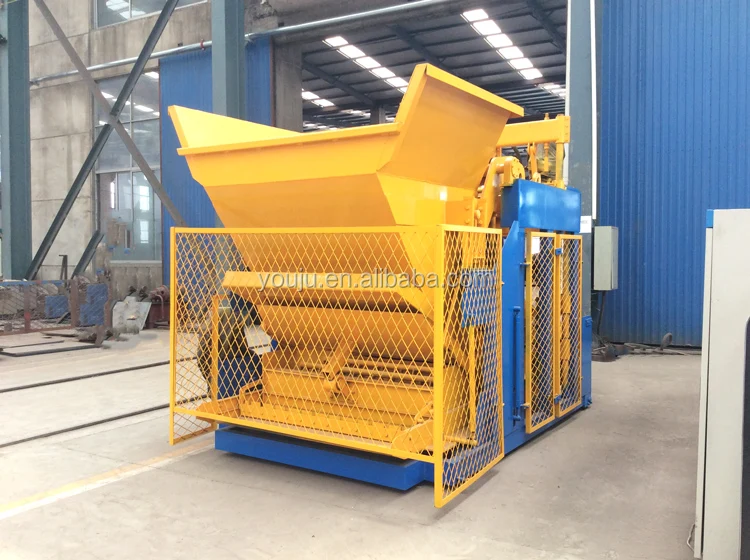
Matched System Design — The QMY12-15 is specified as a complete press, mould, pallet and handling package rather than isolated components, so cycle time and automation match your actual block format.
Technical Specifications
| Parameter | Value |
|---|---|
| Model | QMY12-15 |
| Product Type | Automatic Hollow Block Making Machine |
| Block Formats | 9 / 8 / 6 / 4 inch hollow blocks (basis not stated in source) |
| Forming Method | Hydraulic Pressure + Vibration |
| Drive | Engine Gear (motor type and rated power to be confirmed) |
| Automation Level | Automatic (PLC brand and language options to be confirmed) |
| Pallet Size | To be confirmed based on curing area and forklift |
| Production Line Scope | Cement brick production line (auxiliary stations to be confirmed) |
| Output Capacity | To be confirmed per block format and mix design |
| Hydraulic Pressure | To be confirmed (MPa) |
| Vibration Force | To be confirmed (kN) |
| Cycle Time per Format | To be confirmed by block format |
| Voltage & Frequency | To be confirmed for target market |
| Mould Change Time | To be confirmed |
| Certification | CE declaration availability to be confirmed |
Application Suitability
| Application | Material or Output |
|---|---|
| Hollow block production for masonry walls | 9 / 8 / 6 / 4 inch formats from cement and local aggregate |
| Cement brick and solid block runs | Subject to mould configuration and mix design |
| Automatic line operation for block plants | Scaled output based on selected automation level |
| On-site or off-site production | Dependent on line layout and site conditions |
What "Automatic Output" Actually Means for Your Formats
Capacity is only real when tied to a specific block size and mix.
When a quotation lists cycles per hour without stating the block format, the daily pallet count often falls well short of what the plant was sized for. A 9-inch hollow block takes a longer press cycle and more raw material than a 4-inch unit, yet many automatic hollow block making machine proposals treat them as interchangeable. I have walked onto sites where the line was commissioned, parameters adjusted, and the output still missed the target because the local aggregate contained more fines than the original mix assumed [NEED_CITE: impact of aggregate fines on block cycle time and density].
PLC Logic That Tracks Every Station on the Line
The intelligent side of the QMY12-15 is not just a touchscreen — it is the coordination layer that keeps the mixer, pallet feeder, press and stacker in sequence. When the automatic hollow block making machine cycles, the PLC monitors hydraulic pressure and vibration timing per format, adjusting dwell to maintain block density across a shift. If a pallet jams or the material hopper runs low, the control system pauses the sequence rather than forcing a half-formed block through the press. This is what separates consistent output from a line that produces scrap every time the operator looks away.
Automation Levels You Can Grow Into
A plant does not have to start fully automatic. The QMY12-15 is configurable from semi-automatic pallet handling through to full automatic stacking and cubing. A buyer setting up a first block plant can begin with manual pallet transfer and add the automatic stacker and cubing station when volume justifies it [NEED_CITE: automation upgrade paths in block production lines]. The PLC architecture supports this expansion without replacing the core controller, so the initial investment in controls carries forward.
Reading the Specs That Actually Matter
Hydraulic pressure and vibration force are the two numbers that determine whether a block holds together after curing. Pressure compacts the mix while vibration settles the aggregate into the mould cavity — if one is too low for the other, blocks crack or crumble at the edges. The QMY12-15 allows both to be tuned to the buyer’s specific mix design and local aggregate gradation. Pallet size is equally consequential: it must match the curing rack spacing and the forklift tines already on site, otherwise freshly pressed blocks sit on the floor waiting for transport. Mould change time determines whether switching between 9-inch and 4-inch formats takes minutes or consumes a full shift, which is why the mould locking system deserves as much attention as the press itself.
The Cost of Skipping Configuration Details
A machine configured for a mix the buyer cannot source locally forces a costly material substitution before the first block is made. Pallet handling, stacking and curing left out of the quotation means output piles up by hand while the press waits. Voltage and frequency confirmed after shipment delays commissioning by weeks when the wrong motor arrives. These are not theoretical problems — they show up on sites where the purchase decision was made on price per cycle without examining what the cycle actually includes [NEED_CITE: common commissioning delays in exported block machinery].
Why Procure the Line From Here
Block machinery is a single focus, so the QMY12-15 press, mould, pallet and handling equipment are specified as one matched system. Configuration is set against the buyer’s actual mix design and target block format, not pulled from a catalogue default. Mould design covers the formats the buyer’s market actually sells, with custom drawings available for non-standard profiles. Automation level is selectable, so the plant can start where the budget allows and add stations later. Installation includes on-site commissioning with operator training so the crew can run the line from day one.
Documentation & Verification
- Line layout with capacity calculation stated per block format
- Machine specification sheet with confirmed hydraulic and vibration ratings
- Mould drawing and format list for 9 / 8 / 6 / 4 inch hollow blocks
- Voltage, frequency and PLC display language confirmation before production
- Factory test record on buyer’s target block format before dispatch
- Operation and maintenance manual with wear parts and mould list
Installation, Commissioning & Support
- Foundation plan matched to QMY12-15 overall dimensions and vibration load
- Electrical supply check against confirmed voltage, frequency and rated power
- Assembly and alignment of press, pallet feeder and stacker on site
- First-run parameter tuning against buyer’s mix design and aggregate
- Operator training on PLC interface, mould change and daily maintenance
- Wear parts list with recommended reorder intervals for hydraulic seals and mould liners
Before You Request a Quote
To size the QMY12-15 correctly, share the block formats you plan to produce, your target daily output per format, and the local aggregate type you will be running. Confirm the voltage and frequency at your site, the PLC display language your operators need, and whether you already have pallets and forklifts that the line must match.
Frequently Asked Questions
Q: How is output verified and which block format does each figure assume?
A: Every capacity figure on the QMY12-15 quotation states the block format, mix design and cycle time it assumes. We do not quote a single number for all formats — 9-inch hollow blocks, 6-inch blocks and 4-inch blocks each have their own verified output based on the press cycle and mould configuration selected.
Q: Which PLC brand and HMI language options are available?
A: The PLC brand and HMI language are confirmed during the proposal stage based on the buyer’s market. We specify the controller and display language before production begins so the operator interface matches the crew on site when the automatic hollow block making machine is commissioned.
Q: How are hydraulic and vibration settings matched to my aggregate?
A: We ask for a sample of the buyer’s local aggregate and mix proportions before finalizing the QMY12-15 configuration. Hydraulic pressure and vibration force are then set to achieve the required block density and strength for that specific material, not left at a factory default.
Q: What is the upgrade path from semi-automatic to full automation?
A: The QMY12-15 PLC architecture supports adding automatic pallet feeding, stacking and cubing stations after the initial installation. The core controller does not need replacement — only the additional stations and their integration into the existing sequence are required.