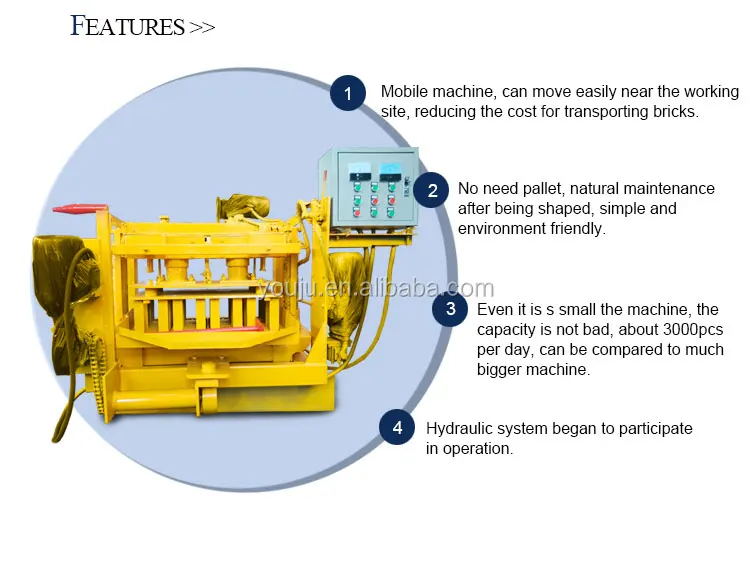
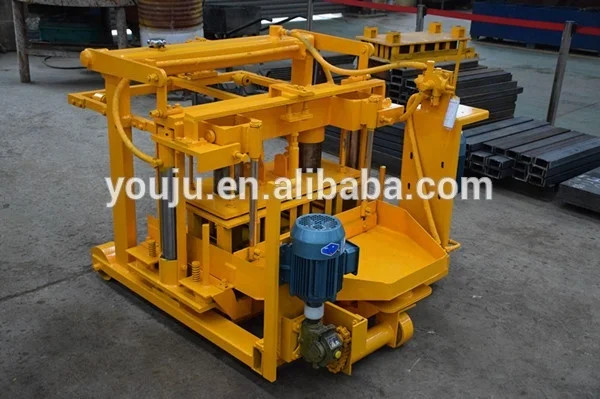
Description
Single-Focus Block Machinery — every QMY4-30 is specified against the buyer’s actual mix design and target hollow block format, not pulled from a catalogue default.
Technical Specifications
| Parameter | Value |
|---|---|
| Model | QMY4-30 |
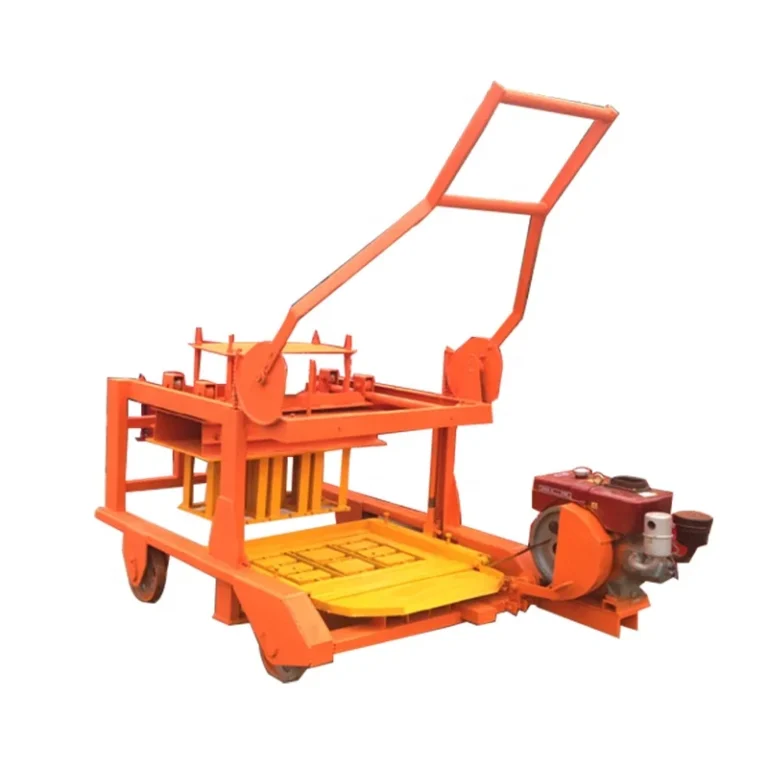
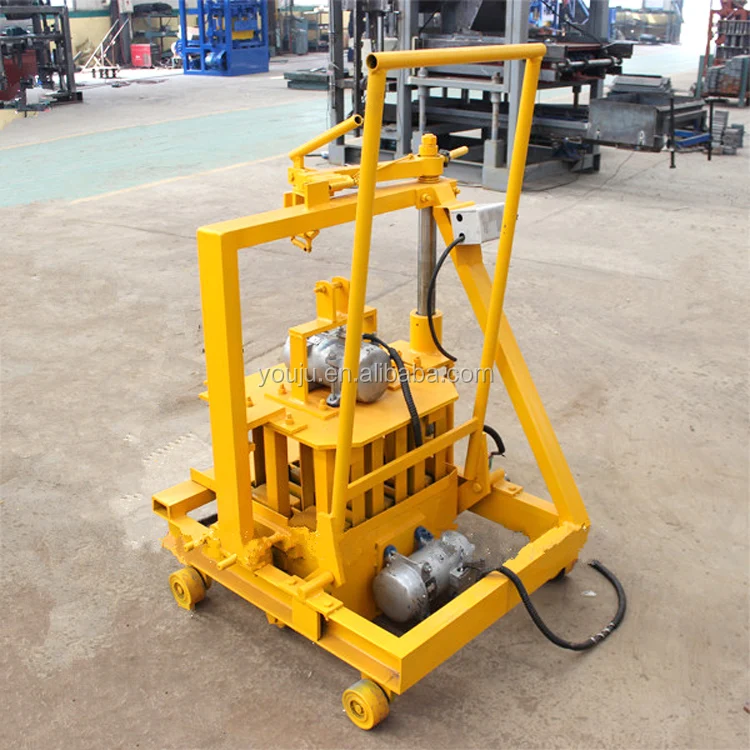
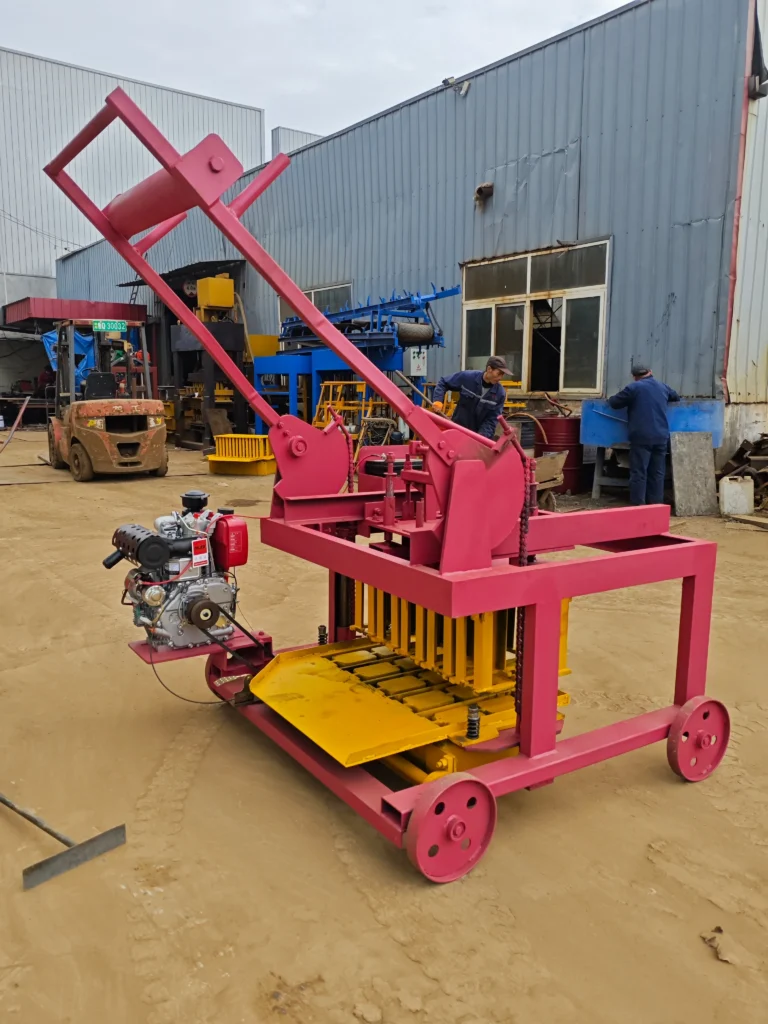
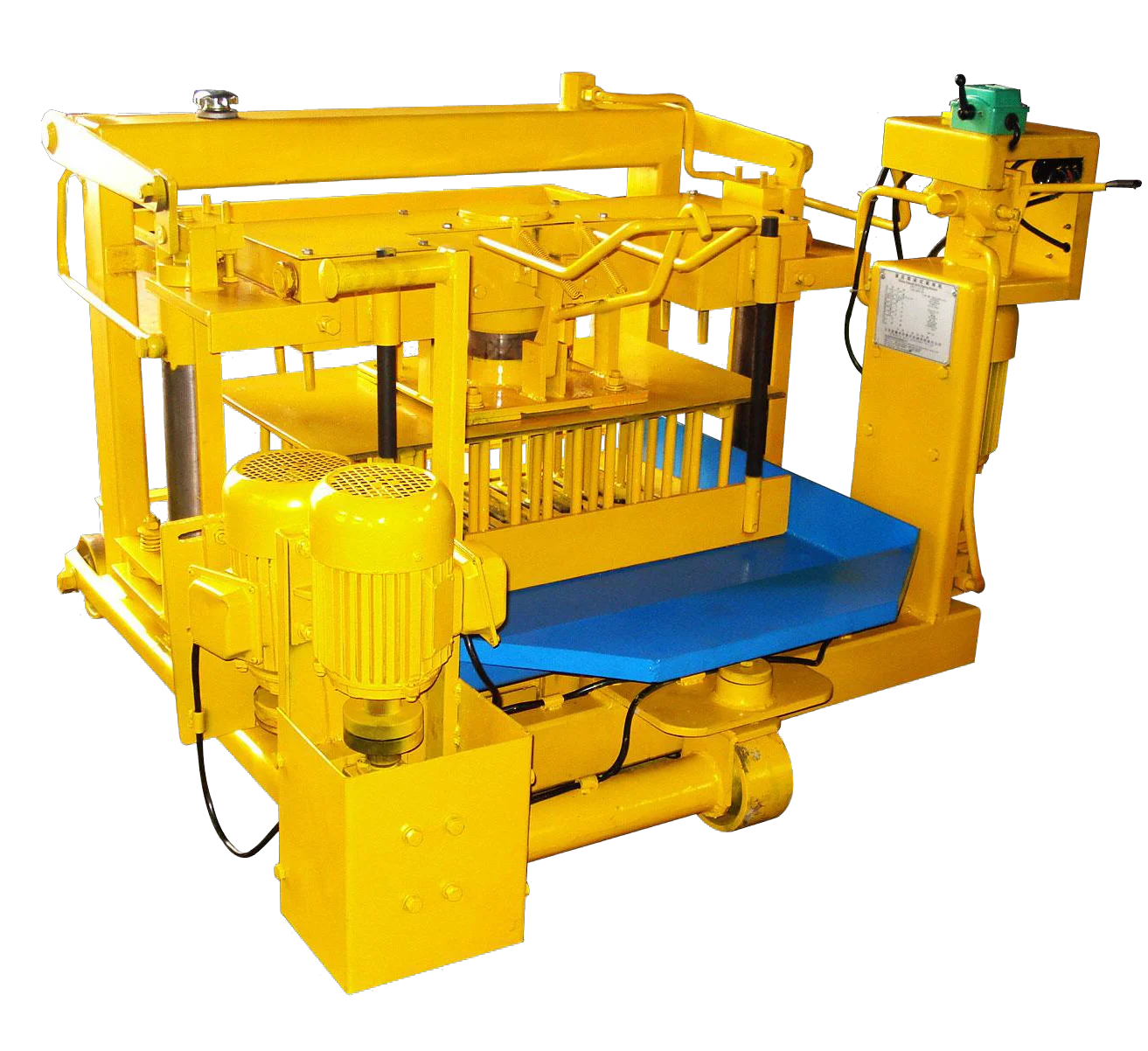
| Product Type | Mobile Egg-Laying Block Making Machine |
| Rated Power | 5 kW |
| Overall Dimensions (L×W×H) | 1200 × 1200 × 1100 mm |
| Net Weight | 950 kg |
| Molding Cycle Time | 30 seconds |
| Output Capacity | 480 pcs/h (based on 400×200×200 mm hollow block, 4 pcs/mould) |
| Output Capacity | 600 pcs/h (based on 400×150×200 mm hollow block, 5 pcs/mould) |
| Output Capacity | 840 pcs/h (based on 400×100×200 mm hollow block, 7 pcs/mould) |
| Daily Output (8 h) | 3,840 pcs (based on 400×200×200 mm hollow block) |
| Daily Output (8 h) | 4,800 pcs (based on 400×150×200 mm hollow block) |
| Daily Output (8 h) | 6,720 pcs (based on 400×100×200 mm hollow block) |
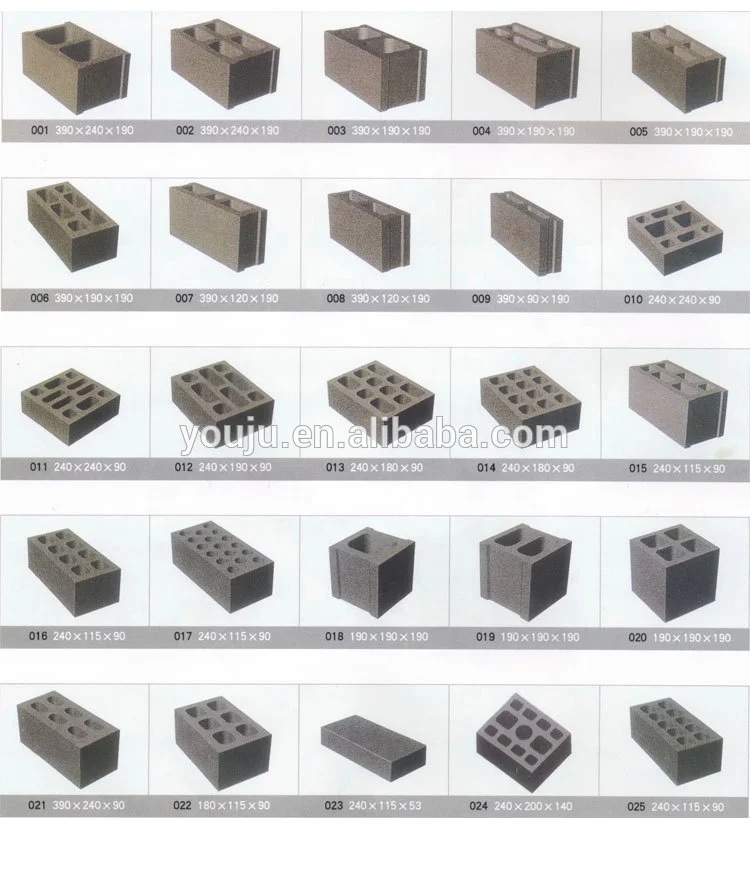
| Mould Format Options | Hollow block, solid brick (moulds changeable) |
| Raw Materials | Cement, sand, crushed stones, slag |
| Automation Level | Mobile / egg-laying, manual operation |
| Pallet Size | Not applicable (produces directly on ground) |
| Hydraulic Pressure | Stated in source, value to be confirmed |
| Vibration Force | To be confirmed |
| Voltage & Frequency | To be confirmed |
| Control System | To be confirmed |
| PLC Language Options | To be confirmed |
| Certification | To be confirmed |
Application Suitability
| Application | Material or Output |
|---|---|
| On-site hollow block production | Cement, sand, crushed stone mixed at project locations |
| Remote construction site block manufacturing | Slag, locally sourced aggregate with cement binder |
| Small-scale block plant start-up | Solid brick and hollow block formats from a single mobile unit |
| Contractor self-supply production | 400×200×200 mm hollow blocks directly on ground surface |
What the Control Panel Language Means for Your First Week
A PLC controlled egg-laying block machine that arrives with an unreadable display language wastes the entire commissioning window. The operator stares at fault codes they cannot interpret, the technician on-site loses days to remote calls, and production schedules slip before the first pallet is even laid.
I spent years running block machine projects across Southeast Asia. One QMY4-30 shipment to Indonesia arrived with an English-only interface because the PLC language was never confirmed with the buyer. The local crew could not navigate the menus, and we spent three full days on remote video calls just walking them through basic operations [NEED_CITE: PLC language configuration standards for exported industrial machinery]. That delay cost the contractor more in idle labour than the machine’s entire shipping fee. The control system on any automatic mobile block machine must match the operator’s working language before the crate is sealed.
Configuring the Control Layer for Operator Confidence
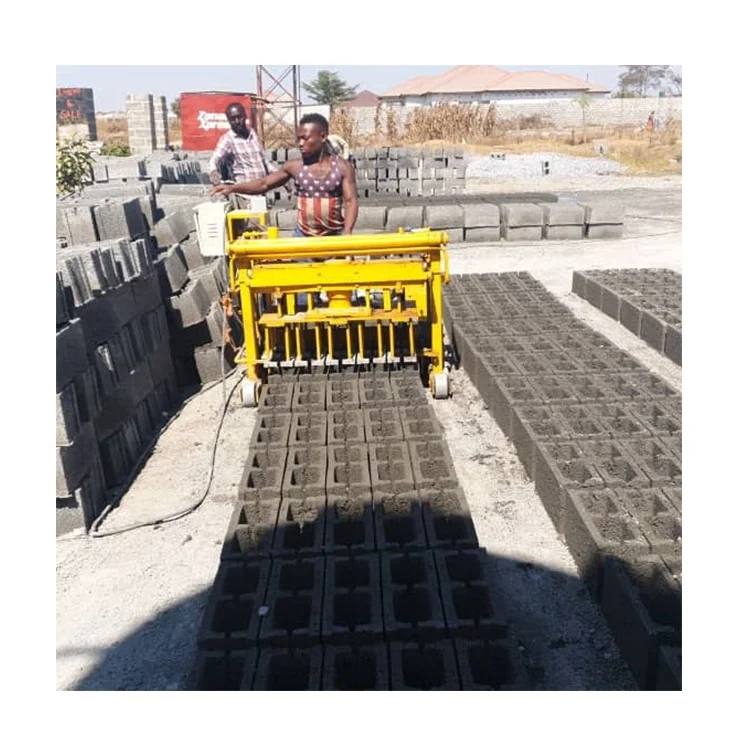
The QMY4-30 is designed around a mobile egg-laying concept, which means the operator walks with the machine as it lays blocks directly onto the ground. This working arrangement places the control panel at the operator’s immediate reach, so every button label, fault message, and cycle counter must be legible in the language they think in. When the PLC display is set correctly, the operator handles format changes and troubleshooting without waiting for translation.
Where Automation Removes Guesswork from the Cycle
Consistent block density depends on the operator repeating the same sequence every thirty seconds. An automatic mobile block machine with a programmed cycle takes over timing, vibration duration, and hydraulic pressure application, so batch-to-batch strength variation narrows. The QMY4-30 currently operates under manual control, but buyers planning a growth path can evaluate how adding automatic pallet feeding or batching accuracy would tighten their output consistency as volume demands increase [NEED_CITE: automation upgrade paths in small-scale block production].
Reading the Specifications That Determine Block Strength
The 30-second molding cycle time governs how long vibration and hydraulic pressure act on the raw mix inside the mould cavity. Higher vibration force compacts finer aggregate more effectively, while hydraulic pressure locks that compaction into final density before the block is released onto the ground. The rated power of 5 kW must cover both the vibration motor and the hydraulic pump simultaneously, so buyers should verify that the combined draw does not exceed the machine’s electrical capacity when running local aggregate with higher crushed stone content. The net weight of 950 kg provides the downward mass that keeps the machine stable during vibration, and on softer ground conditions this weight helps prevent shifting that would misalign successive block rows. Mould format options span hollow block and solid brick, meaning the vibration and pressure settings should be adjusted whenever the cavity geometry changes, since a 400×100×200 mm hollow block has less internal mass to compact than a fully solid brick of the same footprint.
The Cost of Skipping Voltage and Language Confirmation
A mobile block machine shipped to a market with a different voltage standard will either fail to start or burn out its motor within the first hour. Frequency mismatches between 50 Hz and 60 Hz alter motor speed, which shifts vibration force and cycle timing, producing blocks that crack during curing. When the PLC language does not match the operator, even simple fault codes force a full production stop while someone translates the error [NEED_CITE: electrical compatibility requirements for industrial equipment exports]. These are not theoretical risks — they appear regularly in post-delivery support logs.
Why Sourcing This Machine from a Block-Line Specialist Matters
Block machinery is the sole focus here, so the QMY4-30 is specified as part of a matched system rather than assembled from disconnected component suppliers. The configuration process starts with the buyer’s actual mix design and local aggregate, not a catalogue default that may not suit regional materials. Mould design covers the formats the buyer’s market actually sells, with custom drawings available when standard cavity layouts do not match local demand. The automation level is selectable, allowing a buyer to begin with manual operation on the QMY4-30 and plan a future upgrade path as production volume grows. Installation support includes operator training so the crew understands cycle timing, mould change procedure, and daily maintenance from the first shift.
Documentation & Verification
- Capacity calculation sheet stating block format, mould cavity count, and cycle time for each output figure
- Machine specification document confirming rated power, dimensions, and weight for site planning
- Mould drawing and format list showing all available hollow block and solid brick cavity options
- Voltage and control language confirmation document signed before production begins
- Factory test record covering molding cycle operation on the buyer’s selected block format
- Operation and maintenance manual in the operator’s working language
Installation, Commissioning & Support
- Ground surface must be level and compacted to support the 950 kg machine weight during vibration cycles
- Electrical supply matching confirmed voltage and frequency must be available within cable reach of the 5 kW rated power
- Machine arrives as a single mobile unit requiring no fixed foundation or pallet system
- First commissioning covers cycle timing, vibration duration, and hydraulic pressure adjustment for the buyer’s local aggregate
- Operator training addresses mould changeover between hollow block and solid brick formats
- Wear parts list identifies components requiring regular inspection based on the 30-second cycle frequency
Before You Request a Quotation
Send your target block format with exact dimensions, the daily output you need, and the raw materials available at your project site. Confirm the voltage and frequency at your location, along with the language your operators read on a control display. If you plan to expand from manual to semi-automatic or fully automatic operation later, note that growth path so the PLC controlled egg-laying block machine configuration leaves room for future additions.
Frequently Asked Questions
Q: How is the QMY4-30 output capacity verified for each block format?
A: Every output figure is tied to a specific block dimension and mould cavity count. The 480 pieces per hour rating applies to 400×200×200 mm hollow blocks with four cavities per mould at a 30-second cycle. Different formats yield different counts per cycle, so daily totals shift accordingly. Buyers receive a capacity table listing each format separately rather than a single maximum number.
Q: Can the PLC display language be set for our local operators?
A: Yes, the control system language must be confirmed before the machine enters production. Operators need to read fault codes, cycle timers, and parameter settings without translation delays. This confirmation is documented in writing and verified during the factory test so the correct language file is loaded before shipment.
Q: What automation options exist if we start with manual operation?
A: The QMY4-30 is configured as a manual mobile unit, but buyers can plan an upgrade path toward semi-automatic or automatic control. Adding batching accuracy, automatic pallet feeding, or stacking systems reduces operator dependency and improves consistency. Discussing future volume targets during the initial inquiry ensures the electrical and hydraulic architecture supports later expansion.
Q: How do hydraulic pressure and vibration settings adapt to different local aggregates?
A: Hydraulic pressure and vibration force must match the buyer’s specific mix design and aggregate gradation. Coarser crushed stone typically requires higher vibration energy, while finer sand blends respond to adjusted pressure. These parameters are set during commissioning and documented so the operator can reference them when raw material batches vary.
Q: What is the mould changeover procedure on this machine?
A: The QMY4-30 supports changeable moulds for hollow block and solid brick formats. The procedure involves releasing the current mould, positioning the replacement, and securing it before recalibrating vibration and pressure settings for the new cavity geometry. Exact changeover duration depends on the operator’s familiarity and should be confirmed during training.