


Description
Matched Control Logic — a Japan Mitsubishi PLC unit configured to your operator’s language before the QT10-15 leaves the factory, so the first power-on is a production start, not a troubleshooting session.
Technical Specifications
| Parameter | Value |
|---|---|
| Model | QT10-15 |
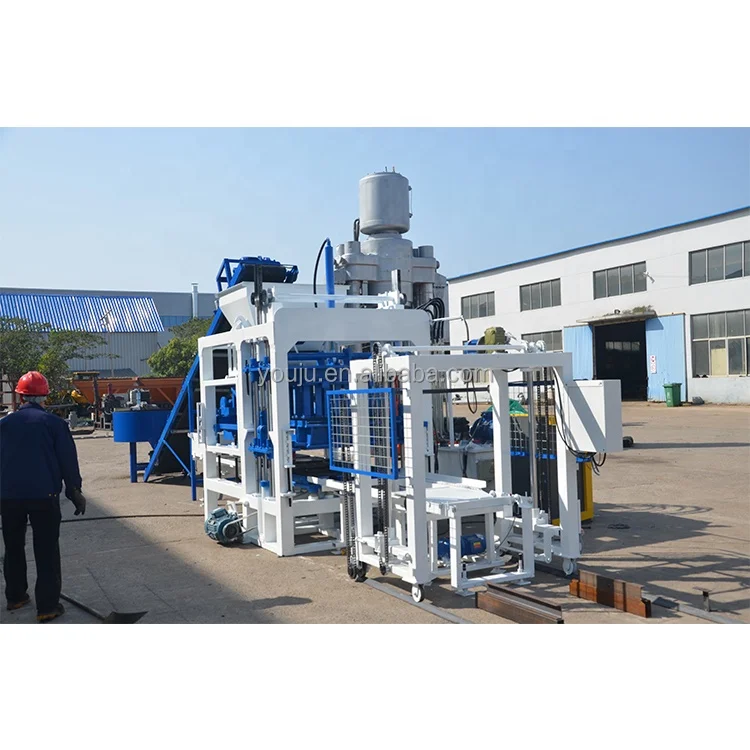
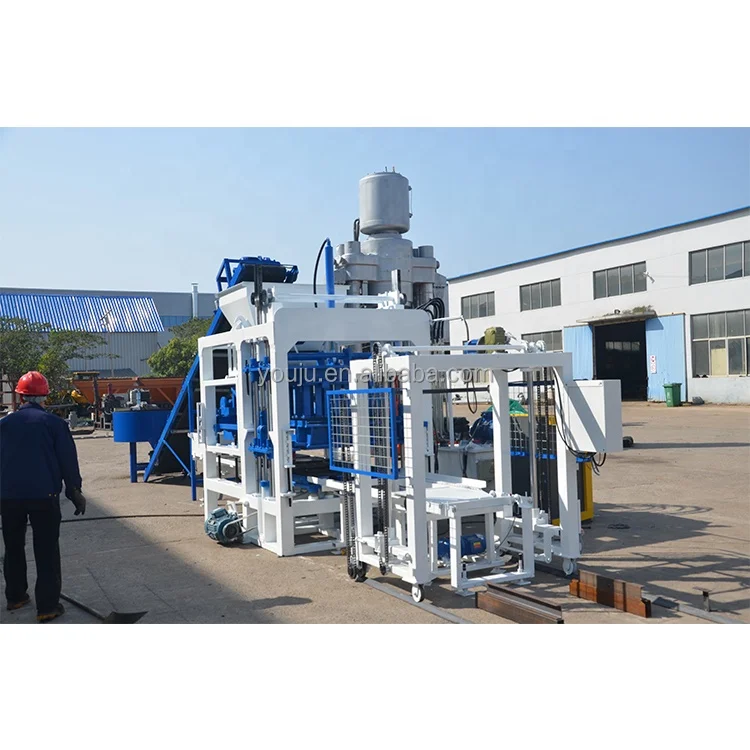
| Product Type | Fully Automatic Concrete Block Making Machine |
| Overall Dimensions (L×W×H) | 9350 × 2320 × 2950 mm |
| Rated Power | 44 kW (overall) |
| Rated Pressure | 21 MPa |
| Vibration Form | Platform vibration |
| Vibration Frequency | 4500–5100 r/min |
| Pallet Size | 1100 × 900 mm |
| Molding Cycle | 15–25 s |
| Forming Height | 40–250 mm |
| Moulding Area | 1025 × 810 mm |
| Mixer Model | JS750 |
| Water Consumption | 12 T/day |
| Voltage | Customized to local request |
| PLC Control Unit | Japan Mitsubishi Electric |
| Hydraulic Unit | Taiwan Jiugang |
| Switch Components | Japan Omron |
| Electrical Elements | France Schneider |
| Host Machine & Mixer Motor | Germany Siemens |
| Mould Treatment | High-temperature carburizing heat treatment |
| Steel Standard | National standard steel, special welding |
| Automation Level | Fully Automatic |
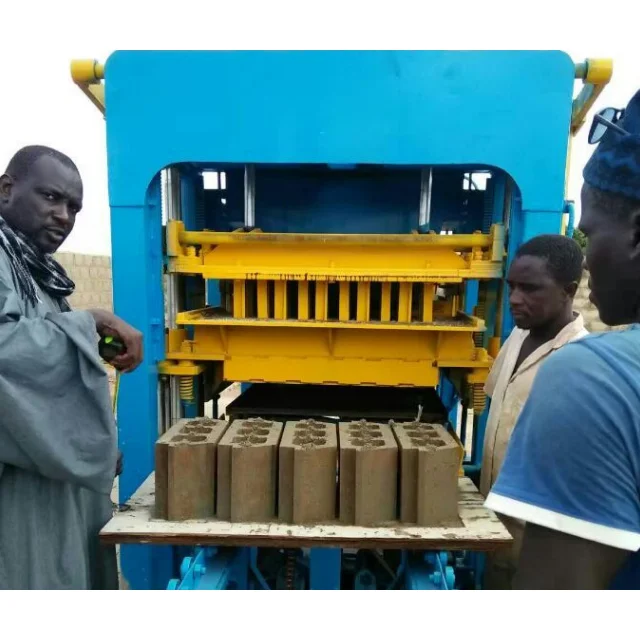
| Output: 400×200×200 mm Hollow Block | 10 pcs/mould, 1800–2400 pcs/h, 14400–19200 pcs/8h |
| Output: 400×150×200 mm Hollow Block | 12 pcs/mould, 2160–2880 pcs/h, 17280–23040 pcs/8h |
| Output: 240×115×90 mm Solid Brick | 52 pcs/mould, 9360–12480 pcs/h, 74880–99840 pcs/8h |
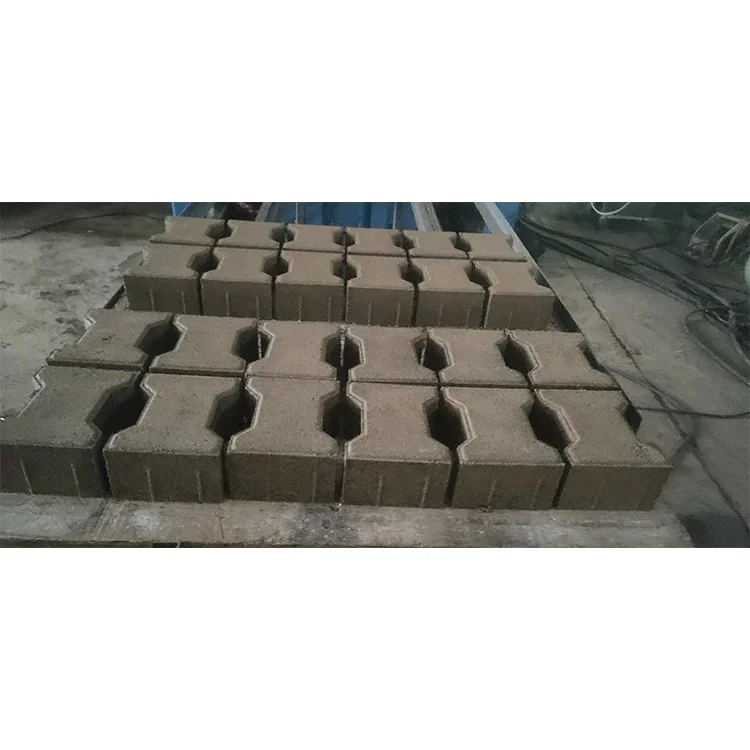
| Block Formats Supported | Hollow block, brick, fly ash brick, paver, interlock brick, curbstone |
| CE Compliance | European CE standard motors |
Application Suitability
| Application | Material or Output |
|---|---|
| Hollow block production plant | Crushed stone, cement, sand aggregate mixes — 10 or 12 pcs per mould per cycle |
| Solid brick manufacturing | Fly ash, cement, fine sand blends — 52 pcs per mould per cycle |
| Paver and interlock brick line | Pigmented face mix with standard body mix for decorative formats |
| Kerbstone and curb production | High-strength concrete with coarse aggregate on a dedicated mould |
| On-site construction block output | Local aggregate with cement for project-specific hollow and solid formats |
Why "Cycles per Hour" Is the Wrong Starting Point
Output means nothing without the block format and mould configuration stated next to the number.
Many quotations list a single throughput figure — say, 2400 pieces per hour — without revealing that the calculation assumes the largest hollow block the machine can press. Swap the mould to a smaller solid brick and the per-cycle piece count changes entirely, even though the automatic QT10-15 block making machine PLC controlled cycle remains the same 15–25 seconds. I have watched buyers sign contracts based on a headline capacity, then realize on commissioning day that their actual format delivers a different daily tally. The table above states each figure with its specific block dimension and piece-per-mould count so you can size the line to what your market actually buys. [NEED_CITE: block format and mould assumptions in capacity quotations]
How PLC Control Changes the Operator’s Day
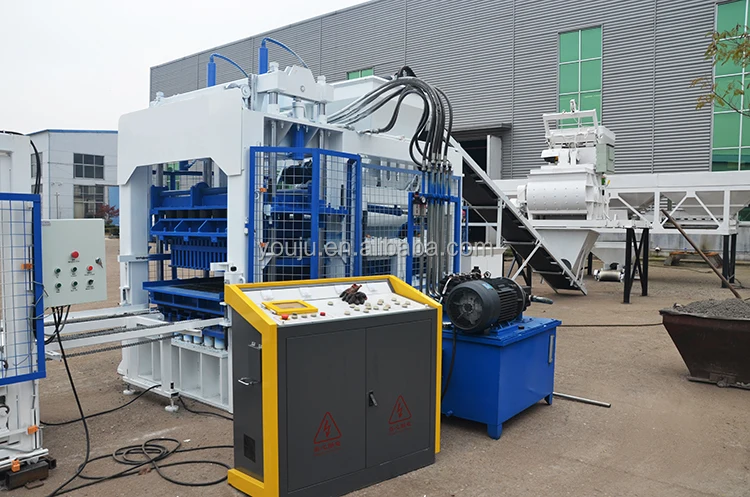
A Japan Mitsubishi PLC manages the entire press cycle — feed, vibrate, press, eject — without manual timing input. The automatic QT10-15 block making machine PLC controlled interface lets you set moulding cycle duration, vibration force, and hydraulic pressure from a single screen. When the operator language matches the crew on the floor, parameter adjustments happen during a shift change instead of waiting for a translator.
Automation That Keeps the Press Fed
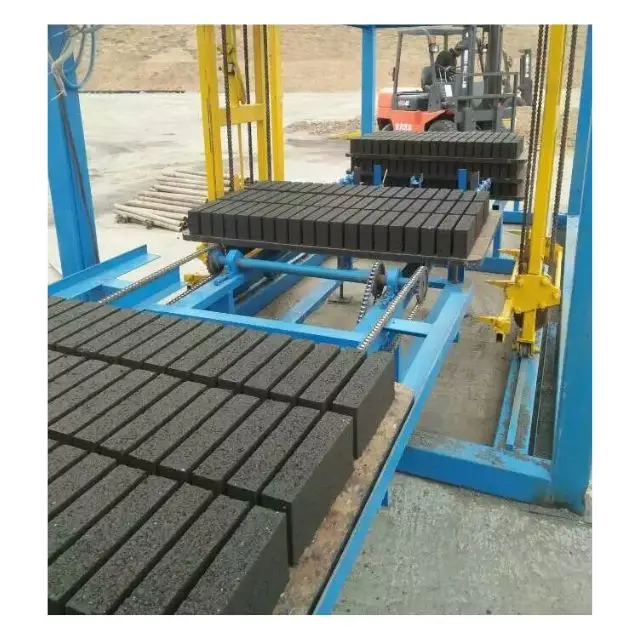
Fully automatic operation means the pallet feeder, raw material batcher, and stacking unit all follow the PLC’s master clock. If the pallet return loop lags behind the press cycle, the QT10-15 sits idle and capacity drops. The control logic sequences each station so the press never waits for a pallet or a mix charge, keeping the 15–25 second molding cycle consistent across all supported block formats. [NEED_CITE: PLC sequencing of block line stations]
What the Numbers Actually Mean for Your Floor
The 21 MPa rated pressure and 4500–5100 r/min platform vibration work together to compact concrete into the mould cavity. Higher vibration frequency fluidizes the mix while hydraulic pressure packs it, producing consistent density from the first brick to the ten-thousandth. The 1025 × 810 mm moulding area on a 1100 × 900 mm pallet defines the maximum platen footprint, and the 40–250 mm forming height range covers thin pavers up to tall hollow blocks. Siemens motors on both the host machine and the JS750 mixer deliver the torque needed to sustain that cycle under full load. The 44 kW overall power rating tells your electrician what dedicated circuit to run — confirm voltage and frequency with us before production so the motor windings match your grid.
What Happens When Control Language Is an Afterthought
I once spent two days on a commissioning in West Africa because the control panel shipped in default Chinese. The operators could not navigate the menu, so every parameter change required a phone call to a translator. That delay pushed the first production run past the project deadline. When the PLC display language and voltage are confirmed after the machine is built rather than before, you pay for re-flashing firmware and sometimes rewinding motors — costs that could have been avoided with a five-minute checklist before the order was locked. [NEED_CITE: PLC language and voltage confirmation before dispatch]
Why the Line Is Specified as One System
Block machinery is the single focus here, so the QT10-15 press, JS750 mixer, pallet handling, and mould set are matched as one line rather than sourced from separate vendors. Configuration starts from your local aggregate and target block format, not a catalogue default. Moulds are designed for the dimensions your market sells, including custom drawings if your format sits outside the standard list. The automation level is selectable — you can begin with semi-automatic pallet handling and upgrade to full stacking later without replacing the press.
Documentation & Verification
- Line layout with capacity calculation per stated block format
- Machine specification sheet covering electrical and hydraulic systems
- Mould drawing and complete format list for your production plan
- Pallet specification matched to your curing racks and forklift
- Voltage and PLC control language confirmation sheet before production
- Factory test record on your chosen block format before dispatch
Installation, Commissioning & Support
- Foundation plan reflecting 9350 × 2320 mm footprint and 44 kW load
- Dedicated power circuit sized to your confirmed voltage and frequency
- Machine dismantled for container loading with reassembly guidance on arrival
- On-site PLC parameter tuning for your specific aggregate and block format
- Operator training on Mitsubishi interface in your confirmed language
- Wear parts list covering hydraulic seals and mould surfaces with reorder codes
What to Include in Your Inquiry
Send the block dimensions your market actually sells, the daily output you need for each format, and the aggregate available locally. Confirm your site voltage, frequency, and preferred operator language. If you already run pallets or curing racks, share the dimensions so the pallet specification fits your existing handling equipment.
Frequently Asked Questions
Q: How is output capacity verified per block format and what assumptions are stated?
A: Each capacity figure is tied to a specific block dimension, piece-per-mould count, and molding cycle range. The QT10-15 data sheet states the hollow block size and brick size separately so you can calculate daily output for the format you actually produce, not a generic headline number.
Q: What PLC control language options are available and how is voltage confirmed?
A: The Mitsubishi PLC display can be set to the operator language you specify before production. Voltage and frequency are confirmed during the ordering stage so motor windings and control transformers match your local grid, avoiding rewinding or firmware changes on site.
Q: Can I start semi-automatic and upgrade the automation level later?
A: Yes. The press and control architecture allow you to begin with manual pallet handling and add automatic pallet feeding, stacking, or cubing modules later. The QT10-15 PLC retains upgrade capacity so additional stations integrate without replacing the main controller.
Q: How long does a mould change take on this machine?
A: Mould change time depends on the format switch and whether you use the quick-change fixture. A prepared crew with the next mould staged beside the press can complete the swap within a portion of a shift, restoring production the same day rather than losing a full shift to changeover.
Q: How are pallet size and material selected to match existing equipment?
A: The 1100 × 900 mm pallet is specified alongside your curing rack spacing and forklift tine width. Material choice — bamboo, PVC, or steel — depends on your curing method and expected pallet lifespan. Confirming these details before production avoids mismatched handling on arrival.