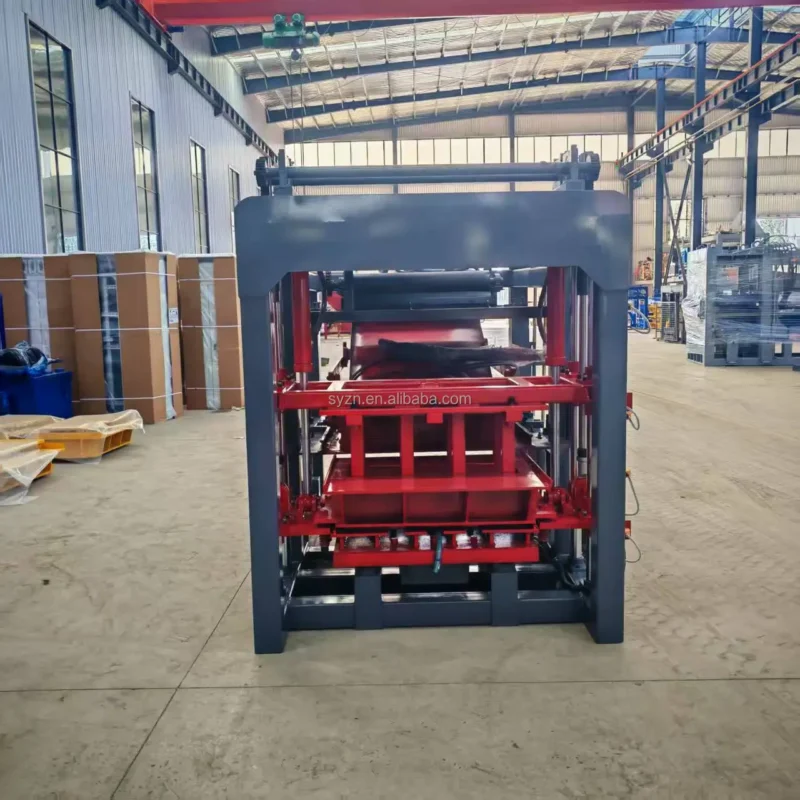


Description
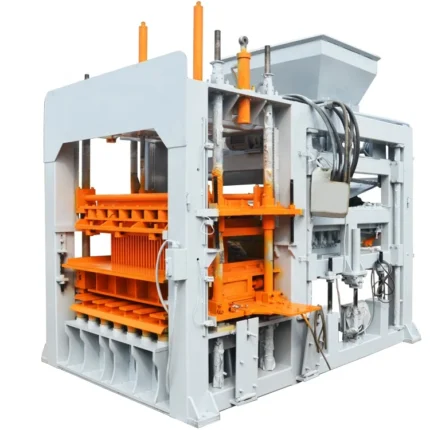
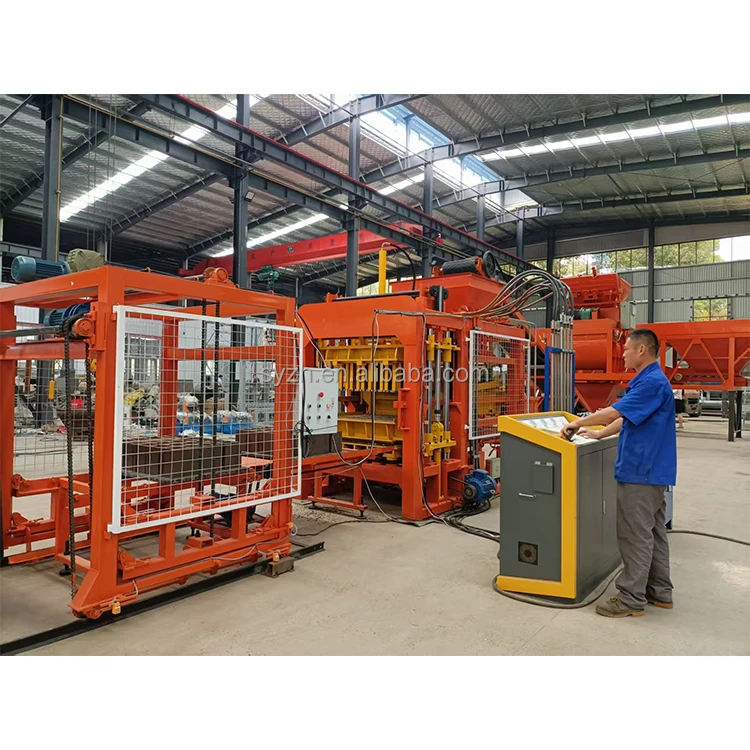
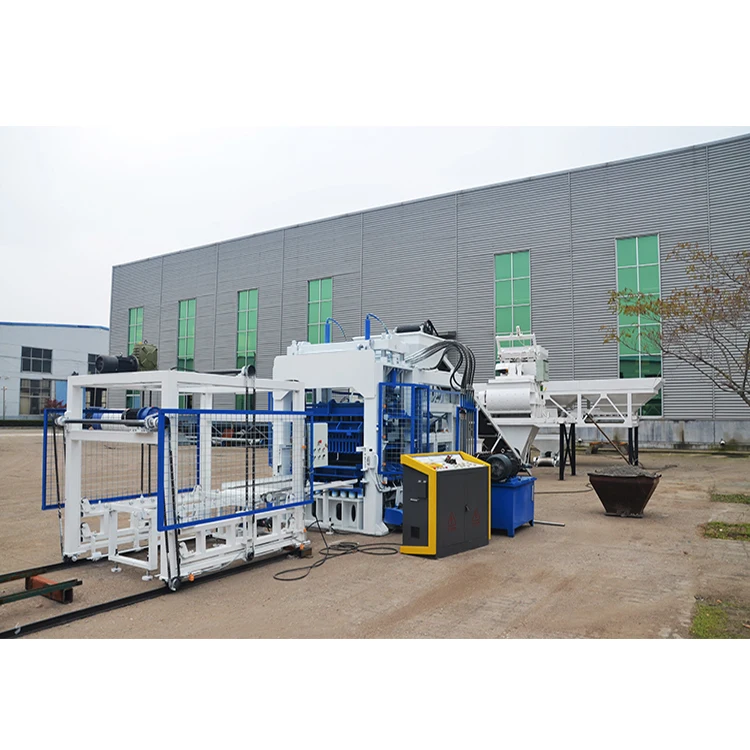
Configuration Set Against Your Actual Mix — The QT4-15A automatic block making machine PLC controlled is specified with rated pressure and vibration force matched to your local aggregate, not pulled from a catalogue default.
Technical Specifications
| Parameter | Value |
|---|---|
| Model | QT4-15A |
| Product Type | Fully Automatic Concrete Block Making Machine |
| Overall Dimensions (L×W×H) | 4100×1600×2600 mm |
| Rated Pressure | 16–21 MPa |
| Main Vibration Form | Platform Vibration |
| Vibration Frequency | 4200 r/min |
| Vibration Force | 55 kN |
| Pallet Size | 880×550 mm |
| Molding Cycle | 25–30 s (basis not stated in source — confirm block format / material / thickness) |
| Overall Power | 18.45 kW |
| Total Mass | 4 T |
| Demolding Method | Hydraulic |
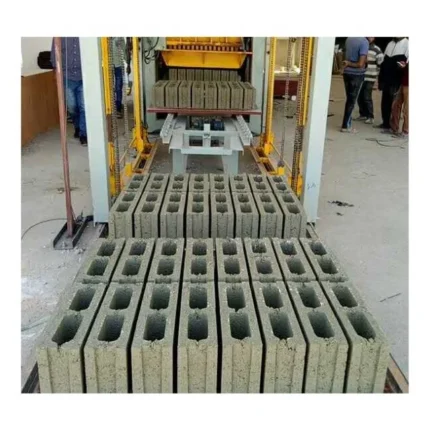
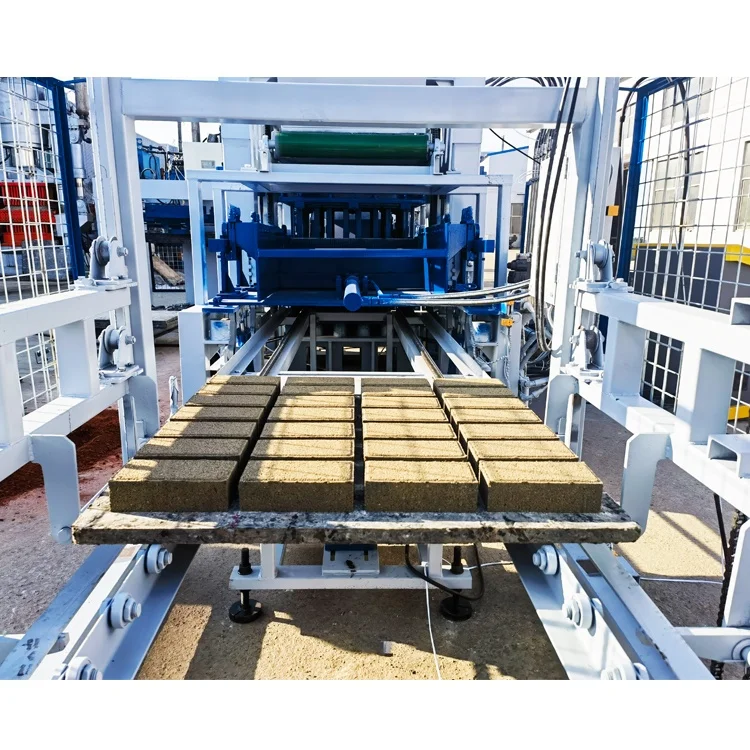
| Applied Products | Concrete blocks, hollow/solid blocks, pavers, interlocking blocks, curbstone, colored pavers |
| Control System | PLC |
| Automation Level | Fully Automatic |
| Factory Area | 300 m² |
| Loading | 1×40HQ container |
| Warranty | 1 year (excluding spare parts) |
Application Suitability
| Application | Material or Output |
|---|---|
| Block production plants | Hollow and solid blocks from crushed stone, sand, cement, and fly ash |
| Paver and interlocking brick lines | Interlocking bricks and colored pavers from fine aggregates |
| On-site construction production | Curbstone and solid blocks using locally available gravel and slag |
| Format expansion for concrete manufacturers | Multiple formats on a single 880×550 mm pallet footprint |
What "25-Second Cycle" Actually Means for Your Daily Output
A cycle time is only meaningful when tied to the exact block format and material you intend to run.
I once watched a buyer celebrate a quoted cycle time, only to find their actual interlocking brick cycle ran noticeably longer because the quoted figure assumed a standard hollow block. The automatic block making machine PLC controlled QT4-15A lists 25–30 seconds, but that number shifts with block thickness, mix moisture, and the compaction your specific aggregate demands. Without a format-stated capacity calculation, daily output figures are guesses. [NEED_CITE: cycle time variation by block format and aggregate type]
How PLC Control Removes Operator Guesswork
The PLC system on this machine manages the entire press cycle — vibration duration, hydraulic pressure application, and demolding timing. On a manual or semi-automatic press, the operator decides when to stop vibrating or when to lift the mould, which introduces batch-to-batch variation. The automatic block making machine PLC controlled QT4-15A executes the same sequence every cycle, so block density stays consistent from the first pallet to the last.
Matching Vibration and Pressure to Your Aggregate
Platform vibration at 55 kN and 4200 r/min works for many standard mixes, but if your local aggregate is heavier or more abrasive — laterite, volcanic scoria, or recycled demolition crush — the vibration profile must be adjusted. The rated pressure of 16–21 MPa works in concert with vibration force to compact the mix. When these two are mismatched to the material, you get blocks that are either under-compacted and weak or over-pressed and cracked at the edges. [NEED_CITE: vibration force and hydraulic pressure matching for block compaction]
Reading the Numbers That Actually Matter on the Floor
The 880×550 mm pallet size determines which moulds fit and how many blocks you get per cycle. A larger pallet means more blocks per press but requires a curing area and forklift that can handle it. The 18.45 kW overall power draw tells you what electrical supply you need before the machine arrives — undersizing the transformer causes PLC faults and motor burnout. The 4 T total mass means you need a level concrete foundation capable of absorbing repeated vibration without cracking. These four parameters — pallet size, power, mass, and pressure — define whether the machine integrates into your existing plant or forces a rebuild.
The Hidden Cost of Unconfirmed Automation Scope
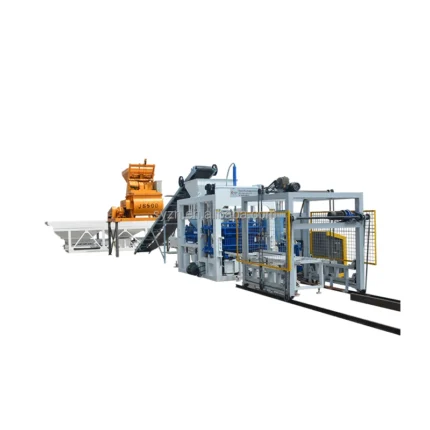
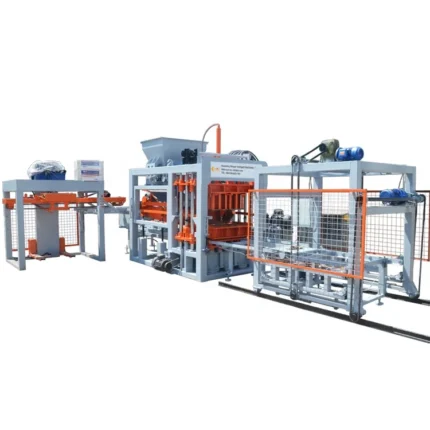
A quotation labeled "fully automatic" can mean different things to different suppliers. Some include pallet feeding, stacking, and cubing; others deliver only the press and expect you to handle output manually. I have seen buyers arrive at commissioning week expecting an automatic stacker, only to find workers loading pallets by hand. The stacking method and pallet handling configuration on this machine must be confirmed before production begins. [NEED_CITE: scope of automation in block machine quotations]
Why Buyers Specify This Machine Here
Block machinery is our single focus, which means the press, mould, pallet, and handling equipment are specified as one matched system rather than assembled from separate suppliers. Every configuration is set against the buyer’s actual mix design and local aggregate, not a catalogue default. Mould design covers the formats your market sells, including custom drawings. The automation level is selectable, so you can start semi-automatic and expand later. Installation includes operator training, and mould and wear parts support continues after commissioning.
Documentation & Verification
- Line layout and capacity calculation stating the exact block format assumed for cycle time
- Machine specification sheet with confirmed voltage, frequency, and PLC display language
- Mould drawing and format list showing every block type the press can produce
- Pallet specification matched to your curing area dimensions and forklift capacity
- Factory test record run on your specified mix design before dispatch
- Operation and maintenance manual with hydraulic and electrical schematics
Installation, Commissioning & Support
- Foundation must support 4 T static load plus dynamic vibration forces across the 4100×1600 mm footprint
- Electrical supply confirmed for 18.45 kW total draw with dedicated circuit and correct voltage and frequency
- Machine ships in 1×40HQ container; on-site reassembly required after unloading
- PLC parameters calibrated to your block format and mix during commissioning visit
- Operator training covers mould change procedure, daily maintenance, and PLC fault reading
- Hydraulic seals and vibration components listed in wear parts schedule for reorder planning
What to Include in Your Inquiry
Before we quote, we need to know the block formats you intend to produce, the daily output you are targeting, and the raw materials available at your site. Share your local voltage and frequency so the electrical system is configured before production starts. If you have existing pallets, forklifts, or curing racks, send their dimensions so the line is built around what you already own.
Frequently Asked Questions
Q: How is the PLC control system configured and what language options are available for the HMI display?
A: The PLC is programmed for the specific block formats and cycle parameters you confirm before production. The HMI display language must be specified at order stage — common options include English, Spanish, French, and Arabic. Confirming the language upfront avoids commissioning delays where operators cannot read fault codes or adjust settings on the automatic block making machine PLC controlled system.
Q: What automation level does the QT4-15A include, and what is the upgrade path?
A: The QT4-15A is designated fully automatic, covering PLC-managed press cycling and hydraulic demolding. Pallet feeding, stacking, and cubing are line stations that may be included or configured separately depending on the quotation scope. Buyers starting with manual pallet handling can add automatic stacking and cubing modules later as production volume grows.
Q: How is vibration force and hydraulic pressure matched to the buyer’s local aggregate?
A: We request a sample or description of your local aggregate — whether river sand, crushed stone, fly ash, laterite, or slag — and adjust vibration duration and pressure settings accordingly. The 55 kN vibration force and 16–21 MPa rated pressure are baseline values; the actual working point is set during factory testing with your confirmed mix design.
Q: Is pallet feeding, stacking, and cubing included, or configured as separate line stations?
A: This depends on the quotation scope you agree to. The press itself is fully automatic, but upstream pallet feeding and downstream stacking can be standalone stations. Confirm these items explicitly so you know whether finished blocks are stacked automatically or require manual handling at the end of each cycle.
Q: What is the mould change procedure and how does it affect format flexibility?
A: Mould change involves releasing the clamping system, lifting the current mould, and securing the replacement. The time required depends on the mould change system fitted. If you plan to run multiple block formats in a single shift, request the stated mould change time so you can calculate realistic production hours per format.