

Description
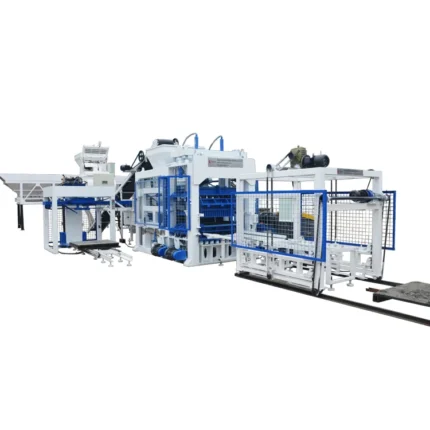
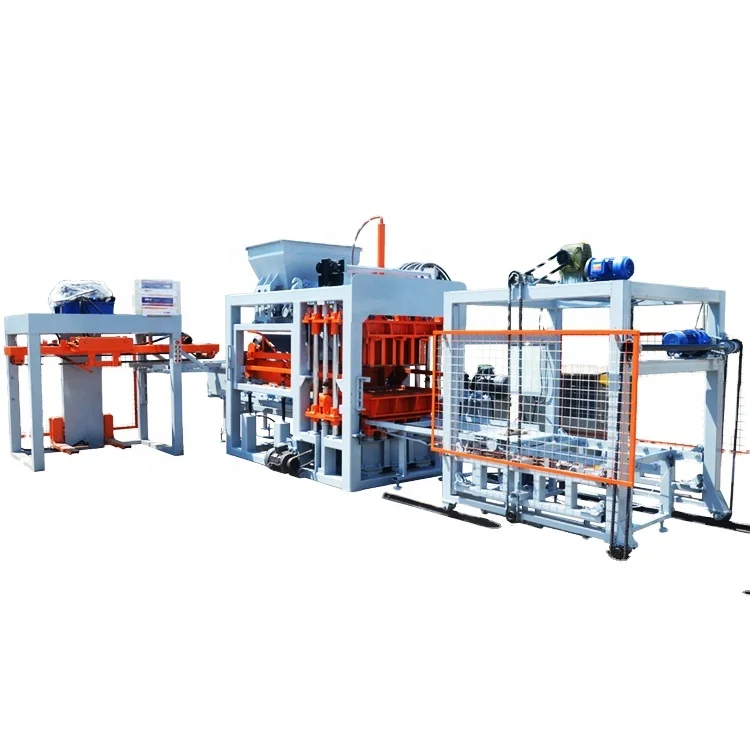
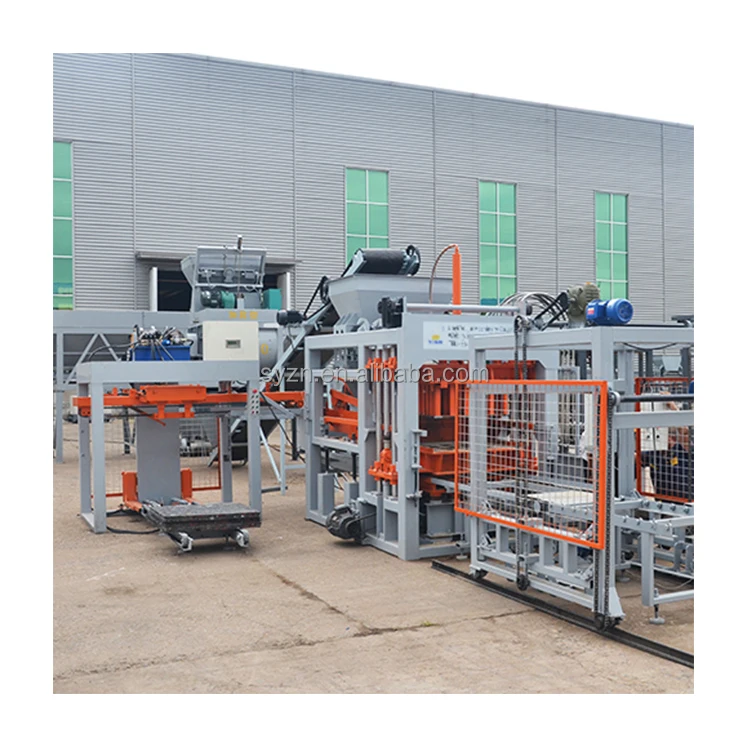
Matched System Specification — QT6-15 automatic concrete block making machine PLC controlled with vibration, pallet and automation configured as one integrated line rather than separate components.
Technical Specifications
| Parameter | Value |
|---|---|
| Model | QT6-15 |
| Product Type | Automatic Concrete Hollow Block Making Machine |
| Overall Dimensions (L×W×H) | 7400×1900×2660 mm |
| Molding Cycle | 15–25 s (basis not stated in source) |
| Vibration Frequency | 4600 r/min |
| Vibration Force | 40–50 kN |
| Rated Power | 31.25 kW |
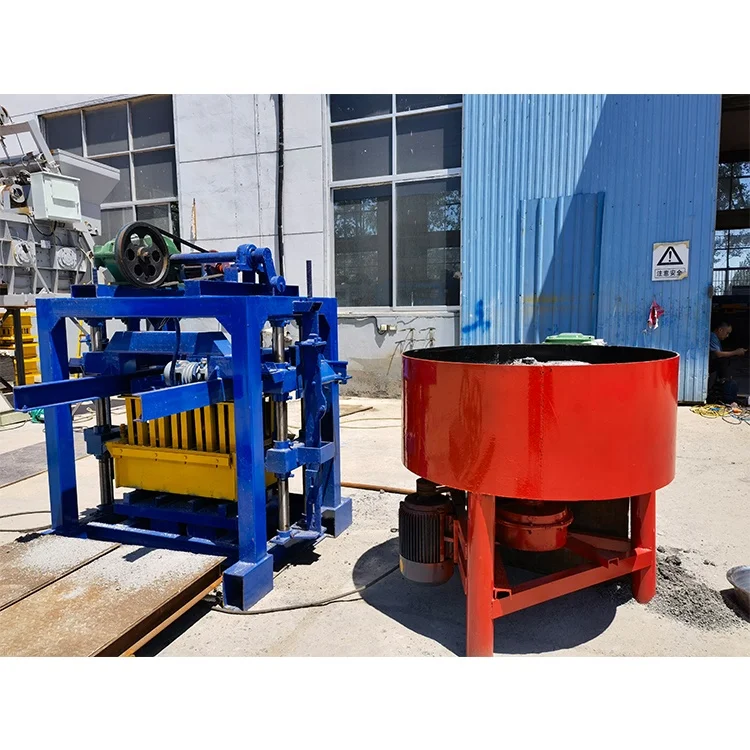
| Mixer Model | JQ350 |
| Pallet Size | 850×550×25 mm |
| Total Weight | 7 T (source value — verify) |
| Control System | PLC control system |
| Hydraulic Station | Included (pressure rating not stated in source) |
| Included Auxiliary | Pallet feeder, brick conveyor, block sweeper, manual hydraulic trolley |
| Automation Level | Automatic (PLC-controlled with pallet feeder) |
| Standards | CE |
Application Suitability
| Application | Material or Output |
|---|---|
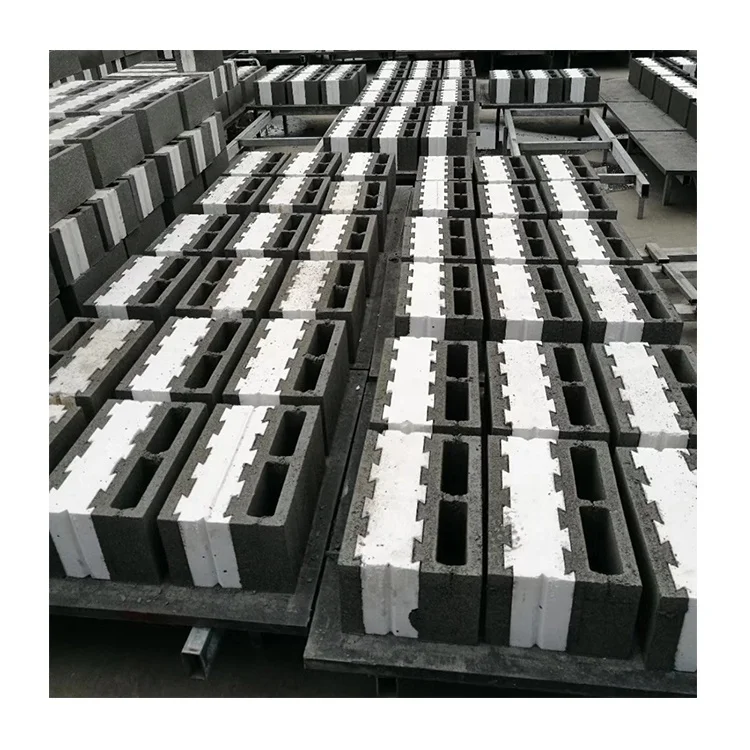
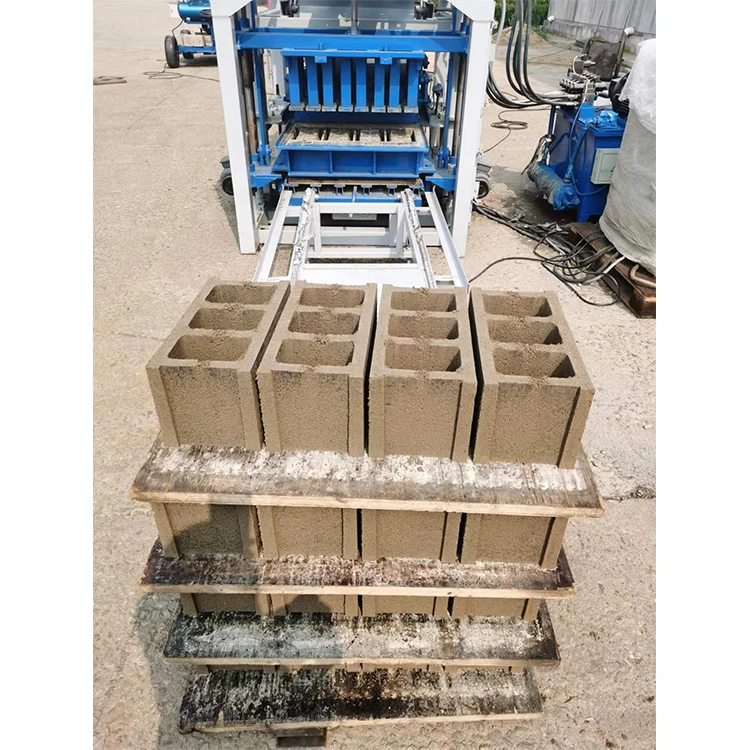
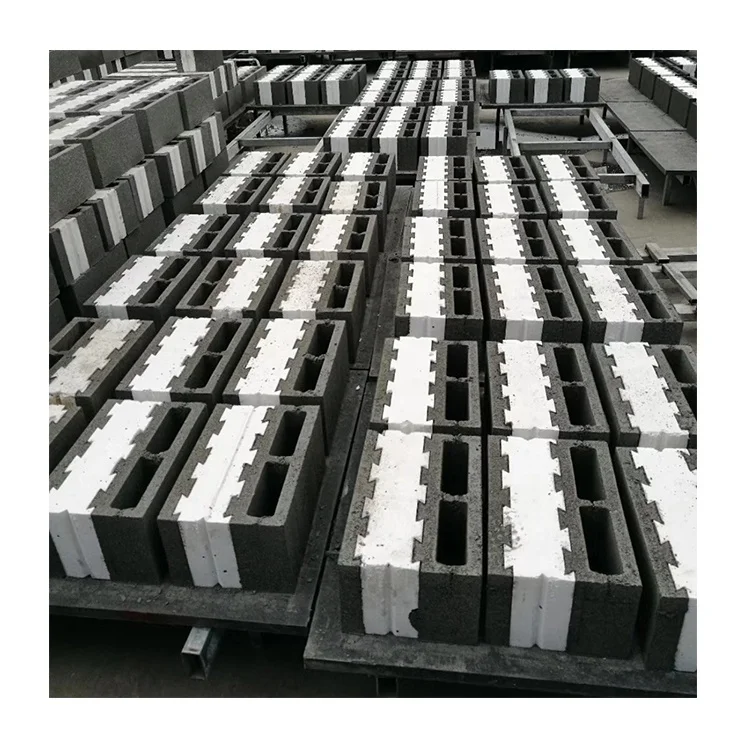
| Hollow block production | Crushed stone, sand, cement, fly ash, stone dust |
| Solid brick production | 240×115×53 mm format from standard concrete mix |
| Paver production | Interlocking and standard paving formats |
| Curbstone production | High-density mix with matched hydraulic pressure |
Why the PLC Language Question Comes Before the Price
An automatic concrete block making machine PLC controlled in the wrong language stops production before it starts.
When a panel defaults to a script the local operator cannot read, every parameter adjustment becomes guesswork. A Middle East commissioning once lost two full shifts because the interface arrived in Chinese, and the on-site electrician had no way to navigate the cycle settings. The automatic concrete block making machine PLC controlled for export markets must ship with the display language, voltage and frequency locked in during production — not discovered at the container door. [NEED_CITE:]
Control Logic That Removes Operator Guesswork
The PLC system on this QT6-15 manages vibration timing, hydraulic pressure sequence and pallet indexing as a coordinated routine. Each block format stores its own cycle parameters, so switching from hollow block to paver does not require the operator to re-enter timing values manually. This batch-to-batch consistency is what separates a true automatic concrete block making machine PLC controlled setup from a press with a basic relay panel.
Automation Stations and Where They Connect
The pallet feeder indexes boards into the press at a rate matched to the molding cycle, preventing the operator from hand-feeding and introducing timing drift. The brick conveyor moves cured products off the line while the block sweeper cleans pallet surfaces before re-entry. These stations must run at the same cadence as the press — if one lags, the entire line waits. [NEED_CITE:]
Reading the Specs That Actually Matter
Vibration force at 40–50 kN works together with hydraulic clamping to determine block density; neither figure alone tells the full story. The 4600 r/min vibration frequency suits the mid-range aggregate sizes typical in hollow block mixes, where coarser stone demands lower frequency and higher amplitude. Pallet dimensions at 850×550×25 mm must match the curing racks and forklift tines already on-site, otherwise the buyer faces a secondary equipment change. The 31.25 kW rated power covers the press, mixer and auxiliary stations together, meaning the incoming supply must carry that load continuously without voltage sag during vibration peaks.
The Cost of Overlooking Configuration Details
Specifying a machine without confirming the local aggregate grading means the vibration force and cycle time may not compact the available mix properly, leaving blocks that crumble at the edges. Choosing a pallet size without checking the curing area dimensions forces the buyer to rebuild rack spacing or handle product manually. Ignoring the PLC display language until arrival turns a routine commissioning into a multi-day troubleshooting exercise. [NEED_CITE:]
Why Buyers Source This Line Here
Block machinery remains the sole product focus, so the QT6-15 press, mould, pallet and handling equipment arrive as one matched set rather than separate purchases that may not interface. Configuration starts with the buyer’s actual mix design and target block format, not a catalogue default. Voltage, frequency and PLC language are confirmed before production, eliminating the most common commissioning delays. The automation level can begin with the included pallet feeder and extend toward stacking and cubing as the plant scales.
Documentation & Verification
- Factory test record showing actual cycle time for your specified block format before dispatch
- PLC language and voltage confirmation sheet signed off before production begins
- Mould drawing and format list matching your local market product range
- Operation and maintenance manual with wear parts schedule and lubrication intervals
- Line layout showing pallet flow from feeder through press to curing area
Installation, Commissioning & Support
- Foundation must carry 7 T static load across the 7400 mm machine footprint
- Incoming supply rated for 31.25 kW continuous draw with dedicated circuit breaker
- PLC display language verified on-site against operator capability before first cycle
- Pallet feeder timing calibrated to match your chosen molding cycle per format
- Mould changeover procedure trained with your team using actual production formats
- Wear parts list provided with recommended replacement intervals per component
What We Need to Configure Your Line
Send your target block format with dimensions, required daily output and the aggregate grading available locally. Confirm the site voltage, frequency and the language your operators read. If you have existing curing racks or forklifts, share the dimensions so the pallet specification matches your handling equipment.
Frequently Asked Questions
Q: How is output capacity verified and what block format does each figure assume?
A: Every capacity figure references a specific block dimension and cycle time. For example, 1200–1680 pieces per hour assumes a 400×200×200 mm hollow block at a 15–20 second cycle. Different formats change the output, so the proposal states capacity per format rather than quoting a single peak number.
Q: What PLC control language options are available for the target market?
A: The display language is confirmed during the quotation stage and programmed before production. Options include English, Spanish, Arabic, French and Russian among others. The language confirmation sheet is signed off by both parties to prevent commissioning delays.
Q: How is vibration force and hydraulic pressure matched to the buyer’s mix design?
A: The buyer provides local aggregate grading and cement ratio. Vibration frequency and hydraulic clamping pressure are then set to achieve proper compaction for that specific mix, ensuring block strength meets the local standard without excessive cement usage.
Q: What is the upgrade path from the current automation level?
A: The QT6-15 ships with a pallet feeder and manual hydraulic trolley. The system can later accept automatic stacking and cubing stations that integrate with the existing PLC, adding higher automation without replacing the press or control hardware.