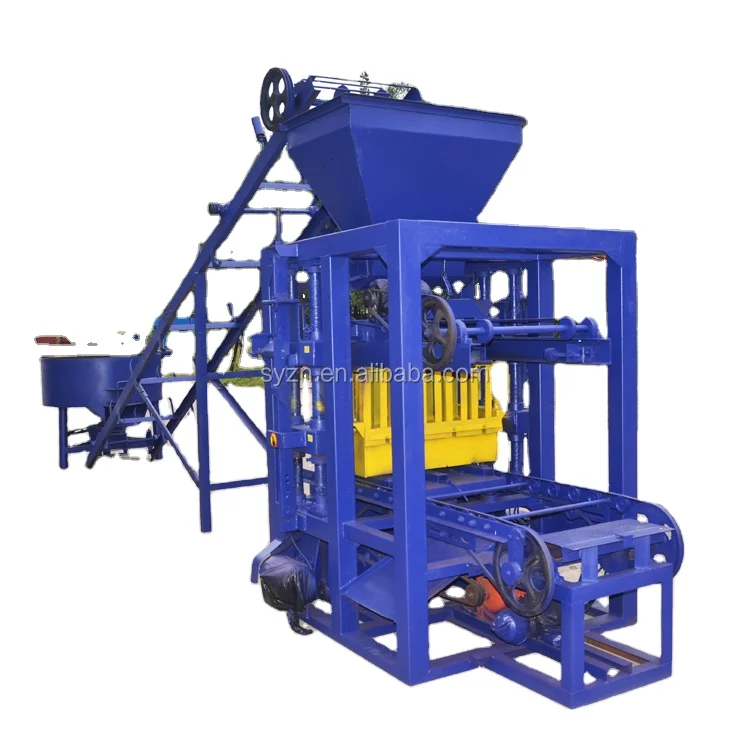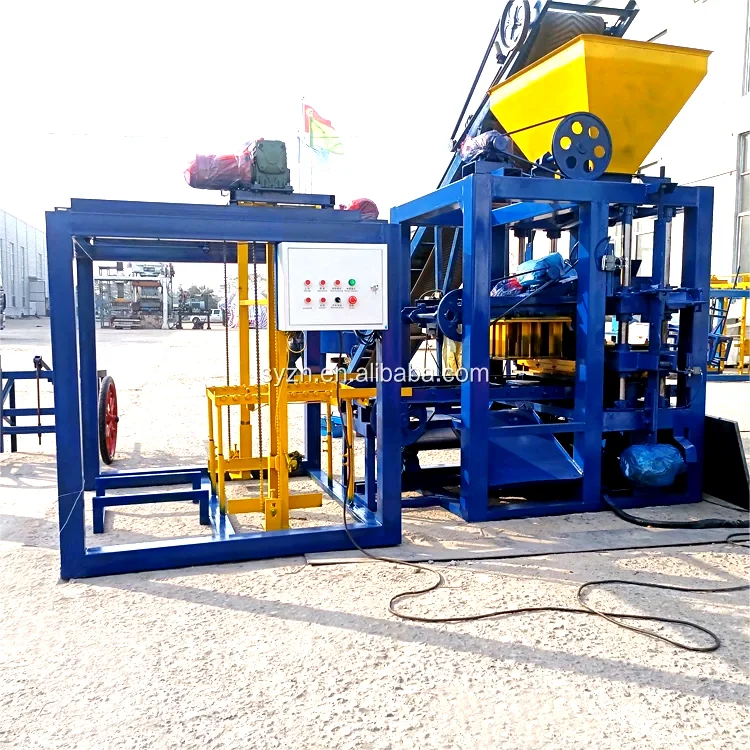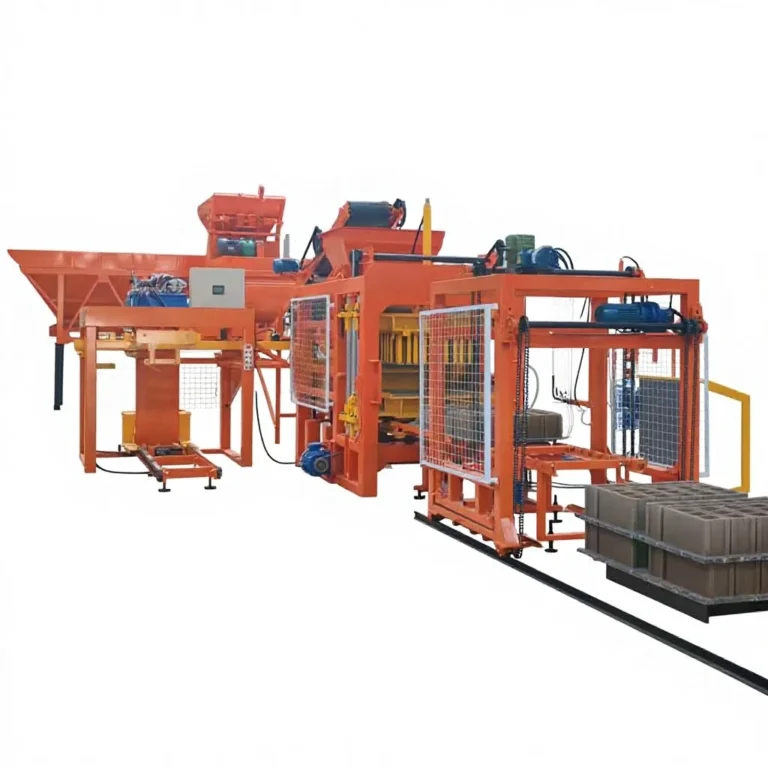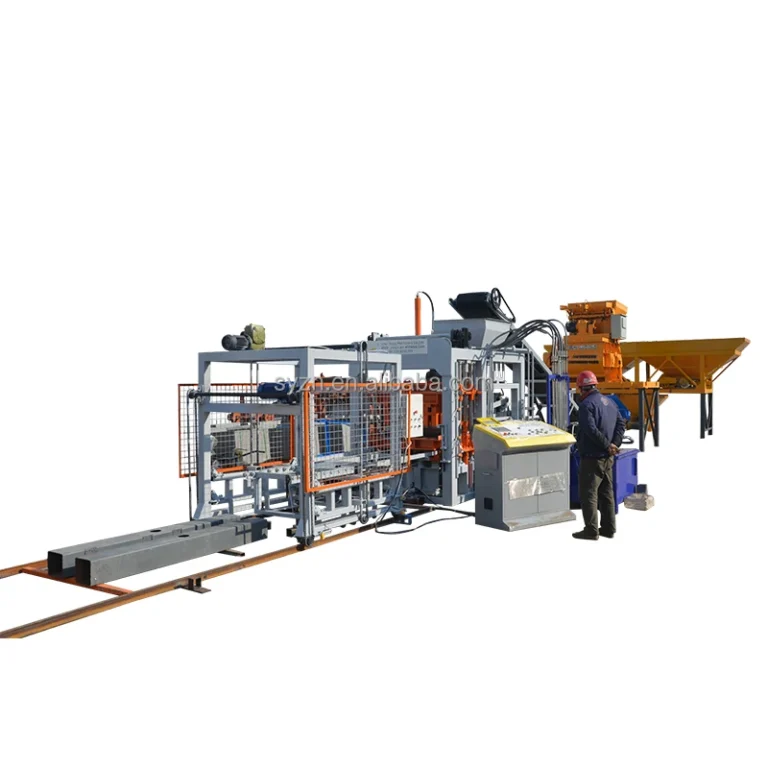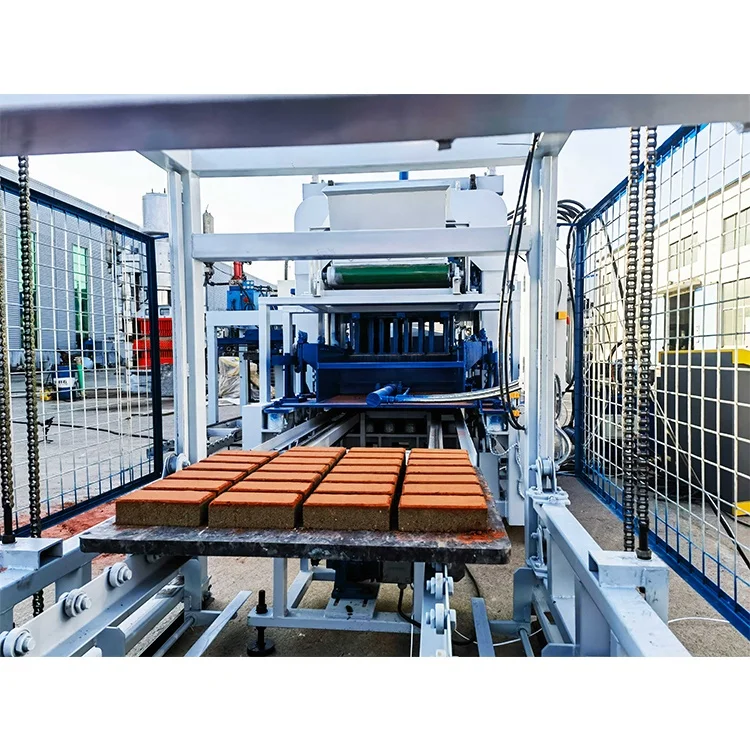
Description
PLC Tuning Per Format — Every cycle parameter on the QT8-15 is adjustable through the control interface, so moulding rhythm follows the block you actually sell, not a factory preset.
Technical Specifications
| Parameter | Value |
|---|---|
| Product Type | Concrete Block Making Machine |
| Model | QT8-15 |
| Overall Dimension | 8300 × 1860 × 3000 mm |
| Total Mass | 8 T |
| Rated Pressure | 21 MPa |
| Main Vibration Form | Platform Vibration |
| Vibration Frequency | 2800–4500 r/min |
| Vibration Force | 45 kN |
| Pallet Size | 950 × 900 mm |
| Moulding Cycle | 15–20 s |
| Overall Power | 55.5 kW |
| Demolding Method | Hydraulic |
| Recommended Factory Area | 300 m² |
| Control System | PLC (language configurable) |
| Voltage & Frequency | Configurable to destination standard |
| Applied Products | Hollow blocks, solid blocks, pavers, interlocking blocks, curbstones, colored pavers |
| Raw Materials | Crushed stone, sand, cement, fly ash, gravel, slag, dust |
| Output Capacity | Basis not stated in source — confirm block format, material and thickness |
| Warranty | 1 year (excluding spare parts) |
Application Suitability
| Application | Material or Output |
|---|---|
| Hollow block production for wall construction | Crushed stone, sand, cement, fly ash blends |
| Solid block manufacturing for load-bearing structures | Gravel, sand, cement mixes |
| Paver and colored paver runs for landscaping | Fine aggregate, cement, pigment additives |
| Interlocking brick production for retaining walls | Sand, crushed stone, cement |
| Kerbstone and curb production for roadworks | Coarse aggregate, cement, slag blends |
| On-site block production for housing projects | Locally sourced aggregate and cement |
Why the PLC Language Question Comes Before the Price
A control screen in the wrong language turns an automatic block machine into a very expensive manual one.
I learned this the hard way years ago. We shipped a fully automatic unit to a Central American site and the PLC display was set to a language the local operators could not read. The machine sat idle for two days while we remotely reconfigured the interface. The automatic QT8-15 concrete block making machine is no different — it is a PLC controlled block machine, and if the operator cannot navigate the menus, every automation feature you paid for is locked behind a language barrier [NEED_CITE: industrial PLC language configuration standards for export markets]. Voltage mismatches create a parallel problem: the wrong frequency burns motors and fries control boards before the first block is pressed.
Removing Operator Variability From the Moulding Cycle
On a manual or semi-automatic line, cycle timing depends on the operator watching the fill, judging the vibration duration and hitting the demould button at the right moment. The automatic QT8-15 concrete block making machine takes that judgement out of human hands. The PLC governs fill time, vibration duration and hydraulic release as a single programmed sequence, so the tenth block in a run is pressed under the same conditions as the first.
Batch-to-Batch Consistency Across Format Changes
Switching from hollow blocks to pavers means changing the mould, the fill depth, the vibration profile and the demoulding pressure. On a manually governed press, those adjustments live in the operator’s head. With the PLC controlled block machine, each format runs from a stored recipe — the operator selects the product code and the system loads the matching cycle parameters [NEED_CITE: PLC recipe management in concrete block production]. This is how you get Monday’s pavers matching Friday’s pavers even when shifts change.
What the Numbers Actually Mean on the Shop Floor
The 21 MPa rated pressure and 45 kN vibration force work together — hydraulic pressure compacts the mix from above while platform vibration consolidates it from below. If either value is too low for your aggregate size, blocks leave the press with weak cores or surface crumbling. The adjustable vibration frequency range of 2800–4500 r/min lets the PLC tune compaction to the specific mix: coarser gravel needs lower frequency and longer duration, while fine sand and fly ash blends respond to higher frequency and shorter cycles. The 950 × 900 mm pallet size is fixed, so your curing racks and forklift must be specified around it before the machine arrives — not after. The 15–20 s moulding cycle window is the PLC’s operating range; the actual cycle for your block format will sit somewhere inside that band and must be confirmed during commissioning. The 55.5 kW overall power draw requires a dedicated circuit sized for continuous load with a margin for hydraulic pump startup surge [NEED_CITE: electrical supply requirements for hydraulic block presses].
The Cost of Skipping the Configuration Conversation
When a block press arrives configured for a mix the buyer cannot source locally, the choice becomes either import the specified aggregate at a premium or run local material through a machine not set up for it. Either way, block strength suffers and the buyer blames the equipment. The same pattern shows up with pallets: a 950 × 900 mm pallet that does not match the curing rack spacing or the forklift fork width means manual rehandling of every single pallet — which is exactly the labour the automation was supposed to eliminate [NEED_CITE: pallet handling compatibility in block plant layout]. And if the voltage and frequency were never confirmed, the machine may not start at all on arrival, or worse, it may start and damage its own control system within the first hour of operation.
Why Buyers Come Back for the Second Line
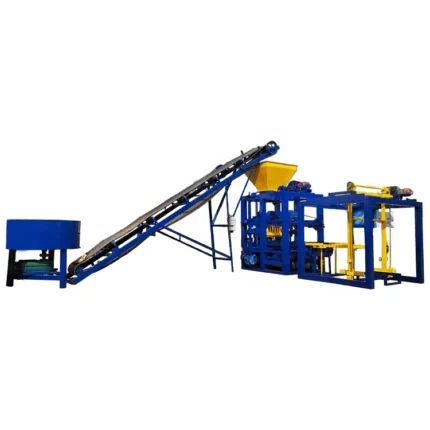
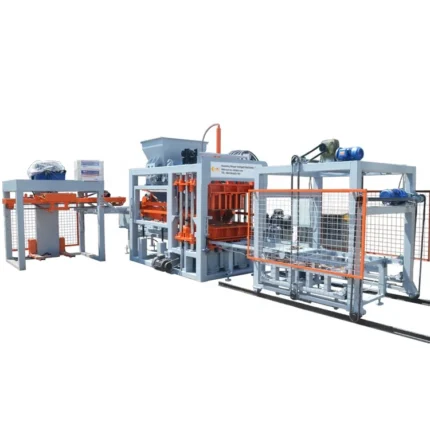
The QT8-15 is specified as one matched system — press, mould, pallet and handling stations are sized together, not pulled from separate catalogues. Configuration starts from the buyer’s actual mix design and target block format, not from a default settings sheet. Mould design covers the formats the buyer’s market actually sells, and custom moulds are built to buyer drawings when standard options do not fit. The automation level is selectable, meaning a buyer can begin with the core press and add pallet feeding, stacking or cubing stations as the plant grows. Factory testing runs the exact block format the buyer will produce, so cycle time and block quality are verified before the machine leaves Shandong.
Documentation & Verification
- Line layout and capacity calculation stating the specific block format assumed
- Machine specification sheet with PLC language and voltage confirmed for your site
- Mould drawing and format list covering every product you plan to run
- Pallet specification matched to your curing area and forklift dimensions
- Hydraulic and electrical schematic for your site maintenance team
- Factory test record on your target block format before dispatch
Installation, Commissioning & Support
- 8300 × 1860 × 3000 mm footprint requires a level concrete pad within the 300 m² recommended area
- 55.5 kW overall power needs a dedicated supply circuit with hydraulic startup surge allowance
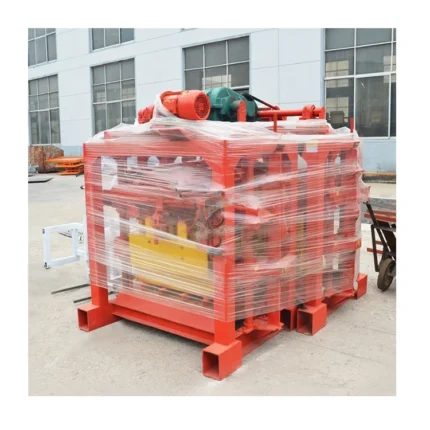
- Shipped assembled in a 40HQ container for basic configuration; on-site reassembly of hopper and stacker
- PLC language and voltage verified again at commissioning to match the operator team on site
- Operator training covers recipe selection, mould change procedure and daily maintenance checks
- Wear parts and mould replacement list provided so first reorder happens before stock runs out
What We Need to Configure Your Machine
To size the QT8-15 to your plant, we need the block formats you plan to produce, the daily output target per format and the local aggregate types available at your site. Send your existing curing area dimensions and forklift specifications so the pallet and handling setup aligns with what you already have. Confirm your site voltage, frequency and the language your operators read on a control screen — these three details determine whether the machine runs on day one or sits waiting for a configuration fix.
Frequently Asked Questions
Q: How is the output capacity of the QT8-15 verified against a specific block format?
A: Capacity is calculated per block format, not quoted as a single headline number. We run your specific block — with your mix design and target dimensions — during factory testing and record the actual cycle time and output rate. That test record ships with the machine so you know the verified throughput before it arrives at your site.
Q: What PLC control language and voltage configuration will match my site?
A: Both are confirmed during the ordering process before production starts. We ask for your site voltage and frequency standard and the display language your operators need. These values are then locked into the build specification so the control panel and electrical system arrive ready for your local supply and your team.
Q: Which automation stations are included — pallet feeding, stacking, cubing?
A: The automation level is selectable. The core press with PLC-controlled cycling and hydraulic demoulding is standard, while pallet feeding, automatic stacking and cubing are added based on your plant layout and budget. You can start with the press and add handling stations later as your production volume grows.
Q: How does vibration force and hydraulic pressure get matched to my local aggregate and mix design?
A: We take your actual mix proportions and aggregate grading, then set the 2800–4500 r/min vibration frequency range and the 21 MPa hydraulic pressure profile to suit. Coarser mixes typically need lower frequency with longer vibration, while fine fly ash blends respond to higher frequency and shorter cycles. The PLC stores these settings as format recipes.
Q: What is the upgrade path if I start semi-automatic and want to add automation later?
A: The QT8-15 platform supports staged automation. If you begin with manual pallet handling and basic PLC cycling, the pallet feeder, stacker and cubing stations can be added later without replacing the press. The control system is designed to accept additional station modules as your plant output and labour requirements change.