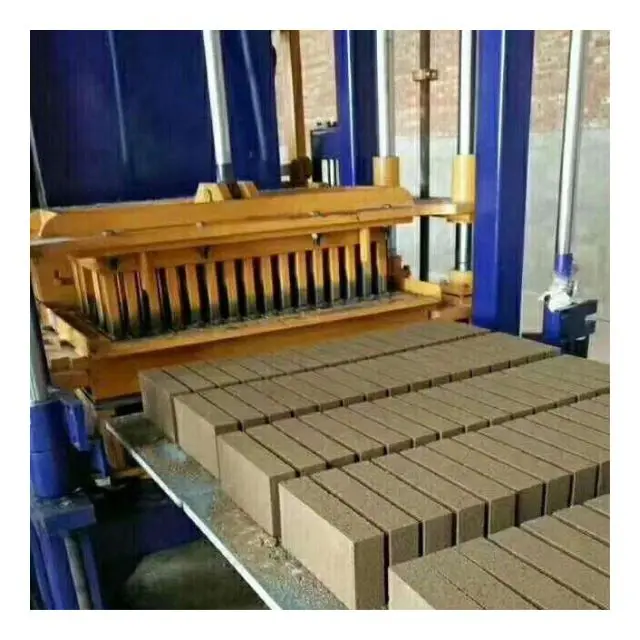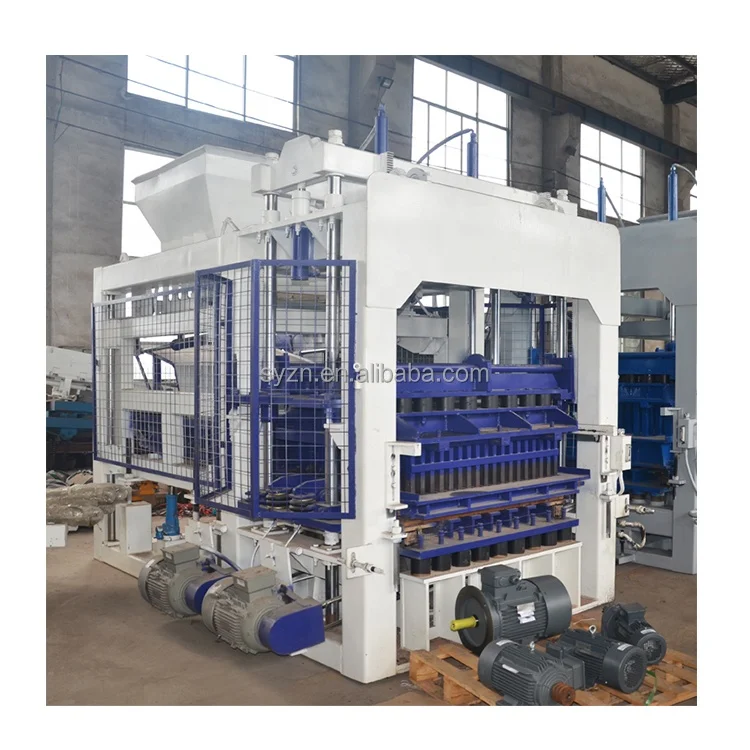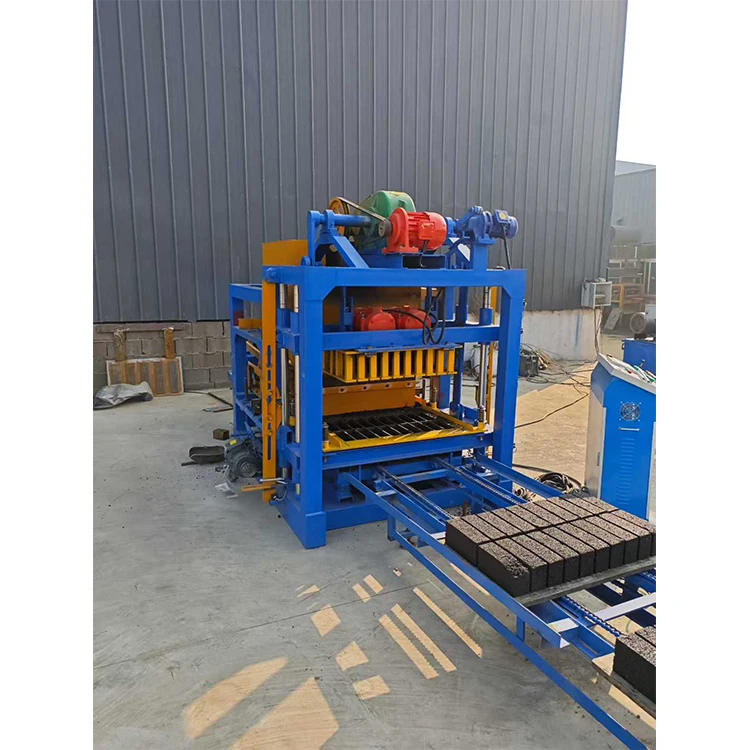


Description
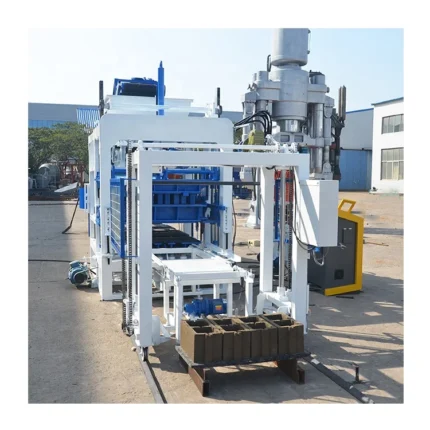
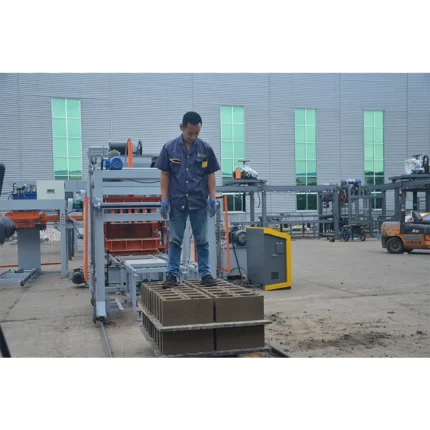
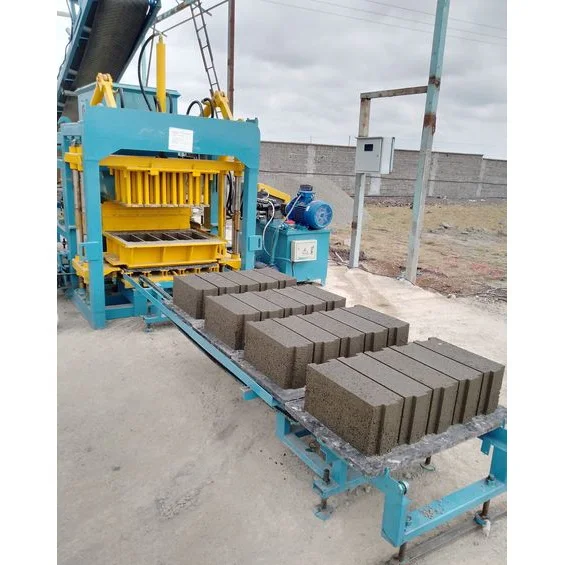
Intelligent control integration — every automation station on the QTJ4-25D is commissioned as one coordinated system rather than sourced from separate suppliers.
Technical Specifications
| Parameter | Value |
|---|---|
| Model | QTJ4-25D |
| Product Type | Automatic Concrete Block Making Machine |
| Control System | PLC controlled, fully automatic |
| Rated Power | 16.58 kW |
| Molding Cycle | 25 seconds |
| Output Capacity | 4600 pcs / 8 hours (basis not stated in source — confirm block format, material, and thickness before ordering) |
| Machine Weight | 5000 kg |
| Overall Dimensions (L×W×H) | 6400 × 1500 × 2700 mm |
| Pallet Size | 850 × 480 mm |
| Raw Material Compatibility | Concrete, sand, cement, fly ash, crushed stone, lime, water |
| Motor Brand | Siemens |
| Vibration System | Vibration motor with large vibration box (hydraulic pressure not included) |
| Automation Features | Automatic pallet feeding, automatic material feeding and scraping, automatic block stacker |
| Frame Construction | Thickened steel |
| Voltage and Frequency | Configurable to local supply (confirm Hz and phase before order) |
| Warranty | 1 year with free parts supply during warranty period |
| Assembly State | Factory assembled, container-load shipment |
| PLC Display Language | Confirm before shipment (basis not stated in source) |
| Standards | CE declaration where applicable per market |
Application Suitability
| Application | Material or Output |
|---|---|
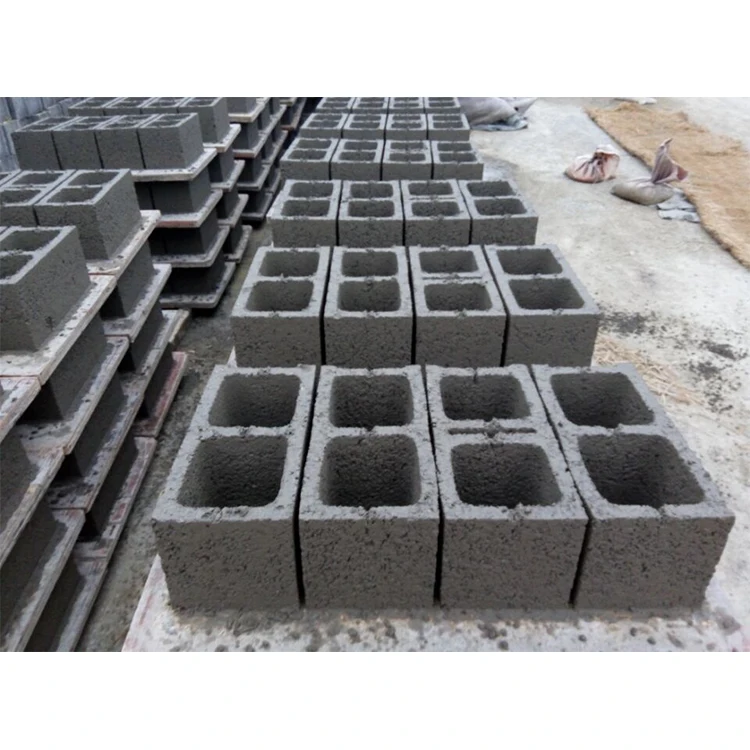
| Medium-scale hollow block plant | Crushed stone, sand, and cement mix producing 400×200×200 mm hollow blocks |
| Solid block production for housing projects | Fly ash and cement blends for load-bearing wall units |
| Paver stone manufacturing for municipal works | High-density concrete mixes for interlocking pavement formats |
| On-site block production for construction contractors | Local aggregate and cement with automatic stacking for continuous output |
| First block plant for entrepreneurs | Multiple format capability through mould changes on a single platform |
Why "Fully Automatic" Can Still Leave You Stacking by Hand
Automation only works when every station in the line is specified together.
I once supported a plant in Ecuador where the buyer purchased a PLC-controlled press but received a quotation that stopped at the machine output. Pallets were fed by hand, and finished blocks were stacked manually off the conveyor. The operator workload barely changed, and the cycle time gains from the automatic block making machine PLC controlled system were lost at the ends of the line. The buyer had paid for automation but received a partial setup. [NEED_CITE: automation scope gaps in block machinery quotations]
When pallet handling, stacking, and curing rack transfer are not included in the original configuration, the press spends part of every cycle waiting for a human action. The QTJ4-25D addresses this by integrating automatic pallet feeding, material feeding with scraping, and an automatic block stacker into one PLC-coordinated sequence so the press is never idle between cycles.
How the PLC Coordinates Every Station
The QTJ4-25D PLC controls pallet feeding, material distribution, vibration compaction, and block stacking as a single timed sequence. Each station triggers the next only when its sensor confirms completion, preventing the material scraper from moving before the mould is fully filled or the stacker from engaging before the block has cleared the press. This sequential logic is what separates a genuinely automatic block making machine PLC controlled setup from one that merely automates the press while leaving operators to manage everything upstream and downstream.
What Remote Diagnostics Removes From the Operator
A sensor fault on a remote site should not require a technician to fly in. The QTJ4-25D control architecture supports remote diagnostics so that alarm codes and machine states can be read off-site, allowing support engineers to identify whether a fault is a simple sensor recalibration or a component replacement. When the PLC display language matches the operator’s native language, minor faults are resolved in minutes rather than sitting unresolved for days while production drops to zero. [NEED_CITE: PLC display language and remote diagnostics in block machinery]
Reading the Specifications That Actually Matter
The 25-second molding cycle defines the theoretical rhythm of the press, but real daily output depends on which block format sits in the mould and how the upstream mixer feeds the hopper. The vibration motor paired with a large vibration box provides compaction force without hydraulic pressure, which simplifies the maintenance profile — there are no hydraulic hoses, seals, or pump stations to service — but it also means the vibration force is fixed rather than adjustable per mix design. The 850 × 480 mm pallet size determines how many blocks fit per cycle and must match the curing rack dimensions and forklift capacity already in the buyer’s yard. The 16.58 kW rated power across Siemens motors requires a dedicated circuit with correct voltage and frequency confirmed before the machine enters production, not after it arrives at the port.
The Hidden Cost of an Unconfirmed Control Language
When the PLC display language is not locked down before shipment, operators face alarm codes they cannot read. A minor sensor misalignment that should take ten minutes to resolve sits unresolved because the fault description is in a language the workshop does not speak. Output stops, the curing racks empty, and delivery schedules slip. This is not a rare edge case — it happens regularly on exports where the control language was assumed rather than documented. [NEED_CITE: commissioning delays caused by unconfirmed PLC language on exported machinery]
The QTJ4-25D ships with the PLC display language confirmed in writing during the pre-production review, so the operator interface, alarm descriptions, and parameter menus match the workshop language from the first day of commissioning.
Why Buyers Choose This Configuration
The QTJ4-25D is specified as a matched system — press, mould, pallet, and stacking are configured together against the buyer’s target block format and local aggregate, not pulled from a catalogue default. The automation level is selectable, so a buyer running semi-automatic today can plan the upgrade path to full PLC control and automatic stacking without replacing the press. Mould design covers the formats the buyer’s market actually sells, including custom drawings for non-standard dimensions. Voltage, frequency, and control language are confirmed in documentation before production begins, eliminating the most common commissioning delays. Installation support includes operator training on the PLC interface so the team is reading alarm codes and adjusting cycle parameters independently before the support engineer leaves site.
Documentation & Verification
- Line layout showing how pallet feeding, stacking, and curing connect to the QTJ4-25D press cycle
- Capacity calculation stating the exact block format and mix assumed for the quoted output
- PLC display language and voltage confirmation sheet signed off before production
- Factory test record on the buyer’s specified block format before container loading
- Hydraulic and electrical schematic with Siemens motor references for local spare sourcing
- Operation and maintenance manual in the confirmed workshop language
Installation, Commissioning & Support
- 6400 × 1500 mm footprint requires a level concrete foundation with anchor bolt provisions
- 16.58 kW rated power demands a dedicated three-phase circuit at the confirmed voltage and frequency
- Machine ships factory assembled and is dismantled only as needed for container loading
- First commissioning run includes PLC parameter tuning to the buyer’s specific mix and block format
- Operator training covers alarm code reading, mould change procedure, and cycle adjustment on the confirmed language display
- Wear parts list and mould inventory documented for the first replacement cycle
What to Include With Your Inquiry
Send the block format you sell most — dimensions, wall thickness, and target compressive strength — along with your local aggregate source and cement type. Confirm your workshop voltage, frequency, and the language your operators read. If you already have curing racks and a forklift, share the pallet dimensions they accept so the 850 × 480 mm pallet specification is verified against your existing equipment before the quotation is finalized.
Frequently Asked Questions
Q: How is the 4,600 pcs/8h capacity figure calculated, and which block format does it assume?
A: The 4,600 pieces per 8-hour shift is based on the 25-second molding cycle, but the source does not state which block format, material mix, or thickness this figure assumes. We provide a capacity calculation that names the exact block format and mix design used, so the number you plan against is the number you produce.
Q: What PLC brand and display language options are available, and is remote diagnostics supported?
A: The QTJ4-25D uses a PLC control system configured before shipment with the display language, alarm descriptions, and parameter menus set to your workshop language. Remote diagnostics capability allows off-site engineers to read alarm codes and machine states, reducing the time a minor sensor fault sits unresolved.
Q: How does the automatic stacking system integrate with my existing curing area and forklift?
A: The automatic block stacker outputs stacked blocks onto the 850 × 480 mm pallet, which must match your curing rack spacing and forklift capacity. We confirm these dimensions against your existing equipment during the configuration stage so blocks move from press to curing without manual re-handling.
Q: Can I start with the QTJ4-25D semi-automatic configuration and upgrade to full automation later?
A: The platform supports a selectable automation level. A buyer can begin with semi-automatic pallet handling and add the automatic pallet feeder and block stacker later without replacing the press, provided the structural mounting points and PLC I/O capacity are specified for the upgrade at the initial order.
Q: What is the mould change procedure, and how long does a format changeover take on this model?
A: Mould change on the QTJ4-25D involves releasing the mould clamps, lifting the current mould out, and lowering the replacement mould into the register pins. The exact changeover time depends on the mould weight and whether a hoist is available above the press, which we confirm during line layout planning.