Description
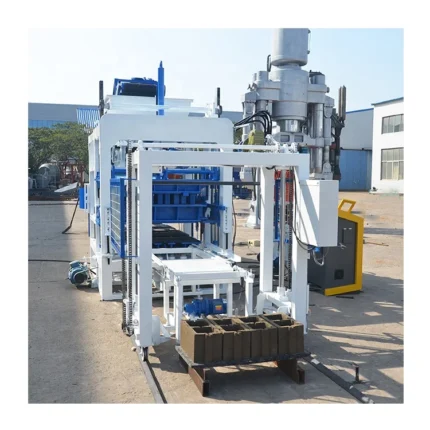
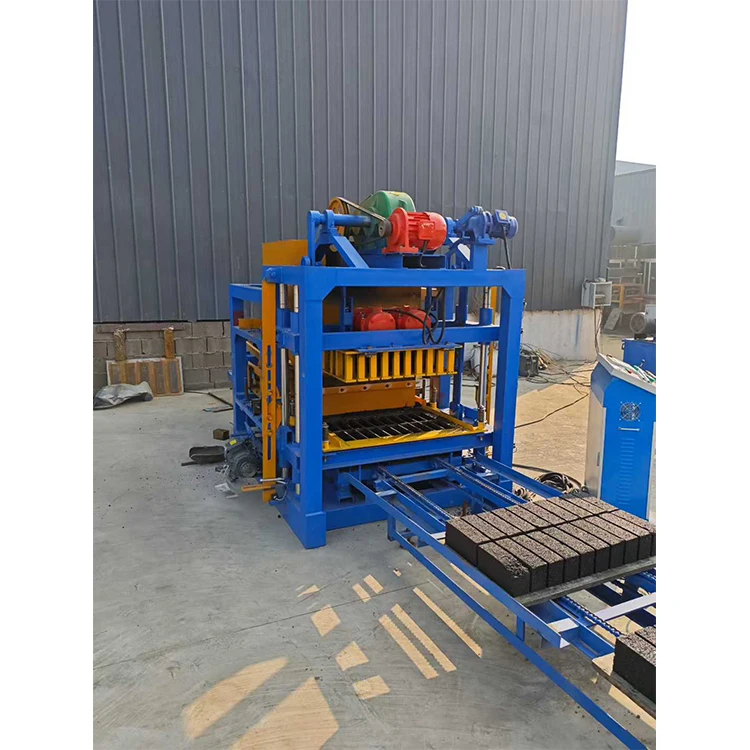
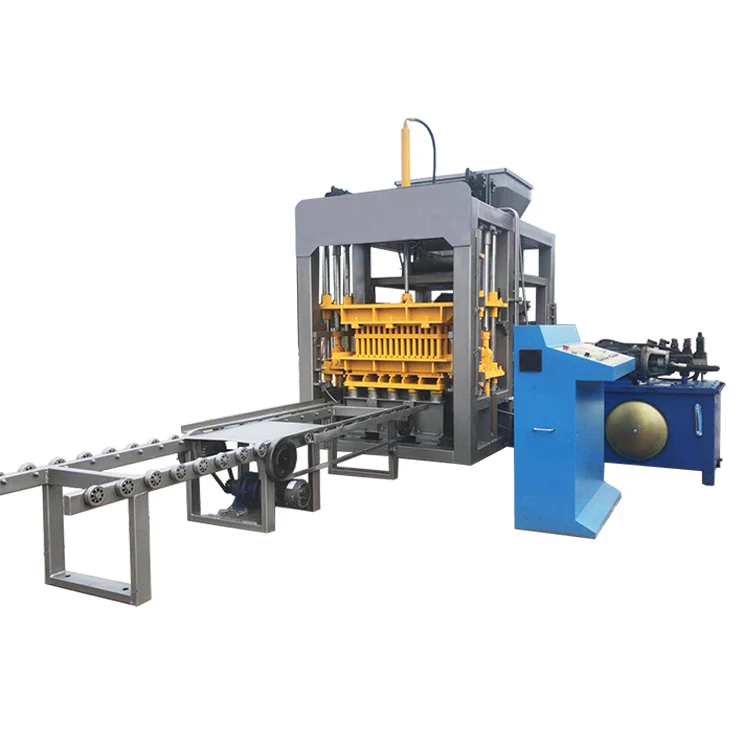
Configuration Set Against Your Actual Mix Design — the QT8-15 automatic concrete block making machine PLC controlled line is matched to your local aggregate, pallet system and automation level rather than shipped as a catalogue default.
Technical Specifications
| Parameter | Value |
|---|---|
| Model | QT8-15 |
| Product Type | Automatic Concrete Block Making Machine |
| Overall Dimensions (L×W×H) | 8300 x 1860 x 3000 mm |
| Rated Pressure | 32 MPa (basis to be confirmed) |
| Vibration Form | Platform Vibration |
| Vibration Frequency | 2800-4500 RPM |
| Pallet Size | 950 x 900 mm |
| Molding Cycle | 15-25s (basis not stated in source — confirm block format and material) |
| Overall Power | 47 kW (basis to be confirmed) |
| Control System | PLC with touch screen human-computer interface |
| Hydraulic System | Independent integrated hydraulic station |
| Block Comprehensive Strength | 15 MPa |
| Automation Level | Automatic with manual mode available |
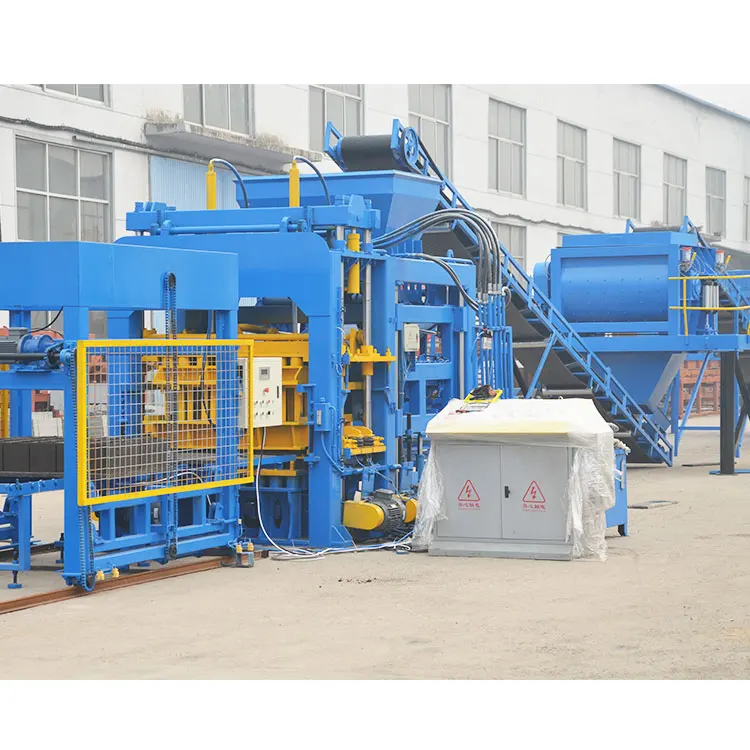
| Included Support Equipment | JS750 mixer, 8m belt conveyor, automatic stacker (two pallets per cycle, 3-6 layers), one free hollow mould |
Application Suitability
| Application | Material or Output |
|---|---|
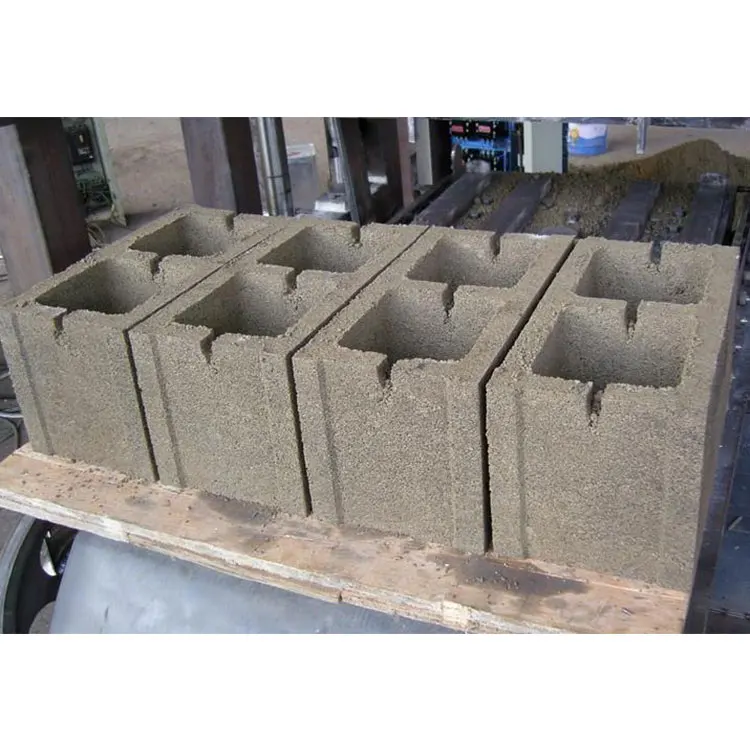
| Hollow block production | Crushed stone, sand, cement and lightweight aggregates |
| Solid block production | Dense aggregate mixes for load-bearing walls |
| Paving block production | High-strength concrete mixes with fine aggregate gradation |
| On-site project production | Local aggregate and cement for housing or infrastructure blocks |
Why the Voltage Question Should Come Before the Price
A machine that cannot run on your local grid is a crate of steel sitting on a port floor.
When an automatic concrete block making machine PLC controlled unit arrives with a motor wound for a voltage your plant does not supply, commissioning stops before it starts. I have watched contractors in coastal South America sit idle because the frequency mismatch tripped breakers every time the vibration cycle engaged, and the electrician on site had no parameter sheet to work from. Voltage, frequency and the PLC display language must be locked into the purchase order, not discovered at unpacking [NEED_CITE: voltage and frequency standards by export market].
How PLC Control Replaces Operator Guesswork
The QT8-15 runs every stage — press head descent, mould box clamping, material feeding, vibration and demoulding — through a programmable logic controller with a touch screen interface. Feeding times and vibration duration are adjustable on screen, meaning an operator does not need to time cycles by feel. The automatic concrete block making machine PLC controlled system logs process steps, so when a batch comes out short on density, the settings can be traced back and corrected without trial and error.
The Hydraulic Station That Stays Clean
Vibration is the enemy of hydraulic valves. The QT8-15 isolates its integrated hydraulic station from the main frame so that platform vibration and concrete dust do not reach the directional valves and pump. This separation keeps cycle timing consistent across a shift and reduces the rate at which seals degrade in dusty environments. When the press needs full tonnage at the bottom of the stroke, the hydraulic pressure is there without lag [NEED_CITE: hydraulic system contamination sources in concrete block plants].
Reading the Numbers That Actually Matter
The 32 MPa rated pressure and 2800-4500 RPM vibration frequency together determine how densely concrete is packed into the mould. Higher pressure without matched vibration leaves air pockets in thick-walled hollow blocks; heavy vibration without enough hydraulic clamp force causes the mould box to lift and flash the edges. The 950 x 900 mm pallet size defines the block footprint per cycle — if your curing yard uses a different pallet dimension or your forklift tines are spaced for a narrower board, the stacker cannot interface with your existing handling. The 15-25 second molding cycle applies to a specific block format and mix that must be confirmed against your target product before the capacity calculation is meaningful.
What Happens When the Stacker Is an Afterthought
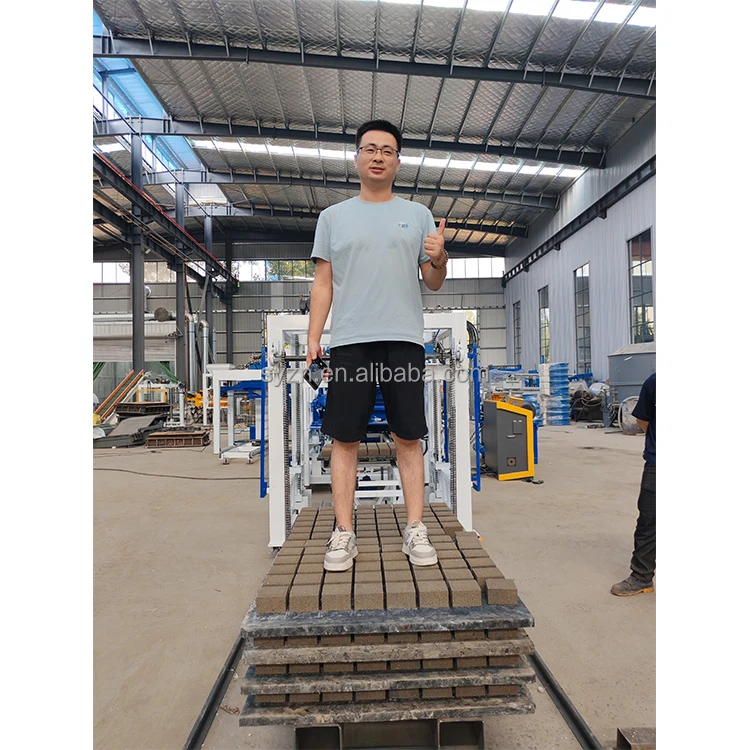
A press that cycles reliably means nothing if pallets pile up faster than workers can carry them to the curing racks. Buyers who treat the automatic stacker as optional discover within a week that manual pallet handling creates a bottleneck, blocks get chipped before curing begins, and the labour cost they expected to save disappears into the handling crew. The QT8-15 stacker lifts two pallets at a time and places them in 3-6 layers depending on block height, keeping the press running without interruption.
Why This Machine Is Specified as a Line
Block machinery is our single focus, so the QT8-15 press, JS750 mixer, 8m belt conveyor, pallet feeder and automatic stacker are documented as one system with matched cycle times. Mould design covers the formats your market actually sells, including custom drawings if your region demands a kerbstone or interlocking profile that is not in a standard catalogue. Automation level is selectable, letting a buyer start with manual pallet handling and move to full stacking later without replacing the press. Installation support includes operator training on the PLC interface so the crew can adjust feeding times and vibration parameters from day one [NEED_CITE: machinery directive requirements for automated industrial equipment].
Documentation & Verification
- Factory test record on your block format and mix before dispatch
- Machine specification sheet with confirmed voltage and PLC language
- Line layout showing mixer, conveyor, press and stacker cycle coordination
- Mould drawing and format list for your target market products
- Hydraulic and electrical schematic for on-site maintenance teams
Installation, Commissioning & Support
- Foundation plan sized to the 8300 x 1860 mm frame footprint and dynamic vibration load
- Dedicated power circuit rated for the 47 kW total draw with correct voltage and frequency
- Dismantled shipping configuration with reassembly sequence and bolt torque chart
- First-run commissioning with vibration frequency and hydraulic pressure set to your aggregate
- PLC touch screen training covering cycle adjustment, fault codes and manual mode override
- Wear parts and mould list supplied at handover for reorder planning
What to Include in Your Inquiry
Send us your target block format, expected daily output, and a sample or description of your local aggregate so the vibration and pressure settings can be matched before the machine is built. Confirm your plant voltage, frequency and preferred PLC display language. If you already operate a curing yard or forklift, share the pallet dimensions so the stacker is configured to fit your existing handling system.
Frequently Asked Questions
Q: How is cycle time verified for my specific block format?
A: The 15-25 second range is a baseline. We test the QT8-15 with your target block dimensions, mould design and proposed mix to confirm the actual cycle before quoting a daily output figure. Capacity is always stated against a named format, never as a single number for all products.
Q: What automation level ships with the machine and can it be expanded?
A: The QT8-15 ships in full automatic mode with manual mode available on the PLC for training or troubleshooting. If you currently run semi-automatic, the press can be installed with manual pallet handling first and the automatic stacker integrated later without replacing the main frame.
Q: How are voltage, frequency and PLC language confirmed before shipment?
A: We request your plant electrical specification at inquiry stage and lock voltage, frequency and touch screen language into the production order. The electrical schematic in the documentation package reflects these confirmed values so your electrician can prepare before the container arrives.
Q: How do you match hydraulic pressure and vibration to my aggregate?
A: Local aggregate samples are tested for particle shape, size distribution and moisture absorption. Vibration frequency and hydraulic clamp pressure are then adjusted on the factory test rig so that block density and surface finish meet your strength requirement without cracking or flash.